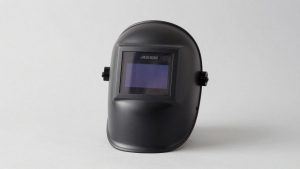
Our Top Picks
 TOOLIOM 6-in-1 AC/DC TIG Welder with Pulse200A Aluminum ACDC TIG Welder10 x 2 x 50 inches28 poundsCheck on Amazon
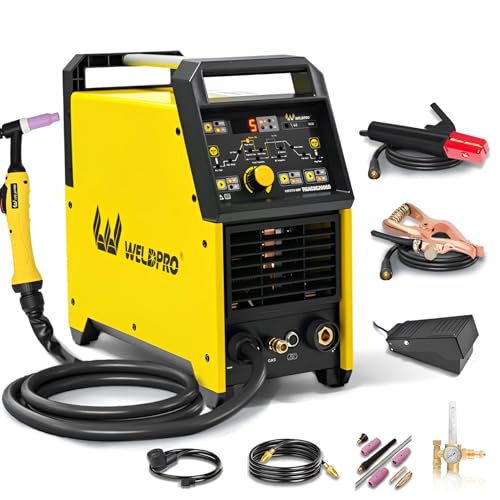 Weldpro 200A AC/DC TIG Welder with Pulse61.8 Pounds17.6 x 7.9 x 16.2 inches61.8 PoundsCheck on Amazon


What's inside
As an Amazon Associate I earn from qualifying purchases. This post may contain affiliate links at no extra cost to you.
Most people shopping for the best TIG welder for hobbyists buy twice. First a cheap DC-only inverter, because the box says 200 amps. Then an AC/DC machine, because the first one will not touch aluminum and it stumbles on 18 gauge. That is money spent to learn one lesson: the metal picks the machine, not the number on the front panel.
TIG is the slowest and most controllable process in the shop. It rewards a steady hand and punishes a sloppy setup. Find your category first.
As an Amazon Associate we earn from qualifying purchases at no extra cost to you.



| Machine type | What it welds | Useful amp range | Power required |
|---|---|---|---|
| DC-only inverter TIG | Steel, stainless, chromoly, copper | 10 to 200 A | 120V or dual voltage |
| AC/DC inverter TIG | Adds aluminum and magnesium | 5 to 200 A | 240V preferred, dual voltage common |
| Multiprocess TIG/stick/MIG | Occasional TIG plus general repair | 10 to 200 A | Usually dual voltage |
| Water-cooled AC/DC | Long aluminum runs and thicker plate | 5 to 250 A and up | 240V on a 30 to 50 A circuit |
What we cover
What actually makes the best TIG welder for hobbyists
Peak amps are marketing. Five things separate a machine you keep from one you resell.
Low end control. Hobby work lives between 20 and 90 amps. You want a stable arc from 5 to 10 amps up, because that is what sheet and tacking need. A real foot pedal. Controlling current with your foot is the point of TIG. Panel-only machines turn it into slow stick welding. High frequency or lift arc starting. Scratch start contaminates tungsten every time you begin. Standard consumables. A 17, 26 or 9 series torch and common connectors mean you can buy cups and collets anywhere. Honest duty cycle printed on the data plate.
Dual voltage is the one convenience worth paying for. Light work off a 120V garage outlet, real amps when you plug into 240V.
Dual Voltage AC/DC TIG Welder
The default hobby answer. AC for aluminum, DC for everything else, and it runs on either shop circuit. Confirm the listing includes a foot pedal and a usable torch before you compare prices.
AC or DC sets your ceiling
DC electrode negative welds steel, stainless, chromoly, copper and titanium. If that is your whole list, a DC-only machine saves money and does nothing wrong.
Aluminum is different. Its oxide skin melts near 3,700 degrees F while the metal underneath melts closer to 1,200 degrees F. DC cannot break that skin, so the puddle goes dirty and gray. AC flips polarity many times a second and strips the oxide on the cleaning half of each cycle. That is why aluminum needs AC, and why AC balance and frequency controls matter: more cleaning for dirty cast, more penetration for clean plate, higher frequency for a tighter arc in corners.
One warning. High frequency start throws radio noise that can scramble vehicle control modules and nearby electronics. Disconnect the battery before welding on a car.
Amperage, thickness and duty cycle, plainly
Mild steel follows one rule: roughly one amp per thousandth of an inch of thickness. 16 gauge is about 0.060 inch, so 60 amps. An eighth inch is 0.125 inch, so 125 amps. A quarter inch wants near 250 amps, or a bevel, preheat and multiple passes on a smaller machine. Aluminum dumps heat fast, so add a third to half again more current.
That is why 120V has a ceiling. On a 15 or 20 amp household circuit, expect roughly 100 to 140 amps of real output, which covers sheet, tubing and brackets up to about an eighth inch. Past that, run a 240V circuit. If you must use a cord, keep it short and 10 AWG or heavier.
Duty cycle is the honest limit. Thirty percent at 200 amps means three minutes of arc in a ten minute window, then seven minutes of cooling. Hobby TIG is naturally stop and start, so 20 to 40 percent is fine unless you run long aluminum seams.
120V DC-Only TIG Inverter
If you weld only steel and stainless, this is the honest budget path. Real output at the outlet handles sheet through eighth inch fine. Just accept that aluminum stays off the table for good.
Torch, consumables and how tight is tight
Torque on a TIG rig is mostly about gas tightness, and brass threads are soft. Snug the regulator nut to the cylinder with a wrench until it stops, plus a nudge. No cheater bars. The back cap and collet body go hand tight to firm, maybe a quarter turn of wrench on the collet body. Overtighten and you strip threads or crack a collet, and air leaks into your shielding gas. Leaks look exactly like contamination: gray, sooty beads that no amount of cleaning fixes.
Tungsten is simple. Two percent lanthanated, 3/32 inch for general work and 1/16 inch for sheet. Skip thoriated, since it is mildly radioactive and grinding it makes dust you should not breathe. Sharpen along the electrode, not across it. Add a gas lens when you can: even argon coverage, longer stickout for corners, and flow down around 15 to 20 cubic feet per hour.
- ✔ One machine covers aluminum and steel
- ✔ 120V for small jobs, 240V when you need amps
- ✔ Arc control down to a few amps for thin sheet
- ✔ Pulse and AC balance help thin or dirty metal
- ✘ Costs more than a DC-only box
- ✘ 120V output tops out near eighth inch steel
- ✘ Argon and consumables are an ongoing cost
- ✘ Budget units often ship weak pedals and thin work leads
TIG Torch, Pedal and Consumable Kit
Cheap machines cut cost at the torch, pedal and ground clamp. A flexible head torch, a gas lens set and a smoother pedal will improve your welds more than another 50 amps of capacity.
PPE, fume and fire come first
Low amps fool people. Pick an auto-darkening helmet rated to trigger below 20 amps, because budget hoods miss a low TIG arc and flash you. Shade 9 to 13 depending on current, safety glasses underneath. Thin goatskin gloves for feel, and cover all skin in cotton, leather or wool. Synthetics melt. UV reflects off shop walls, so screen the bay if anyone else is working nearby.
Fume is the part hobbyists skip. Stainless releases hexavalent chromium, a known carcinogen. Grind galvanized coating off first or you get zinc fume fever that night. Never weld over paint, plating or chlorinated solvent residue. Pull air across the joint and away from your face, never blow on the puddle. Argon displaces oxygen, so no torch work in a closed basement or pit.
Fire usually starts at the grinder, not the arc. Clear flammables 35 feet out, sweep sawdust in a shared woodshop, keep a rated extinguisher in reach and check the area 30 minutes after you stop. Hot steel looks cold. Chain the cylinder upright every time, cap on when the regulator comes off.
Frequently asked questions
Can I weld aluminum with a DC-only TIG machine? Not in any practical way. Without AC to break the oxide layer you get a dirty, unstable puddle and poor fusion. If aluminum is on your list at all, buy AC/DC now instead of twice.
Is a 120V TIG welder enough for a home shop? For sheet metal, tubing, brackets and repairs up to about an eighth inch, yes. Anything thicker, or any long aluminum seam, wants 240V. Dual voltage covers both without a second purchase.
What size argon cylinder should I start with? An 80 cubic foot bottle is the practical minimum. At 15 to 20 cubic feet per hour it gives several hours of arc time, and exchange programs are easy to find at welding supply houses. Smaller bottles run dry mid project.
Pick the current type your metal demands, size the amps to your thickest realistic job, and insist on a foot pedal and standard consumables. That combination beats spec sheet shopping every time.
Check prices on Amazon →