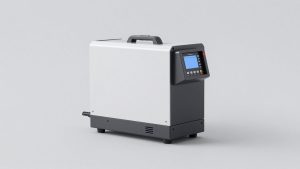
Our Top Picks

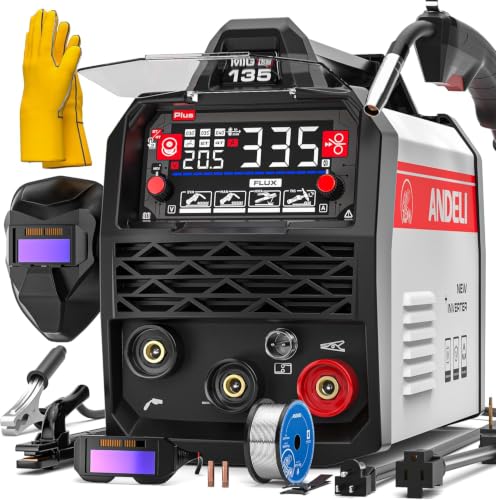

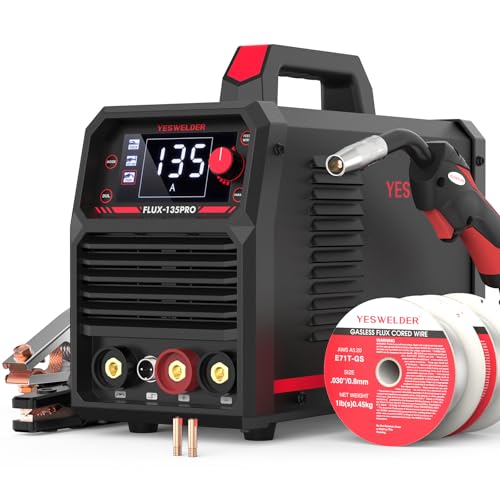


What's inside
As an Amazon Associate I earn from qualifying purchases. This post may contain affiliate links at no extra cost to you.
Most beginners buy a MIG welder twice. The first is a 120V flux-core box that shipped fast and looked cheap, and it gets shelved the day the work moves past sheet metal. The best MIG welder for beginners is not the cheapest machine that makes an arc. It is the one still on the bench in year three, because it runs gas, holds an arc at the amps you actually weld at, and feeds wire without birdnesting.
Two things decide it: the thickness you plan to weld and the power you have in the shop. Get those right and most spec sheet arguments stop mattering.
As an Amazon Associate we earn from qualifying purchases at no extra cost to you.


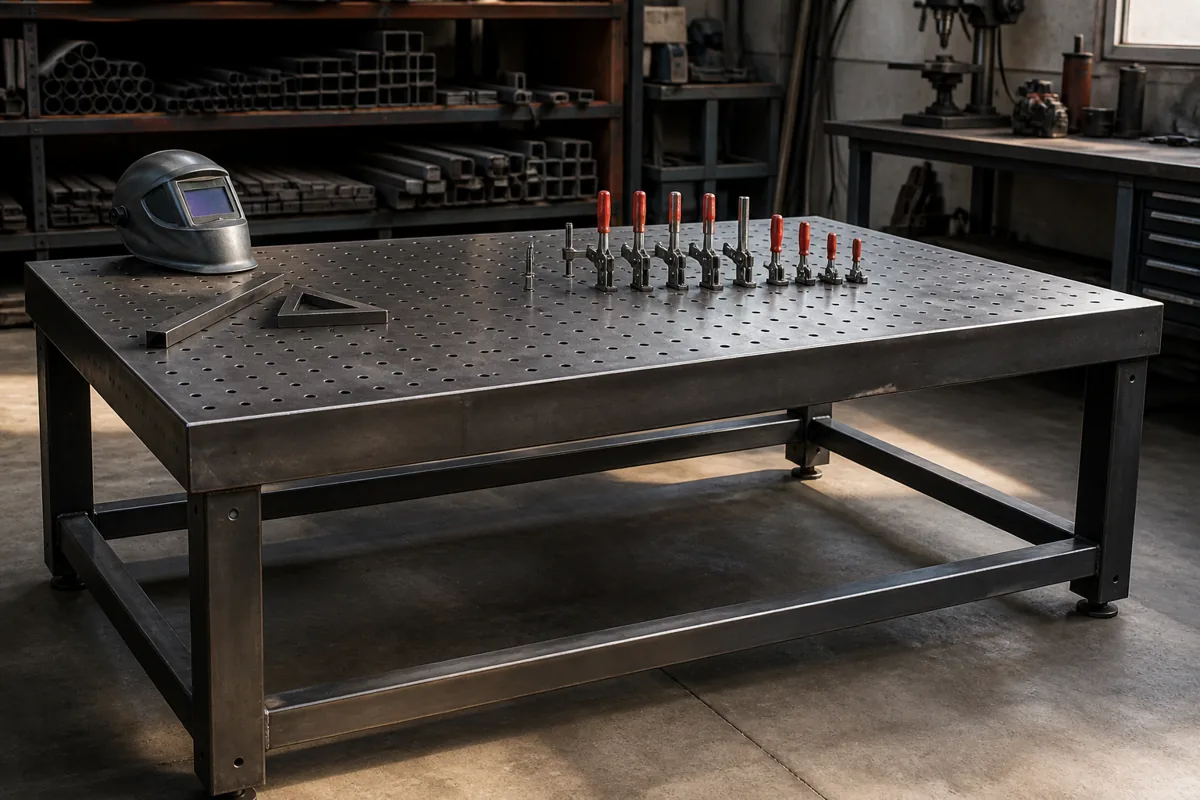
What we cover
Machine classes at a glance
Find yourself in this table before you open a single product listing.
| Machine class | Best first jobs | What to watch |
|---|---|---|
| 120V flux-core only | Outdoor repairs, gates, mower decks | Heavy spatter, no aluminum, thin steel only |
| 120V gas capable MIG | Auto body, brackets, up to about 3/16 in steel | Short duty cycle near max, needs a bottle |
| Dual voltage 120V/240V | Trailer and hitch work, 1/4 in and up | Costs more, wants a real 240V outlet |
| 240V 200A class | Structural, plate, long production runs | Overkill for a first machine plus a wiring bill[/afk_table> |
What the best MIG welder for beginners actually needs
Gas capability
A gas-capable machine running solid wire welds cleaner and more forgiving than any flux-core-only unit, and you can still load flux-core in it for outdoor work. The reverse is not true. If it will not take a solenoid and a regulator, walk away.
Fine voltage and wire speed control
Budget machines give you four or five tapped voltage settings. Workable on 1/8 in steel, miserable on 18 gauge. Continuous dials, or a decent synergic mode, let you dial out burn-through instead of choosing between two bad settings.
A real drive system
Feed problems cause most beginner rage. Look for a metal drive assembly, real tension adjustment, and a gun that takes common tips, nozzles, and liners. Consumables you can buy locally save weekends.
Honest duty cycle
Duty cycle is measured over ten minutes. Thirty percent at 130A means three minutes of arc time and seven of cooling. Fine for brackets. Not fine for 40 feet of fence, where you meet the thermal cutout mid-bead.
120V gas-capable MIG welders
If you have a standard garage circuit and mostly weld 16 gauge to 3/16 in, buy here. Lincoln Electric, Hobart, and ESAB all sell in this class. Budget for a bottle, regulator, and hood on top of the machine price.
Flux-core, solid wire, and the gas question
Solid wire with a 75/25 argon CO2 mix is the easy button indoors. Less spatter, better beads, more forgiveness on thin stock. It also quits the second a breeze crosses the joint, which is why every shop keeps a spool of flux-core for outside work.
Flux-core shields itself by burning flux, so wind matters less and mill scale is more forgiving. The cost is smoke, and a lot of it. Self-shielded wire in a closed garage is how people end up with metal fume fever. Open the door. Set a fan to pull fume away from your face, not blow across the puddle. Run an extractor, or at minimum a P100 respirator, if you will be at it a while.
Coated steel is the other trap. Galvanized gives off zinc oxide fume that will flatten you for a day. Grind the coating back past the weld zone, force ventilation, wear the respirator. Same for painted or plated stock. Keep gas bottles out of closets too, since shielding gas displaces air in a tight space.
Amps, duty cycle, and thickness in plain terms
Rule of thumb on mild steel: roughly one amp per thousandth of an inch for a single pass. An eighth inch is 125 thousandths, so 125 to 130A. Quarter inch wants around 250A in one shot, which no 120V machine has. That does not mean a 140A class machine cannot join 1/4 in. It means you bevel the joint and run multiple passes. That is fabrication, not a workaround.
The real trouble is thin metal. Body panels and light tube need clean starts down around 30 to 40A, and plenty of budget units have a floor above that. It shows up as blown holes you then try to fill, warping the panel worse.
Dual voltage MIG and multiprocess machines
Buy this tier if 1/4 in steel or trailer repair is in your near future, or you want stick in the same box. It runs on 120V for light work and 240V when you need output. Expect the TIG side of multiprocess units to be basic.
Set the station up so it does not cost you your eyes or your shop
Buy the hood before the welder. Auto-darkening, adjustable shade 9 to 13, from a brand that publishes a real standard rating. Arc light burns corneas in seconds, and photokeratitis shows up hours later feeling like sand under your lids. Stray arcs from across the shop count, so screen the area.
Cover skin. UV burns straight through a thin t-shirt and polyester melts into you. Cotton, leather, or FR only, plus gloves, sleeves, and boots. No upturned cuffs or open pockets to catch spatter.
Then the fire watch. Sparks roll 30 feet and find sawdust, rags, and gaps in the floor. Clear the area, keep an ABC extinguisher within reach, and check the space 30 minutes after your last bead. Most shop fires start after the welding stopped. Never strike an arc on a drum, tank, or anything that has held fuel.
Auto-darkening helmet, leathers, and an extinguisher
Skip the hood bundled with a cheap machine. A mid-priced auto-dark with a large viewing area, plus gloves, sleeves, and a fire extinguisher, is the cheapest insurance in the shop.
Where the 120V gas MIG class lands:
- ✔ Runs on a standard household circuit
- ✔ Solid wire and gas are forgiving to learn on
- ✔ Cheap, easy to find consumables
- ✔ Light enough to carry to the work
- ✘ Single pass tops out near 3/16 in mild steel
- ✘ Duty cycle falls off fast near max output
- ✘ Bottle and regulator add real cost
- ✘ Aluminum needs a spool gun and more machine
What to ignore on the spec sheet
Peak amperage you can only hold for seconds. Claims about welding half inch plate. Bundled kits where the free helmet is a passive lens and the free wire is one small spool. Tiny starter gas bottles that empty in an afternoon, when a 40 or 80 cu ft cylinder from a local gas supplier costs far less per weld. Aluminum bullet points on a small 120V unit. Screen graphics. What matters is parts support, so ask whether tips, nozzles, liners, and drive rolls are standard sizes before you pay.
FAQ
Is flux-core good enough to learn on? For outdoor repair and thicker stock, yes. For sheet metal or clean cosmetic welds, no. Learn puddle control with what you own, then switch to gas and watch everything get easier.
How much power do I need in the garage? A dedicated 20A 120V circuit runs a 140A class machine fine, as long as the compressor is not on it. If you can get 240V, dual voltage is the better long-term buy.
Can a beginner machine weld aluminum? With a spool gun and pure argon, technically. Practically, aluminum on a small 120V machine is a rough first project. Get consistent on steel first.
Buy the smallest gas-capable machine that covers your real thickness range. Put the savings into a good hood and a proper bottle. Then burn a spool of wire on scrap the same thickness as the job before you touch the job.
Check prices on Amazon →