Our Top Picks
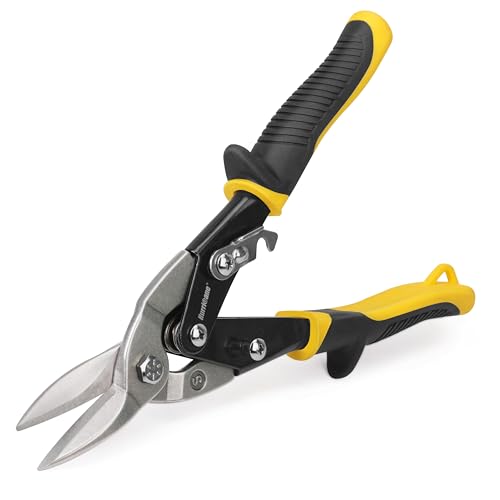 HURRICANE 10 inch Aviation Tin Snips10 Inch Regular: Straight Cut10 x 3 x 1.5 inches0.9 poundsCheck on Amazon
 KATA 10 Inch Mini Hacksaw for Metal Cutting10 Inch (3 Blades)11.4 x 2.75 x 1.18 Inches0.3 PoundsCheck on Amazon


What's inside
As an Amazon Associate I earn from qualifying purchases. This post may contain affiliate links at no extra cost to you.
Cutting metal is not one job. Cutting 2-inch square tube for a frame, slicing rebar on a site and separating sheet steel are three different problems, and using the wrong tool for any of them wastes time and consumables.
Every choice of metal cutting tool comes down to four variables that pull against each other: how clean the cut is, how fast it happens, how much mess and heat it makes, and whether the tool can physically reach the cut. No single machine wins all four. A band saw is clean and calm but will not follow a curve through 1/4-inch plate. A plasma torch will, and it will also coat the area in slag. Pick the tool that matches the constraint that actually bothers you on this job.
As an Amazon Associate we earn from qualifying purchases at no extra cost to you.


Most shops end up with two or three of these, not one. That is the correct answer, not indecision. The useful question is which one you buy first, which one you add when the first one starts to annoy you, and which one you can honestly skip.
| Tool | Cut quality | Speed | Mess | Best for |
|---|---|---|---|---|
| Portable band saw | Excellent, cold cut | Moderate | Minimal | Tube, conduit, bar |
| Abrasive chop saw | Rough, hot | Fast | Sparks everywhere | Bulk cutting stock |
| Cold-cut metal saw | Very good | Fast | Chips, no sparks | Repeat accurate cuts |
| Angle grinder + cut-off | Rough | Fast | Sparks | Anywhere access is awkward |
| Plasma cutter | Good on sheet | Very fast | Slag | Sheet and plate |
What we cover
Portable band saw: the shop favourite
Cold cutting, low noise, almost no sparks, and a clean square end that needs minimal deburring. For tube, angle, conduit and threaded rod, nothing else is as pleasant to use. It is slower than an abrasive saw but you spend the difference cleaning up.
Two things matter more than the badge on the tool. First, deep-cut or compact: a deep-cut saw swallows wider stock and is the right default for square tube and angle, while a compact saw is lighter and better in awkward spots but limited to smaller sections. Second, how well it tracks. Look for adjustable blade guides, variable speed and a stable shoe you can rest flat on the work. Cheap saws skimp on the guide bearings, and once the blade wanders your cuts bevel and blades die early. It suits anyone building frames, carts, gates and racks from tube and bar. Skip the band saw only if nearly all your work is thin sheet, where too few teeth reach the cut.
Portable band saws
Deep-cut and compact versions available. Buy spare blades — they are the consumable that determines your experience.
Abrasive chop saw: fast and filthy
Cheap, fast, and it throws a spectacular fan of hot sparks across your shop. Ideal for bulk cutting of stock where finish does not matter. Terrible near anything flammable, painted or finished.
At this price the differences are mechanical, not electronic. Slop in the pivot shows up as a bevelled cut and a wheel that binds. A vice jaw that slips under pressure is why cheap chop saw cuts come out at 88 degrees instead of 90. Check that the fence adjusts and locks for mitres, because a fence that only does square is fine until the first time you need a 45.
The mistake is buying one as your only saw because it costs the least. Every cut end will need dressing before it welds cleanly, and you will spend the evening cleaning grit off everything flat. If your shop is attached to a house, think hard about where those sparks land.
Abrasive chop saws
Cheapest way to cut a lot of steel quickly. Plan for sparks, noise and a cleanup afterwards.
Cold-cut metal saws
A carbide-toothed circular blade cutting steel at low rpm. Clean, accurate, repeatable, and the offcut is cool enough to pick up. Blades are expensive, but the cut quality on structural work is excellent.
The blade is the running cost; the machine is mostly a rigid arbour holding it steady. Judge it on rigidity and the vice, in that order — minimal deflection in the head, a clamp that holds tube without crushing it, and a 90-degree stop you can still trust after a hundred cuts. Correct low rpm matters too, because running a cold saw fast is an expensive way to strip carbide teeth.
Buy one if you cut the same part repeatedly or the cut face is visible in finished work. Skip it if you cut a few pieces a month — a replacement blade can cost as much as a whole abrasive saw, and you will never recover that in time saved.
Cold cut metal saws
For fabrication where every piece must match, this is the tool. Keep the blade clean and use cutting fluid on heavy stock.
Angle grinder with a cut-off wheel
The universal fallback. It will cut anything, anywhere, badly. Perfect for awkward access, demolition and on-site corrections. Not the tool for accurate fabrication.
If it is your only cutting tool, give it a chance: a thin 1 mm wheel cuts faster and straighter than a thick one, and a paddle switch you have to hold beats a lock-on toggle when the wheel snags. Mark your line all the way round the tube, work in stages rather than sweeping through in one pass, and let the wheel cut at its own rate. Leaning on a cut-off wheel glazes it, bends it and eventually breaks it. Every shop needs a grinder; just do not let it become your fabrication saw.
Plasma cutting
For sheet and plate, plasma is transformative — fast, follows curves, cuts thick material a saw cannot. It needs compressed air, consumables and practice, and it produces slag that needs cleaning. Worth it once your work regularly involves plate.
Before you buy, work out your real thickness range and buy for it: a machine that severs at its maximum rating cuts cleanly at roughly half that, so pick capacity above the plate you actually cut. Then check consumable availability and price, whether it will run on your air supply and whether it needs a dedicated circuit. Plasma also does not replace a saw — you will still want something to cut tube square.
How to weigh the criteria
When two tools look equally attractive, rank them against these, in this order:
- Cut accuracy you can repeat — squareness that survives a hundred cuts, not just the first one. Every degree of error becomes a gap you fill with weld.
- Capacity with room to spare — the largest section you cut regularly should sit inside the machine’s rating, not at the limit of it.
- Consumable cost and availability — blades and wheels are the real price of ownership, and an odd size you cannot buy locally is a permanent tax.
- Where the mess goes — sparks and hot chips decide whether a tool is usable in a shared garage at all.
What the money buys at each level
At the entry level you are paying for the motor and nothing else; the good picks in this band have a solid vice and a fence that locks, and the bad ones flex somewhere you cannot see until your cuts stop matching. In the middle band the money goes into rigidity, bearings and adjustability — variable speed, guides you can set, stops you can calibrate. At the top you are buying repeatability and duty cycle: the machine that still cuts square at the end of a long day. If your work is occasional, buy mid-band and spend the difference on better blades, which improves cut quality more than the next tier of machine will.
Blade and consumable rules
Consumables decide most of what you think about a tool. Match the blade to the material as well as the thickness — bimetal for general steel, finer pitch for thin wall — and break in a new band saw blade at reduced feed for the first few cuts.
- ✔ Match blade TPI to material thickness — at least three teeth in the cut
- ✔ Use cutting fluid on band saws and cold saws, it doubles blade life
- ✔ Let the tool cut at its own pace; pressure kills blades
- ✔ Deburr immediately — sharp steel edges cause most shop injuries
Safety
None of this is theoretical. The two habits that prevent most cutting injuries are checking where the offcut will fall before you finish the cut, and clearing everything behind and below the tool before you pull the trigger.
- ✘ Hot offcuts look identical to cold ones — assume everything is hot
- ✘ Sparks from abrasive cutting travel 20+ feet and start fires hours later
- ✘ Never cut galvanised steel without ventilation — zinc fumes are toxic
- ✘ Never cut a sealed container, ever
FAQ
What is the first metal saw to buy? A portable band saw. It is quiet, clean and covers most fabrication work.
Can I cut steel with a regular circular saw? With a proper metal-cutting blade and a saw rated for it, yes. Do not use a wood blade.
Is a plasma cutter worth it for a home shop? Only if you regularly cut plate or shapes. Otherwise the money goes further on a good band saw and welder.
Cordless or corded for a portable band saw? Cordless if you already own the battery platform — the runtime is adequate for fabrication work and the cable is genuinely in the way when you cut overhead or on a ladder. Corded if you cut all day in one place.
Compare metal cutting tools →