What's inside
- Quick comparison: which bottle fits your palate?
- Best overall: Spiritless Kentucky 74
- Best value for mixing: Ritual Whiskey Alternative
- Best for a balanced Old Fashioned-style drink: Monday Whiskey
- Best sweet profile: Lyre’s American Malt
- How the flavor profiles compare
- Ingredient transparency and label checks
- Serving versatility: neat, chilled, or mixed?
- Ownership realities: storage, freshness, and common mistakes
- Final buying decision
- Quick comparison: which bottle fits your palate?
- Best overall: Spiritless Kentucky 74
- Best value for mixing: Ritual Whiskey Alternative
- Best for a balanced Old Fashioned-style drink: Monday Whiskey
- Best sweet profile: Lyre’s American Malt
- How the flavor profiles compare
- Ingredient transparency and label checks
- Serving versatility: neat, chilled, or mixed?
- Ownership realities: storage, freshness, and common mistakes
- Final buying decision
As an Amazon Associate I earn from qualifying purchases. This post may contain affiliate links at no extra cost to you.
The best non alcoholic whiskey for rich flavor is Spiritless Kentucky 74 if you want the closest bourbon-style experience, while Ritual Whiskey Alternative is the better value for mixing and Lyre’s American Malt is the strongest pick for a sweeter, easy-drinking pour.
Non-alcoholic whiskey is not a single flavor category. Some bottles emphasize charred oak and vanilla, others lean into smoke, baking spice, dried fruit, or caramel sweetness. The right choice depends on whether you plan to sip it neat, build an Old Fashioned-style drink, mix with cola or ginger beer, or use it as a low-cost flavoring base.
As an Amazon Associate we earn from qualifying purchases at no extra cost to you.



What we cover
- Quick comparison: which bottle fits your palate?
- Best overall: Spiritless Kentucky 74
- Best value for mixing: Ritual Whiskey Alternative
- Best for a balanced Old Fashioned-style drink: Monday Whiskey
- Best sweet profile: Lyre’s American Malt
- How the flavor profiles compare
- Ingredient transparency and label checks
- Serving versatility: neat, chilled, or mixed?
- Ownership realities: storage, freshness, and common mistakes
- Final buying decision
Quick comparison: which bottle fits your palate?
| Product | Typical bottle size | Flavor direction | Best use | Typical price range |
|---|---|---|---|---|
| Spiritless Kentucky 74 | 750 ml | Oak, vanilla, caramel, baking spice | Neat pours and spirit-forward cocktails | $30–$40 |
| Ritual Whiskey Alternative | 750 ml | Warm spice, toasted wood, bittersweet herbs | Highball drinks and regular mixing | $25–$35 |
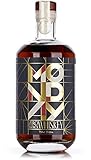
| Monday Whiskey | 750 ml | Oak, spice, vanilla, restrained sweetness | Old Fashioned-style drinks and sipping | $35–$45 |
| Lyre’s American Malt | 700 ml | Toffee, caramel, raisin, gentle oak | Sweet cocktails and cola-style serves | $25–$35 |
Prices are broad market ranges rather than fixed retail prices. Formulas, package sizes, and nutrition details can change, so check the current bottle label before buying, particularly if you need to avoid specific ingredients.
Best overall: Spiritless Kentucky 74
Spiritless Kentucky 74 is the most convincing choice when “whiskey” means bourbon-like oak, caramel, vanilla, and baking spice rather than simply a dark mixer. Its profile is structured enough for a short pour over ice, but it also has the concentrated flavor needed for an Old Fashioned-style drink.
The trade-off is price. At roughly $30–$40 for 750 ml, it costs more per serving than a bottle intended mainly for tall mixed drinks. It can also taste intense or slightly sharp when served completely neat. A large ice cube, a small splash of water, or a few dashes of bitters-style non-alcoholic flavoring can make the wood and spice notes more cohesive.
Choose it if:
- You want the richest oak-and-caramel profile.
- You usually make spirit-forward drinks.
- You are willing to pay more for a bottle that works in both sipping and mixing applications.
Best value for mixing: Ritual Whiskey Alternative
Ritual is a practical choice for households that use non-alcoholic whiskey several times a week. It brings warm spice, toasted wood, and herbal bitterness to a drink without requiring a large pour. Those flavors hold up well against ginger beer, cola, lemon, and sweet vermouth alternatives.
It is less bourbon-like than Spiritless Kentucky 74 and may seem more botanical than expected if you taste it alone. That is a feature in a highball, where a whiskey alternative needs enough bitterness and aromatic intensity to avoid disappearing under ice and a carbonated mixer.
A typical 750 ml bottle yields about 25 servings at 30 ml each. At a $30 purchase price, the base liquid costs approximately:
$30 ÷ 25 servings = $1.20 per 30 ml pour
If you use 45 ml per drink, the same bottle provides about 16 full pours, raising the liquid cost to approximately $1.88 per drink before mixers, ice, citrus, or garnishes. This makes Ritual particularly economical for tall drinks that use 30 ml rather than a large whiskey measure.
Best for a balanced Old Fashioned-style drink: Monday Whiskey
Monday Whiskey sits between a sweet malt-style profile and a strongly herbal alternative. It emphasizes oak, vanilla, and spice, with enough sweetness to make a short cocktail feel rounded. It is a good fit for drinkers who find some alcohol-free whiskeys too smoky and others too syrupy.
Use it with a non-alcoholic bitters product, a small amount of simple syrup, and orange peel. Because alcohol-free whiskey alternatives do not provide the same solvent power or mouth-coating effect as alcoholic whiskey, keep the sweetener restrained. A common mistake is adding a full traditional sugar ratio, which can make the finished drink taste like spiced syrup.
A useful starting recipe
- 45 ml Monday Whiskey
- 5 ml demerara syrup or simple syrup
- Two to three dashes of non-alcoholic bitters-style flavoring
- Stir with ice for 15–20 seconds
- Strain over one large cube and express an orange peel over the surface
Taste before adding more syrup. If the drink seems thin, additional chilling and dilution may help more than extra sweetness.
Best sweet profile: Lyre’s American Malt
Lyre’s American Malt is the most approachable pick for people who prefer toffee, caramel, raisin, and soft oak over smoke or peppery spice. It performs well in cola drinks, coffee-inspired serves, dessert cocktails, and simple pours over ice with an orange garnish.
Its 700 ml bottle is slightly smaller than the 750 ml format used by many competitors. At a 30 ml serving size, it provides about 23 servings rather than 25. That difference matters when comparing prices: a $30 700 ml bottle costs about $1.30 per serving, while a $30 750 ml bottle costs about $1.20 per serving.
Lyre’s sweeter profile can become heavy in a drink that already contains cola, maple syrup, or fruit juice. Balance it with soda water, fresh citrus, or a bitter aromatic element.
How the flavor profiles compare
| Flavor goal | What to look for on the label or tasting notes | Best match | Common mismatch |
|---|---|---|---|
| Smoky | Peat, char, campfire, smoked wood | A smoky-style alternative or a blend with smoked tea notes | Sweet malt products, which may soften the smoke too much |
| Oaky | Toasted oak, vanilla, charred barrel, tannin | Spiritless Kentucky 74 | Very light botanical alternatives |
| Spicy | Cinnamon, clove, pepper, ginger, baking spice | Ritual Whiskey Alternative or Monday Whiskey | Highly sweetened mixers |
| Sweet | Toffee, caramel, raisin, maple, malt | Lyre’s American Malt | Extra syrup and sweet soda in the same drink |
Ingredient transparency and label checks
“Non-alcoholic” does not mean every bottle is identical. Some products use natural flavors, extracts, tea, spices, glycerin, acids, sweeteners, or preservatives to create aroma and body. Review the ingredient panel for allergens, caffeine-containing botanicals, added sugar, and any statement about trace alcohol.
Do not rely only on front-label language such as “zero proof” or “alcohol-free.” Look for the stated alcohol percentage, serving information, and storage instructions. If you are avoiding alcohol for a medical, recovery, religious, or personal reason, confirm the manufacturer’s current specification directly and choose the product category that matches your needs.
Serving versatility: neat, chilled, or mixed?
- Neat: Let the bottle sit at room temperature for a few minutes, then taste 30 ml. Add a teaspoon of water if the spice feels too concentrated.
- Over ice: Use one large cube rather than several small cubes. It chills the drink while slowing dilution.
- Highball: Combine 30–45 ml of whiskey alternative with 120–150 ml of ginger beer, cola, or sparkling water. Citrus helps brighten darker flavors.
- Short cocktail: Use 45 ml of the alternative, modest sweetener, and a bitter or citrus accent. Stir rather than shake unless the recipe includes juice.
- Food use: Add a small amount to a glaze or sauce after tasting. Heat can concentrate sweetness and spice, so begin with 15 ml.
Ownership realities: storage, freshness, and common mistakes
Once opened, these products generally benefit from refrigeration if the label recommends it, especially when they contain natural extracts or little sugar. Keep the cap clean, close it promptly, and avoid storing the bottle in direct sunlight or beside a hot appliance. Flavor can become flatter or more concentrated over time, even when the liquid remains usable.
The first thing most owners notice is not equipment failure but declining aroma. A loose cap, repeated warm storage, and pouring over wet or dirty ice can make a bottle seem dull. Use clean glassware and fresh ice. Do not pour unused drink back into the bottle, since citrus pulp, syrup, and dilution can affect its shelf life.
Final buying decision
Choose Spiritless Kentucky 74 for the richest oak-led experience, Ritual Whiskey Alternative for value and versatile highballs, Monday Whiskey for balanced Old Fashioned-style drinks, and Lyre’s American Malt for a softer, sweeter profile. For the best value per serving, compare bottle volume and your usual pour size rather than comparing shelf prices alone.