
What's inside
- Quick Comparison
- 1. Everlast PowerTIG 200DV
- 2. YESWELDER TIG-205DS
- 3. Lincoln Electric Square Wave TIG 200
- 4. AHP AlphaTIG 200X
- 5. Hobart EZ-TIG 165i
- 6. PrimeWeld TIG225X
- How to Choose a TIG Welder
- Gear and Practice Tips
- Budget and Total Cost of Ownership
- Shop Setup and Safety Notes
- Common Mistakes
- Frequently Asked Questions
- Conclusion
As an Amazon Associate I earn from qualifying purchases. This post may contain affiliate links at no extra cost to you.
The best TIG welder for a beginner who wants to weld both steel and aluminum is an AC/DC machine with foot pedal control and clear settings. DC-only units can handle steel and stainless but cannot weld aluminum. TIG takes patience, so pick a machine that is forgiving and has good documentation.
These picks are based on specifications and reviewer feedback, not our own welding tests. Check electrical requirements before ordering.
What we cover
- Quick Comparison
- 1. Everlast PowerTIG 200DV
- 2. YESWELDER TIG-205DS
- 3. Lincoln Electric Square Wave TIG 200
- 4. AHP AlphaTIG 200X
- 5. Hobart EZ-TIG 165i
- 6. PrimeWeld TIG225X
- How to Choose a TIG Welder
- Gear and Practice Tips
- Budget and Total Cost of Ownership
- Shop Setup and Safety Notes
- Common Mistakes
- Frequently Asked Questions
- Conclusion
Our Top Picks


Quick Comparison
| Pick | Best for | Key feature |
|---|---|---|
| Everlast PowerTIG 200DV | Home shops wanting dual voltage | AC/DC output with pulse and flexible input |
| YESWELDER TIG-205DS | Budget AC/DC and stick | TIG and stick in one machine |
| Lincoln Electric Square Wave TIG 200 | Brand reliability and support | AC/DC with a strong reputation |
| AHP AlphaTIG 200X | Multi-process flexibility | TIG, stick and pulse functions |
| Hobart EZ-TIG 165i | Steel and light-duty DC work | Straightforward DC TIG |
| PrimeWeld TIG225X | Higher-amp capability on a budget | AC/DC with wide controls |
1. Everlast PowerTIG 200DV
The Everlast PowerTIG 200DV is a popular AC/DC machine for home shops that want to weld aluminum. It offers dual-voltage input and pulse features that let you refine your work. Reviewers praise the feature set for the money, but the manual and setup can be daunting for beginners, and support quality varies by experience. It suits motivated learners. Compare it with the Lincoln if you want a more established service network.
2. YESWELDER TIG-205DS
The YESWELDER TIG-205DS combines TIG capability with stick welding, giving a hobbyist more flexibility on a modest budget. Buyers like the price-to-feature ratio, while some mention a steeper learning curve and the need to buy accessories such as a pedal or torch upgrades. It suits hobbyists who want to experiment. Compare it with the PrimeWeld for similar value, and read about included accessories.
3. Lincoln Electric Square Wave TIG 200
The Lincoln Electric Square Wave TIG 200 is a machine from a brand known for dependable welding equipment and wide service support. It offers AC/DC output suited to aluminum and steel. It generally costs more than imported options, and it may offer fewer extras for the price. It suits buyers who value brand support and resale. Compare it with the Everlast for features per dollar.
4. AHP AlphaTIG 200X
The AHP AlphaTIG 200X is built as a multi-process machine with TIG and stick capabilities and pulse options. Reviewers like the versatility and approachable price. Documentation and settings can feel complex for a first welder, and you may want practice material before key projects. It suits people who want a single machine for several jobs. Compare it with the YESWELDER for a similar approach.
5. Hobart EZ-TIG 165i
The Hobart EZ-TIG 165i is a simpler DC TIG option for steel and stainless in a home garage. It is straightforward to set up, which helps beginners learn fundamentals. The key limit is that it does not weld aluminum, so check your projects before choosing it. It suits those focused on steel fabrication. Compare it with the AC/DC options if aluminum may be in your future.
6. PrimeWeld TIG225X
The PrimeWeld TIG225X offers higher amperage capacity with AC/DC output at a value-oriented price. That makes it appealing to hobbyists who sometimes work thicker material. Reviewers mention good feature depth, though the machine can be heavy and quality control varies. It suits garages with the proper power supply. Compare it with the Everlast, and verify circuit requirements before you buy.
How to Choose a TIG Welder
First, decide on materials. If you plan to weld aluminum, you need AC output. If you only weld steel, stainless, or chromoly, DC-only machines are simpler and cheaper.
Next, check the amperage you need. Thin sheet metal needs low-amp control and a stable arc. Thicker material needs more output. A 200-amp class machine suits most home projects.
Then consider controls. A foot pedal gives smooth heat control and makes learning easier. Pulse, balance and frequency controls help with aluminum but add complexity.
Finally, confirm your power supply. Many machines accept 120 or 240 volts, but performance changes with input. Make sure your outlet and breaker meet requirements, and consider an electrician if unsure.
Gear and Practice Tips
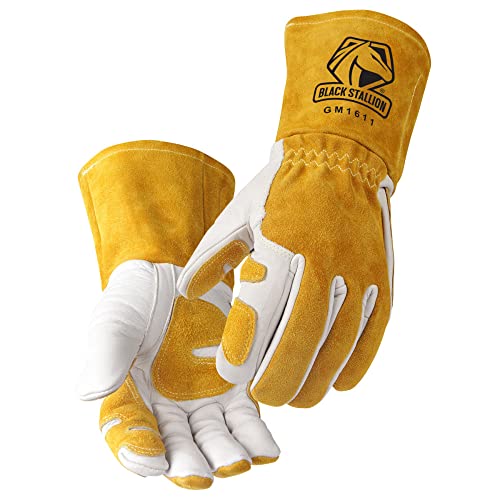
You will need a gas cylinder with argon, a regulator, tungsten electrodes, filler rods, an auto-darkening helmet suited to low amps, gloves, and clean material. TIG punishes dirt, so clean aluminum with a dedicated stainless brush and solvent before welding. Practice on scrap with simple beads and corner joints before moving to real projects, and keep a log of settings that work.
Budget and Total Cost of Ownership
The welder itself is only part of the spend. Plan for an argon cylinder or rental, a regulator and flowmeter, a quality torch and consumables, tungsten electrodes, filler rods, a helmet, gloves, and cleaning supplies. Some bundles include a pedal and torch, while others do not, so compare what is actually in the box when you evaluate machines.
Think about warranty and support as well. Imported machines may offer more features for the money, but support experiences vary. Read how the seller handles returns and repairs. If you do not have a dedicated 240-volt circuit, factor in the cost of installing one or choose a dual-voltage model and understand its limits at 120 volts.
Shop Setup and Safety Notes
TIG welding is quieter and cleaner than many processes, but it still carries real hazards.
- Wear an auto-darkening helmet rated for low-amp arcs.
- Use dry leather gloves and flame-resistant clothing.
- Ventilate the area, especially when cleaning metal with solvents.
- Secure gas cylinders upright with a chain or stand.
- Keep a fire extinguisher nearby and clear flammables from the area.
- Inspect cables and the torch for damage before each session.
Start with short practice sessions on clean scrap steel before moving to aluminum. Consistency comes from repetition, so keep notes on amperage, tungsten size and gas flow for each joint type you practice.
Common Mistakes
- Buying DC-only then needing aluminum. You cannot upgrade AC later.
- Skipping surface prep. Contaminated metal ruins welds.
- Ignoring power needs. Undersized circuits cause tripped breakers.
- Using the wrong tungsten prep. Poor grinding hurts arc stability.
- Rushing practice. TIG needs steady hands and time.
Frequently Asked Questions
Is TIG harder than MIG for beginners?
Generally yes, because you manage torch, filler and pedal at once. It rewards patience with clean results.
Can I weld aluminum with a DC TIG welder?
No. Aluminum requires AC output.
What shielding gas does TIG use?
Typically pure argon for steel and aluminum, though some work uses mixes.
Do I need a foot pedal?
It is strongly recommended for learning, as it gives smooth amperage control.
Consider joining a local welding class or community shop before buying. Time under a knowledgeable instructor helps you learn torch angle, travel speed and filler technique much faster than practicing alone, and it lets you try different machines before you commit to one.
Keep realistic expectations for your first months. TIG rewards slow, deliberate practice, and your early welds will look rough while you learn to coordinate your hands and foot. Focus on a steady arc length, consistent travel speed, and clean material, and the quality of your beads will improve noticeably with each session.
Conclusion
The Everlast and PrimeWeld offer strong feature sets, the Lincoln offers brand support, and the Hobart is a simple option for steel. Decide on aluminum first, verify power needs, and plan time for practice.
As an Amazon Associate we earn from qualifying purchases.
Related guides
More from Amazon
Programs that pair well with the guide above. Offers and eligibility are set by Amazon and may change.
A free business account with business pricing and bulk-buying tools for work, shop or home office.
Create a business accountFree shipping on eligible items, Prime Video and more. Eligible new members can start with a free trial.
Start a Prime free trialAudiobooks and podcasts to listen to on the go. Eligible new members can start with a free trial.
Try Audible freeAd-free music streaming. Eligible new subscribers can start with a free trial.
Try Music Unlimited freeAs an Amazon Associate we earn from qualifying purchases.






Write Your Review
No reviews yet. Be the first to share your experience!