
Our Short List of 3
All 4 Picks at a Glance
| Product | Specs | Action |
|---|---|---|
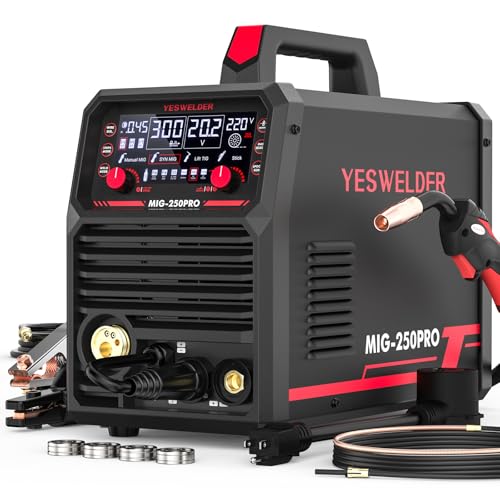 YESWELDER MIG-250 PRO | Check price on Amazon | |
 YESWELDER MIG-205DS PRO | Check price on Amazon | |
 ARCCAPTAIN MIG200 | Check price on Amazon | |
 Weldpro Omni 210 | Check price on Amazon |
Our Top Picks
- ARCCAPTAIN 200A MIG Welder 110V 220V 6 in20.9" x 8.5" x 16.1"3.5 x 2.4 x 2.8 inches0.9 poundsCheck on Amazon
What's inside
As an Amazon Associate I earn from qualifying purchases. This post may contain affiliate links at no extra cost to you.
A multi process welder puts MIG, TIG, and stick welding in a single power source, so one machine can handle a trailer repair in the morning, a gate frame after lunch, and a stainless bracket in the evening. That flexibility is why this class has become the default choice for home shops, farms, and small fabrication businesses that cannot justify a separate machine for every process. The badge on the front panel, however, says little about how the machine behaves on household power, or what extra torches a buyer still needs to add.
This guide compares five multi process welders on the decisions that matter in this class: maximum output, dual voltage input, the type of TIG offered, spool gun support for aluminum MIG work, and how settings are controlled. Every model below is a genuine MIG, TIG, and stick machine. One offers AC TIG for aluminum, one leans on pulsed MIG, and the others focus on synergic or manual MIG control.
As an Amazon Associate, we earn from qualifying purchases.
What we cover
How to Choose a Multi Process Welder
Start with output. A machine rated around 200 amps handles the bulk of home and light fabrication work, including angle iron, tubing, brackets, and repair stock, while a 250 amp model adds headroom for thicker sections and longer runs. A welder that reaches its top rating only on a higher voltage circuit behaves very differently on a household outlet, so input rating matters as much as headline amperage.
Dual voltage input is the second decision. Machines that run on both lower and higher voltage supplies can start work wherever an ordinary outlet is available, then move to a dedicated shop circuit when thicker material calls for full output. That flexibility suits garages, barns, and mobile repair work especially well.
Next, look closely at the TIG mode, where these machines differ most. Most models here offer DC lift TIG only, which suits steel and stainless steel but provides no cleaning action for AC TIG welding on aluminum. Only the Weldpro Omni 210 adds AC and DC TIG, making it the natural choice for regular aluminum TIG work. On the other models, aluminum is handled through MIG welding with a spool gun instead.
Spool gun support deserves its own check. Aluminum wire is soft and tends to bird-nest when pushed through a long standard MIG liner, so a spool gun carrying a small spool at the torch is the usual solution. Several machines here are spool gun compatible, but the gun itself is usually sold separately, and the same is often true of the lift TIG torch. Compare the complete working setup, not just the power source in the box.
Controls are the final filter. Synergic MIG systems match wire feed speed and voltage together, with a limited fine-tuning range on top, which shortens setup and helps newer welders reach a stable arc quickly. Manual control gives experienced users direct command of each parameter. Pulsed MIG can reduce heat input on thin sheet and aluminum, while spot modes help with repeat tack work.
YESWELDER MIG-250 PRO
The YESWELDER MIG-250 PRO is the highest output machine in this guide, rated at 250 amps, and it builds its case on process breadth. Its six modes cover MIG, pulsed MIG, flux core, spool gun MIG, lift TIG, and stick welding, so a single unit can move from gas shielded steel work to outdoor flux core repairs and then to DC TIG on stainless without changing power sources. Pulsed MIG is the feature that separates it from simpler models, because pulsing the current helps control heat on thinner material and on aluminum MIG work.
The listing specifies dual voltage input at 110 volts and 220 volts, a digital display, and automatic voltage fluctuation compensation with over-current, over-load, and over-heating protection. It supports solid and stainless wire in .023 inch, .030 inch, and .035 inch sizes, plus flux core wire in the same sizes, while spool gun MIG covers .035 inch and .045 inch aluminum wire. The lift TIG torch and spool gun are additional purchases.
Who It Suits
This model suits buyers who want the most output and the widest process list in this group, especially shops that mix thicker fabrication with occasional thin sheet work where pulsed MIG earns its place. It is a strong fit for a fixed garage or small workshop that handles varied materials week to week. Buyers who mainly weld light material on household power, or who want AC TIG for aluminum, will find a better match elsewhere in this guide.
YESWELDER MIG-205DS PRO
The YESWELDER MIG-205DS PRO takes a slightly different route, pairing a 200 amp output with a five mode process list and a strong emphasis on guided MIG setup. It covers gas MIG, flux core MIG, spool gun MIG, lift TIG, and stick welding. In synergic MIG mode the machine matches voltage to a recommended value as wire feed speed changes, and the operator can fine-tune that voltage within a small range above or below the recommendation. A full manual MIG mode remains available for users who prefer to set each parameter directly.
According to the listing, wire feed speed adjusts from 58 inches per minute to 858 inches per minute, and the feeder handles both 2 pound and 10 pound rolls of wire. A digital display presents the settings, and the package includes a gas hose, graphene liner, drive rollers, ground clamp, electrode holder, and MIG torch. As with its larger sibling, the lift TIG torch and spool gun are separate purchases.
Who It Suits
The MIG-205DS PRO suits home shops and newer welders who want guided setup without giving up manual control later. The synergic system shortens the learning curve on MIG work, while the 10 pound spool capacity and dual voltage input keep it practical for regular project use. It also suits buyers who expect to add a spool gun for aluminum MIG work over time. Anyone who needs AC TIG, or output above 200 amps for sustained heavy sections, should look at the other models here.
ARCCAPTAIN MIG200
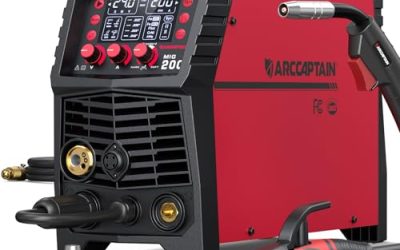
The ARCCAPTAIN MIG200 is a 200 amp, six mode machine built around a clear LED digital display and a set of small control touches that matter in daily use. Its modes are gas MIG, gasless flux core MIG, stick, lift TIG, spot welding, and spool gun MIG. Spot mode is uncommon at this level and helps with repeatable tack work on sheet and light assemblies, while burn back adjustment lets the operator control how far the wire burns back toward the contact tip at the end of a weld, which affects how cleanly the next start goes.
The listing describes synergic control, dual voltage input at 110 volts and 220 volts, and compatibility with an optional spool gun, with the TIG torch and spool gun sold separately. That makes the MIG200 a flexible general purpose unit: gas MIG for cleaner indoor beads, flux core for outdoor work where wind would disturb shielding gas, stick for dirty or painted repair stock, and lift TIG for controlled DC work on steel and stainless.
Who It Suits
The MIG200 suits general repair and fabrication users who value process variety and simple, visible controls over maximum output. Spot welding support makes it appealing for auto body and sheet metal projects built from many short, repeated welds. It is also a sensible pick for a household garage that runs the machine on ordinary outlets for light work and on a higher voltage circuit for heavier jobs. Buyers focused on aluminum TIG, or on pulsed MIG programs, should compare the Weldpro and YESWELDER 250 amp models before deciding.
Lincoln Electric Power MIG 210 MP
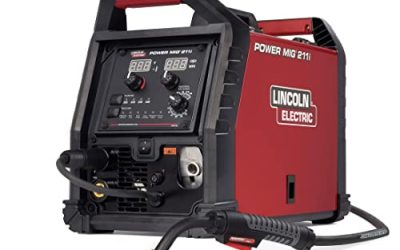
The Lincoln Electric Power MIG 210 MP, model K3963-1, represents the established name brand approach in this guide: a multi process machine designed for the hobbyist and contractor who wants MIG, stick, TIG, and flux core welding from one unit, with a control scheme built around selecting the material and thickness and letting the machine propose sound starting settings. That guided setup philosophy has made the 210 MP a common first serious welder in home shops, because it reduces the guesswork that slows down occasional users who weld in bursts rather than every day.
The machine runs on dual voltage input, and its process list spans gas MIG, flux cored wire, DC stick, and DC TIG. As with the other DC only TIG machines here, aluminum work is a MIG and spool gun conversation rather than a TIG one, so buyers should confirm which accessories a listing includes. What the Lincoln offers instead is a mature, widely supported platform, with consumables, drive rolls, and service information that stay easy to find years after purchase.
Specs
| Spec | Detail |
|---|---|
| Brand and model | Lincoln Electric Power MIG 210 MP, K3963-1 |
| Processes | MIG, flux core, DC TIG, stick |
| Input voltage | Dual voltage, household and shop circuits |
| TIG type | DC TIG |
| Intended users listed | Hobbyist and contractor |
| Setup style | Guided settings by material and thickness |
| ASIN | B00OGW47Q6 |
Who It Suits
The Power MIG 210 MP suits buyers who put long term support, a familiar control approach, and a proven model line ahead of the longest feature list. It fits home shops, farm repair, and light contractor work where MIG does most of the work and stick and DC TIG cover the rest. Buyers who want pulsed MIG, spot modes, or AC TIG for aluminum will be better served by the YESWELDER MIG-250 PRO or the Weldpro Omni 210, and buyers comparing complete accessory packages should check exactly what each listing bundles.
Weldpro Omni 210
The Weldpro Omni 210 stands apart in this guide for one decisive reason: it is the only model here with AC and DC TIG. Its six mode list covers MIG, stick, AC and DC TIG, spool gun MIG, and flux core welding, and the TIG side includes high frequency starting options alongside the lift start found on the other machines. For aluminum, that combination changes the conversation completely, because AC TIG provides the oxide cleaning action and puddle control that DC lift TIG cannot, while the spool gun route remains available for faster aluminum MIG work on thicker sections.
The listing gives an adjustable output of up to 200 amps for both MIG and TIG, dual voltage operation at 110 volts and 220 volts, and a wire spool capacity of 12 pounds, larger than the other machines here, which reduces roll changes on longer MIG jobs. Listed accessories include a 10 foot MIG torch and a TIG trigger switch, and the machine carries over-current, over-load, and high temperature protection. Advanced TIG controls include adjustable post flow, which helps shield a finished bead while it cools. This is the most TIG focused machine in the group, and also the largest.
Who It Suits
The Omni 210 suits buyers whose project list includes regular aluminum TIG work, such as marine repairs, motorsport fabrication, and custom parts, and who do not want a second dedicated TIG machine to get it. It also suits TIG learners who want room to grow into pulse and balance style controls on AC work. Buyers who never plan to TIG weld aluminum, weld mostly MIG in a small garage, or need a light machine to carry between sites will get better value from the more compact models above.
Frequently Asked Questions
Can a multi process welder weld aluminum?
Yes, but the method depends on the machine. Aluminum can be MIG welded with a spool gun on every model in this guide that supports one, which works well for thicker sections and longer seams. Aluminum TIG welding needs AC current, and in this group only the Weldpro Omni 210 offers AC TIG. The other machines provide DC TIG, which suits steel and stainless steel but not aluminum, so the intended aluminum work should drive the choice.
Is dual voltage worth it on a multi process welder?
For most home and small shop buyers, yes. Dual voltage means the machine can run lighter work from a standard household outlet and still use a higher voltage shop circuit when full output is needed for thicker material. That helps in rented spaces, barns, and garages where wiring upgrades are not practical.
What else needs to be bought besides the welder itself?
Plan for the accessories that the chosen processes require. On several models here the lift TIG torch and the spool gun are sold separately, and shielding gas, a regulator setup where one is not included, wire or electrodes, and basic safety gear such as a helmet and gloves are all part of a working setup. Checking the exact contents of a listing before ordering avoids the common surprise of owning a capable power source that cannot yet run the process it was bought for.
How much output does a home shop actually need?
A rating around 200 amps covers the great majority of home fabrication and repair work, including tubing, angle, plate brackets, and general equipment repairs, especially when joints are prepared well and thicker sections are welded in more than one pass where appropriate. A 250 amp machine such as the YESWELDER MIG-250 PRO adds headroom for heavier sections and longer runs. Thin sheet work depends more on low end control, pulse options, and stable wire feeding than on maximum output, so body and sheet metal users should weigh those features first.
Final Verdict
There is no single winner here, because the five machines trade off differently for different kinds of work. The YESWELDER MIG-250 PRO is the pick for maximum output and process breadth, with pulsed MIG adding control on thin material. The YESWELDER MIG-205DS PRO is the easiest MIG learning platform here, thanks to its synergic setup and generous wire feed range. The ARCCAPTAIN MIG200 is the flexible all-rounder, adding spot welding and burn back adjustment to a clear, simple control layout.
The Lincoln Electric Power MIG 210 MP is the choice for buyers who value a mature, widely supported name brand machine with guided setup for mixed hobby and contractor work. The Weldpro Omni 210 is the specialist, and the only model in this guide to choose when AC TIG welding on aluminum is a firm requirement rather than a someday idea. Match the machine to the process that will be used most often, confirm which torches and accessories the listing includes, and any of these five will give a shop one capable power source instead of three separate ones.
Product and ASIN Reference
| Product | ASIN |
|---|---|
| YESWELDER MIG-250 PRO | B08CBCB4M5 |
| YESWELDER MIG-205DS PRO | B07TVCWDGW |
| ARCCAPTAIN MIG200 | B0B1TGZ8XN |
| Lincoln Electric Power MIG 210 MP | B00OGW47Q6 |
| Weldpro Omni 210 | B0B57VSMN2 |
Related guides
More from Amazon
Programs that pair well with the guide above. Offers and eligibility are set by Amazon and may change.
A free business account with business pricing and bulk-buying tools for work, shop or home office.
Create a business accountFree shipping on eligible items, Prime Video and more. Eligible new members can start with a free trial.
Start a Prime free trialAudiobooks and podcasts to listen to on the go. Eligible new members can start with a free trial.
Try Audible freeAd-free music streaming. Eligible new subscribers can start with a free trial.
Try Music Unlimited freeAs an Amazon Associate we earn from qualifying purchases.
Write Your Review
No reviews yet. Be the first to share your experience!