What's inside
As an Amazon Associate I earn from qualifying purchases. This post may contain affiliate links at no extra cost to you.
What cocktails can I make with these ingredients? Match one base spirit with one sour, sweetener, mixer, or garnish and you can make reliable drinks without buying a full bar.
The quickest way to choose is to identify what you already have, then use the closest recipe family. Vodka works well with fruit juice and sparkling mixers; gin needs something citrusy, herbal, or bitter; rum pairs with lime, tropical juice, and sugar; whiskey suits bitters, citrus, and ginger; tequila works especially well with lime, grapefruit, and orange.
As an Amazon Associate we earn from qualifying purchases at no extra cost to you.

What we cover
Start with the ingredients you have
| Available ingredient | Best cocktail direction | Basic ratio | Useful substitutions |
|---|---|---|---|
| Vodka | Clean, fruit-forward, or fizzy drinks | 50 ml spirit : 100–150 ml mixer | Gin for more herbal flavor; white rum for a softer, sweeter drink |
| Gin | Citrus, tonic, cucumber, or bitter aperitif | 50 ml spirit : 20–25 ml citrus : 15–20 ml sweetener | Vodka for a milder drink; dry vermouth for part of the mixer |
| Whiskey | Stirred, spirit-forward, or ginger-based drinks | 50 ml spirit : 10 ml sweetener : 2–3 dashes bitters | Bourbon for a sweeter profile; rye for a spicier one |
| White rum | Lime, mint, cola, or tropical juice | 50 ml spirit : 25 ml lime : 15–20 ml sweetener | Vodka in a fruit drink; aged rum for a deeper flavor |
| Tequila | Lime, grapefruit, orange, or chili | 50 ml spirit : 25 ml lime : 20 ml orange liqueur | Mezcal for smoke; vodka for a neutral alternative |
Easy cocktails using common spirits and mixers
Gin and tonic
Combine 50 ml gin with 100–150 ml chilled tonic water over ice. Add a lime wedge, lemon peel, cucumber slice, or a few berries. Use the lower amount of tonic for a stronger drink and the higher amount for a lighter one.
If you have no tonic, use soda water plus 10–15 ml lemon juice and 10 ml simple syrup. This will not taste identical because tonic contributes bitterness, but it produces a balanced long drink.
Whiskey highball
Pour 50 ml whiskey over a tall glass filled with ice and add 100–150 ml ginger ale or soda water. A lemon peel adds aroma. Ginger ale makes the drink sweeter; soda water keeps the whiskey more prominent.
For a sharper version, use 100 ml ginger beer and 10–15 ml lime juice. Reduce the ginger beer if it is particularly sweet or spicy.
Rum and cola
Use 50 ml rum, 10–15 ml lime juice, and 100–150 ml cola. White rum gives a clean result, while aged rum adds caramel and oak notes. The lime is important: without it, the drink can taste flat and overly sweet.
Vodka cranberry-style cooler
Mix 50 ml vodka, 100 ml cranberry juice, 15 ml lime juice, and 50 ml soda water. If your cranberry juice is unsweetened, add 10–15 ml simple syrup. If it is a sweet juice drink, omit the syrup.
Tequila grapefruit cooler
Combine 50 ml tequila, 100 ml grapefruit soda, 15 ml lime juice, and a pinch of salt. Pour over ice and stir. With fresh grapefruit juice instead of soda, add 50–75 ml soda water and 10–15 ml agave syrup.
Three dependable cocktail formulas
When you do not have a named recipe in mind, these formulas help you build one from what is available.
The sour formula
Use two parts spirit, one part citrus, and three-quarters of a part sweetener. In practical measurements, that is:
- 50 ml spirit
- 25 ml lemon or lime juice
- 15–20 ml simple syrup, honey syrup, or agave syrup
Shake with ice and strain over fresh ice. This works with whiskey, gin, rum, tequila, and vodka. Lemon is generally softer with whiskey and gin, while lime suits rum and tequila.
The highball formula
Use one part spirit and two to three parts carbonated mixer. Try 50 ml spirit with 100–150 ml tonic, ginger ale, ginger beer, cola, lemonade, or soda water.
Highballs are the best option when you want a lower-intensity drink or need to stretch a small amount of liquor. Add citrus juice in 10–15 ml increments so the drink does not become watery or sour.
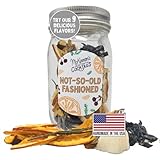
The old-fashioned-style formula
Use 50 ml whiskey or aged rum, 5–10 ml sugar syrup, and two or three dashes of aromatic bitters. Stir with ice for about 20–30 seconds, then strain over one large cube or fresh ice. Add an orange peel if available.
No bitters? Use 5–10 ml of a bitter aperitif, a small amount of strong brewed tea, or simply omit the bitters and add an orange peel. These substitutions change the drink but preserve some complexity.
Sweetener substitutions and ratios
| Sweetener | Starting amount for 50 ml spirit | Best use | Adjustment |
|---|---|---|---|
| 1:1 simple syrup | 15 ml | Most shaken cocktails | Add 5 ml for a sweeter drink |
| 2:1 rich syrup | 10 ml | Whiskey and stirred cocktails | Use 15 ml if the drink is very tart |
| Honey syrup | 15 ml | Gin, whiskey, and lemon drinks | Thin honey with equal parts warm water before measuring |
| Agave syrup | 10–15 ml | Tequila and lime drinks | Start low because it is concentrated and sweet |
| Granulated sugar | 2 teaspoons | Quick drinks without prepared syrup | Dissolve with citrus or a small splash of warm water |
A practical substitution rule is to replace 15 ml of simple syrup with about 10 ml of rich syrup or agave. For honey, use a diluted honey syrup rather than thick honey, which may sink and remain unevenly distributed.
How to balance a drink before serving
- Chill and dilute first. Shake shaken drinks with plenty of ice for 10–15 seconds. Stir spirit-forward drinks for 20–30 seconds.
- Taste a small sample. Pour a teaspoon into a glass or taste from the mixing vessel if it is clean and suitable for doing so.
- Correct sweetness. Add syrup in 5 ml increments. Too much syrup is difficult to reverse.
- Correct acidity. Add 5 ml citrus juice if the drink tastes heavy or sugary.
- Correct strength. Add 25–50 ml mixer or a little more ice if the alcohol dominates.
- Finish with aroma. Express an orange or lemon peel over the surface, or add a mint sprig, cucumber slice, or berry garnish.
For a simple worked example, start with 50 ml bourbon, 25 ml lemon juice, and 15 ml honey syrup. If the result is too sharp, add 5 ml honey syrup, producing a total of 20 ml. If it is still too strong, add 50 ml soda water rather than more sweetener; this lowers intensity without making the drink cloying.
Choosing the best method for your situation
| Your situation | Best drink type | Why it fits |
|---|---|---|
| Only one spirit and one soft drink | Highball | Needs no special equipment and tolerates approximate measurements |
| Fresh lemons or limes available | Sour | Citrus creates balance even with a limited pantry |
| Strong, unsweetened drink preferred | Old-fashioned-style cocktail | Uses a small amount of syrup and no large mixer |
| Sweet juice or soda already open | Spirit-and-juice cooler | Acidity and dilution can be adjusted gradually |
| No shaker or mixing glass | Build-over-ice drink | A clean jar, bottle, or sturdy glass can mix a simple cocktail |
Garnishes that make a practical difference
Garnishes are not only decoration. Citrus peel contributes fragrant oils, mint adds a fresh aroma, and salt can make grapefruit and tequila taste brighter. Match the garnish to the main flavor: orange with whiskey or aged rum, lemon with gin, lime with rum or tequila, and cucumber with gin and soda.
Keep garnishes dry and chilled when possible. Cut citrus shortly before serving, and discard bruised mint or wilted herbs rather than adding them to the glass. Avoid overcrowding a drink with several competing garnishes.
Common mistakes to avoid
- Using warm mixers, which melt ice quickly and dilute the drink unevenly.
- Adding syrup before considering how sweet the juice or soda already is.
- Using too little ice; a full glass chills more effectively than a few cubes.
- Shaking carbonated mixers, which can create pressure and overflow. Add soda, tonic, or ginger beer after shaking.
- Replacing citrus with bottled sweet-and-sour mix without reducing the added sugar.
- Assuming every spirit needs the same ratio. Begin with the measurements above, then adjust in small increments.
For most home bars, the most versatile starting combination is one bottle of a preferred spirit, fresh lemons or limes, simple syrup, soda water, and one flavorful mixer such as tonic, ginger beer, or cola. Those ingredients cover highballs, sours, coolers, and several spirit-forward variations without requiring specialized equipment.