How to Choose Plasma Cutter Amperage for Steel, Stainless, and Aluminum
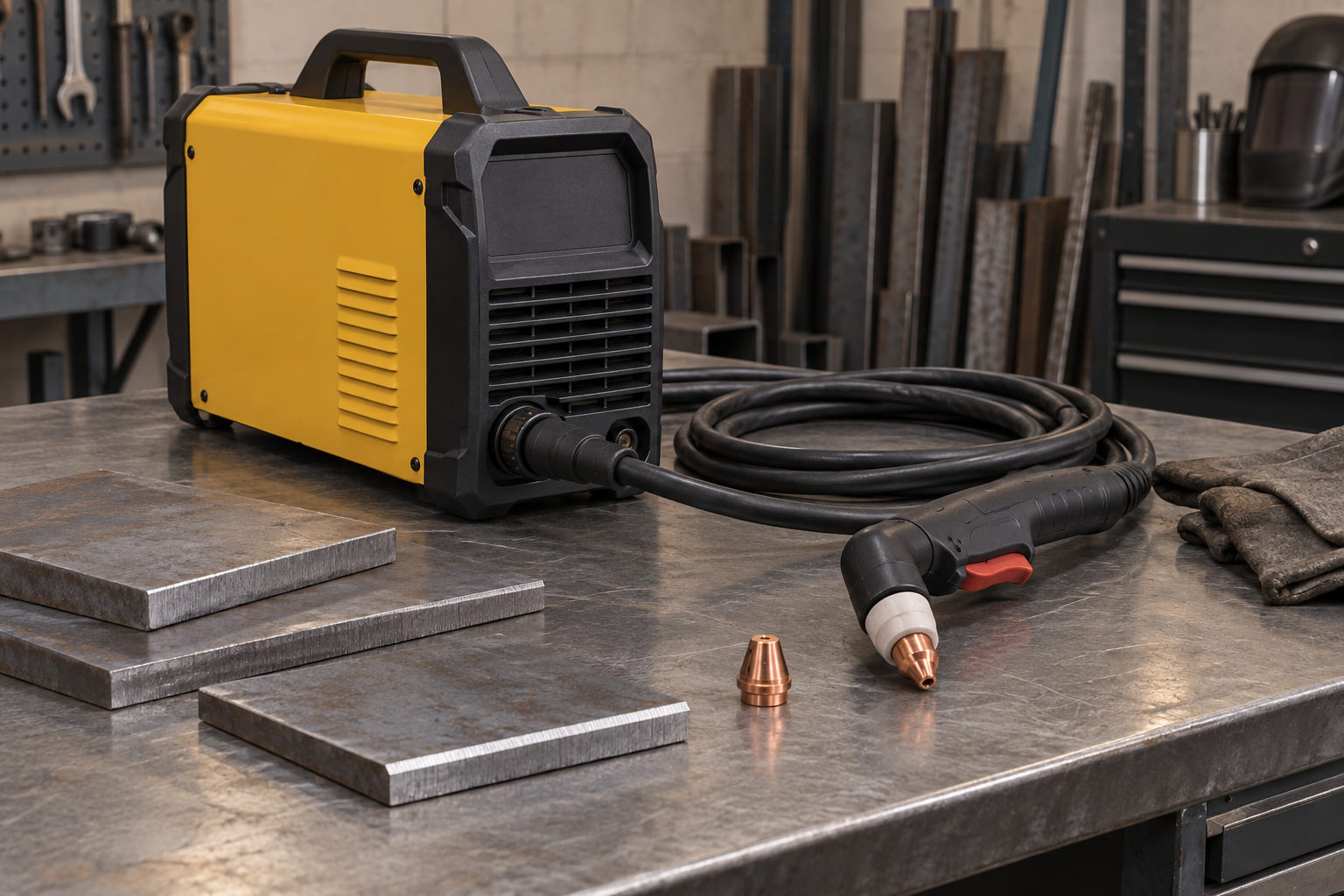
Choosing a plasma cutter by its maximum amperage alone is a common way to buy the wrong machine. Amperage affects how quickly and cleanly a cutter can sever metal, but…
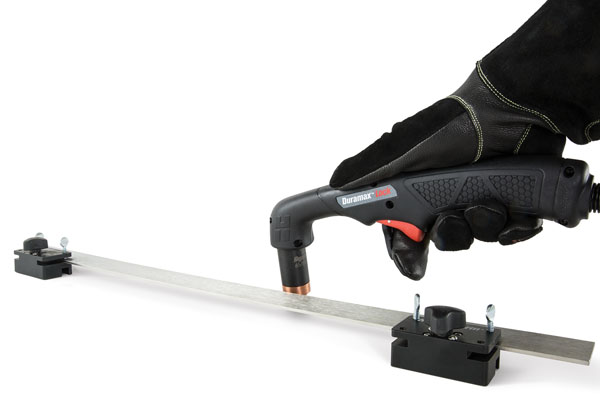
What a cutting guide does A plasma cutter can make a straight cut freehand, but keeping a torch square to the plate and holding a consistent line takes practice. A…
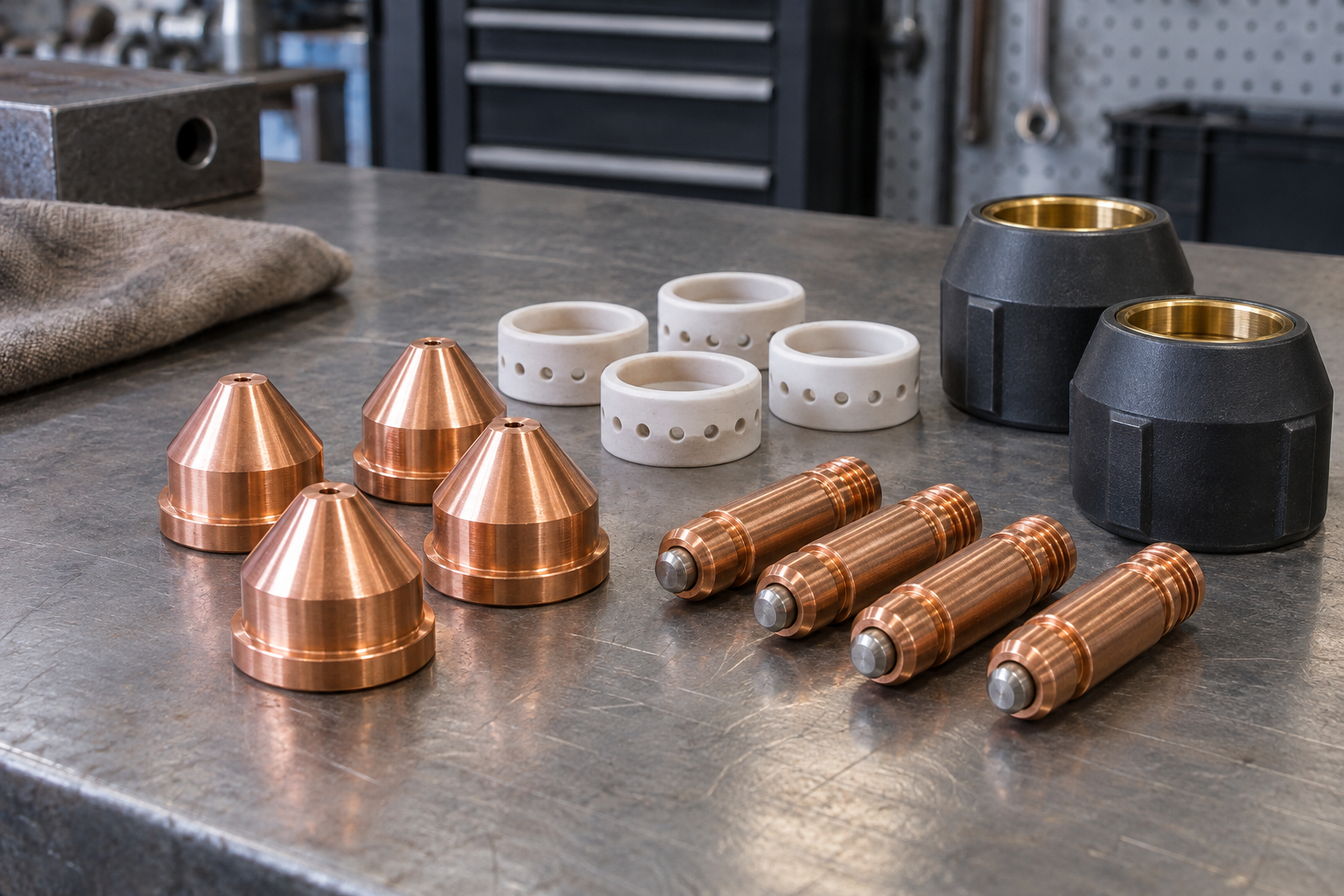
Electrodes and nozzles wear out. The useful buying question is whether a consumable suits your torch, cutting current and air supply—and whether it is wearing out for normal reasons or…
What longer leads change A longer plasma torch lead lets you keep the power source in a safer or more convenient spot while cutting a large sheet, a trailer frame,…
What a built-in compressor does—and doesn’t A plasma cutter with a built-in air compressor is meant to simplify mobile cutting: you bring the machine and a power source, rather than…
Expanded metal is awkward to plasma-cut because the torch repeatedly crosses open spaces and thin strands. A standard drag cut can sputter or stop when the arc loses the work.…
What matters when cutting thin stainless Thin stainless steel is easy to distort and easy to damage with excessive heat. A plasma cutter can make fast cuts, but a high-amp…
Choosing a portable plasma cutter For repair work, a plasma cutter has to do more than make a clean cut in a shop demo. It needs to start reliably on…
What “1/2-inch capacity” really means For a fabrication shop, a cutter that can sever 1/2-inch steel is not necessarily a cutter that will make clean, production-ready cuts through it all…
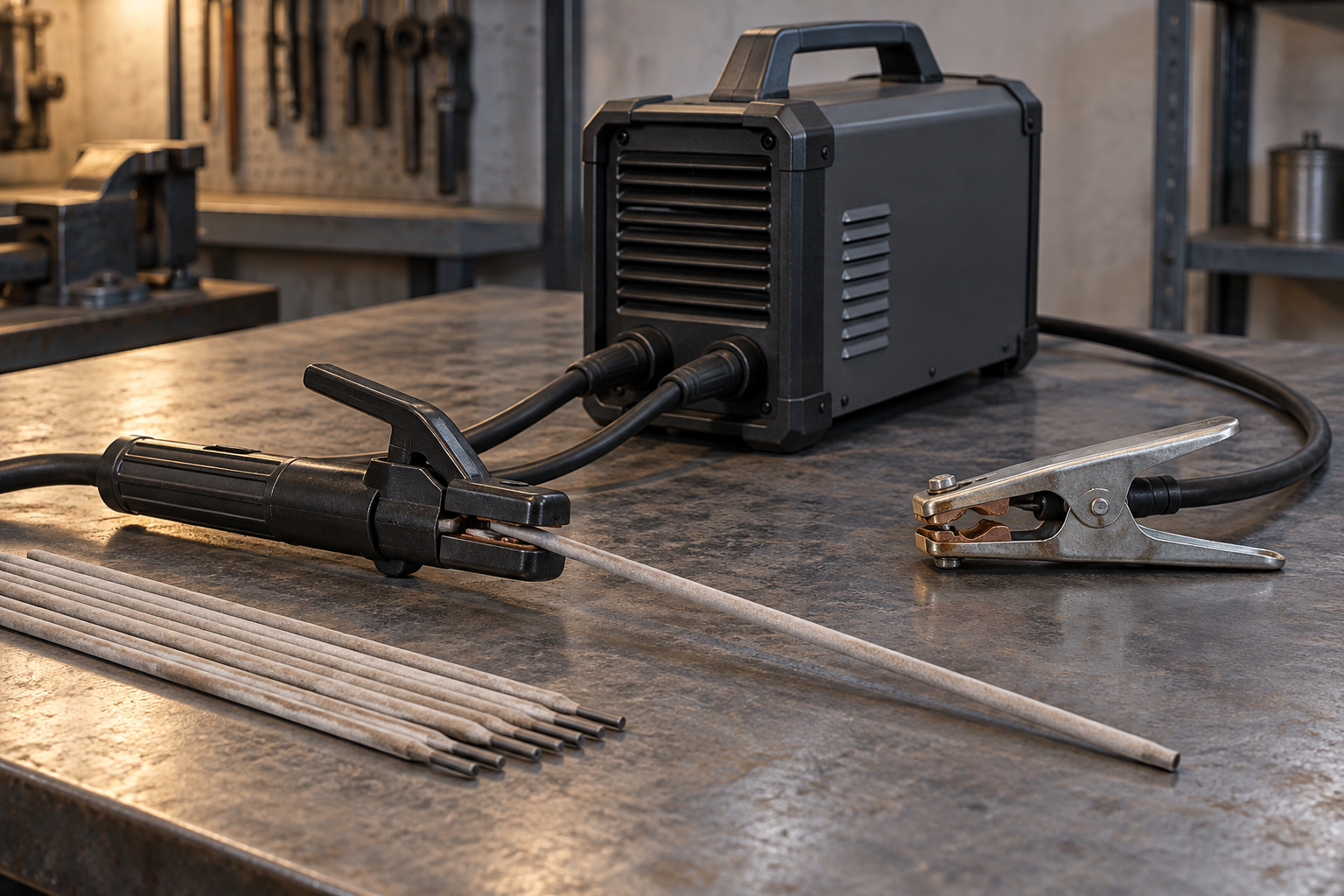
A portable stick welder is often the most practical machine for repairs away from a workshop. It tolerates dirty steel better than MIG, does not require a shielding-gas bottle, and…