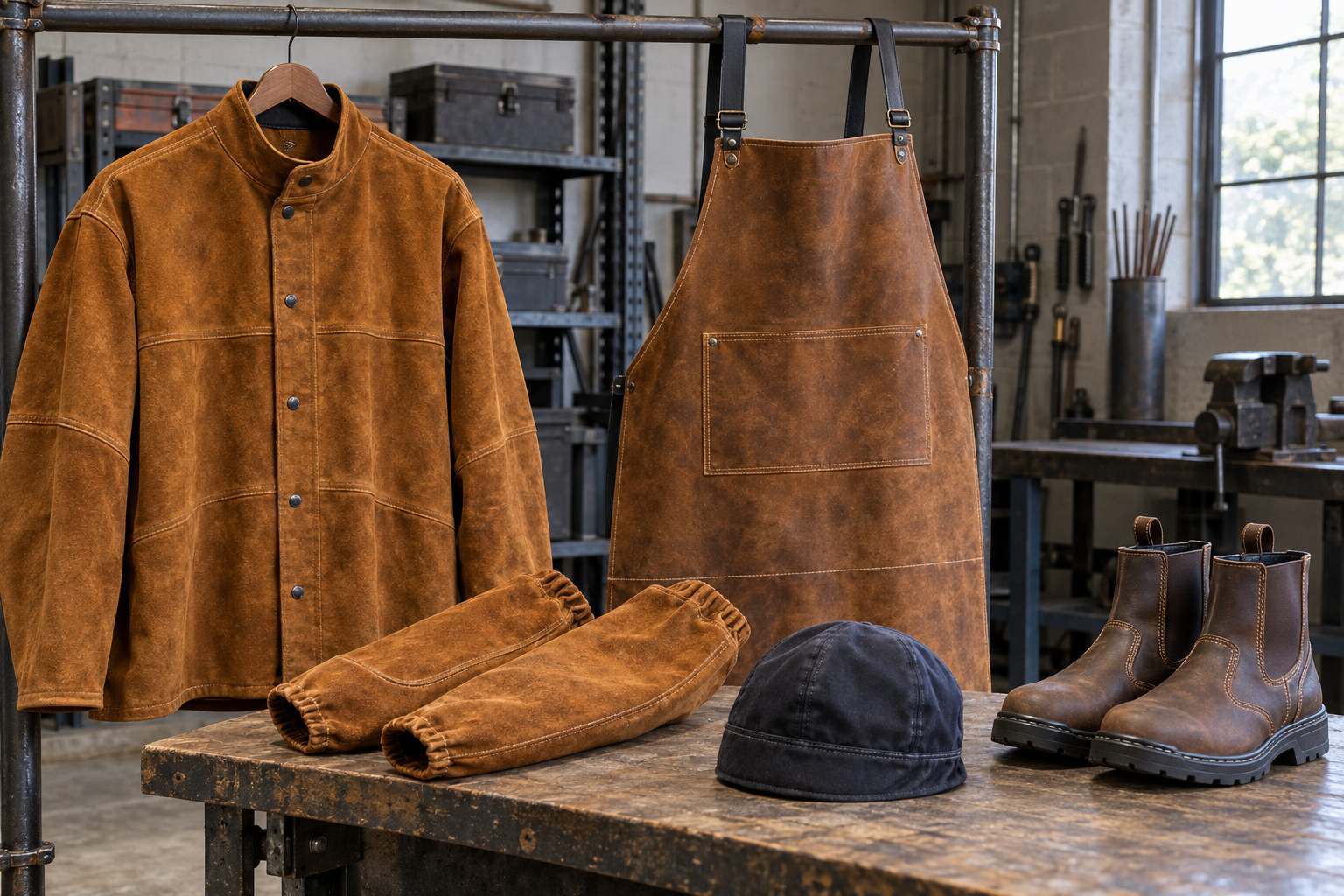
Best Welding Jackets for Overhead Work and Heavy Spatter
Why overhead work needs more coverage Welding overhead sends hot spatter down onto your sleeves, chest, neck and legs. A jacket that works for a quick bench weld may leave…
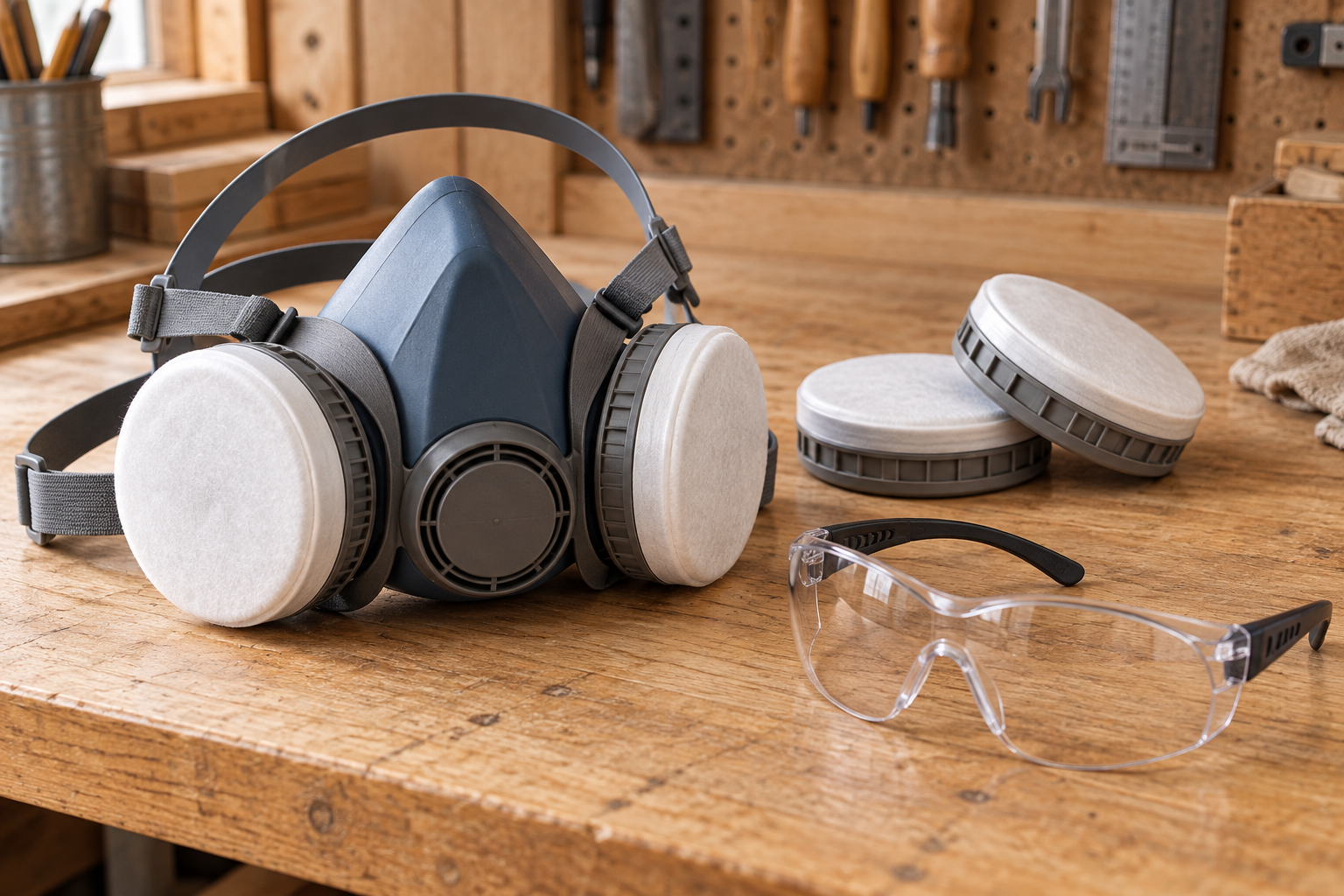
Leather welding sleeves are a practical choice when a jacket is too warm or restrictive, but bare arms are not safe around sparks, spatter, or hot stock. The right pair…
Choosing a welding respirator that fits under a helmet A respirator that seals on the bench may leak once a welding helmet pushes against its nose, cheeks or straps. Fit…
A sweatband is a small part of a welding helmet, but the wrong one can turn a long shift into a cycle of wiping sweat, adjusting the headgear and trying…
Why overhead stick welding needs a good lens Overhead stick welding puts two demands on a helmet lens: it must show the puddle clearly, and it must stay dark and…
Why magnification matters for close TIG work TIG welding asks you to keep the arc, filler rod and joint in view at the same time. On small stainless tubing, thin…
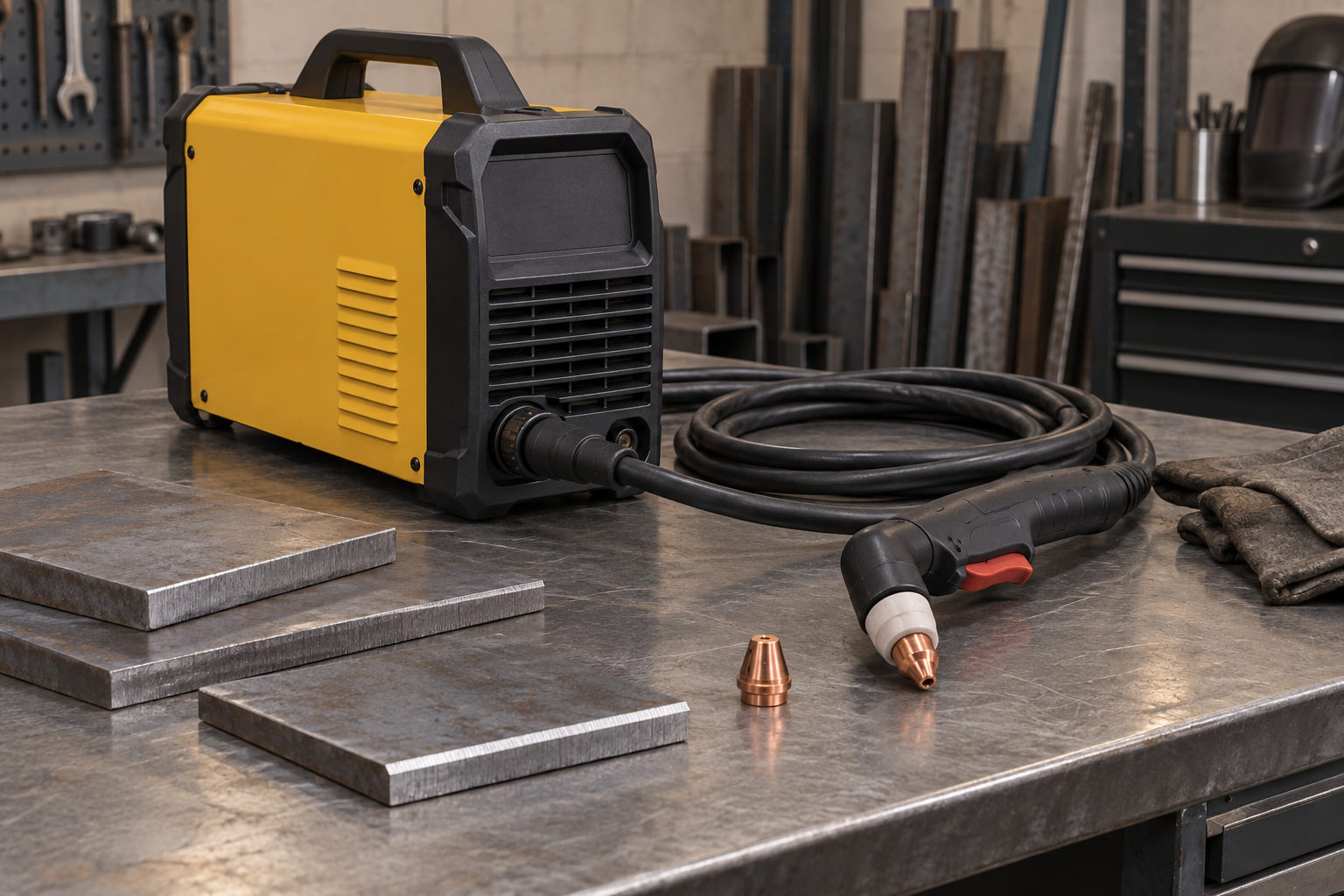
Plasma cutting stainless steel is fast and usually cleaner than abrasive cutting, but it produces fine metal particulate and irritating gases. Stainless also contains chromium and often nickel. The heat…
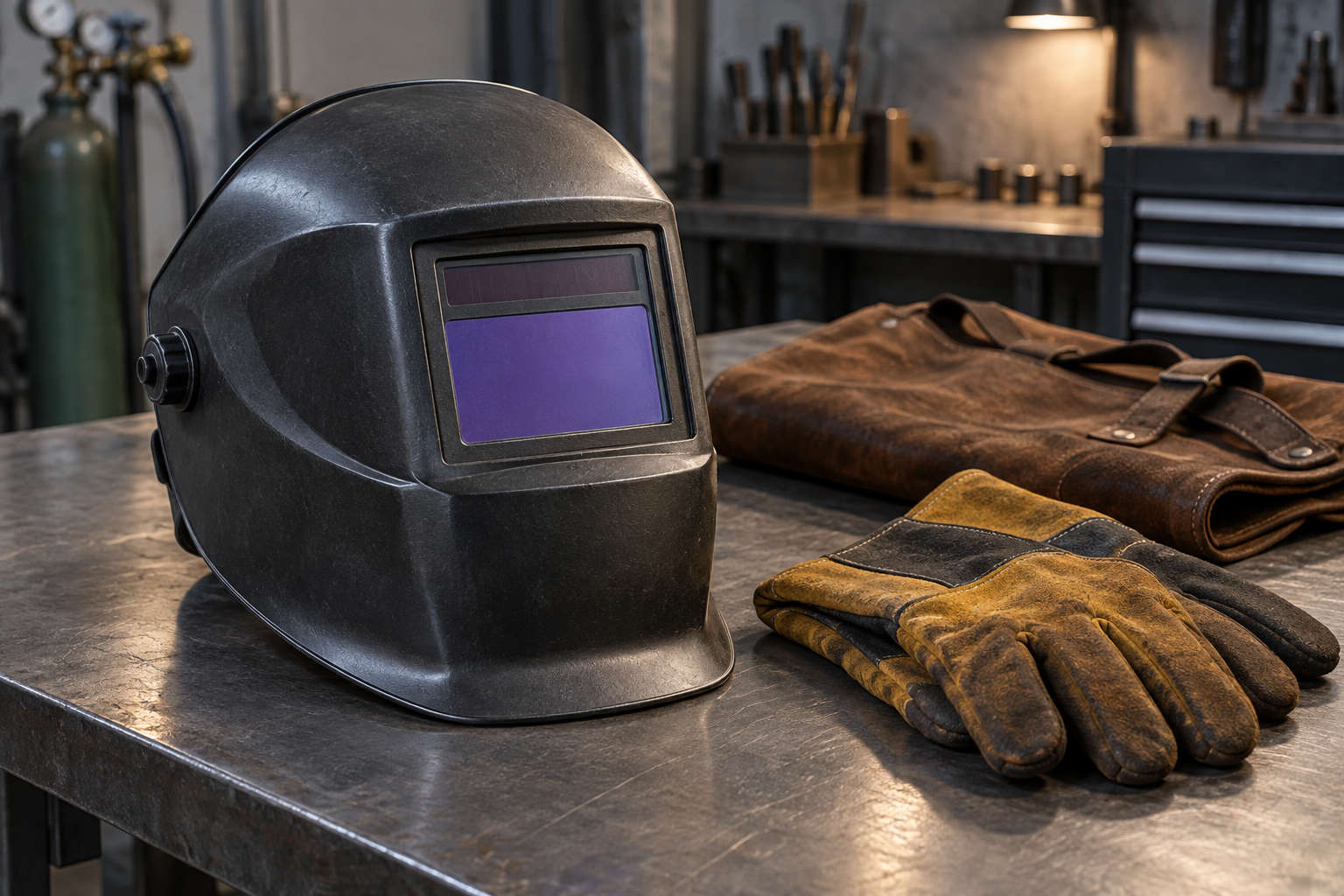
Why viewing area matters in fabrication A large-view welding helmet makes it easier to see the joint, torch or electrode, and nearby fixtures without constantly moving your head. That can…
Low-light welding makes it harder to see a joint before striking an arc, especially when the helmet is down and the workpiece is dark. A helmet with a clear, neutral…
Why low-amp TIG is hard on an auto-darkening helmet At less than 10 amps, TIG can be difficult for some auto-darkening filters to detect. The arc is small, the current…