Our Top Picks
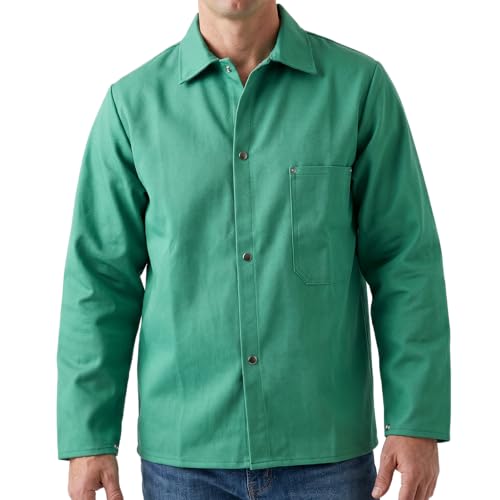 MAGID SparkGuard Flame Resistant Green Welding JacketLarge12.5 x 10 x 10 Inches1.2 poundsCheck on Amazon


What's inside
As an Amazon Associate I earn from qualifying purchases. This post may contain affiliate links at no extra cost to you.
If you need a welding jacket that does not turn the shop into a sauna, the Black Stallion FN9-30C is the best overall pick here: a 9-ounce flame-resistant cotton jacket in a 30-inch length, which puts it in the lighter weight class that summer work calls for. Summer welding jackets are not different in kind from winter ones; the point is to choose a lighter fabric, a comfortable fit and a light color so you can keep sparks and spatter off your arms and torso without cooking. Five of the six jackets below are about 9-ounce-class cotton, and the sixth is a heavier 11-ounce option that is better treated as a runner-up for hot weather.
What we cover
Quick List
- Black Stallion FN9-30C – best for an all-round lightweight cotton jacket in a 30-inch length
- Lincoln Electric KH808XL – best for welders who want a familiar name in a black flame-resistant cloth jacket
- MAGID SparkGuard – best for a lightweight sateen jacket that lists ASTM D6413
- QeeLink FR cotton jacket – best for a light-weight jacket sold for both men and women
- Miller Classic Cloth Jacket – best for a pre-shrunk 9-ounce navy cotton jacket
- ARCCAPTAIN 11 oz jacket (runner-up for heat) – best for visibility and heavier protection, but warmer than the 9-ounce picks
Which One Is Right for You?
| If you… | Choose |
|---|---|
| Want the lightest fabric weight in a classic jacket length | Black Stallion FN9-30C |
| Prefer a pre-shrunk navy cotton jacket from a welding brand | Miller Classic Cloth Jacket |
| Want a lightweight sateen weave with a named flame standard | MAGID SparkGuard |
| Are a woman or want a jacket marketed for men and women | QeeLink FR cotton jacket |
| Like Lincoln gear and want a flame-resistant cloth jacket | Lincoln Electric KH808XL |
| Weld near traffic or in low light and want reflective trim, accepting extra warmth | ARCCAPTAIN 11 oz jacket |
| Spend long hours in direct sun | A lighter-colored 9-ounce jacket from this list rather than the black or heavier options |
Heat is the main concern in summer, so fabric weight and color should drive the decision. If your work is light MIG, TIG or stick welding in a shop with airflow, a 9-ounce cotton jacket is usually workable. If you grind overhead or weld heavy plate with large showers of sparks, you may want something heavier despite the heat, and should read the section on protection before choosing the lightest option.
All 6 Picks in Detail
1. Black Stallion FN9-30C – Best All-Round Lightweight Jacket
As an Amazon Associate we earn from qualifying purchases at no extra cost to you.
The Black Stallion FN9-30C is a 30-inch, 9-ounce navy flame-resistant cotton welding jacket, listed here in a Large. The 9-ounce weight is the headline for summer: it is notably lighter than the 12- to 14-ounce jackets used in heavier fabrication, which makes it easier to wear through a full shift in warm weather. A 30-inch length covers the torso and the top of the hips, which is enough for most positioned welding.
- 9-ounce flame-resistant cotton
- 30-inch jacket length
- Navy color
- Listed size: Large
- Closure style, collar and flame standard: confirm on listing
This jacket suits light to moderate welding where sparks and spatter are the concern. Wear a cotton or other natural-fiber shirt underneath, since synthetic fabrics can melt. Keep the collar closed at the neck when sparks fly upward, and check that the sleeves cover your wrists when your arms are extended in your normal welding position.
Summer fit tip: at this weight the jacket works best as an outer layer over a breathable cotton shirt, with the sleeves left buttoned or snapped only while the arc is lit. Between welds, open the front to vent heat. If your work includes heavy grinding on a pipe rack or structural steel, add leather sleeves or a bib rather than switching to a heavier jacket for the whole shift.
Pros
- Lightweight 9-ounce fabric
- Classic 30-inch length
- Navy color is easy to keep looking tidy
Cons
- Only one size shown in this listing
- Not intended for heavy overhead welding
Compared with the Miller Classic, it offers a similar weight and color, so the decision comes down to brand and fit preference.
2. Lincoln Electric KH808XL – Best for a Familiar Brand in Black Cloth
Lincoln Electric’s KH808XL is described as a black flame-resistant cloth welding jacket in size X-Large. The listing name does not give fabric weight, so you need to confirm that on the product page before assuming it is a lightweight cut. The brand’s reputation for welding gear makes it a natural comparison, but black fabric absorbs more radiant heat from the sun and from hot work than lighter colors, which matters in summer.
- Flame-resistant cloth jacket
- Black color
- Listed size: X-Large
- Fabric weight and material blend: confirm on listing
- Flame standard and closure type: confirm on listing
If you work mainly indoors under lights and fans, color matters less. Outdoors in direct sun, it can make a noticeable difference. Look for any ventilation features, and verify that the jacket is not so long or snug that it traps heat around the belt line.
Summer fit tip: if you already own other Lincoln gear, such as gloves or a helmet, a matching jacket keeps your kit consistent, but do not let brand loyalty replace a look at fabric weight. Hang the jacket in the shade between welds, since a black surface left in the sun can get uncomfortably hot to put on again.
Pros
- Recognizable welding brand
- Simple, classic jacket design
- X-Large size suits bigger frames
Cons
- Black fabric runs warmer in sunlight
- Weight and standards are not stated in the listing name
Compared with the QeeLink, it is similar in color and size but comes from a more established welding name.
3. MAGID SparkGuard – Best for a Lightweight Sateen Weave

MAGID’s SparkGuard is a flame-resistant green welding jacket made of lightweight 9-ounce, 100 percent cotton sateen. The listing cites ASTM D6413 and a men’s cut. Sateen is a smoother weave than plain twill, which can feel softer against clothing and may shed light spatter reasonably well. It is a good choice for welders who want a straightforward flame-resistant jacket with a recognized fabric standard in the product description.
- 9-ounce, 100 percent cotton sateen
- Flame resistant, listed to ASTM D6413
- Green color
- Men’s sizing
- Exact length, closure and breathability features: confirm on listing
ASTM D6413 is a vertical flame-resistance standard for fabric. It tells you the cloth self-extinguishes under defined conditions, which is the baseline for welding apparel, but it is not the same thing as a flash-fire or arc-flash rating. Treat this jacket as spark and spatter protection for ordinary welding, not as protective clothing for electrical arc hazards.
Summer fit tip: sateen has a slightly tighter weave and a smoother face than twill, so check how it feels against your forearms when sweaty. Some welders prefer to roll sleeves when not welding, which is fine as long as they are fully extended and fastened during any arc work. Look for collar and cuff closures that you can tighten quickly.
Pros
- Named flame standard in the listing
- Light 9-ounce cotton sateen
- Smooth hand and breathable cotton construction
Cons
- Men’s cut may not fit all body shapes
- Green is darker than light-gray or tan options
Compared with the Black Stallion, it names a specific standard and weave but is less traditional in color.
4. QeeLink FR Cotton Jacket – Best for a Unisex Light-Weight Option

QeeLink markets its flame-resistant cotton welding jacket as light weight and suitable for men and women, shown here in black X-Large. The wording suggests a fabric aimed at summer comfort, but the exact ounce weight is not in the listing name, so check the full description. A jacket sold for both sexes can be a practical choice for shops where several welders share a style, though proper fit still depends on measuring.
- Flame-resistant cotton
- Described as light weight
- Marketed for men and women
- Listed color and size: black, X-Large
- Fabric weight, flame standard and closures: confirm on listing
Women welders often find standard men’s jackets too long in the torso or too wide in the shoulders. Whether this one solves that depends on its cut, so check the size chart and consider the length of your sleeves. As with any dark jacket, expect some added heat in sunny conditions.
Summer fit tip: use the size chart rather than your usual shirt size, and pay attention to shoulder width and sleeve length, because a jacket that is too large lets sparks drift in at the cuffs. In hot weather, breathability matters more than a snug fit, so leave room for airflow while keeping the hem well below the belt line.
Pros
- Light weight described in the title
- Marketed to both men and women
- Cotton construction breathes better than synthetic blends
Cons
- Black color in sunlight
- Few specifics in the listing name
Compared with the MAGID SparkGuard, it trades a named weave and standard for broader sizing intent.
5. Miller Classic Cloth Jacket – Best for a Pre-Shrunk Navy Cotton Jacket

Miller’s Classic Cloth Welding Jacket is a 9-ounce navy cotton, flame-resistant jacket described as pre-shrunk, listed in XL. Pre-shrinking helps reduce surprises after the first wash, which matters because a jacket that shrinks can leave gaps at the wrists and waist where sparks get through. Miller is a major name in welding equipment, and the Classic is a conventional jacket that works for general fabrication in warm conditions.
- 9-ounce navy cotton
- Flame resistant
- Pre-shrunk fabric per the listing
- Listed size: XL
- Length, closures and flame standard: confirm on listing
Even with pre-shrunk cotton, follow the care label. Some flame-resistant treatments can be reduced by certain laundry additives such as bleach or fabric softeners, so wash according to the garment’s instructions and replace any jacket with burn holes, thin spots or heavy contamination from oil and grease.
Summer fit tip: pre-shrunk fabric helps, but cotton can still relax slightly with wear. Buy for the fit you want after the first wash cycle, not a size that is only comfortable when new, and keep a spare jacket if you weld daily so that one can dry fully between shifts.
Pros
- 9-ounce weight suits warm conditions
- Pre-shrunk for a predictable fit
- Well-known brand
Cons
- Navy still absorbs some heat in direct sun
- Limited detail on closure style in the listing name
Compared with the Black Stallion, it is very similar in weight and color, with the pre-shrunk fabric being the clear differentiator.
6. ARCCAPTAIN 11 oz Jacket (Runner-Up for Heat) – Best for Visibility and Heavier Protection

ARCCAPTAIN’s jacket is an 11-ounce flame-resistant cotton design, with a listing that mentions NFPA 2112 certification, high-visibility reflective strips and durable snaps. At 11 ounces it is heavier than the 9-ounce options, so for summer it is better viewed as a runner-up: it gives more fabric between you and the sparks, and the reflective strips help in low light, but it will run warmer. It suits welders who work outdoors near traffic or equipment and prioritize being seen.
- 11-ounce flame-resistant cotton
- NFPA 2112 certification mentioned in the listing
- High-visibility reflective strips
- Snap closures described as durable
- Size, length and color options: confirm on listing
NFPA 2112 covers flash fire protection for garments, which is a different requirement from ordinary welding spark protection. Confirm certification on the label or manufacturer documentation if your site requires it. Heavier fabric also makes sense for overhead work or heavy spatter, where the extra weight is worth the warmth.
Summer fit tip: if you choose this jacket for visibility, wear it open or loosely closed on hot days when not actively welding, and plan breaks in shade. The reflective strips only help if they stay clean, so avoid covering them with an apron or tool belt, and wash according to the care label.
Pros
- Heavier fabric offers more spark protection
- Reflective trim for visibility
- Certification mentioned in the title
Cons
- Warmer than the 9-ounce jackets
- Not the best pick if heat is your main concern
Compared with the Miller Classic, it trades breathability for added protection and visibility.
Specs Compared
| Jacket | Fabric weight | Material | Color | Listed size | Standard named |
|---|---|---|---|---|---|
| Black Stallion FN9-30C | 9 oz | FR cotton | Navy | Large, 30-inch length | Confirm on listing |
| Lincoln Electric KH808XL | Confirm on listing | Flame-resistant cloth | Black | X-Large | Confirm on listing |
| MAGID SparkGuard | 9 oz | 100% cotton sateen | Green | Confirm on listing (men’s) | ASTM D6413 |
| QeeLink FR cotton jacket | Described as light weight; confirm on listing | FR cotton | Black | X-Large | Confirm on listing |
| Miller Classic Cloth Jacket | 9 oz | Pre-shrunk cotton | Navy | XL | Confirm on listing |
| ARCCAPTAIN 11 oz jacket | 11 oz | FR cotton | Confirm on listing | Confirm on listing | NFPA 2112 (per listing) |
How We Chose These
This guide is based on research and comparison of product information rather than wearing the jackets on the job. We compared what each listing states about fabric weight, fiber content, color, sizing, closure features and any flame standard mentioned, and we checked those claims against widely used descriptions of ASTM D6413 and NFPA 2112. For summer use we prioritized lighter fabric weight, natural-fiber construction and lighter colors, and we flagged anything that runs heavier or darker. Where the listing name does not provide a detail, such as fabric weight or certification, we say so and direct you to the product page rather than guessing.
What to Look For
Fabric Weight and Fiber
Fabric weight is expressed in ounces per square yard. For warm weather, 9-ounce cotton is a common lightweight choice, while 12- to 14-ounce cloth and leather are heavier options for demanding work. Cotton-based flame-resistant fabrics are favored for welding because they char rather than melt. Avoid wearing synthetic shirts, such as polyester, underneath, since they can melt to the skin if a spark penetrates. A thin cotton T-shirt or long-sleeve cotton layer under the jacket is a safer base.
Color and Heat
Dark fabrics absorb more radiant heat in the sun than lighter ones, so navy, black and dark green jackets can feel noticeably hotter outdoors. Indoors under lighting and fans, color matters less. If your jacket choice is narrowed down to two similar weights, pick the lighter shade for summer. Remember that welding spatter and soot will show on light colors faster, so you may wash it more often, following the care label.
Fit, Length and Coverage
A jacket that fits loosely allows air to circulate and keeps hot fabric off your skin, but sleeves and hems must be long enough to cover your wrists and waistband when you reach or lean. Measure chest and sleeve length and compare against the size chart, because welding jackets often run boxy. A 30-inch length is typical for general use. Worked example: if you weld overhead often, choose a length and sleeve cut that still overlaps your gloves when your arms are raised, so spatter cannot slip into the gap.
Flame Standards: D6413 and NFPA 2112
ASTM D6413 is a fabric-level standard: the material must self-extinguish within a short time, with limited char length, both new and after laundering. It is the typical requirement for welding apparel. NFPA 2112 is a garment-level standard for protection against flash fire, which matters in oil, gas and similar industries. Neither is an arc-flash rating. If your workplace requires a specific certification, verify it on the garment label and manufacturer paperwork rather than relying on a listing title.
Layering and Other Hot-Weather Gear
The jacket is only one part of staying safe and comfortable. Wear flame-resistant or natural-fiber trousers with no cuffs that can catch sparks, leather boots that cover the ankle, and gloves suited to your process. A welding cap or flame-resistant hood keeps sparks out of your hair and neck. A cooling towel in the shade between welds, and fans that move air without disturbing shielding gas, help far more than loosening safety gear. For short jobs in extreme heat, a leather bib or sleeves over a plain flame-resistant cotton shirt can replace a full jacket where the hazards allow, but check your employer’s rules first.
Care, Durability and Heat Safety
Follow the care label: some flame-resistant treatments degrade with bleach or fabric softener, and buildup of oil or grease can make clothing flammable. Replace jackets with holes, thin spots or heavy contamination. In hot weather, keep the collar closed against sparks but take regular breaks, drink fluids, and watch for signs of heat illness such as dizziness or unusual fatigue. A lighter jacket does not replace shade, ventilation and rest.
Questions
Is a 9-ounce welding jacket enough protection?
For light to moderate welding, such as MIG or TIG in a shop, a 9-ounce flame-resistant cotton jacket is widely used. Heavy overhead welding, cutting and grinding generate more spatter and may call for heavier fabric or leather. Choose based on your actual process and the hazards at your site.
Which color is coolest in summer?
Lighter colors reflect more sunlight than darker ones, so they feel cooler outdoors. In this list, navy and green jackets are intermediate, while black ones will run warmest in the sun. Indoors, the difference is smaller.
Can I wear a flame-resistant jacket over a synthetic shirt?
It is better not to. If a spark gets through the jacket, synthetic fibers can melt and stick to the skin. Wear cotton or another natural-fiber layer underneath.
What does ASTM D6413 mean?
It is a vertical flame-resistance standard for fabric. Material that passes self-extinguishes quickly with limited char length. It is a baseline for welding clothing but not a flash fire or arc-flash rating.
How should I wash a welding jacket?
Follow the care label on the garment. Avoid bleach and fabric softeners unless the manufacturer allows them, because they can affect flame-resistant treatments. Replace the jacket if you see burn holes or thinning.
Should I size up in summer?
A slightly roomier fit can improve airflow, but the jacket must still cover your wrists and waist during work. Too loose a sleeve can catch on equipment. Check the size chart and aim for comfortable movement without gaps.
Update History
- October 20, 2026 – Initial publication; product set drawn from current catalog listings.
- Check the product page for current specifications and availability before buying.
Sources
- Retailer listing titles and specification fields for each listed jacket
- Manufacturer product pages and listing copy for brands such as Black Stallion, MAGID, Miller and ARCCAPTAIN, where available
- ASTM D6413 and NFPA 2112 standards descriptions as summarized by equipment suppliers and safety references
