What's inside
As an Amazon Associate I earn from qualifying purchases. This post may contain affiliate links at no extra cost to you.
What we cover
Our Top Picks
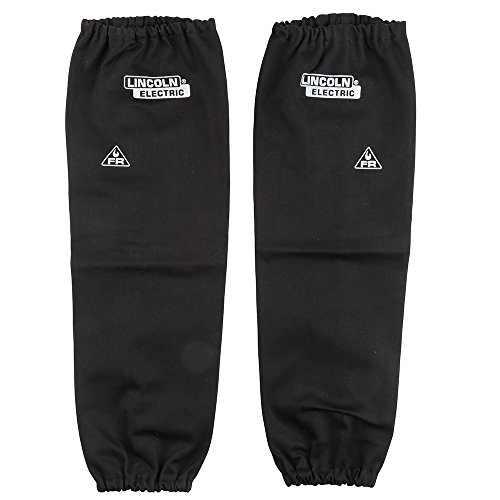 Lincoln Electric KH813 Black One Size Flame-Resistant WeldingOne Size Fits Most8 x 8 x 1 inches0.25 poundsCheck on Amazon

The short answer
The best welding gloves for TIG welding are thin, supple leather gloves that let you feel the filler rod and control the torch, while still blocking radiant heat and the occasional hot splash. That usually means a soft-grain leather such as goat, kid, deer or sheep skin, a close fit, flame-resistant stitching, and a cuff long enough to cover your wrist. Heavy cowhide stick-welding gauntlets protect better against heat and spatter, but they are clumsy for TIG and tend to wreck the fine control that clean TIG beads depend on.
The right choice shifts with the job. Low-amperage work on thin steel can be done in very thin gloves, while higher-current aluminium, long welds and positional work push you toward a slightly thicker, lined glove or a hybrid design. Check the product’s own markings and documentation for any glove standard it claims to meet, and do not assume a thin glove offers the same protection as a heavy one.
Table of contents
- Why TIG needs different gloves
- Leather types compared
- Lining, stitching, cuffs and seams
- Fit and sizing
- Matching gloves to the TIG task
- Standards and markings
- Safety and heat management
- Care and when to replace
- Common mistakes
- Who should choose what
- Checklist
- FAQ
- Conclusion
Why TIG needs different gloves
TIG welding is a two-handed craft in the most literal sense. One hand holds the torch steady at a short, consistent arc length. The other feeds filler rod with small, precise dabs. Both tasks need fingertip feel, and both are made harder by thick, stiff gloves that make you grip the torch tightly or fumble the rod.
The process also produces less spatter than stick or flux-core welding. The arc is concentrated and the shielding gas keeps the area clean, so there are fewer flying beads to protect against. What TIG does generate is intense radiant heat close to your hands and a strong ultraviolet component from the arc. The torch itself can become hot during long welds, especially air-cooled types, and the workpiece stays hot while you hold it or reposition it.
So the design brief for a TIG glove is a different balance from a stick glove: enough insulation and coverage to survive heat and UV, but enough thinness and flexibility to keep control. Cleanliness matters too. Oil, grease or dirt transferred from gloves to filler rod or base metal can cause contamination in the weld, particularly on aluminium and stainless steel. A glove you also use to handle greasy parts is not a good one to touch filler rod with.
Leather types compared
Leather is the standard material for TIG gloves because it is naturally heat-resistant, does not melt, and moulds to your hand. Different hides trade off feel against durability. The table compares hide types in general terms.
| Leather type | Feel and dexterity | Heat and wear resistance | Best for | Trade-off |
|---|---|---|---|---|
| Goatskin | Thin, soft, strong for its thickness, good grip | Moderate heat resistance, good abrasion resistance | General TIG on steel, stainless and aluminium | Can stiffen if it gets wet and dries |
| Kidskin | Very thin and fine, best feel | Lower heat tolerance, wears faster | Low-amp, precision work on thin material | Less durable, not for long high-heat sessions |
| Deerskin | Soft, stretchy, comfortable once broken in | Good heat resistance for its thickness | Long TIG sessions where comfort matters | Can stretch and shrink with moisture and heat |
| Sheepskin | Soft and flexible | Moderate heat resistance, less rugged | Light TIG use, hobby projects | Less abrasion resistance |
| Split cowhide | Stiffer, less sensitive | Good heat and spatter resistance | Hybrid or backhand-protected designs, not fine TIG | Reduced finger control |
| Grain cowhide | Heavier than other hides but smoother | Durable, better abrasion resistance than split | Mixed shop work including some TIG | Thicker than a dedicated TIG glove |
For most people learning TIG, goatskin or deerskin offers the best compromise. Kidskin gives superb feel but is delicate; many welders keep a pair for low-amperage precision jobs. You can compare options here: TIG welding gloves.
Lining, stitching, cuffs and seams
Two gloves in the same leather can feel very different because of how they are built. Inspect these details.
- Unlined versus lined. Unlined gloves are the thinnest and give the best feel, but offer less insulation. A thin lining adds comfort and some heat protection at the cost of a little dexterity. Some linings are cotton, which can burn, while others use materials intended to resist heat. Read the description rather than assuming.
- Stitching thread. Thread is a surprising failure point. Cotton or ordinary synthetic thread can burn or melt near an arc and the glove can come apart at the seams. Look for gloves that state heat-resistant or flame-resistant thread.
- Seam placement. Seams on the inside of the fingertips can press against your skin and reduce feel. Gloves designed for TIG tend to place seams away from the gripping surfaces, and some use a one-piece palm to reduce bulk.
- Thumb design. A wing or keystone thumb gives better movement and fewer pressure points than a flat thumb. A well-cut thumb is essential when you are holding a torch for long periods.
- Cuff length. A longer cuff covers your wrist and forearm where UV and spatter can reach. A shorter cuff gives more freedom of movement but leaves skin exposed. Many TIG gloves have a medium cuff, and some welders add flame-resistant sleeves.
Fit and sizing
With a thin glove, fit is everything. A glove that is too loose bunches at the fingertips, which ruins feel and can catch on the torch. A glove that is too tight stresses the stitches, restricts blood flow and tires your hands. Measure your hand according to the maker’s sizing guide because sizing differs widely between manufacturers.
- Measure around your palm at its widest point, excluding the thumb, and note the length from wrist to the tip of your middle finger.
- Compare against the size chart for the exact glove, and read comments about whether it runs large or small.
- Try a new glove by holding a torch or a pen and gripping a piece of filler rod. Your fingers should reach the ends of the glove without folding.
- Check the thumb and the web between thumb and index finger. Pulling or pinching here will bother you in long sessions.
- Make a fist and then fully extend your fingers. The glove should move with you rather than fighting back.
Leather stretches a little with wear, particularly deerskin and goatskin, so a snug new glove often becomes comfortable after a few sessions. Do not buy a glove a size up and expect it to feel right. Do not try to shrink gloves by wetting and drying them, because heat and moisture can harden the leather and shorten its life.
Matching gloves to the TIG task
| TIG task | Priority | Glove type to look for |
|---|---|---|
| Thin steel or stainless at low amperage | Maximum feel and control | Thin kidskin or goatskin, unlined or lightly lined |
| General steel and stainless fabrication | Balance of feel and durability | Goatskin or deerskin with heat-resistant thread |
| Aluminium at higher current | More radiant heat protection and UV coverage | Slightly thicker goatskin or lined glove with longer cuff |
| Pipe and positional welding | Flexibility, grip and awareness of space | Close-fitting goatskin, reinforced thumb, good cuff closure |
| Mixed shop with stick, MIG and TIG | Versatility | A thin TIG glove plus a heavier glove for the other processes |
| Holding hot parts between welds | Thermal protection | Heavier glove or heat-resistant mitt, not a thin TIG glove |
Many welders keep two pairs: a thin glove for fine torch work and a heavier one for handling hot metal and clamping. Switching is a small hassle that pays back in both safety and weld quality. Do not use thin TIG gloves for stick welding, MIG welding or cutting, where spatter and heat are far higher.
Standards and markings
Many regions have standards for welders’ gloves. For example, some European-style classifications distinguish between a type with higher protection and a type with greater dexterity, with the dexterity type commonly recommended for TIG. Other regions use different standards and rating systems. The details vary, and ratings only tell you how a glove performed in specific tests.
- Look on the glove itself and the packaging for a standard reference, pictograms and any performance level numbers.
- Read the maker’s documentation to find out what each rating means and what it does not cover.
- Be cautious if a listing mentions a standard but the glove carries no marking. A claim in a listing is not a certificate.
- Remember that a standard sets a minimum for a category. It does not turn a thin glove into a heavy one.
If you weld in a workplace, your employer or safety officer may require gloves that meet a particular standard. Follow that requirement over any buying guide.
Safety and heat management
Radiant heat and hot metal. TIG puts a lot of heat into a small area, and the workpiece and torch can become hot enough to burn through thin leather. Do not pick up hot metal with TIG gloves. Use pliers, clamps or a heavier glove. If you feel heat through the glove, stop, because by the time it hurts the damage is already starting.
Ultraviolet exposure. The arc emits strong ultraviolet radiation that can burn skin through gaps and thin material. Cover your wrists and forearms with a long cuff or flame-resistant sleeves, and do not leave a gap between the glove and the jacket. Wear a proper helmet with a filter suited to the current and check the lens marking. Arc eye can appear hours after exposure.
Flame-resistant clothing and fire safety. Wear flame-resistant clothing, avoid synthetics that melt, and keep flammable material clear of the work area. Keep an extinguisher nearby and watch the area for smouldering after you finish.
Fume and ventilation. Welding fume can harm your lungs, and shielding gas can displace oxygen in a confined space. Ventilate well, keep your head out of the plume, and take extra precautions with coated, galvanized or unknown metals.
Moisture. Wet gloves conduct heat quickly and can scald. Do not weld in damp gloves, and never weld in wet conditions. Electrical safety also matters, because wet or sweaty gloves reduce insulation around the torch and lead.
Contamination. Clean gloves protect the weld as well as your hands. Do not handle filler rod with gloves covered in oil or grinding dust, and keep a clean pair for aluminium and stainless steel if you also use them for dirty jobs.
Care and when to replace
Thin leather gloves are consumable. Inspect them before each use. Look for hardened, shiny, cracked or brittle patches on the fingers and palm, which indicate heat damage. Check seams for open stitching and burnt thread. Look for thin spots at the fingertips and thumb where wear shows first. Replace gloves as soon as protection is compromised, because a damaged glove gives you a false sense of security.
Keep gloves dry and let them dry naturally if they get damp, away from direct heat or a hot stove. Brush off dust and wipe with a dry cloth. Avoid soaking them in water, solvents or harsh cleaners that remove natural oils from the leather. If the leather feels stiff, a small amount of leather conditioner suitable for gloves may help, but check it is not flammable or greasy, since residue can contaminate filler rod. Store them flat or loosely folded in a clean, dry place, in a bag if they are reserved for clean work.
The lifespan depends on how much you weld and what metals and currents you work with. Aluminium at high amperage can age a thin glove quickly. A hobbyist might get a year or more out of a pair, and a daily welder may go through pairs in weeks. Rotate between two pairs if you weld for hours, because drying between sessions extends life.
Common mistakes
- Using heavy stick gloves for TIG. You lose feel and your bead quality suffers.
- Using thin TIG gloves for everything. They are not designed for spatter, cutting or handling hot parts.
- Ignoring the stitching. Burnt seams are the most common way thin gloves fail.
- Buying the wrong size. Too loose or too tight both reduce control and increase fatigue.
- Welding in damp gloves. Moisture makes heat transfer to your skin much faster.
- Contaminating filler rod. Greasy gloves cause porosity and discolouration, particularly on aluminium and stainless.
- Leaving wrists bare. UV burns on the wrist and forearm are easy to prevent with a longer cuff or sleeves.
Who should choose what
The beginner learning TIG: goatskin gloves in a close, comfortable fit give the best balance of feel, protection and cost while you build skills. The thin-sheet and precision welder: kidskin or very thin goatskin, ideally two pairs so you can swap when one wears out. The aluminium welder running higher current: a slightly thicker goatskin or lined glove with a longer cuff, plus flame-resistant sleeves. The pipe welder: a close-fitting glove with a good thumb design and grip, so you can feel the torch in tight positions. The multi-process hobbyist: a thin TIG pair and a heavier general-purpose pair, rather than one compromise glove. The production welder: comfort-focused soft hides, sizes tested thoroughly, and a rotation schedule. If you want heavier gloves for the other processes in your shop, here is a placeholder link: heavy duty welding gloves for stick and MIG.
Checklist
- Choose a soft, thin leather such as goat, kid or deerskin for fine torch control.
- Check the glove and packaging for standard markings and read the documentation.
- Look for heat-resistant stitching thread.
- Measure your hand and compare it to the maker’s size chart.
- Confirm seams are not positioned against your fingertips.
- Pick a cuff length that covers your wrist and meets your jacket.
- Decide between unlined and lined according to the current you weld at.
- Buy a second, heavier glove for handling hot metal.
- Keep one pair clean for aluminium and stainless steel.
- Wear a helmet with a correctly rated lens and flame-resistant clothing.
- Inspect gloves for hard patches and open seams before each session.
- Replace gloves when the leather hardens, cracks or burns.
FAQ
Can I use regular MIG or stick gloves for TIG welding?
You can, but they are usually thick and stiff, making it hard to feel the torch and filler rod. Most TIG welders prefer thinner gloves.
Which leather is best for TIG gloves?
Goatskin is a popular all-rounder, kidskin offers the best feel at the expense of durability, and deerskin is very comfortable. The best choice depends on your current and how long you weld.
Are thin gloves safe enough?
They are suitable for the radiant heat and light spatter of TIG, provided you do not use them for hot metal, high-spatter processes or cutting. Check the markings and instructions for limits.
Should TIG gloves be lined?
Unlined gloves give the best feel for low-amp work. A light lining adds comfort and some heat protection for higher current or longer sessions. Check what the lining is made from.
How should TIG gloves fit?
Snug, with fingertips reaching the glove ends without bunching, and no pinching at the thumb or web. Follow the maker’s size chart.
How do I stop gloves contaminating my filler rod?
Keep a clean pair for TIG, avoid touching oil or grinding dust, and wipe rod before use if the procedure requires it.
How long do TIG gloves last?
It varies widely with current, metal and how often you weld. Replace them when the leather hardens, cracks, burns or the seams open.
Do I need sleeves as well as gloves?
Often yes, if the cuff does not cover the gap to your jacket. UV and heat can burn exposed wrists and forearms quickly.
Conclusion
The best welding gloves for TIG welding put feel first without leaving your hands unprotected. Choose soft, thin leather with heat-resistant stitching, make sure the fit is snug and the cuff covers your wrist, and match the thickness to the current and the metal. Keep a heavier glove for hot parts, a clean pair for aluminium and stainless, and treat all gloves as consumables that need inspection and replacement. Pair them with a properly rated helmet and flame-resistant clothing, and check the markings on whatever you buy. For an extra layer of protection, consider flame-resistant welding sleeves.
As an Amazon Associate we earn from qualifying purchases. If you buy through links on this page we may receive a commission at no extra cost to you.
