
Key takeaways
- A beginner's home welding safety checklist covers five things: protect your eyes and skin, clear fire hazards from the workspace.
What's inside
As an Amazon Associate I earn from qualifying purchases. This post may contain affiliate links at no extra cost to you.
A beginner’s home welding safety checklist covers five things: protect your eyes and skin, clear fire hazards from the workspace, move fumes away from your face, make sure the electrical supply and cables are sound, and know what to do if something goes wrong. Work through them every session, before you strike the first arc. Cheap entry-level machines are easier to buy than ever in 2026, which makes a written routine more important, not less.
Welding looks simple in videos, yet a garage adds hazards that a trade school shop designs out: stored fuel, wooden shelving, shared outlets and no one nearby to notice a problem. This checklist is a general starting point for hobbyists, not a replacement for the manufacturer’s manual, local fire and electrical rules or training from a qualified instructor. When in doubt about a hazard, stop and ask a professional.
What we cover
Protect Your Eyes, Skin and Lungs
Eye and Face Protection
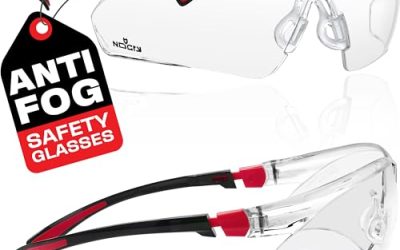
The arc emits intense light and ultraviolet radiation that can injure unprotected eyes in moments. Use a proper welding helmet with the correct shade for your process, and wear safety glasses underneath for grinding and chipping slag. Anyone nearby needs protection too, so do not let bystanders watch the arc.
Clothing and Gloves
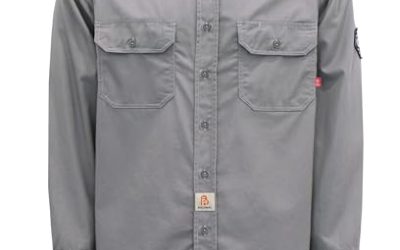
Wear long sleeves and long pants in flame-resistant material such as heavy cotton or leather, with no rolled cuffs that can catch sparks. Choose welding gloves rated for the process, and leather boots that cover the ankle. Avoid synthetic fabrics that melt, and keep pant legs over the boots.
Breathing Protection
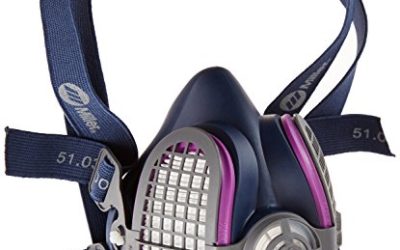
Welding fumes can irritate the lungs, and some coatings or metals create hazardous fumes. Work in a well-ventilated space, keep your head out of the plume and consider a respirator suited to welding fumes. Check the material first: galvanized, plated or painted steel needs extra care, and a professional can advise on specific metals.
Prepare the Workspace
Clear everything flammable from the area before welding. Sparks can travel many feet and land in cardboard, rags, sawdust or fuel containers. Keep a fire extinguisher rated for the type of fire you might face within arm’s reach, and know how to use it. A bucket of sand or a fire blanket can also help with small embers.
Work on a non-combustible surface, such as bare concrete or a steel table, and avoid welding over wooden floors. Remove or cover flammable items you cannot move. Look under and behind the work as well, because sparks fall through gaps. After finishing, watch the area for a while, since smoldering material can ignite later. A common guideline is to check again after about half an hour, and a final look before you leave the garage for the night is a sensible habit.
Electrical and Equipment Checks
Inspect the machine, cables and clamps before each session. Frayed insulation, cracked plugs and loose connections are warning signs. Make sure the ground clamp attaches to clean metal on the workpiece, and never weld while standing in water or on a damp floor. Match the welder to a suitable circuit, and have an electrician confirm the supply if you are unsure.
If you use gas cylinders, secure them upright and keep them away from heat and sparks. Check hoses and regulators for damage, and follow the supplier’s instructions for storage and handling. Never weld on a container that held fuel or chemicals, even if it looks empty; residual vapor can ignite. If a job involves tanks, pressure vessels or anything that carried a hazardous substance, leave it to a professional.
Hazards Beginners Often Overlook
Burns are the most common injury, and they often come from handling a workpiece that looks cool but is not. Hot metal shows no glow after a short time, so use pliers or gloves and mark finished pieces with chalk to remind yourself they were just welded. Grinding scale and slag throws particles, so keep safety glasses on after the arc is off.
Flash burns to the eyes can happen from a stray arc reflecting off a shiny surface or from a second welder nearby. Hang a welding curtain or a screen of non-flammable material if others share the space, and warn anyone who walks in before you strike an arc. A pop-up tent and open garage door do not replace a proper screen.
Noise and awkward posture matter as well. Wear hearing protection when grinding, set the work at a height that keeps your wrists and back neutral, and keep the floor free of cables that could trip you while your vision is limited behind the lens.
What to Do if Something Goes Wrong
Small Fires
If a small fire starts and you can safely reach an extinguisher, remember the pull, aim, squeeze and sweep sequence. If the fire grows, spreads or fills the space with smoke, leave and call emergency services. Property can be replaced; you cannot.
Burns and Eye Pain
Cool minor burns under cool running water and cover them with a clean dressing. For eye pain after exposure to the arc, which can appear hours later, seek medical advice rather than waiting it out. For any serious burn, call emergency services.
Electrical Shock
If you feel a tingle from the equipment, stop, unplug the machine and inspect cables, clamp and the workpiece. Do not use the machine again until a qualified person has checked it. A shock can be dangerous even when it feels mild.
Beginner Safety Checklist Table
| Area | What to check | When |
|---|---|---|
| Eyes and face | Helmet shade, lens condition, safety glasses underneath | Every session |
| Body | Flame-resistant clothing, gloves, boots, no exposed skin | Every session |
| Fumes | Ventilation, material type, respirator if needed | Before each job |
| Fire | Cleared area, extinguisher, sand or blanket, fire watch afterward | Before and after |
| Electrical | Cables, plug, ground clamp, dry floor, circuit suitability | Every session |
| Gas cylinders | Upright and secured, hoses intact, away from heat | Every session |
| Emergency | Phone nearby, first aid kit, exit path clear | Before you start |
Good Habits for New Welders
Never Weld Alone When You Can Avoid It
Ask a second person to be within earshot, especially for your first sessions, and agree on a signal so they know you are fine when the hood is down. If an accident occurs, someone nearby can help or call for emergency services.
Practice on Scrap First
Learn the machine on clean scrap steel before working on anything important, and keep a note of the settings that worked. It lets you practice settings and posture with less pressure, and mistakes cost little.
Take Breaks and Stay Alert
Fatigue causes slips. Take regular breaks, drink water and stop if you feel dizzy, short of breath or unwell. Those are signals to leave the area and seek help if they continue.
Before You Start
- Read the manual for your machine and follow its warnings.
- Put on all protective gear, including a helmet with the correct shade.
- Clear flammables and place an extinguisher within reach.
- Check ventilation, cables, ground clamp and the work surface.
- Tell someone where you are and keep a phone nearby.
Related guides
- Auto Darkening Welding Helmet Not Darkening Causes And Fixes
- How To Adjust Welding Helmet Headgear For A Comfortable Fit
- How To Choose A Welder For Your Garage Circuit Breaker Size
Frequently Asked Questions
Do I need a respirator for hobby welding?
It depends on the material, coating and ventilation. Fumes can be harmful, so many welders use a suitable respirator and good airflow. A safety professional can advise on your setup.
Can I weld in a garage attached to my house?
Many people do, but sparks and fumes need careful control. Clear flammables, ventilate well, and check local fire and insurance rules before starting.
What type of fire extinguisher should I keep nearby?
Choose one suited to ordinary combustibles and electrical equipment, and read its label. Ask your local fire authority for advice that fits your space.
Is it safe to weld without gloves for quick tacks?
No. Even short welds can throw sparks and spatter, and hot metal burns quickly. Wear gloves and protective clothing every time, and replace gloves that are worn through or damp, since damaged gloves leave your hands exposed.
Related guides
More from Amazon
Programs that pair well with the guide above. Offers and eligibility are set by Amazon and may change.
A free business account with business pricing and bulk-buying tools for work, shop or home office.
Create a business accountFree shipping on eligible items, Prime Video and more. Eligible new members can start with a free trial.
Start a Prime free trialAudiobooks and podcasts to listen to on the go. Eligible new members can start with a free trial.
Try Audible freeAd-free music streaming. Eligible new subscribers can start with a free trial.
Try Music Unlimited freeAs an Amazon Associate we earn from qualifying purchases.






Write Your Review
No reviews yet. Be the first to share your experience!