
What's inside
As an Amazon Associate I earn from qualifying purchases. This post may contain affiliate links at no extra cost to you.
What we cover
Our Top Picks
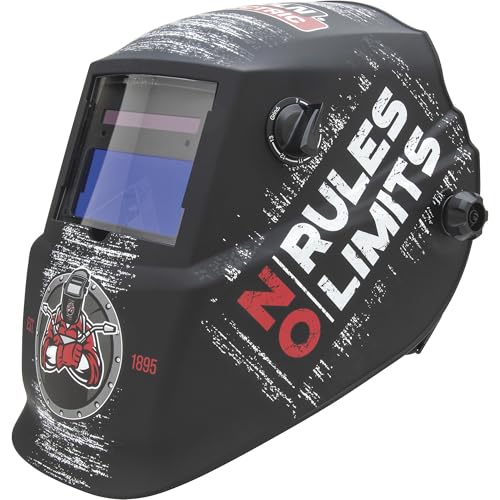 Lincoln Electric No Rules No Limits Welding HelmetOne Size11.75 x 10.25 x 11.25 inches2.45 poundsCheck on Amazon

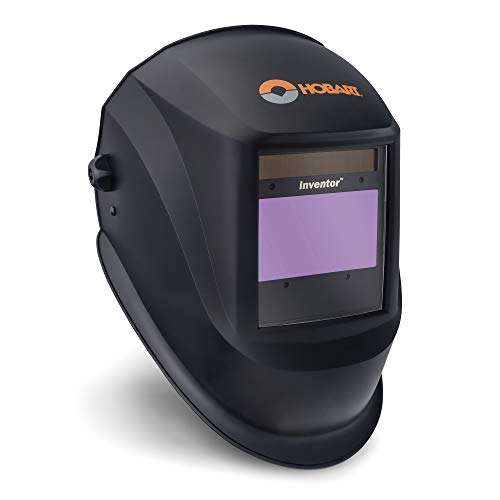

Why grinding between weld passes matters
Slag, spatter and sharp edges can hide defects or interfere with the next pass. Grinding them off is part of the weld sequence, not an excuse to keep the hood down with the same lens setting. A helmet suitable for welding should also let you see well enough to grind without exposing your eyes or face to sparks.
The key choice is between a passive helmet, an auto-darkening helmet with a dedicated grind mode, and a flip-front helmet with a separate grinding shield. For most people who alternate between welding and grinding, an auto-darkening helmet with a clearly marked grind setting is the easiest setup. The right choice still depends on your process, work environment and budget.
As an Amazon Associate we earn from qualifying purchases at no extra cost to you.
What to look for in a helmet
A dedicated grind mode keeps the lens at its light state instead of triggering the dark filter when an angle grinder throws sparks or a nearby welder’s arc crosses the sensors. That helps prevent nuisance-darkening and gives you a clear view of the work. It also means the helmet will not darken for your own arc while grind mode is on. Switch back to weld mode before striking an arc; a physical switch or unmistakable control is less error-prone than a setting buried in a menu.
Check the helmet’s markings and manual rather than relying on a sales listing. The lens should carry the applicable ANSI/ISEA Z87.1 marking for eye and face protection, and the manufacturer should state the shade range, switching time and whether the lens is suitable for your welding processes. Shade 10 is common for many general welding jobs, but the correct shade depends on process, amperage and the applicable safety guidance. Grinding does not call for a welding shade, but it still requires impact-rated eye and face protection.
Fit matters more than a long list of electronic features. The headgear should hold the helmet securely when you nod, allow adjustment for distance from your eyes, and let you set the tilt so the shell clears your chest and shoulders. A loose helmet can shift when you lean over a bench, exposing your face to sparks or making it harder to keep the work in view.
Helmet types compared
| Type | Best for | Trade-off |
|---|---|---|
| Auto-darkening with grind mode | Frequent changes between welding and grinding | Costs more than a basic passive hood; needs functioning power and sensors |
| Passive fixed-shade hood | Simple, low-cost welding jobs with a separate grinding shield | Must be raised or flipped up to inspect work; no clear-view grinding through the lens |
| Flip-front with separate grinding lens | Shops that want a simple welding lens and dedicated grinding protection | More parts to manage; the grinding lens must be rated and kept in good condition |
A low-cost passive hood is a sensible buy if you weld occasionally and already have safety glasses and a proper face shield for grinding. It has no batteries or sensors to fail. The inconvenience is having to lift it to inspect a bead and switch to other protection for grinding. A separate shield is not optional just because the hood covers your face: grinding wheels can throw fragments, and the hood’s lens may not be rated for that impact.
If grinding is a routine part of every weld cycle, compare auto-darkening welding helmets with grind mode. For a budget setup, look at passive fixed-shade welding helmets and pair one with a rated grinding face shield.
Auto-darkening: useful, but inspect it
Auto-darkening helmets save time when you need to position a torch or electrode precisely before each pass. They are especially convenient for TIG work, where a low-current arc can expose weak sensors or a lens that does not switch reliably at the settings you use. Check that the helmet is rated for your process and can detect the lowest amperage you intend to run. Sensor count alone does not guarantee reliable detection in every position.
Before welding, inspect the outer and inner cover plates for scratches, haze, cracks and spatter. A damaged outer plate can blur the puddle or reduce visibility; replace it when cleaning no longer restores a clear view. Check the battery indicator if fitted, and test the lens using the manufacturer’s procedure. Do not look directly at an arc to test it. If the lens flickers, delays or fails to darken consistently, stop welding until you fix the problem or switch to a suitable helmet that works.
Auto-darkening helmets can be solar-assisted, battery-powered or use both. Do not assume a solar panel means the batteries never need attention. Follow the manual for battery checks and storage, and keep the sensors clear of grinding dust. Dust on a sensor can cause poor detection; grinding sparks can also damage cover plates and the shell.
A safe changeover between passes
After welding, let the work cool enough to handle safely and check that the joint is ready for the next pass. Set the helmet to grind mode, or raise it and put on a separate grinding shield over safety glasses. Keep the grinder’s guard fitted, use a wheel rated for its speed, and check the wheel for damage before use. Hold the tool with both hands and direct sparks away from people, cables and flammable materials.
Use the abrasive that suits the job: a grinding wheel removes material quickly but can gouge a narrow weld, while a flap disc is easier to control for blending and cleaning. Avoid grinding into the base metal more than needed. A deep undercut or thinned edge is a worse problem than a slightly rough interpass surface. Remove slag and contaminants without rounding off the joint profile, then inspect the pass under good light before welding over it.
For frequent shop use, a helmet with a larger viewing area and a dedicated grind setting can make it easier to see edges and fit-up, but a larger lens is not automatically safer or clearer. Try the headgear if possible, and confirm that replacement cover plates are available and affordable. Choose a comfortable, dependable helmet over extra display features you are unlikely to use.
Which one should you buy?
Choose an auto-darkening helmet with a clear grind-mode control if you switch between welding and grinding several times in a shift. Confirm the shade range suits your MIG, TIG or stick work, and make sure the headgear stays put when you lean over a joint. If cost matters more than convenience and you weld only now and then, a passive hood is fine—provided you use separate rated eye and face protection for grinding.
In either case, treat a cloudy cover plate, unreliable lens, loose headgear or missing grinder guard as a reason to stop and correct the setup. The helmet is one part of protection; clear vision, sound equipment and a disciplined changeover between weld mode and grind mode matter just as much.
FAQ
Which one should you buy?
Related guides
More from Amazon
Programs that pair well with the guide above. Offers and eligibility are set by Amazon and may change.
A free business account with business pricing and bulk-buying tools for work, shop or home office.
Create a business accountFree shipping on eligible items, Prime Video and more. Eligible new members can start with a free trial.
Start a Prime free trialAudiobooks and podcasts to listen to on the go. Eligible new members can start with a free trial.
Try Audible freeAd-free music streaming. Eligible new subscribers can start with a free trial.
Try Music Unlimited freeAs an Amazon Associate we earn from qualifying purchases.








Write Your Review
No reviews yet. Be the first to share your experience!