
What's inside
As an Amazon Associate I earn from qualifying purchases. This post may contain affiliate links at no extra cost to you.
What we cover
Our Top Picks
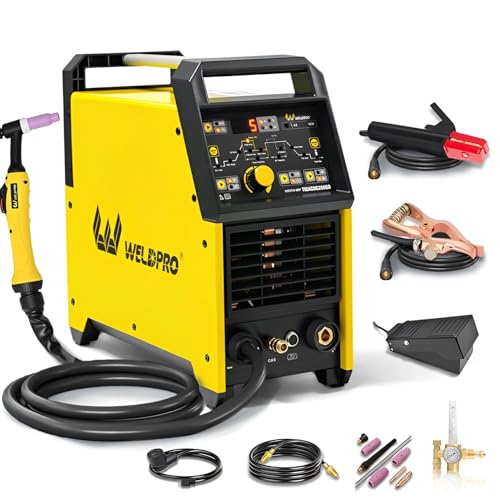 Weldpro 200A AC/DC TIG Welder with Pulse61.8 Pounds17.6 x 7.9 x 16.2 inches61.8 PoundsCheck on Amazon


Aluminum bicycle frame repair is different
Aluminum frames are thin, heat-treated structures, not convenient test pieces. A repair can soften the material around the weld, distort a tube, or hide a crack that returns under riding load. TIG gives you control over the arc and filler, but buying a capable machine does not make every frame repair safe. For a cracked, bent, or damaged frame—especially near a head tube, bottom bracket, or suspension pivot—get an assessment from a frame specialist. Replacement may be the sounder choice.
For an appropriate repair, the welder needs AC output for aluminum, adjustable amperage, and a stable low-current arc. A DC-only TIG machine can weld steel and stainless, but it cannot properly TIG-weld aluminum. Check the frame alloy and repair procedure before choosing filler; common aluminum filler rods are not interchangeable, and the wrong choice can weaken the joint.
As an Amazon Associate we earn from qualifying purchases at no extra cost to you.


What to look for in a TIG welder
AC TIG with adjustable balance is the baseline. Aluminum forms an oxide layer that melts at a higher temperature than the base metal. AC helps break it up; balance controls the cleaning action versus penetration. A machine with only basic AC settings can weld aluminum, but adjustable balance makes it easier to tune for clean material and a small tube.
Low-amperage control matters as much as maximum output. Bicycle tubes are thin, and excess heat can quickly open a hole or pull the joint out of alignment. Look for a controllable pedal or torch control, a decent pulse function if you want help managing heat, and an arc that stays steady at low current. Pulse is useful, not a substitute for fit-up and practice.
Power and setup affect what you can do at home. A 120-volt machine may be convenient but often has limited output and duty cycle. A 240-volt AC/DC unit gives more headroom for thicker parts and longer welds. Verify the machine’s input current against your breaker and outlet; a plug adapter does not make an undersized circuit suitable. You will also need an argon bottle, regulator, torch consumables, filler rod, and appropriate eye and skin protection.
Welder types compared
| Option | Best fit | Main trade-off |
|---|---|---|
| 120 V AC/DC TIG | Occasional thin-aluminum work and practice | Lower output and duty cycle; less margin for thicker sections |
| 240 V AC/DC TIG | Frequent shop use and a wider range of aluminum work | Higher cost and a suitable 240 V circuit required |
| DC-only TIG | Steel and stainless projects | Not the right machine for TIG welding aluminum |
| Outsource the frame repair | Cracks in safety-critical or hard-to-align areas | Costs more than DIY, but brings frame-specific experience and inspection |
Which machine should you buy?
If you already have a reliable 240 V supply and plan to weld aluminum regularly, a mid-range AC/DC TIG machine with a pedal and adjustable AC balance is a sensible starting point. A high-end industrial unit is rarely necessary for occasional bicycle work. Spend part of the budget on a good torch, gas setup, and practice material rather than buying the largest amperage rating you can find. Browse AC/DC TIG welders with foot pedals, then check the manual for its actual AC range, input requirements, and included accessories.
A cheaper 120 V AC/DC machine can be fine for learning and light shop work if its low-current arc is steady and its duty cycle suits your pace. Expect to pause more often and check whether it includes a pedal, torch, and regulator. “TIG-ready” does not necessarily mean the package includes everything required to weld. If the work is a one-off frame repair, paying a specialist is usually a better buy than purchasing a welder and learning on the frame.
Setup and practice before touching a frame
Use pure argon for TIG aluminum, and select tungsten and filler according to the machine guidance and alloy. Clean the joint carefully: remove paint and contamination, then use a dedicated stainless-steel brush for aluminum. Keep the brush and filler free of oil. Poor cleaning can cause porosity—small gas pockets in the weld—and contamination can make the puddle behave erratically.
Practice on clean, similar-thickness aluminum coupons first. Work on fit-up, torch angle, arc length, and adding filler without overheating the edge. If the puddle suddenly runs away, the joint gaps, or the tube begins to sag, stop; adding more filler does not restore the base material’s strength. A pedal helps you reduce heat, but it takes practice to use smoothly. A set of aluminum practice coupons is cheaper than learning on a frame.
Protective gear and post-weld checks
Use a TIG-rated helmet with a clear view at low amperage, welding gloves, non-synthetic clothing that covers your skin, and adequate ventilation. TIG arcs emit intense ultraviolet light; exposed skin can burn even when the weld is small. Secure the work, keep flammables away, and follow the shielding-gas cylinder’s storage and handling instructions.
After welding, inspect for visible cracks, porosity, undercut, and distortion, but do not treat a neat-looking bead as proof of a safe frame. Heat can change the strength of a heat-treated aluminum tube beyond the visible weld area, and some repairs require a controlled heat-treatment process. Before riding, have the repair and frame alignment evaluated by a qualified professional. If the frame maker does not permit a repair in that location, replacing the frame is the safer call.
FAQ
Which machine should you buy?
Related guides
More from Amazon
Programs that pair well with the guide above. Offers and eligibility are set by Amazon and may change.
A free business account with business pricing and bulk-buying tools for work, shop or home office.
Create a business accountFree shipping on eligible items, Prime Video and more. Eligible new members can start with a free trial.
Start a Prime free trialAudiobooks and podcasts to listen to on the go. Eligible new members can start with a free trial.
Try Audible freeAd-free music streaming. Eligible new subscribers can start with a free trial.
Try Music Unlimited freeAs an Amazon Associate we earn from qualifying purchases.









Write Your Review
No reviews yet. Be the first to share your experience!