What's inside
As an Amazon Associate I earn from qualifying purchases. This post may contain affiliate links at no extra cost to you.
The short answer: the best anti-spatter spray is the one whose formula matches your next step. If the part will be painted, powder coated or welded again, favor a silicone-free product made for that purpose. If you simply want to keep spatter off a fixture, table or torch nozzle and cleanup speed is the goal, a standard release spray or dip gel may be enough. Aerosol cans are convenient, pump bottles are economical and water-based formulas ease ventilation concerns. Whichever you choose, spray only on cold surfaces, away from ignition sources, and read the maker’s current label and safety data first.
This guide does not rank products or promise performance from any brand. It explains what these sprays do, how the main formula families differ, what to check before buying, and which mistakes cause the most trouble. Use it to narrow your search, then compare current listings against the checklist below.
What we cover
Our Top Picks

Contents
- What an anti-spatter product does
- Formula families
- Aerosol, pump bottle, dip gel and concentrate
- Where to apply it and where not to
- Comparison table
- Application tips for clean results
- Safety notes
- Buyer checklist
- Mistakes to avoid
- Frequently asked questions
- Bottom line
What an anti-spatter product does
Spatter is the shower of tiny molten droplets thrown off during welding. Some processes produce more than others, and settings, wire condition and technique all influence the amount. Those droplets land on the workpiece, the clamps, the table and the inside of the torch nozzle, where they fuse into hard beads that are a nuisance to remove.
An anti-spatter product leaves a thin film that stops those beads from bonding. Instead of grinding or chiseling, you wipe or flick the droplets away. Used on the workpiece, it can save time that would otherwise go to grinding. Used on nozzles and contact tips, it keeps the gas flow path cleaner and extends the interval between cleaning. Used on fixtures and welding tables, it protects surfaces from permanent buildup.
These products reduce cleanup; they do not fix the causes of excess spatter. If you see heavy spatter, the better first step is to review voltage, wire feed, gas flow, stickout and joint cleanliness rather than adding more spray. Think of the product as a convenience layer on top of good setup.
Process choice shapes how much you will lean on these products. Short-circuit wire welding at higher settings tends to throw more droplets than a well-tuned pulsed or tig setup, so a shop doing heavy wire work will reach for the can far more often than a hobbyist running occasional beads. Match the quantity you buy to how much welding you really do, because partly used aerosols and opened gel tubs can age on the shelf.
Also think about cleanup tools. Anti-spatter film makes a scraper, brush or chipping hammer far more effective, so keep those close to the table. The film and the tools work as a pair, and either one alone gives only half the benefit.
Formula families
Solvent-based with silicone
Many traditional sprays use a silicone release agent in a solvent carrier. They are slick, long-lasting and effective at keeping spatter from sticking. The catch is that silicone residue can contaminate a surface in ways that cause trouble later. Paint may refuse to adhere and form pits or craters, and a later weld can show porosity if silicone is left in the joint. Use these only where the surface will not be coated or re-welded, such as fixtures and tooling, or follow the maker’s guidance.
Silicone-free formulas
These are positioned for work that gets finished afterward. They protect the surface from spatter while leaving fewer of the residues that interfere with painting or additional welding. They are a common choice for fabrication shops that send parts straight to coating. They can be less slippery or shorter-lasting than silicone versions, so do not expect the same feel. Check the label for statements about paint compatibility, and always confirm with a small test on scrap before treating finished parts.
Water-based formulas
Water-based products use a water carrier rather than a petroleum solvent. They tend to have less odor, are less likely to be flammable in liquid form and are easier on ventilation. Some pump-style versions are sold as concentrates you dilute yourself. The trade-off is drying time: the film needs to dry before welding, because trapped moisture near an arc can encourage porosity. They may also leave a thin film that needs wiping on certain metals.
Ceramic and mineral-based coatings
Some products rely on fine particles suspended in a carrier. These can provide a more durable barrier on tooling, fixtures and nozzles, especially in high-volume or high-heat spots. Because they leave solids behind, check whether they are suitable for the surface you want to protect and whether they need to be removed before welding or finishing.
Nozzle gel and dip products
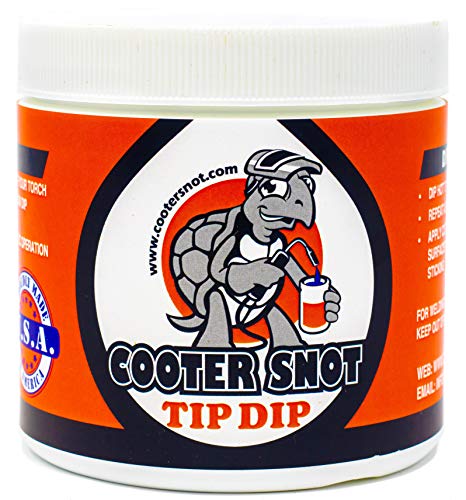
A paste or gel is meant for torch consumables. You dip the heated nozzle into the gel and a thin layer coats it, so spatter flicks off instead of fusing. Gels stay put on a vertical surface far better than a spray does, and they are a practical choice if you weld all day with a gas torch. They are generally not used on workpieces.
Aerosol, pump bottle, dip gel and concentrate
Aerosol cans
Aerosols are the most convenient. You point, spray and go, and the propellant gives an even mist. The downsides are higher cost per use, the possibility of overspray and the need for careful handling because the contents are pressurized and often flammable. Store cans away from heat and never puncture or burn them. Many cans specify not to spray in a closed space.
Pump and trigger bottles
These are economical for larger jobs and avoid the pressurized can. Droplets are larger than an aerosol mist, so coverage can be uneven unless you hold the nozzle at a consistent distance. They suit table and fixture treatment, where a few extra drops do no harm.
Concentrates and bulk containers
Production shops sometimes buy concentrate to dilute and apply with a spray system. This lowers the cost per use but needs mixing discipline. Always follow the label for the ratio and mix only as directed, since changing dilution can alter performance and drying behavior.
Gels and pastes
Gel tubs or jars are inexpensive to use and good for nozzles. Keep the lid closed to prevent contamination and drying out, and use a clean container.
If you spend your day fighting torch buildup, a welding nozzle gel may reduce the spray you need, while a general anti-spatter aerosol covers fixtures and workpieces.
Where to apply it and where not to
Good places to use it
- Welding tables and fixtures: a light coating makes grinding or scraping buildup far easier.
- Clamps and jigs: keeps them from welding themselves to your project.
- Torch nozzles and shrouds: a gel or light spray on a cold nozzle helps spatter slide off.
- Adjacent surfaces: areas next to the joint that you want to protect from stray droplets.
- Workpiece surfaces, with care: only with a product that suits the finish you plan afterward.
Places to avoid
- The joint itself: never spray into the weld zone or the groove unless the maker explicitly approves it.
- Surfaces that will be painted or coated: unless the label says the formula is compatible.
- Hot metal: spraying onto hot surfaces risks flare-ups and fumes.
- Inside the gas diffuser or contact tip: overspray can clog small holes and disrupt shielding gas.
- Food, medical or sensitive-use equipment: unless the product is specifically cleared for that use.
- Close to ignition sources: always keep sprays away from open flames, arcs and sparks while applying.
Comparison table
| Type | Best for | Strengths | Cautions |
|---|---|---|---|
| Solvent with silicone | Fixtures and tooling | Slick, durable film | Can ruin paint adhesion, may cause porosity |
| Silicone-free solvent | Parts headed for coating | Fewer finishing problems | May wear off sooner |
| Water-based | Indoor shops, low odor | Easier ventilation | Must dry fully before welding |
| Ceramic or mineral type | High-use tooling | Durable barrier | Leaves solids, check removal needs |
| Nozzle gel | Torch nozzles | Clings to surface, economical | Not for workpieces |
| Aerosol format | Quick jobs, convenience | Even mist | Pressurized, often flammable, overspray |
| Pump bottle format | Bulk table and fixture use | Economical, no propellant | Coarser droplets |
For shops that finish parts after welding, browsing silicone-free anti-spatter sprays is a sensible place to start, and those who want less odor can compare water-based anti-spatter sprays.
Application tips for clean results
Start with a clean, dry, cool surface. Spraying over grease or loose rust reduces how well the film grips, and applying to a warm surface can evaporate it before it forms a coat. Shake aerosol cans as the label directs so the contents are mixed.
Hold the nozzle at the distance given on the label and spray in a sweeping motion, building a thin, even film rather than a wet puddle. Too much product pools in corners and can be drawn into the weld zone. Aim to treat the area around the joint rather than the joint itself. For a nozzle, use short bursts or a dip into gel while the part is just warm, as instructed on the product, and wipe off any excess.
Let the film dry or flash off as directed before you strike an arc. This is especially important with water-based formulas. After welding, flick or wipe off the spatter and reapply to areas that have lost their coating. Clean up any thick buildup periodically instead of piling more spray on top.
Cleaning up before finishing
Even silicone-free products can leave a film. If parts are going to be painted or coated, wipe them with a solvent or cleaner recommended by the coating maker, then test adhesion on scrap before committing to a batch. Following the coating supplier’s surface-prep guidance is the safest route, and it is wise to ask both makers when in doubt.
Safety notes
- Read the label and safety data. Each product has its own hazards, ingredients and handling instructions. Check the current label and safety data sheet before use.
- Spray when cold, never on a live arc. Do not spray near an active arc, open flame, pilot light or glowing metal. Many propellants and solvents are flammable.
- Ventilate the area. Mist and fumes can irritate eyes, nose and throat. Work in a well-ventilated space and use appropriate respiratory protection if the label calls for it.
- Let it dry before welding. Wet coating near an arc can sputter, smoke or cause weld defects.
- Protect your skin and eyes. Wear gloves and safety glasses when spraying. Avoid contact with skin and rinse as directed if exposure occurs.
- Store cans properly. Keep aerosols away from heat and direct sun, never puncture them and follow disposal rules for empty or partly full cans.
- Watch the fumes from welding over residue. Heating certain coatings can release fumes. Do not weld through heavy film and follow the maker’s guidance for your process and material.
- Keep out of reach of children and pets. Store these products securely.
Buyer checklist
- Will the part be painted, coated or welded again? If so, choose silicone-free and confirm compatibility.
- Is the product intended for workpieces, fixtures, nozzles or all three?
- Do you prefer aerosol convenience, pump economy or gel for nozzles?
- Does the label list flammability and ventilation requirements you can meet?
- Is the formula water-based if low odor is a priority?
- Does the listing state how long to wait before welding?
- Does it mention compatibility with the metals you weld?
- Is the container size sensible for how quickly you use it?
- Does the can have a nozzle that gives a controllable spray pattern?
- Have you checked for shipping restrictions, since aerosols are sometimes limited?
- Are safety data sheets available for the product?
- Have you reviewed current specifications and instructions before buying?
Mistakes to avoid
Spraying everything with silicone
Using a silicone formula on parts that go to paint is a costly mistake. It can cause craters, poor adhesion and weld porosity. Match the formula to what happens next.
Spraying a hot surface or near an arc
Flammable solvents and propellants can flare. Make sure the area is cool and free of ignition sources before spraying.
Using too much
A heavy coat does not protect better. It pools, drips and can enter the weld. A light, even film is more effective.
Welding while the coating is wet
Moisture and solvent near the arc can cause smoke, sputter and porosity. Wait for the film to dry or flash off.
Treating spray as a fix for poor settings
If you see far more spatter than usual, check the machine settings, wire condition, gas and technique. Spray hides the symptom but not the cause.
Clogging the torch
Spraying into the nozzle and diffuser can block gas ports. Apply to the outside of the nozzle only and wipe excess away.
Ignoring ventilation
Spraying in a closed space builds up fumes. Open doors, use fans where appropriate and take breaks as needed.
Frequently asked questions
1. What does anti-spatter spray do?
It leaves a thin barrier that stops welding spatter from fusing onto surfaces, so the droplets can be wiped or flicked off instead of ground away.
2. Is silicone-free anti-spatter better?
It is better when the part will be painted, coated or welded again, because silicone residue can cause finish and weld defects. For fixtures and tables that never see paint, silicone formulas are common.
3. Can I spray it directly on the weld joint?
Generally no. Keep it out of the weld zone unless the maker clearly states the product is approved for that use. Apply it to the surrounding area instead.
4. Should I use gel or spray on my nozzle?
Gel clings well to nozzles and uses little product. Spray can work too but may run or reach places you want to keep clear. Choose whichever you can apply neatly and cleanly.
5. How long should I wait before welding after spraying?
It depends on the formula. Water-based products need more time to dry. Follow the drying or flash-off directions on the label and check the current instructions.
6. Is anti-spatter spray safe to breathe?
You should avoid breathing mist or fumes. Use the product in a ventilated area and follow the label and safety data sheet for respiratory protection.
7. Will it remove existing spatter?
No. It is a preventative coating applied before welding. Existing spatter still needs to be scraped, chipped or ground off.
8. Do I need to clean off the spray after welding?
Often yes, especially if a coating or finish follows. Wipe with a cleaner recommended by the coating maker and test on scrap first.
Bottom line
Choose the formula for what comes next, pick a format that suits how you work and apply a thin film to a cold surface in a ventilated space. Treat the spray as a time saver, not a cure for poor settings. Review current specifications, labels and safety data before you buy and use. When you are ready, compare pump-style anti-spatter bottles and other formats against the checklist above.
Disclosure: As an Amazon Associate, we earn from qualifying purchases. Links marked as sponsored may earn us a commission at no extra cost to you.
