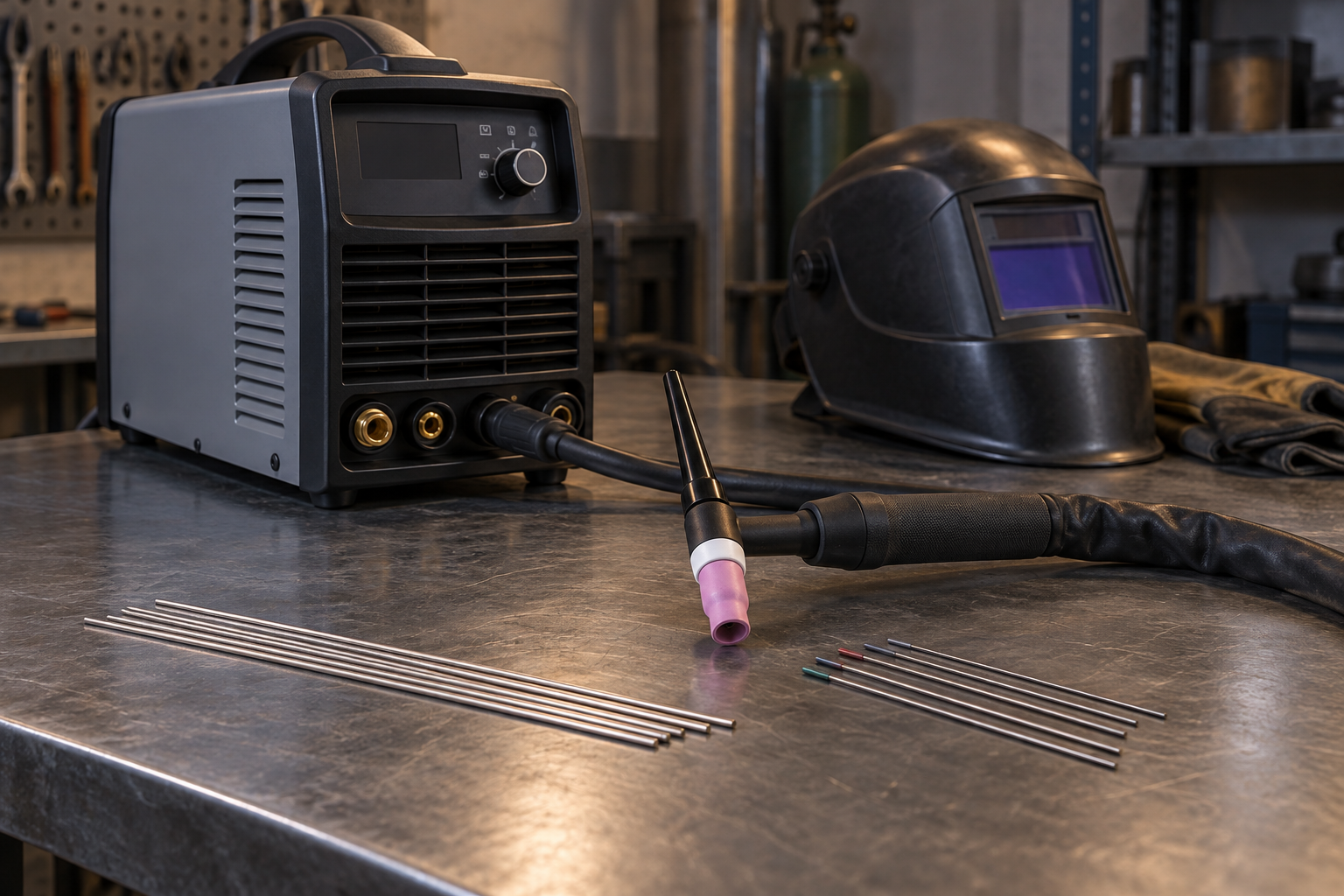
Best TIG Welders for Welding Stainless Steel Tube Joints
Stainless steel tube joints are unforgiving. Thin wall sections can burn through before the puddle looks large enough, while excess heat leaves heavy…

1988 articles published
Stainless steel tube joints are unforgiving. Thin wall sections can burn through before the puddle looks large enough, while excess heat leaves heavy…
Mild steel brackets are a good fit for TIG when appearance, access, or heat control matters more than speed.
A TIG welder with separate amperage and pulse controls lets you set welding current independently from the pulse parameters.
On a TIG welder, preflow releases shielding gas before the arc starts; postflow keeps gas flowing after it stops.
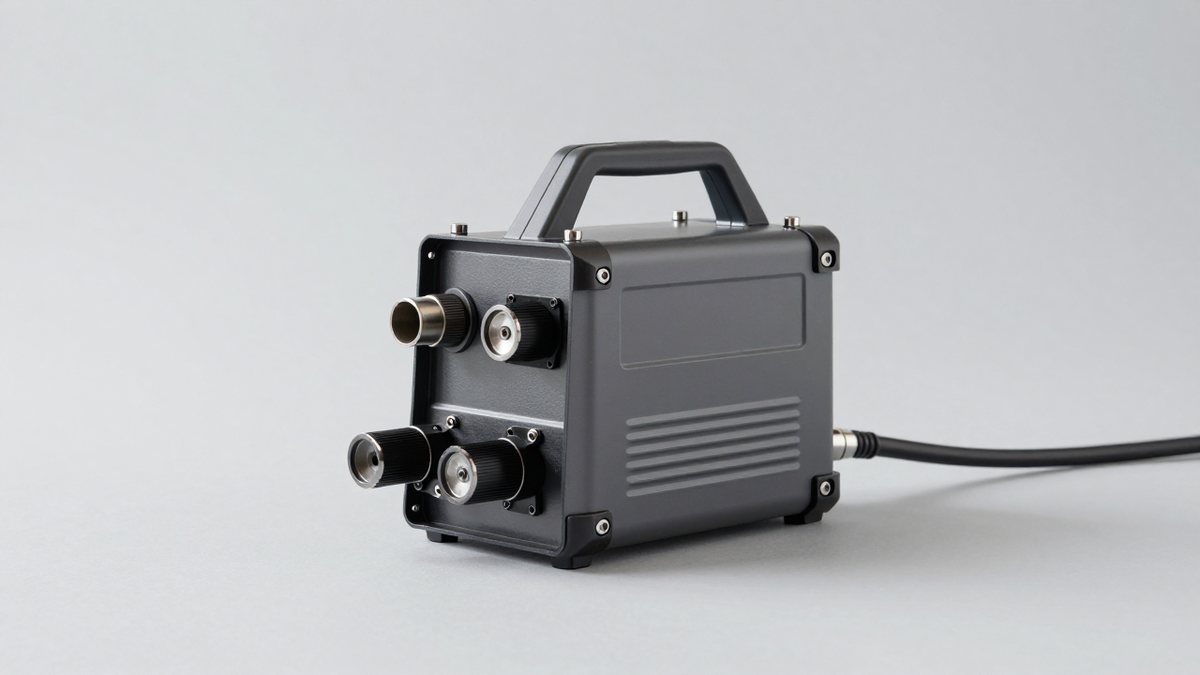
Titanium exhaust tubing is thin, expensive, and unforgiving of contamination. TIG gives you precise control over heat and filler, which matters when…
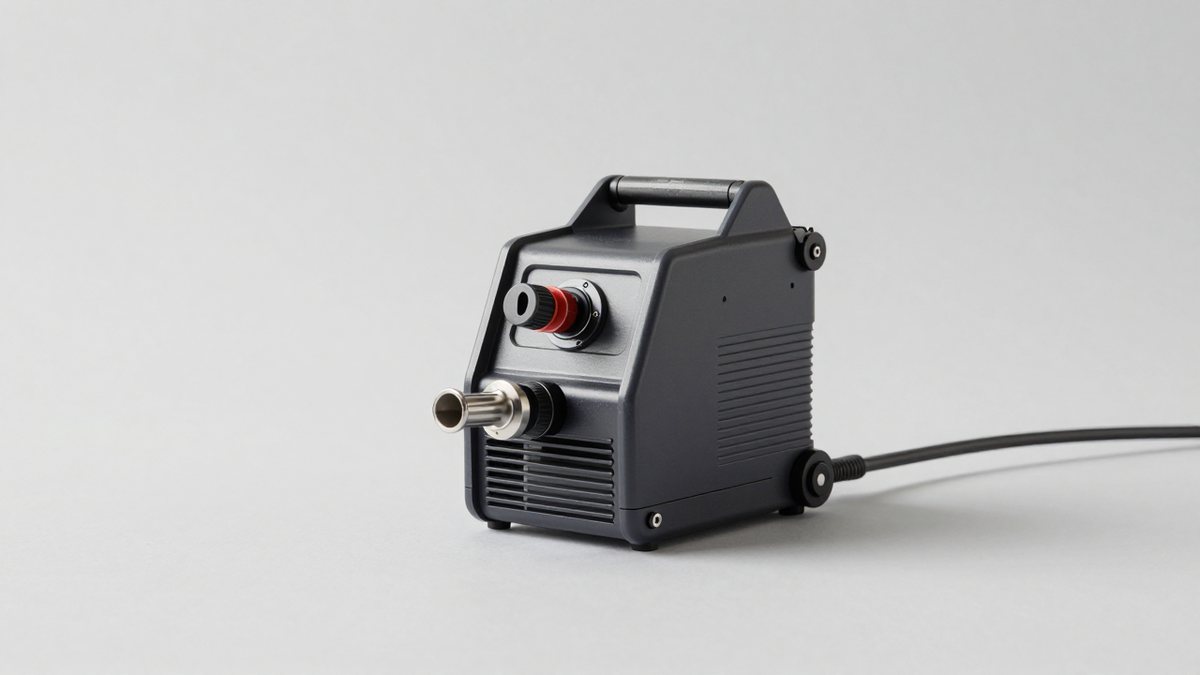
Thin stainless sheet is easy to burn through and easy to distort. For seams in roughly 20–18 gauge material, a TIG welder with a stable low-amp arc, a…
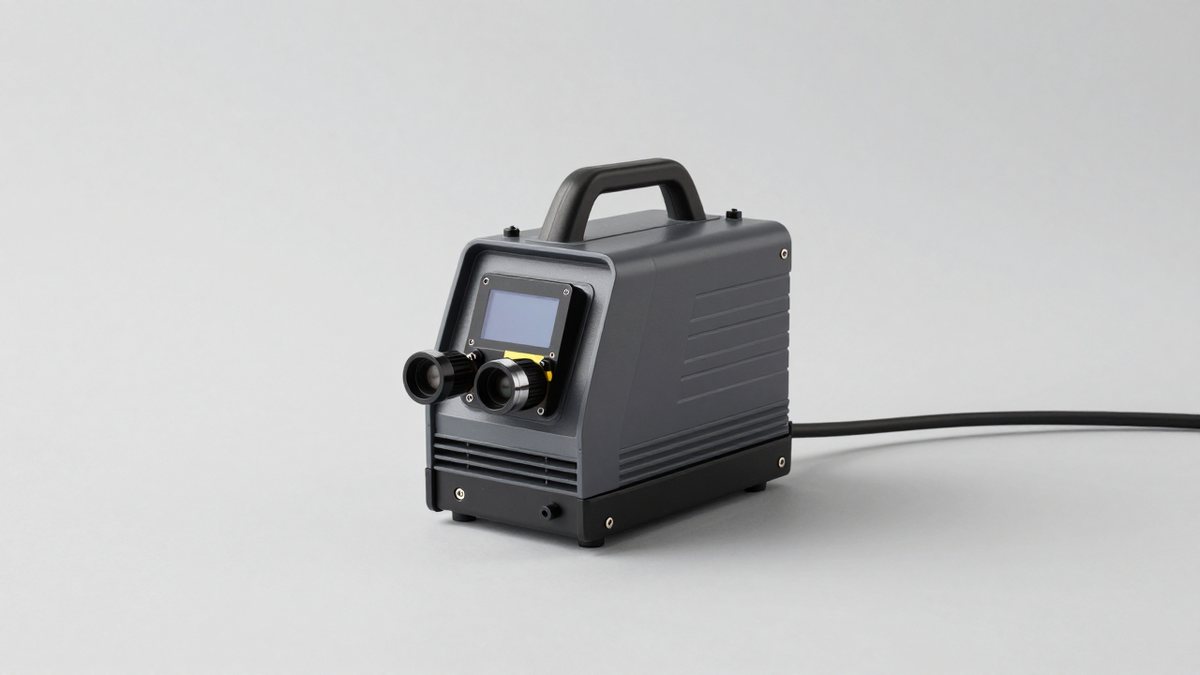
Carbon steel tooling—dies, fixtures, jigs, forming blocks, and repairable shop tools—rewards controlled TIG welding.

Nickel alloys are less forgiving than ordinary mild steel. Inconel, Monel and nickel 200-series material can crack, distort or pick up contamination if…

Repairing an aluminum casting is a tougher job than welding clean sheet or plate.
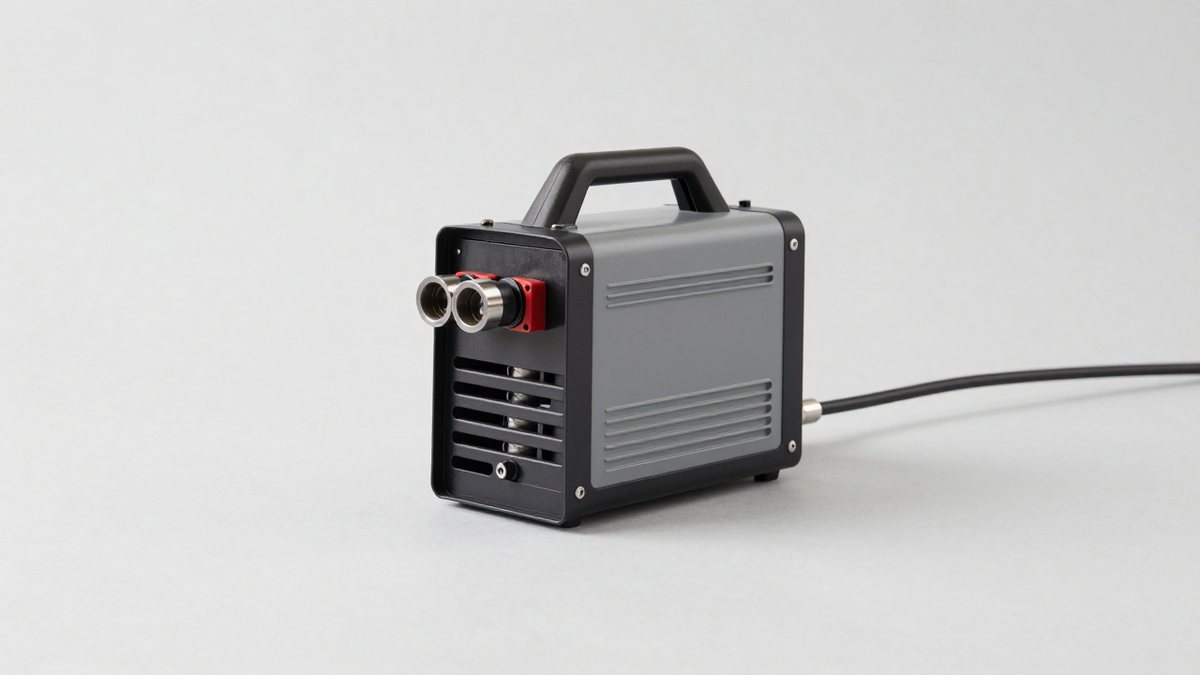
Aluminum motorcycle parts are among the least forgiving jobs for a TIG welder. Engine covers, brackets, subframes, rearsets, and fabricated fuel or oil…