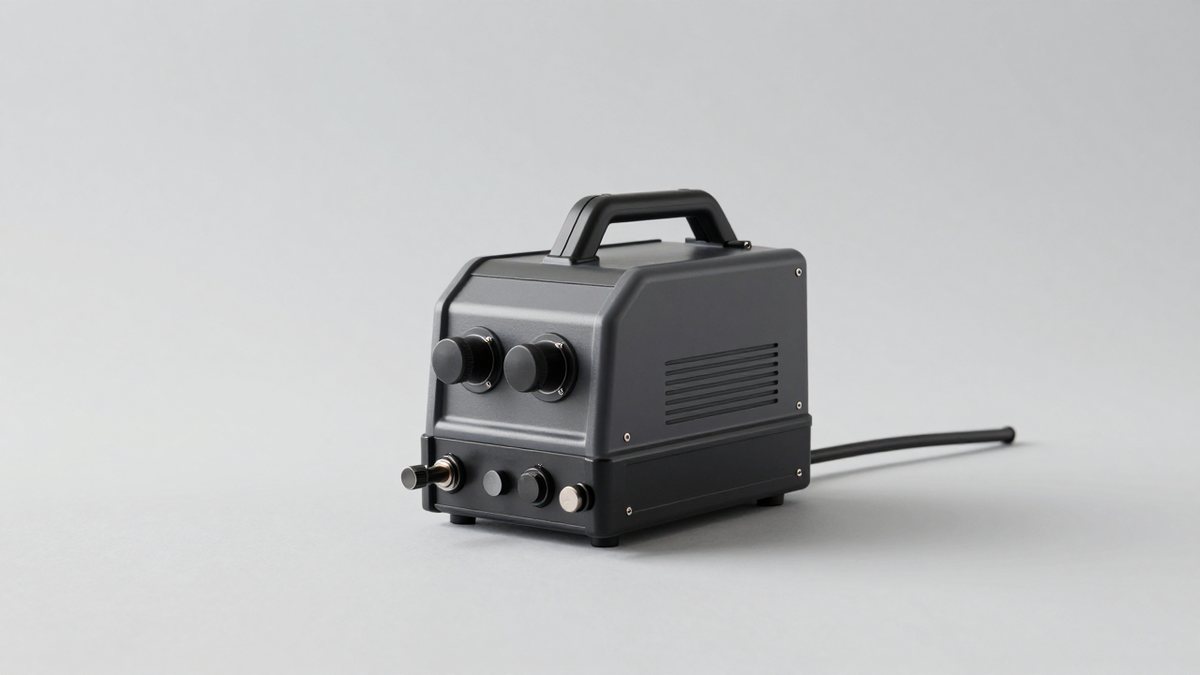
Best TIG Welders with High-Frequency Start for Stainless Work
For stainless TIG work, high-frequency (HF) start is a practical way to start the arc without touching the tungsten to the work.

1855 articles published
For stainless TIG work, high-frequency (HF) start is a practical way to start the arc without touching the tungsten to the work.
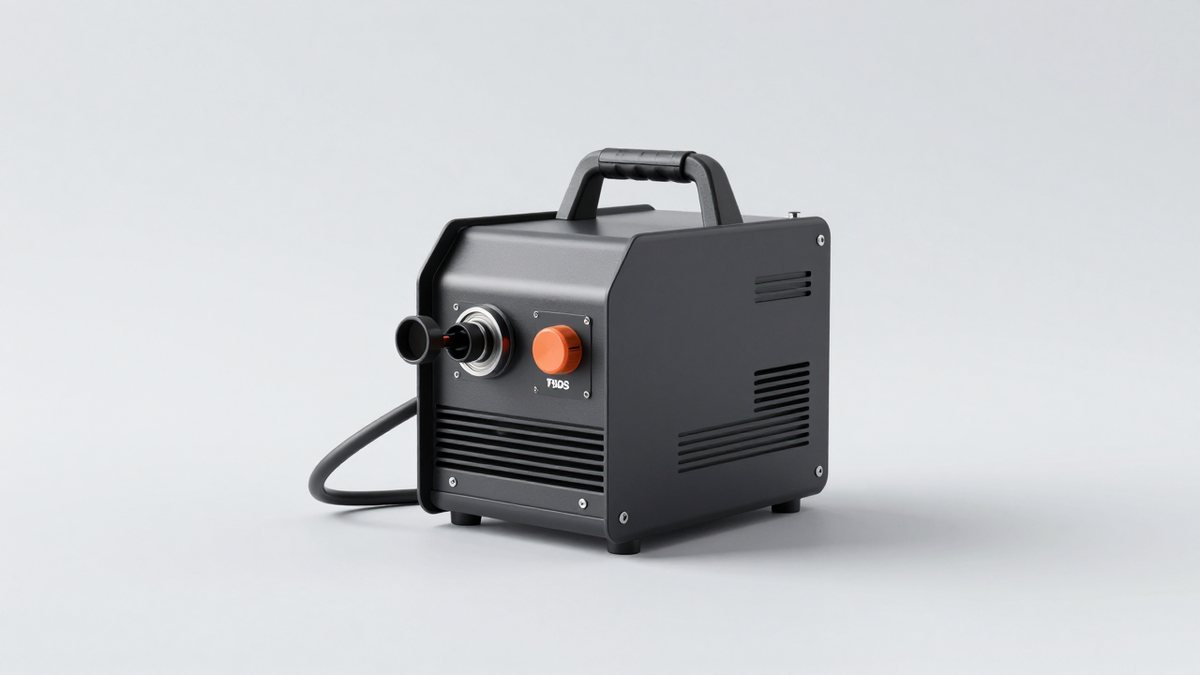
Welding dissimilar stainless steel grades is less about finding a powerful machine and more about controlling heat, shielding, and filler selection.
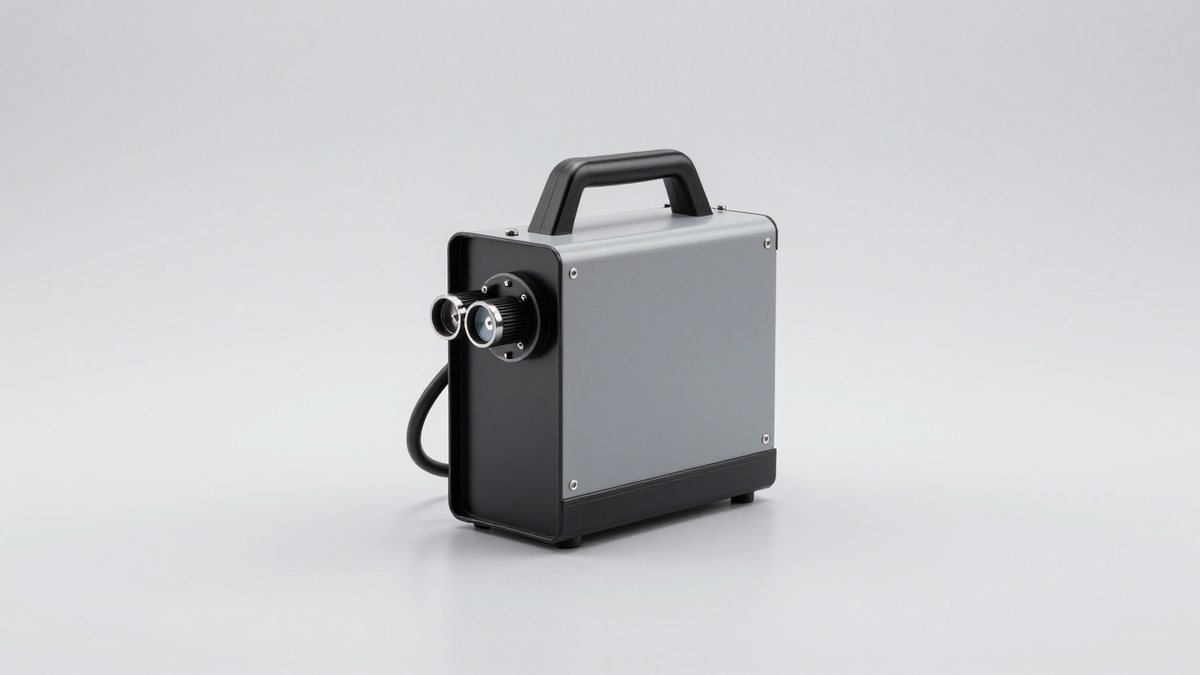
Thin carbon steel tubing is usually harder to TIG weld than thicker plate because the workpiece heats up quickly.
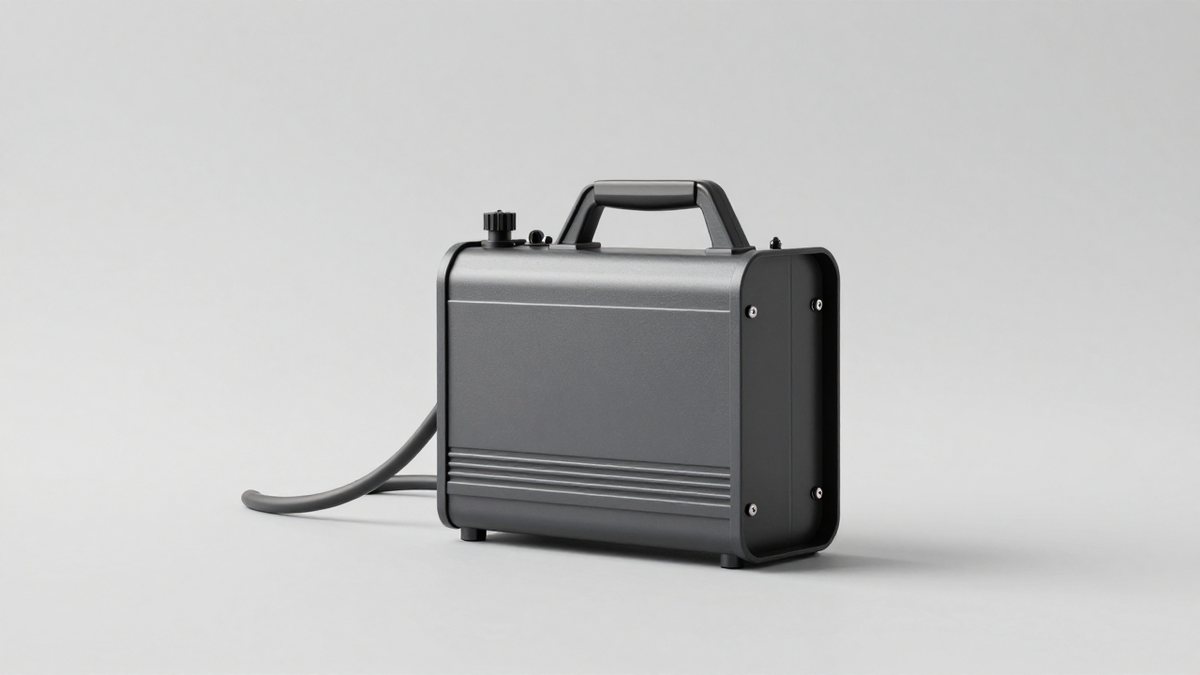
Aluminum sheet lap joints are unforgiving: thin stock can melt back before a puddle forms, while a dirty or poorly fitted overlap traps oxide and…
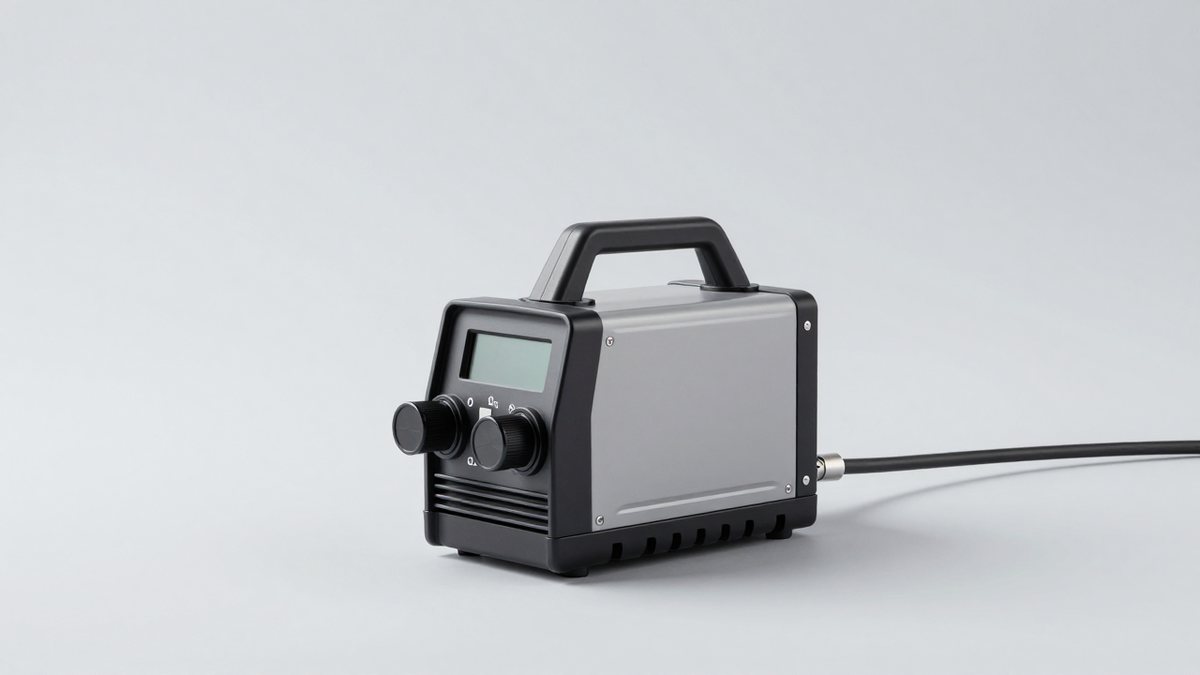
Small stainless steel instrument panels are a demanding TIG job. The material is thin, the visible side must stay clean, and heat distortion can ruin a…
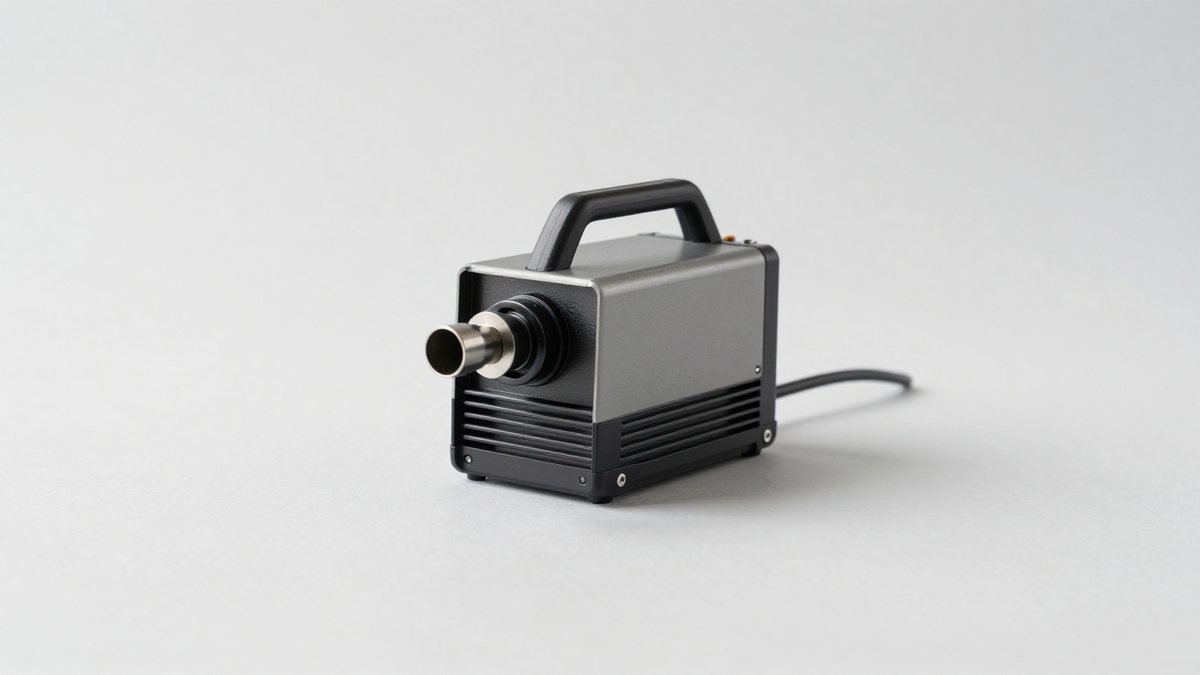
For bench TIG welding, a remote torch control lets you adjust welding current without lifting the torch or reaching for the machine.
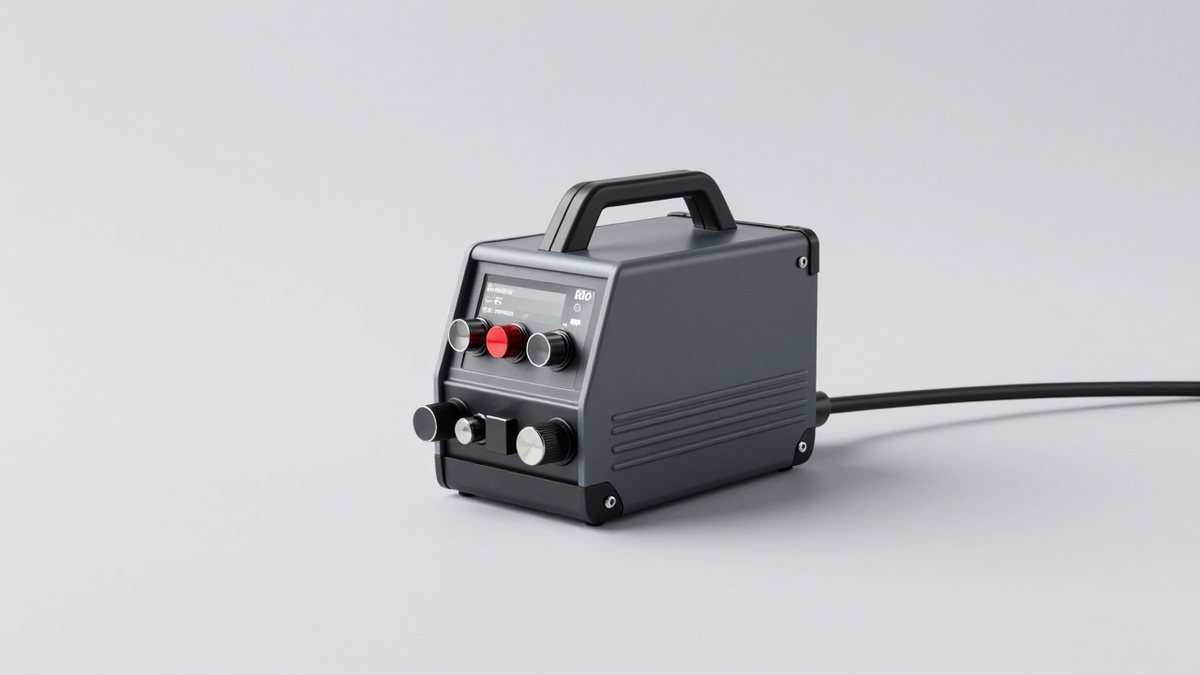
Repairing a cracked aluminum transmission case is not ordinary thin-sheet TIG work.
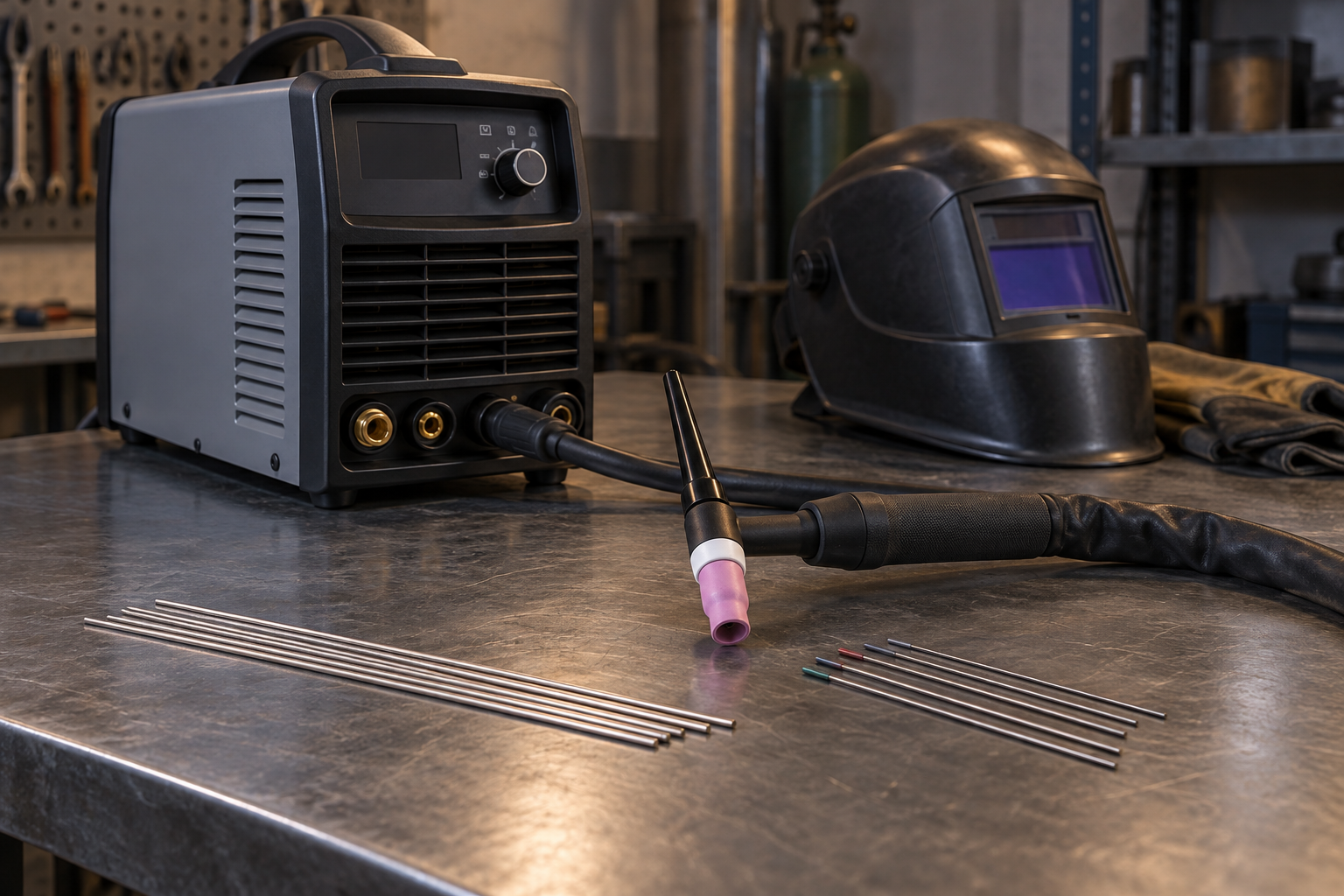
Stainless steel tube joints are unforgiving. Thin wall sections can burn through before the puddle looks large enough, while excess heat leaves heavy…
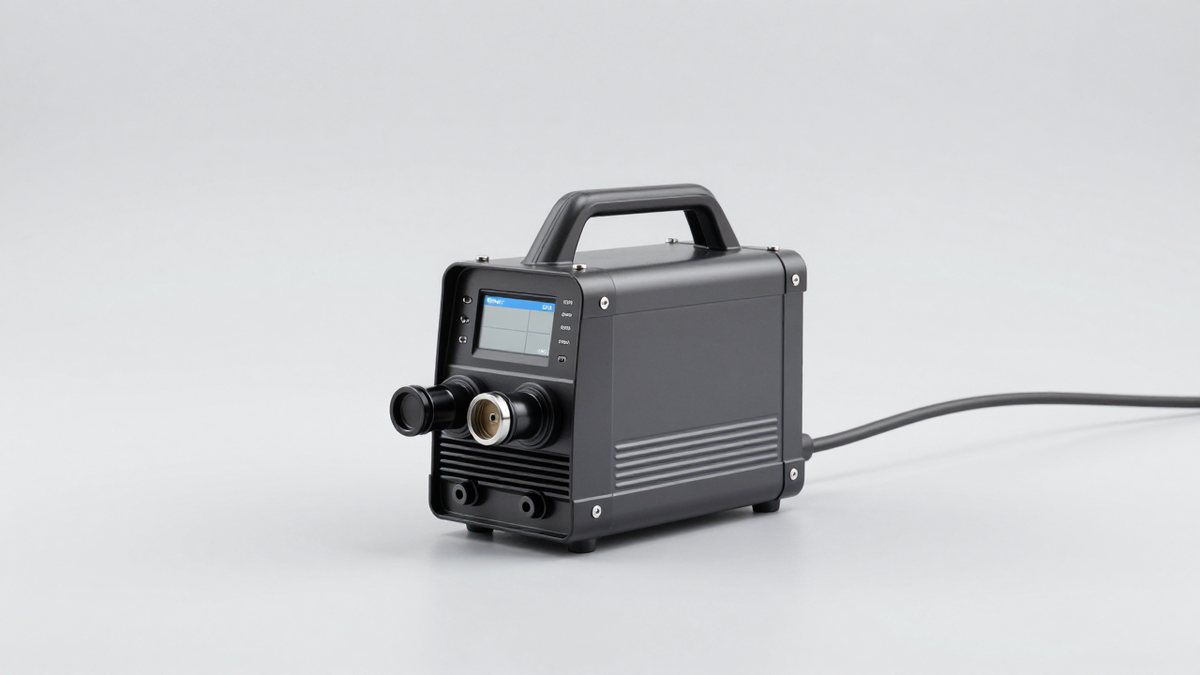
Mild steel brackets are a good fit for TIG when appearance, access, or heat control matters more than speed.
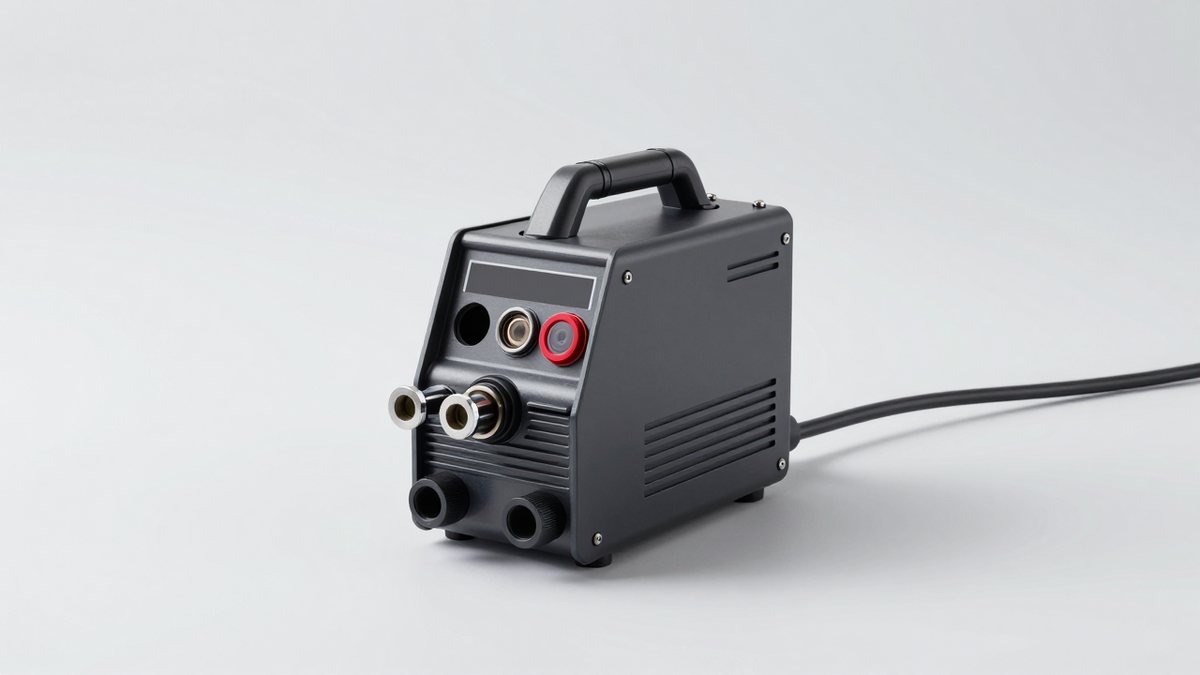
A TIG welder with separate amperage and pulse controls lets you set welding current independently from the pulse parameters.