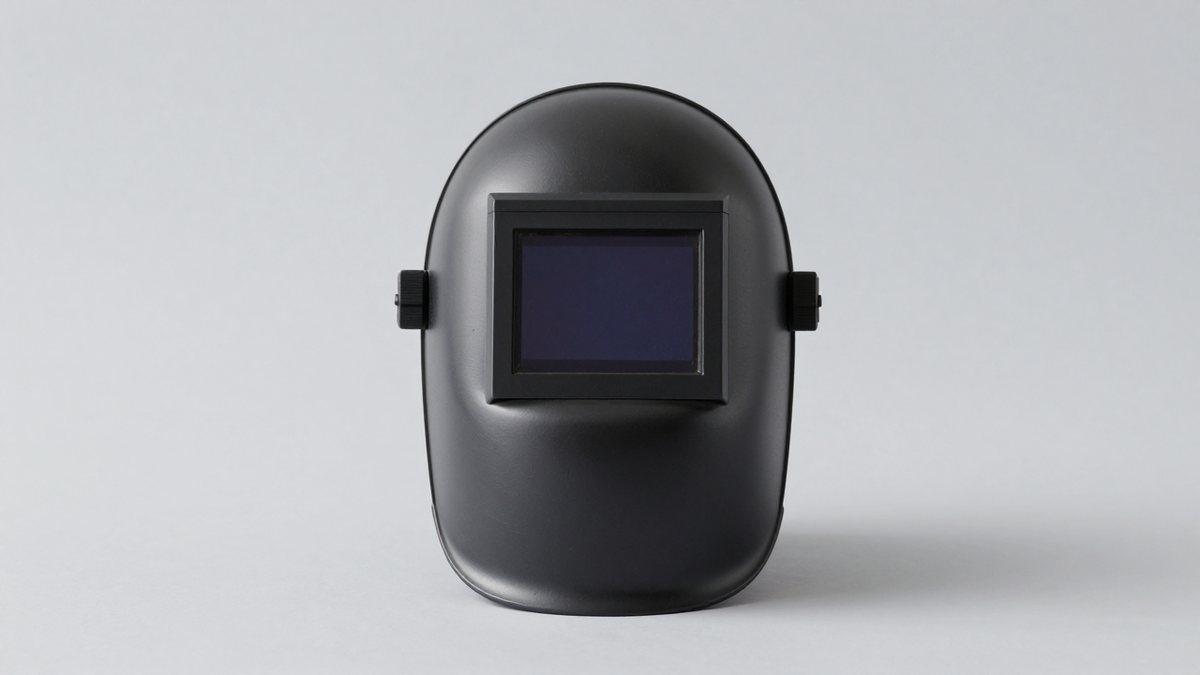
Best Welding Helmets for Narrow Spaces and Confined Welds
Welding in a vehicle frame, boiler, tank, pipe rack, or tight fabrication corner changes what matters in a helmet.

1845 articles published
Welding in a vehicle frame, boiler, tank, pipe rack, or tight fabrication corner changes what matters in a helmet.
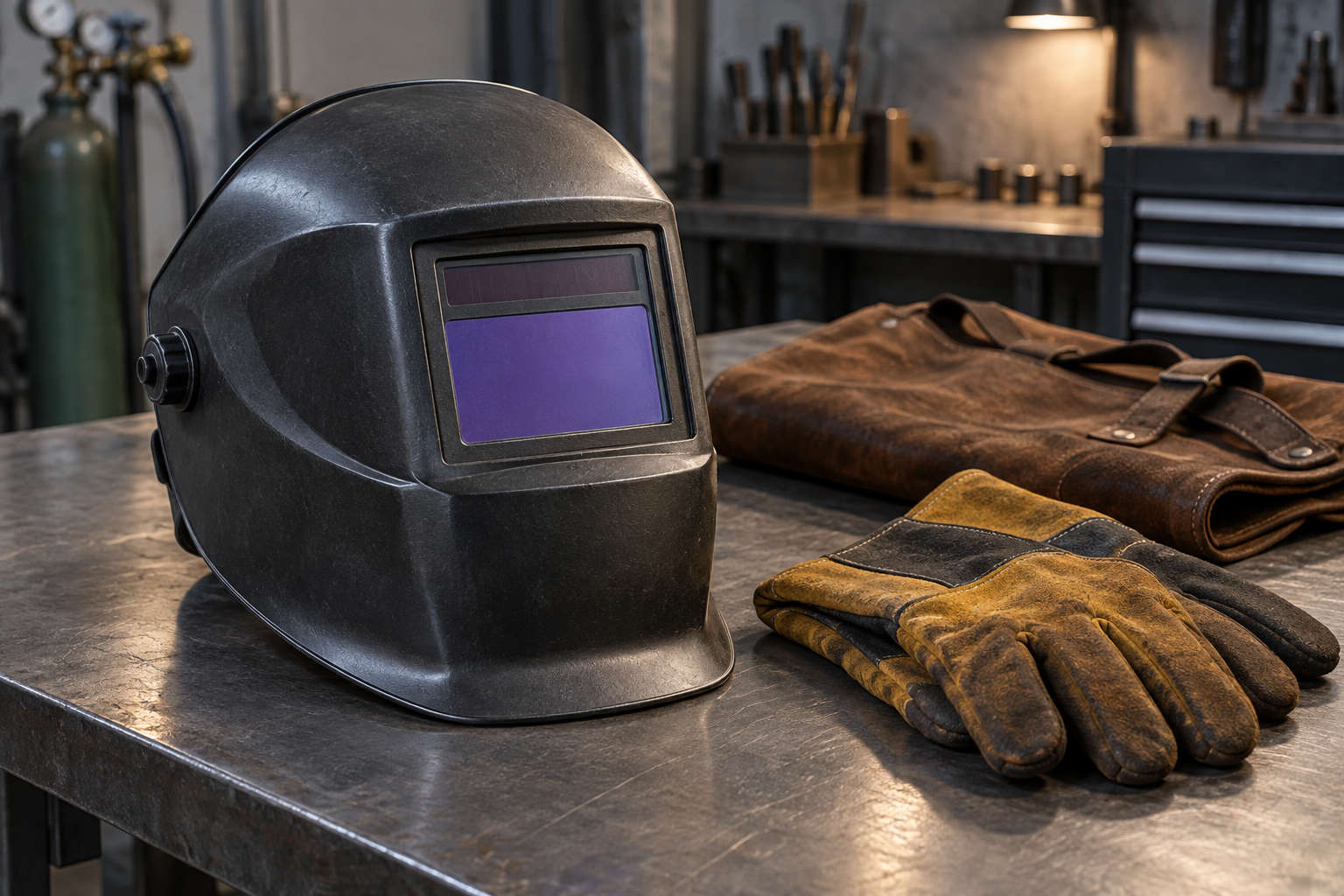
A multi-process welding station may switch from bright, high-amperage MIG to low-amp TIG, stick welding, and plasma cutting in the same afternoon.
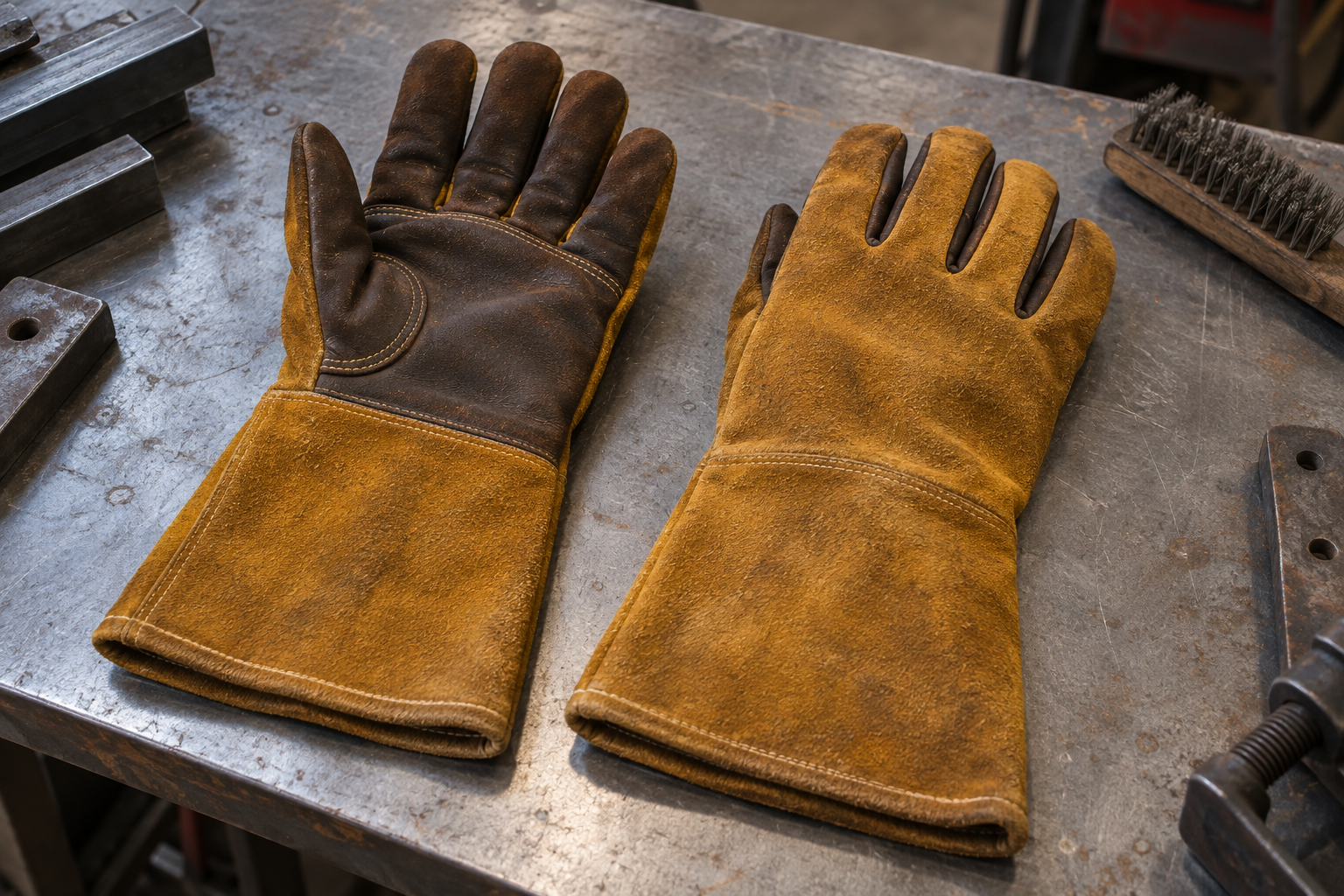
Thin stainless steel leaves little room for clumsy hand movements. A thick, stiff glove can make it harder to steady the torch, feed filler wire, and hold…
Overhead welding is harder on a helmet than flat or horizontal work. Gravity sends molten spatter, slag, smoke and grinding debris toward the lens, top…
High-amperage stick welding puts more heat, light and spatter near your face than routine light fabrication.
Prescription glasses and welding helmets can work together, but only if the helmet has enough internal clearance and the lens is positioned correctly.
A welding helmet’s cover lenses are the clear, sacrificial pieces that protect the auto-darkening filter (ADF) from spatter, scratches, smoke residue and…
Slag, spatter and sharp edges can hide defects or interfere with the next pass. Grinding them off is part of the weld sequence, not an excuse to keep the…
A true-color auto-darkening lens uses a filter that shows the weld area with less of the strong green cast common in older helmets.
Low-amperage TIG exposes weaknesses in a welding helmet that are easy to miss with MIG or high-current stick welding.