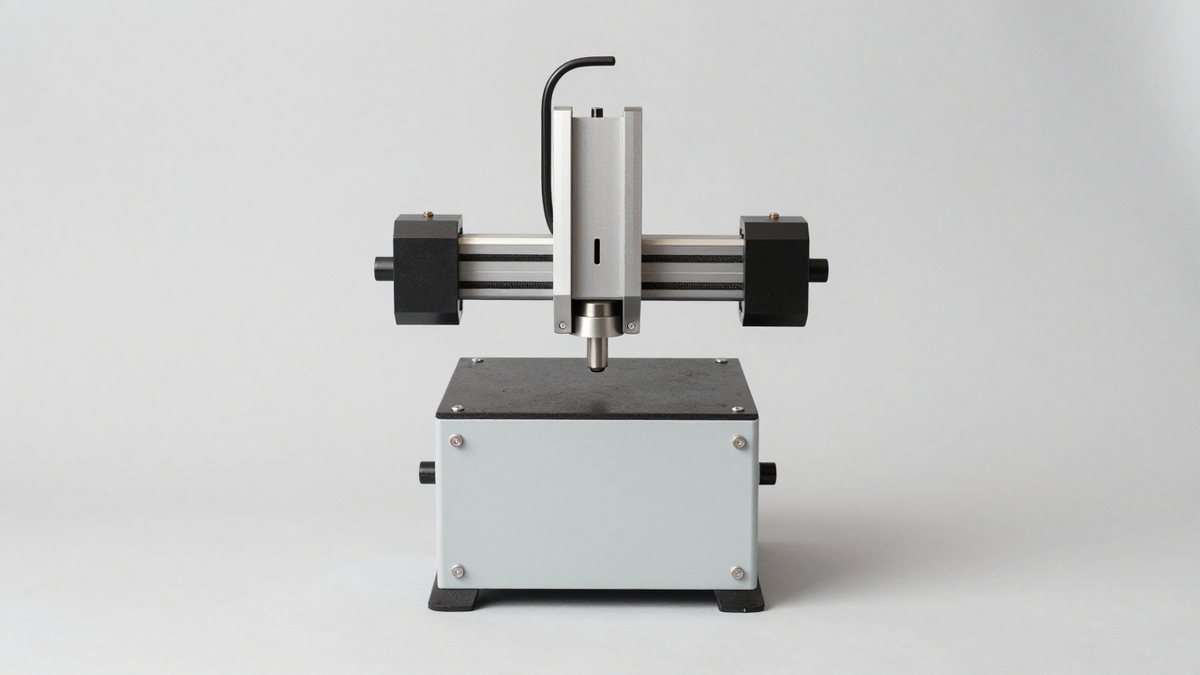
Best Welding Positioners for Repeating Small TIG Welds
Repeating small TIG welds is where a basic rotary positioner can save more time than a larger welder.

1845 articles published
Repeating small TIG welds is where a basic rotary positioner can save more time than a larger welder.
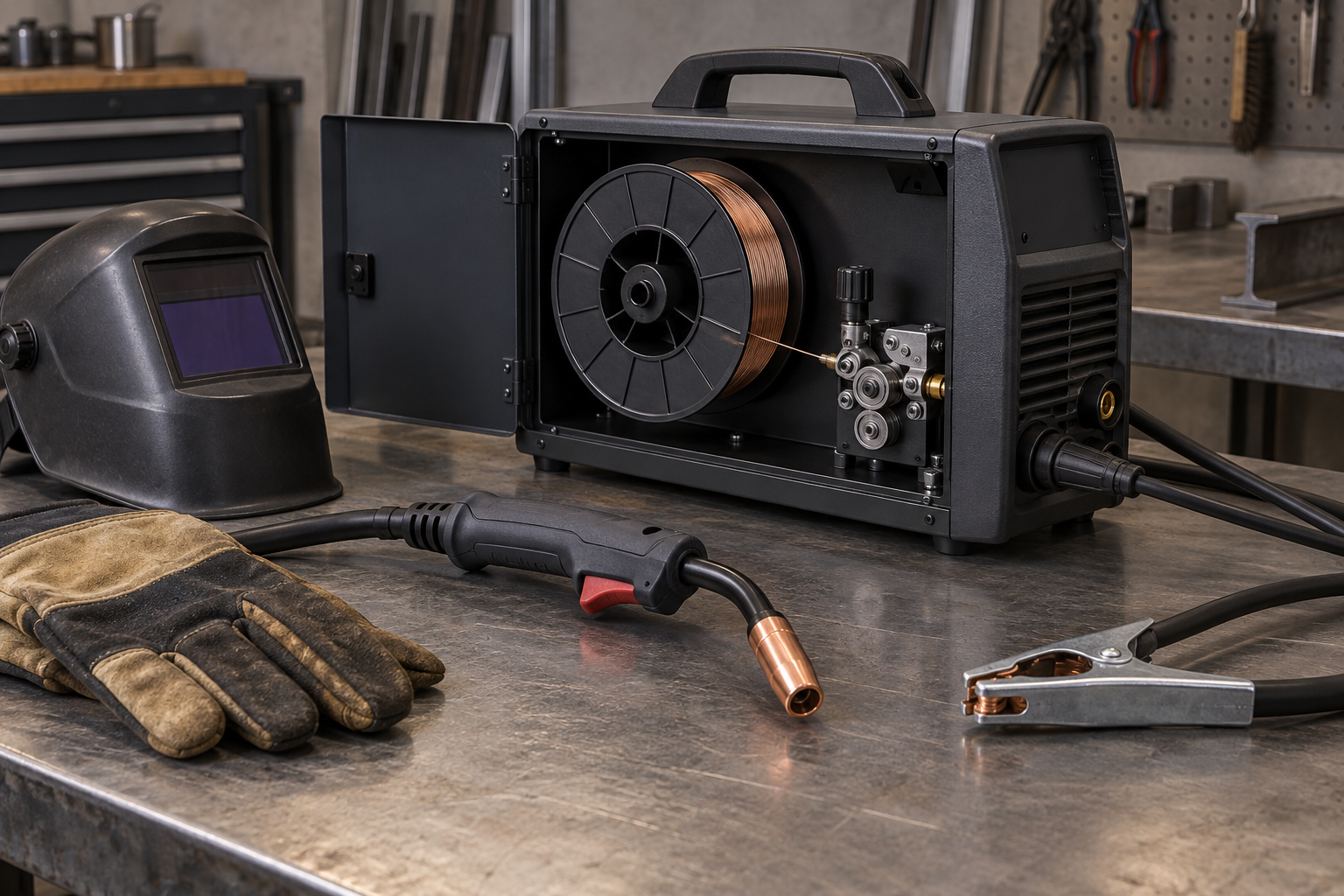
Outdoor steel equipment—trailers, gates, mower decks, brackets, racks, and farm implements—often has one problem in common: the steel is dirty, rusty…
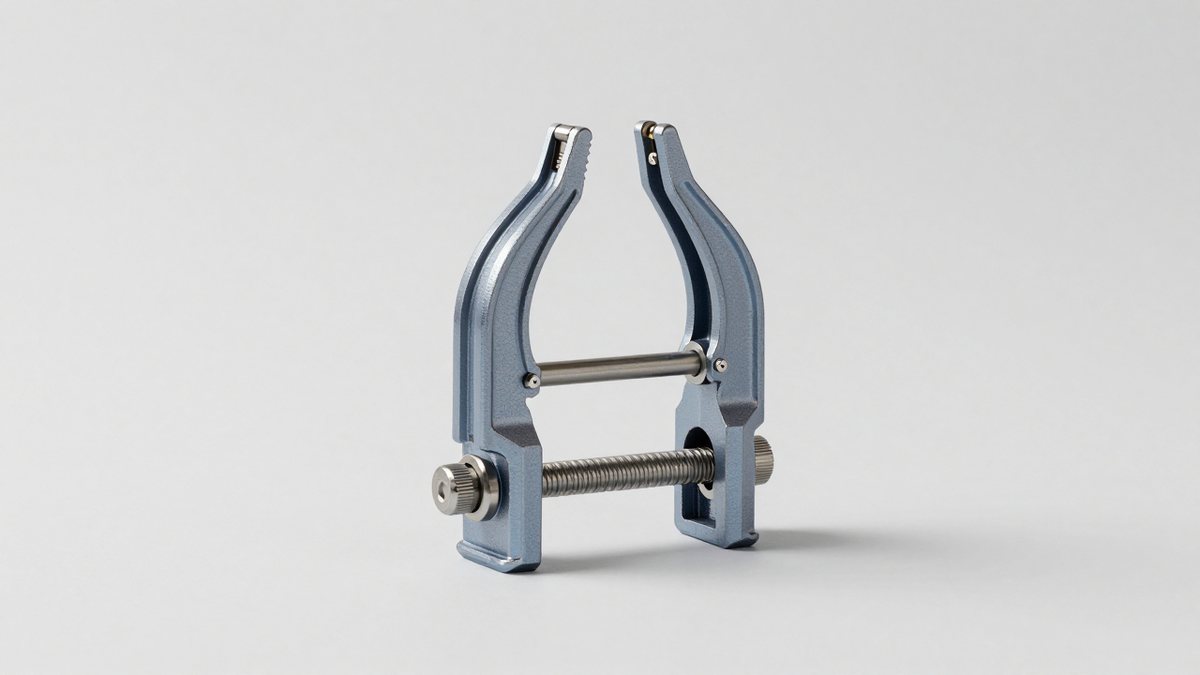
Sheet metal moves easily during tack-up. Heat pulls the joint out of alignment, a small gap can close before the first tack cools, and a clamp with too…
Welding magnets are useful for holding square tube, angle iron, sheet, and flat bar while you tack a joint. They are not precision fixtures, though.
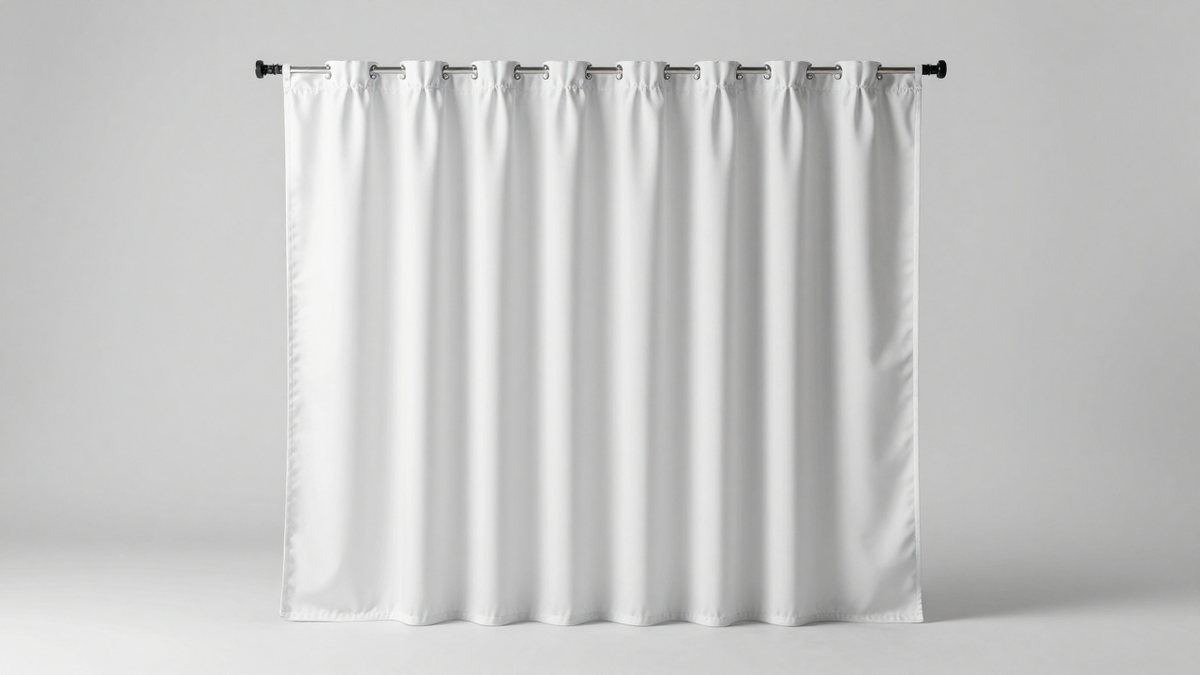
Shared welding bays need more than a visual divider. A suitable curtain limits arc flash, reduces ultraviolet exposure to nearby workers, contains sparks…
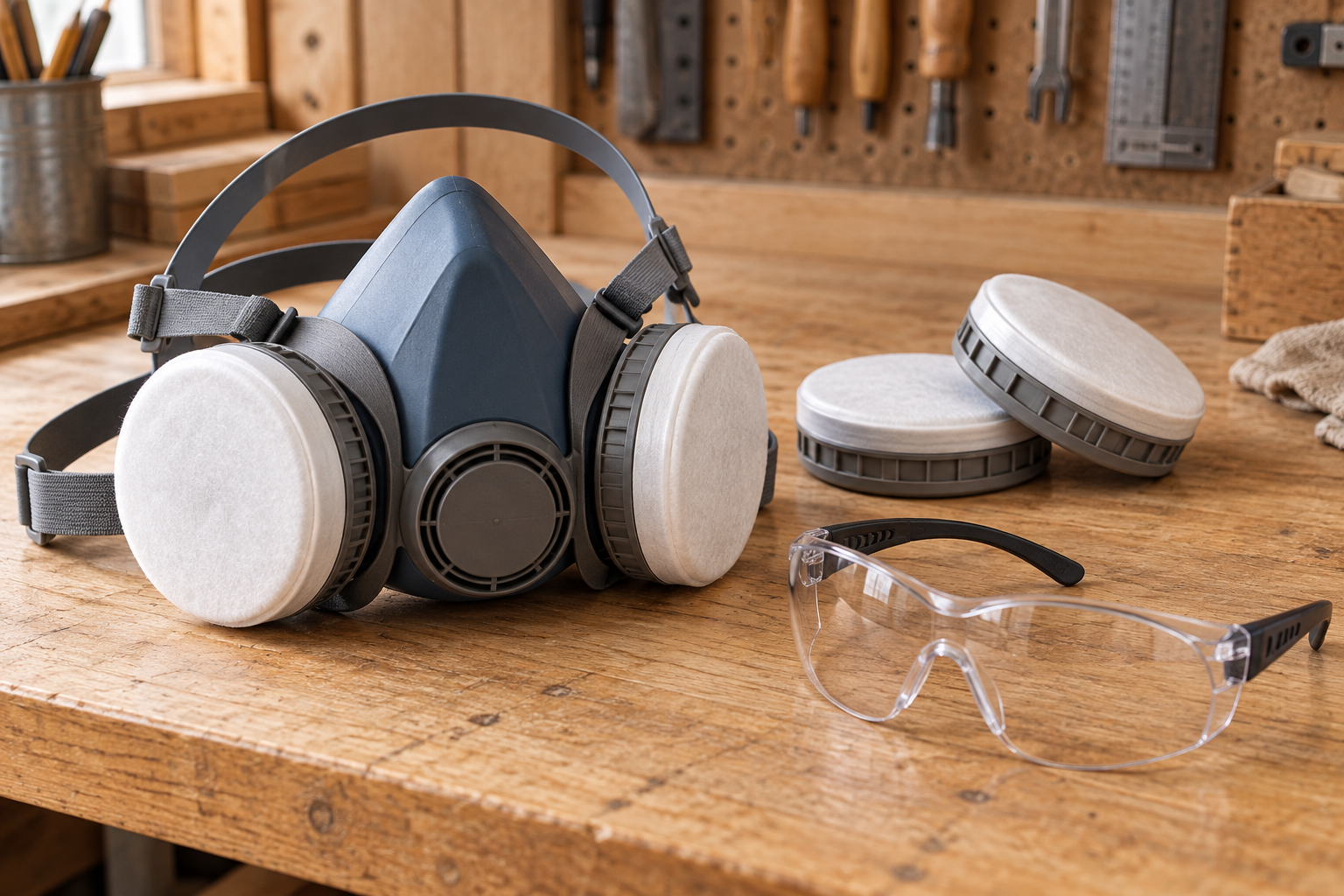
Welding respirators are not a substitute for fume extraction, but they are an important second line of defense when metalwork creates smoke faster than…
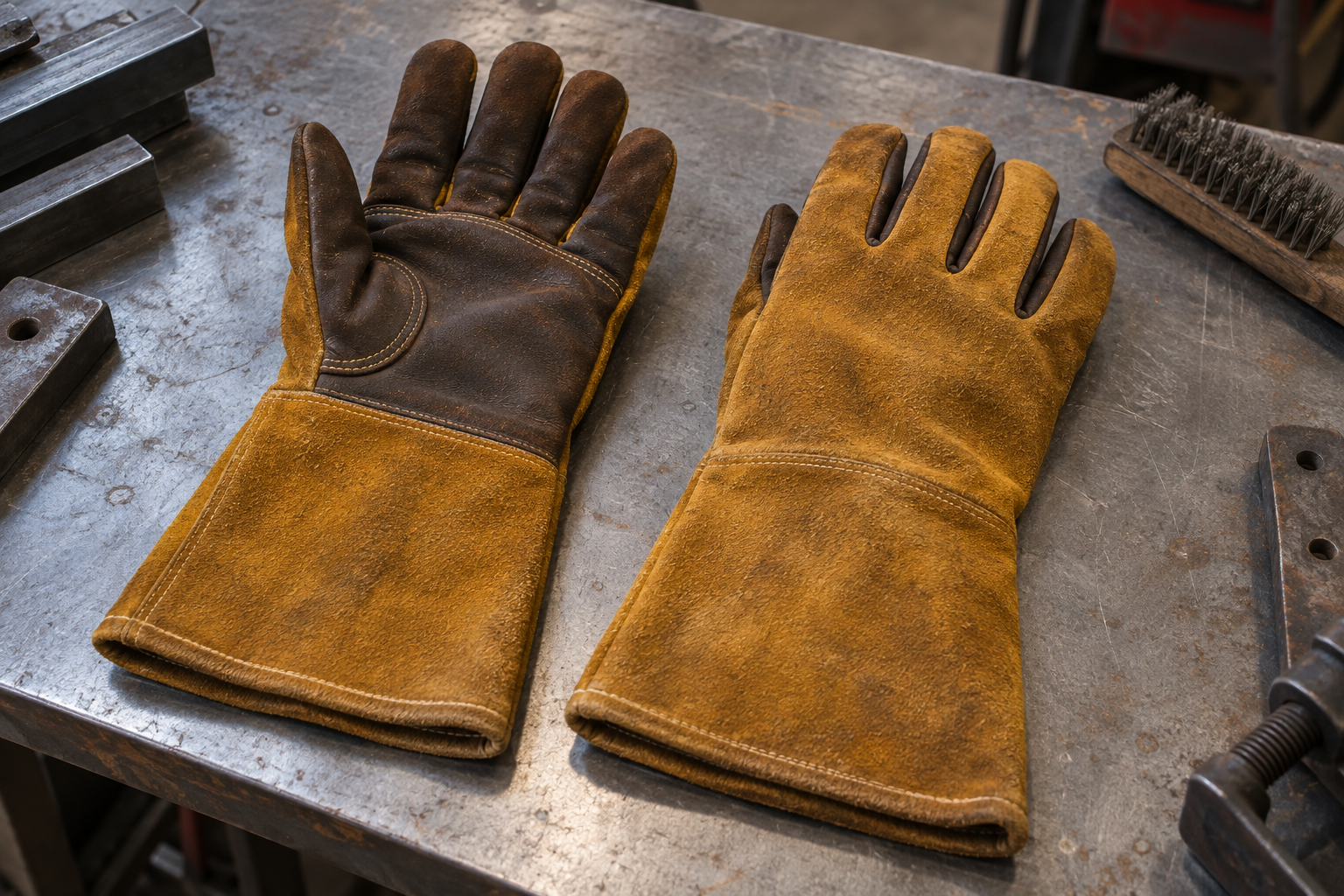
Long MIG fabrication sessions punish gloves in ways a short repair job does not. Heat builds in the fingers, sweat softens the lining, and repeated…
Overhead welding turns ordinary sparks into a clothing problem. Molten spatter falls onto your shoulders, arms, gloves, and boots, while radiant heat…
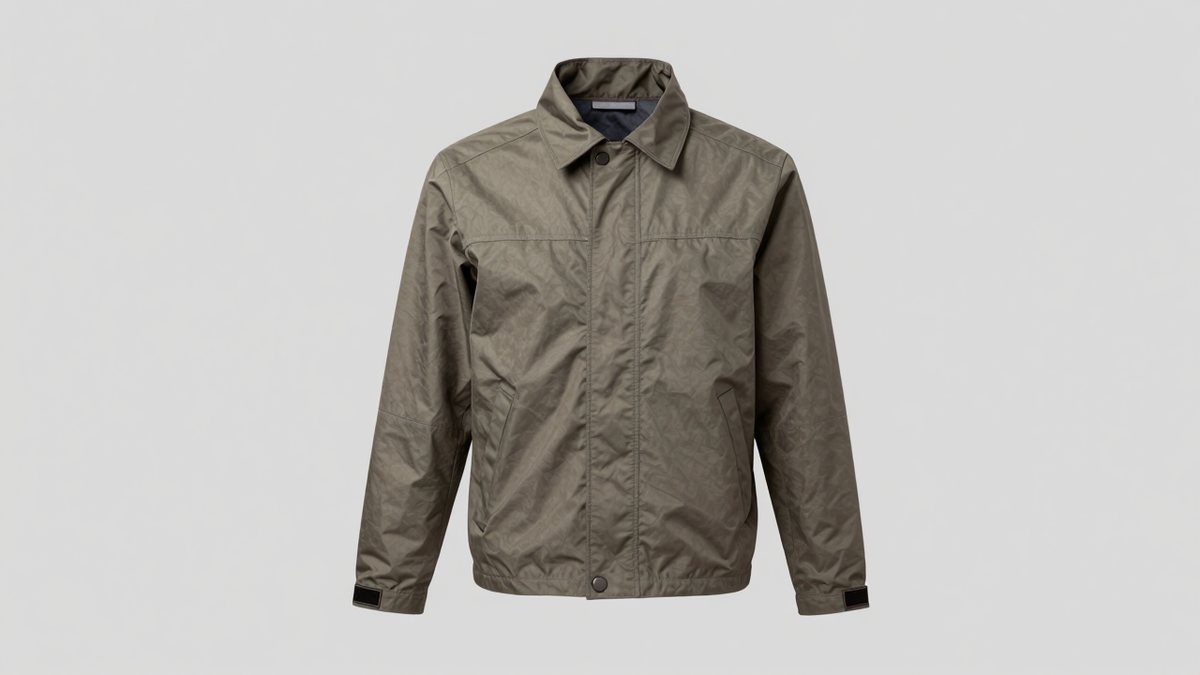
Hot-weather welding is a compromise between protection and heat stress. A heavy leather jacket protects well from sparks, spatter, and radiant heat, but…
Stick welding is harder on gloves than MIG or TIG work. The electrode holder, hot rod stubs, slag, and freshly welded steel all add heat.