Read more about the article How to Clean Spatter from a MIG Welding Nozzle
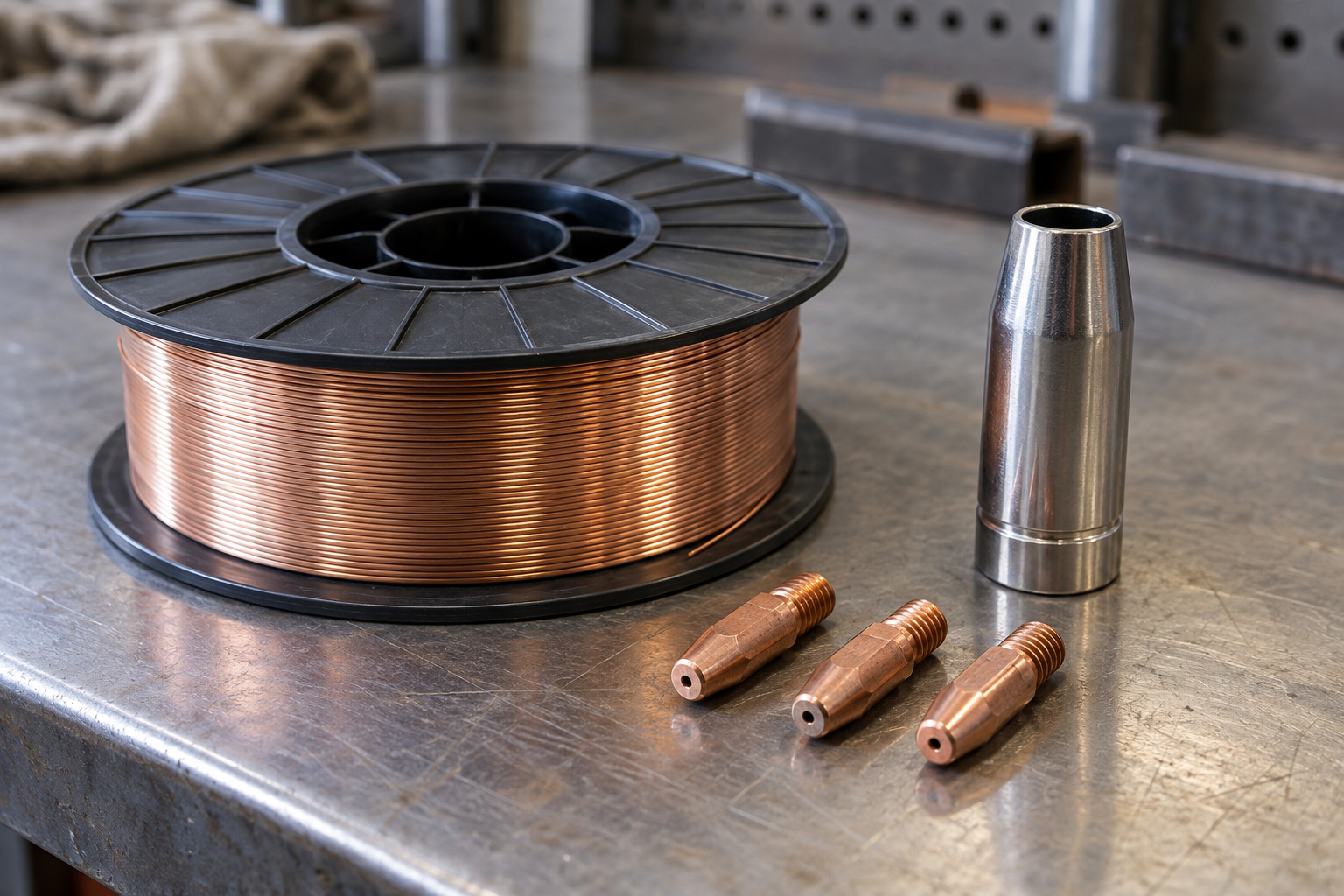
AI-generated editorial illustration of mig wire and tips. Representative context; not a specific product, tested result or step-by-step diagram.

How to Clean Spatter from a MIG Welding Nozzle

Why spatter builds up in a MIG nozzle MIG welding spatter sticks to the inside of the nozzle when molten droplets hit the cooler metal and fuse there. A little…
Continue ReadingHow to Clean Spatter from a MIG Welding Nozzle
Read more about the article How to Replace a MIG Welder Contact Tip Correctly
AI-generated editorial illustration of mig wire and tips. Representative context; not a specific product, tested result or step-by-step diagram.

How to Replace a MIG Welder Contact Tip Correctly

A MIG welder’s contact tip is a small, consumable part, but it directly affects arc stability, wire feeding and weld quality. It transfers welding current to the wire while allowing…

Continue ReadingHow to Replace a MIG Welder Contact Tip Correctly
Read more about the article How to Inspect a Welding Ground Clamp Before Use
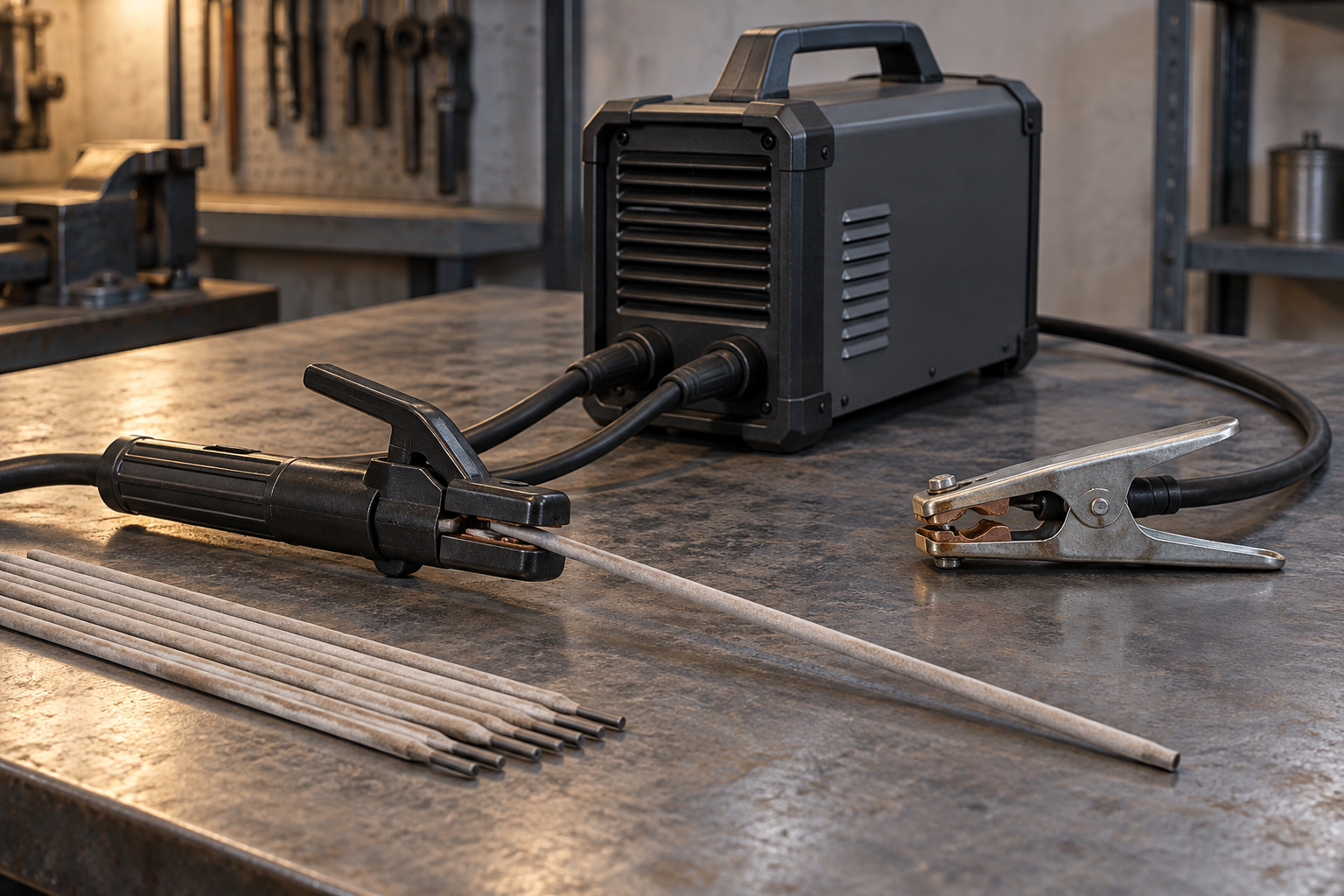
AI-generated editorial illustration of stick welder. Generic context, not an exact product photograph or engineering drawing.

How to Inspect a Welding Ground Clamp Before Use

A welding ground clamp is a small part, but it carries the full welding current back to the machine. A weak connection can cause arc instability, excessive heat, poor penetration,…

Continue ReadingHow to Inspect a Welding Ground Clamp Before Use
Read more about the article How to Calculate Welding Heat Input for a Steel Joint
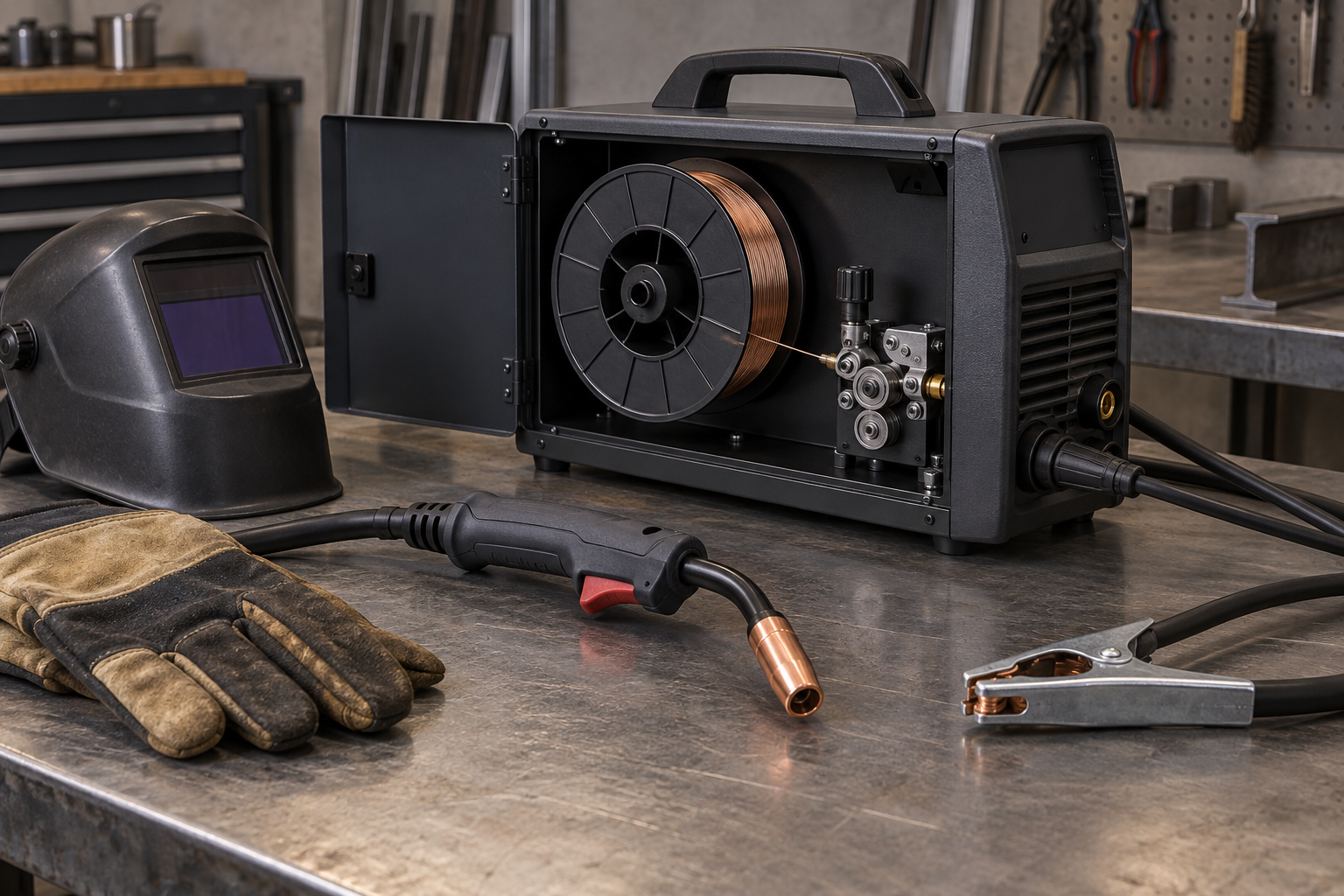
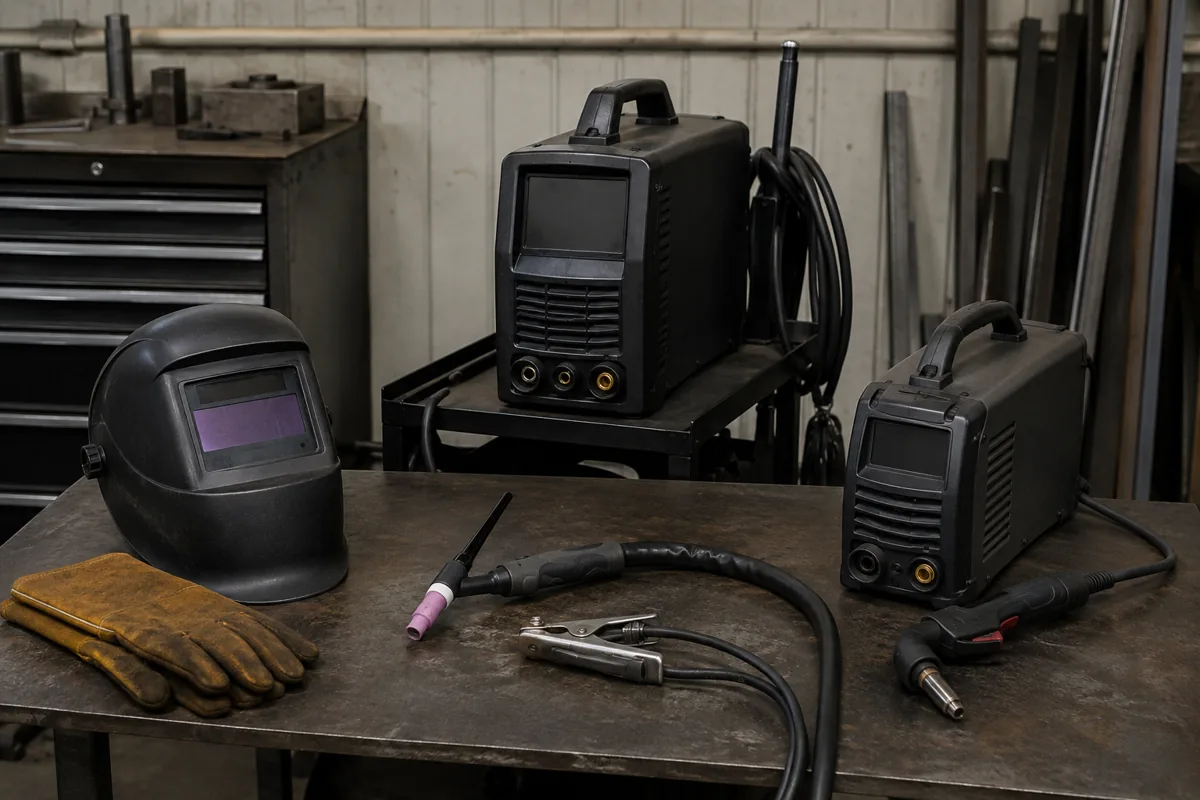
Editorial illustration of welding machines with MIG and TIG torches, helmet and gloves. Generic context; not an exact product photograph.

How to Calculate Welding Heat Input for a Steel Joint

Welding heat input is the amount of arc energy delivered to a joint for a given length of weld. It affects penetration, bead size, cooling rate, distortion, and the properties…

Continue ReadingHow to Calculate Welding Heat Input for a Steel Joint
Read more about the article How to Read MIG Welder Duty Cycle Ratings for Shop Work
AI-generated editorial illustration of mig welder. Generic context, not an exact product photograph or engineering drawing.

How to Read MIG Welder Duty Cycle Ratings for Shop Work

A MIG welder’s duty cycle tells you how long it can weld before it needs to cool down. It is one of the most useful specifications when comparing machines, but…

Continue ReadingHow to Read MIG Welder Duty Cycle Ratings for Shop Work
Read more about the article How to Prevent Burn-Through When Welding Thin Sheet Metal
Editorial illustration of welding machines with MIG and TIG torches, helmet and gloves. Generic context; not an exact product photograph.

How to Prevent Burn-Through When Welding Thin Sheet Metal

Burn-through happens when the weld puddle stays hot for too long and melts completely through the sheet. Thin steel, stainless, and aluminum have little thermal mass, so a setting that…

Continue ReadingHow to Prevent Burn-Through When Welding Thin Sheet Metal
Read more about the article How to Choose a Welding Cable Size for Long Leads
AI-generated editorial illustration of stick welder. Generic context, not an exact product photograph or engineering drawing.

How to Choose a Welding Cable Size for Long Leads

Why Cable Size Matters on Long Welding Leads Long welding leads create two problems: voltage drop and heat. A cable that works perfectly at 25 feet can make an arc…

Continue ReadingHow to Choose a Welding Cable Size for Long Leads
Read more about the article How to Clean Mill Scale Before Welding Carbon Steel
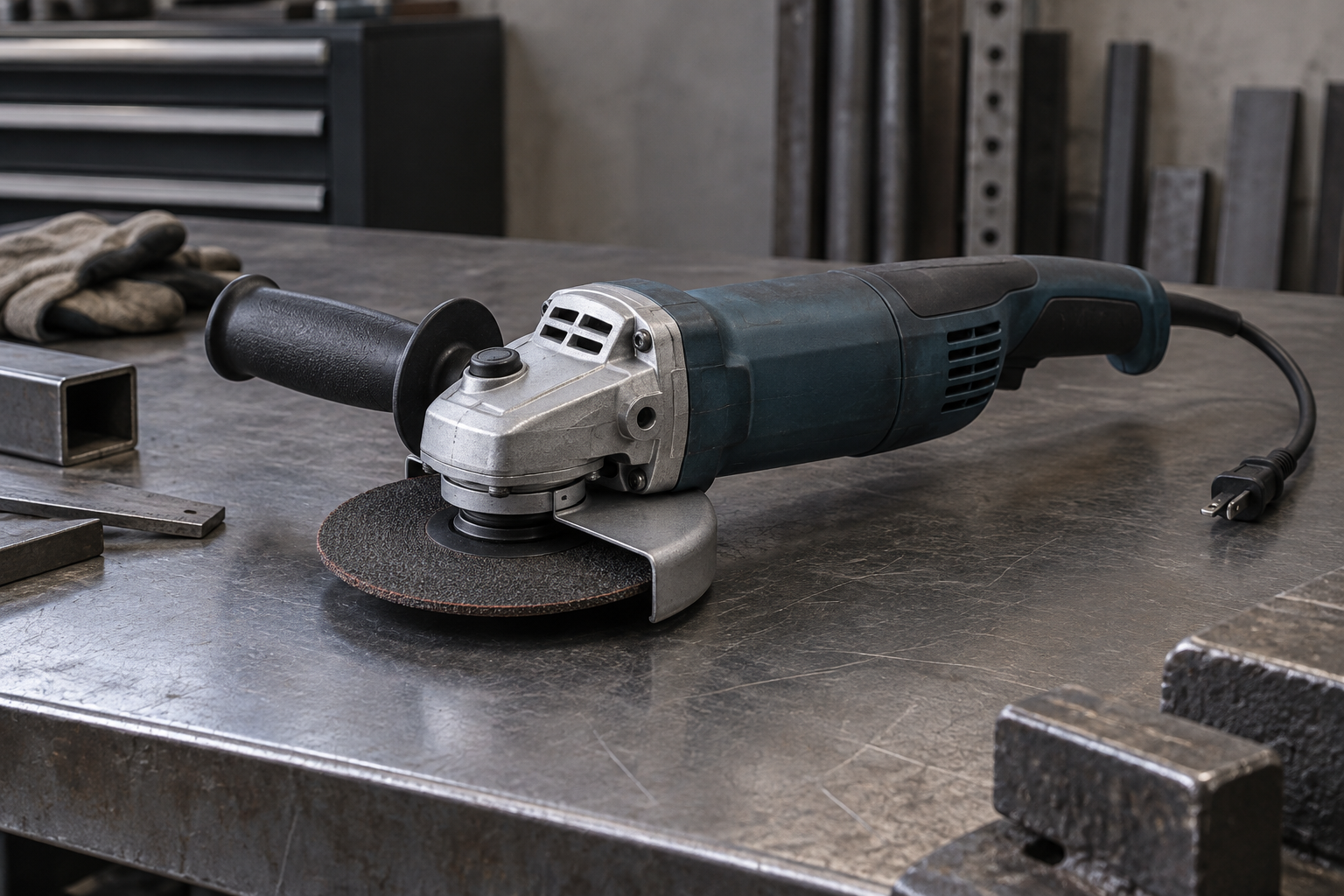
AI-generated editorial illustration of angle grinder. Representative context; not a specific product, tested result or step-by-step diagram.

How to Clean Mill Scale Before Welding Carbon Steel

Mill scale is the hard, dark oxide layer left on carbon steel after hot rolling. It looks clean enough to weld, but it is not a reliable welding surface. The…

Continue ReadingHow to Clean Mill Scale Before Welding Carbon Steel
Read more about the article How to Control Weld Distortion on a Flat Steel Panel
Editorial illustration of welding machines with MIG and TIG torches, helmet and gloves. Generic context; not an exact product photograph.

How to Control Weld Distortion on a Flat Steel Panel

Welding a flat steel panel often produces a panel that is no longer flat. Heat expands the steel, the weld and nearby metal cool and shrink, and that shrinkage pulls…

Continue ReadingHow to Control Weld Distortion on a Flat Steel Panel
Read more about the article How to Grind a Joint Without Thinning the Base Metal
AI-generated editorial illustration of angle grinder. Representative context; not a specific product, tested result or step-by-step diagram.

How to Grind a Joint Without Thinning the Base Metal

Grinding a weld joint flat is not a race to remove every visible line. The goal is to remove excess weld metal and blend the joint while leaving the surrounding…

Continue ReadingHow to Grind a Joint Without Thinning the Base Metal