What's inside
As an Amazon Associate I earn from qualifying purchases. This post may contain affiliate links at no extra cost to you.
The short answer: the best welding safety glasses are impact-rated glasses with wraparound or side-shield coverage, a lens that resists scratching and fogging, and a fit that stays comfortable under a helmet. Clear lenses suit the grinding, chipping and prep that happen before and after the arc. Shaded or filtered lenses are designed for tasks such as torch work, and they are not a substitute for a welding helmet when you are arc welding. Brand names matter much less than coverage, lens type and a snug, comfortable fit.
This guide does not rank products. It explains what each type of eye protection is meant for, how lenses, coatings and frames differ, how glasses work together with a helmet, and what mistakes to avoid. Use it to narrow your choices, then compare current listings against your own work and read the maker’s markings and instructions on any pair you consider.
What we cover
Our Top Picks
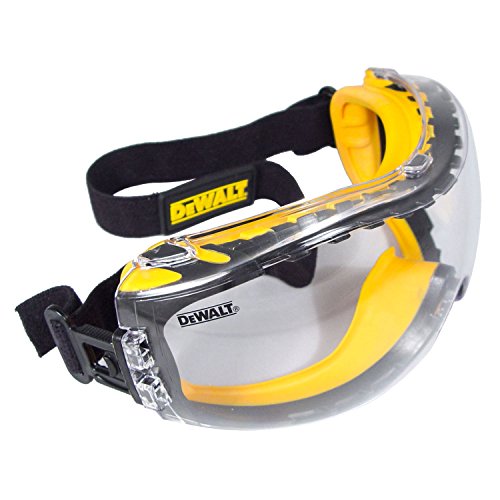 DEWALT DPG82-11 Concealer Clear Anti-Fog Dual Mold SafetyOne Size7.2 x 3.8 x 4 Inches0.1 PoundsCheck on Amazon
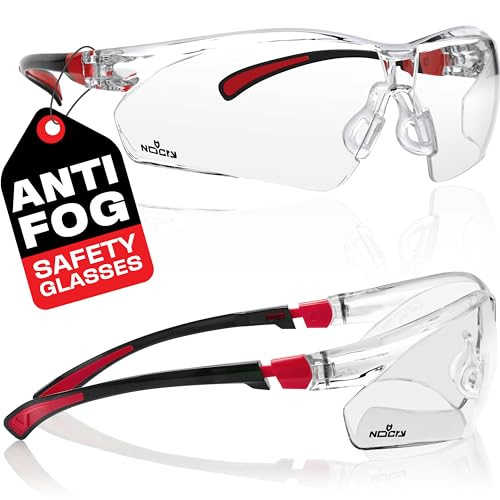
Contents
- Why glasses still matter under a helmet
- Types of eye protection
- Lenses, tints and coatings
- Frames, side shields and fit
- Wearing glasses with a helmet
- Comparison table
- Eye safety around welding
- Common mistakes to avoid
- Buyer checklist
- Frequently asked questions
- Bottom line
Why Glasses Still Matter Under a Helmet
Many beginners assume a welding helmet takes care of everything. It does protect against arc light and spatter while you weld, but a helmet is often raised or flipped up for much of a job. That is when slag chips off a cooled bead, a wire brush flings debris, or a grinder throws sparks. Those moments are a major cause of eye injuries in welding shops, and they occur while the lens is up or the helmet is off.
Safety glasses are the baseline layer that stays on your face all day. They cover the time between welds, protect against flying fragments, and act as a second barrier if something slips past the helmet. A good habit is to put them on when you enter the shop and take them off only when you leave.
The jobs glasses do
Glasses guard against impact from particles, give some side coverage from sparks and glare, and, in tinted versions, reduce brightness for specific tasks. They do not turn a flame or an arc into something safe to look at. Understanding which job a given pair is built for avoids dangerous assumptions.
Why not just use sunglasses?
Ordinary sunglasses and fashion eyewear may not be impact tested, may shatter into sharp fragments, and do not filter the kinds of light an arc produces. Only eyewear marked and sold as safety protection should be used in a shop, and even then it should be suitable for the task you are doing.
Types of Eye Protection
The right type depends on what you do between and around welds. Many welders end up with more than one kind, each serving a different purpose.
Clear safety glasses
These are the everyday workhorse. Look for impact-rated lenses, a wraparound design or built-in side shields, and a frame that sits comfortably. They are worn during cutting, grinding, chipping slag, brushing and general fabrication. Clear lenses give the best view of your work and can be worn under a helmet without blocking sight.
Shaded or tinted safety glasses
Tinted glasses reduce brightness and are sometimes used for tasks such as torch brazing or cutting. The key point is that a shade rated for one job may not be adequate for another. Always check the maker’s guidance on which tasks the lens is intended for, and never use a shade for a process it is not meant for. Welding with an arc calls for a proper helmet.
Goggles
Goggles seal around the eyes and offer more complete coverage than glasses, which suits heavy grinding, dusty environments or overhead work. Some goggles have indirect vents to reduce fogging, while others are sealed. They can feel hot and may fog more readily, so look at ventilation and anti-fog features.
Over-the-glasses styles
If you wear prescription glasses, an over-the-glasses design can sit on top of them. They are bulkier but may be simpler than buying prescription safety lenses. Check that they sit securely and do not interfere with your helmet. Another route is prescription safety glasses made through an eye care provider.
Face shields
A shield offers broad coverage against flying debris in grinding and wire-wheel work. It works alongside safety glasses, not in place of them. A clear shield is not a welding filter.
Matching the eyewear to the task
Think in terms of a simple routine. Everyday shop time calls for clear glasses. Heavy grinding, wire wheels and overhead work call for goggles or a shield on top of glasses. Arc welding calls for a proper helmet with its own filter. Torch tasks call for lenses the maker specifically lists for them. Once you map tasks to protection this way, the shopping list gets shorter and the gaps in your kit become obvious.
Lenses, Tints and Coatings
Lens design affects clarity, durability and comfort. Small differences become obvious over a full day.
Lens materials
Polycarbonate is a common choice because it is light and resists impact well. Other materials exist, and each has trade-offs in clarity, weight and scratch resistance. Check the markings or description to see what the maker states about impact resistance, rather than assuming.
Scratch-resistant coatings
Welding environments are full of grit, dust and sparks. A hard coating on the lens can slow scratching, which keeps vision clear. No coating is scratch-proof, and rough cleaning can undo the benefit, so clean lenses with the recommended method.
Anti-fog treatments
Fogging is a daily annoyance, particularly under a helmet or in hot shops. Anti-fog coatings help, and so does ventilation. Some coatings wear over time, so you may need to replace the glasses or refresh the treatment according to the maker’s instructions. A pair of anti-fog safety glasses is worth comparing if fogging is your main complaint.
Tint choices for general shop use
Clear is the default. Light tints may reduce glare in bright shops, but dark tints can make it hard to see detail when you lift your helmet. If you move between bright and dim areas, favor clear lenses that do not hide hazards. Some people carry a spare clear pair for dim conditions.
UV and glare
Look for a description that mentions ultraviolet filtering, since reflected light from bright surfaces can bother your eyes. Do not rely on this as a substitute for a helmet, and confirm the claim on the product listing.
Frames, Side Shields and Fit
The best lens in the world is no help if the frame leaves gaps or slips down your nose. Fit determines how well the glasses actually protect.
Side coverage
Sparks and fragments arrive from the side as well as the front. Wraparound frames and attached side shields close those gaps. Removable shields add flexibility but can fall off or be left behind. Check that the shield attaches firmly and that it does not block your vision.
Nose pads, temples and weight
Soft, adjustable nose pads and flexible temple arms improve comfort and help the glasses stay put when you sweat. Lightweight frames reduce pressure over long days. Pressure on the nose or behind the ears is a reason people take glasses off, which defeats the purpose.
Profile under a helmet
Thin temple arms and a low profile tend to sit more comfortably under a helmet headgear, while thick arms can press into the side of your head. If your helmet has a tight fit, test the glasses together before settling on them.
Straps and retention
An adjustable strap or cord keeps glasses from falling off when you look down, which matters on overhead jobs or when you bend over a project. Make sure the retention does not snag on your helmet.
Comfort over a full day
Eyewear that feels fine for ten minutes can be a nuisance after four hours. Try wearing a candidate pair while doing ordinary tasks, such as reading a tape measure or looking down at a vise. Notice any pressure points, distortion at the edges of the lens or a tendency to slide. A pair that disappears on your face is the pair you will actually keep on.
Lens clarity and distortion
Look through the lens at straight lines, such as a door frame or a ruler, and move your head slightly. Wavy lines or warping at the edges can cause eyestrain and headaches. Reputable lenses should look optically clear, and if you notice distortion, return the pair for another.
Wearing Glasses With a Helmet
Combining glasses and a helmet is the standard approach. Done right, it gives continuous protection, and done poorly it gives fogging and discomfort.
Set up in a sensible order
Put your glasses on first, then adjust the helmet headgear so it sits comfortably over them. Check that the helmet lens clears the frame and that the glasses do not shift when you nod the helmet down.
Managing fog and heat
Ventilation helps. Take breaks to let air in, keep lenses clean and avoid overly tight seals. Anti-fog glasses reduce but do not eliminate the problem.
Prescription wearers
If you need vision correction, discuss prescription safety eyewear with an eye care professional. Make sure the lens and frame suit the work you do. You may also consider a helmet that offers space for glasses, but check fit before relying on it.
Spare pairs
Keep a spare pair of clear glasses in your kit. If one pair scratches, fogs or goes missing, you will not be tempted to work without protection. A set of clear safety glasses is an easy way to cover that.
Comparison Table
The table summarizes typical features. Products differ, so check the maker’s markings and description.
| Type | Best for | Typical strengths | Typical drawbacks |
|---|---|---|---|
| Clear wraparound glasses | Grinding, chipping, general shop wear | Light, good visibility, easy under a helmet | Less sealed than goggles |
| Glasses with side shields | Added spark and fragment cover | Extra side coverage | Shields may be bulky or removable |
| Goggles | Heavy grinding, dusty or overhead work | Fuller seal around the eyes | Fog more, can feel hot |
| Shaded glasses | Specific torch tasks per maker guidance | Reduces brightness for the intended use | Not a substitute for a welding helmet |
| Over-the-glasses style | Prescription wearers | Fits over existing eyewear | Bulkier under a helmet |
If you want to see the most common category, browse wraparound safety glasses and check each listing for impact markings and coating details. For heavier grinding, compare vented safety goggles too.
Eye Safety Around Welding
Eye injuries from welding are preventable, but only if protection is complete and used every time. Read this as general guidance and follow your equipment instructions and local rules.
Arc light is harmful
Looking at an arc without a proper filter can cause painful damage that may not show up until hours later. Never look at an arc with safety glasses alone, and warn bystanders to look away or use appropriate protection. Using screens or curtains helps protect others nearby.
Protect against flying debris
Chipping slag, wire brushing and grinding send particles in many directions. Wear glasses during all of these, and add a face shield or goggles where the risk is higher. Do not assume a quick job is too short for protection.
Replace damaged eyewear
Cracks, deep scratches, pitting from spatter and loose frames reduce protection and visibility. Replace them instead of continuing. If a lens takes a hard impact, retire it even if it looks fine.
Clean properly
Use a clean microfiber cloth and the cleaner recommended by the maker. Wiping a gritty lens dry can scratch it. Rinse dust off first. Store glasses in a case or on a hook so lenses do not get scraped in a toolbox.
If something gets in your eye
Do not rub it. Follow basic first aid guidance and seek professional medical help promptly, especially if pain, redness or vision changes appear. Know where an eyewash facility or clean water source is before you start work.
Common Mistakes to Avoid
- Treating shaded glasses as a helmet substitute. They are not meant for arc welding.
- Skipping glasses when the helmet is up. Most flying debris occurs during prep and cleanup.
- Wearing fashion sunglasses. They may not be impact tested.
- Ignoring side coverage. Sparks arrive from the side too.
- Using dark tints indoors for general work. Poor visibility can create new hazards.
- Wiping dry lenses. Dust scratches them and hurts clarity.
- Keeping scratched pairs. Damaged lenses reduce protection and view.
- Forgetting bystanders. Others in the area need protection too.
Buyer Checklist
Go through this list before buying.
- Impact markings on the lenses and frames, confirmed on the product.
- Wraparound or side-shield coverage.
- Lens suited to your task: clear for general, shaded only for tasks the maker lists.
- Scratch-resistant and anti-fog coatings described.
- Comfortable nose pads, temples and weight.
- Low-profile arms that fit under your helmet.
- Secure retention strap or cord if you work overhead.
- Ultraviolet filtering described, where relevant.
- Compatibility with prescription wear if you need it.
- Spare pair and a case for storage.
- Current specifications and instructions checked on the listing.
Frequently Asked Questions
Do I need safety glasses if I wear a welding helmet?
Yes. A helmet is often raised during grinding, chipping and cleanup, and glasses protect your eyes during those moments and add a second barrier when the helmet is down.
Can I weld with just shaded safety glasses?
No, not for arc welding. Shaded safety glasses are for specific tasks listed by the maker and are not a replacement for a welding helmet.
What is the difference between safety glasses and goggles?
Glasses are lighter and easier to wear, while goggles seal around the eyes for stronger protection from dust and debris. Choose according to risk and comfort.
How do I stop my glasses fogging under a helmet?
Use anti-fog glasses, keep lenses clean, improve ventilation and take breaks. Fogging can often be reduced but not always eliminated.
Can I wear prescription glasses under a welding helmet?
Many people do, though fit can be tight. Over-the-glasses designs or prescription safety eyewear may help. Test the combination with your helmet before relying on it.
Are tinted lenses better for bright shops?
Light tints can reduce glare, but dark ones hurt visibility. Choose clear for most work and shaded only for tasks the maker specifies.
How do I know if glasses are impact rated?
Look for markings on the lens or frame and for statements on the listing. If you cannot find them, choose a different pair, and verify the details with the maker.
When should I replace my safety glasses?
Replace them when lenses are cracked, deeply scratched or pitted, when frames loosen, or after a hard impact. Fogging that cannot be fixed is also a reason.
Bottom Line
Choose impact-rated clear glasses with good side coverage and a comfortable low-profile fit, add goggles or a face shield for heavier grinding, and keep a spare pair handy. Use shaded lenses only for the tasks the maker lists, and never in place of a welding helmet for arc work. Products and instructions change, so verify current specifications and the maker’s guidance before you buy.
Disclosure: As an Amazon Associate, we earn from qualifying purchases. Links marked as sponsored may earn us a commission at no extra cost to you.
