Our Top Picks
What's inside
As an Amazon Associate I earn from qualifying purchases. This post may contain affiliate links at no extra cost to you.
The best flux core welder for a beginner without gas is a 120V gasless wire-feed machine that is simple to set up, and in this set the Lincoln Electric 90i FC is the cleanest fit for someone who wants one job done with no process menu to learn. If you would rather spend roughly a third as much and accept a multi-process box with more knobs, the budget-tier YESWELDER, SEESII, ACEWELDER and FEMEROL units cover the same basic flux-core need. Eight machines are covered below, and every claim about them comes from the listing title. Where a title says nothing, the article says “check the listing” instead of guessing.
A quick orientation on why this niche exists: gas-shielded MIG gives cleaner beads, but a cylinder means a rental or purchase, a regulator and a fill schedule. Flux-core wire skips all of that by packing the shielding chemistry inside a hollow wire. That is why a garage beginner can go from unboxing to practice beads in one afternoon. Our existing pages on whether you can MIG weld without gas and flux core versus gas MIG cover the process difference in depth, so this page stays on the machines.
What we cover
The eight machines side by side

YESWELDER 135A MIG Welder, 110V Flux Core Gasless MIG/Lift TIG/Stick 3-in-1 | Clear Digital Display, Efficient Setup, Synergic Control, Beginner Friendly, Auto Repair, DIY Jobs, Metalworking


As an Amazon Associate we earn from qualifying purchases. Product prices and availability are accurate as of the date/time indicated.

YESWELDER 160A MIG Welder, 110V/220V MIG/Flux Core/Lift TIG/Stick | 4-In-1, Synergic Control, Clear Digital Display, Efficient Setup, Beginner Friendly


As an Amazon Associate we earn from qualifying purchases. Product prices and availability are accurate as of the date/time indicated.

BESTMIG 145A 4-in-1 Multi-Process Welder, 110V/220V MIG/TIG/MMA/Stick Welding Machine, Gas & Gasless Flux Core Welder with Synergy IGBT Inverter, Includes Welding Helmet & Gloves


As an Amazon Associate we earn from qualifying purchases. Product prices and availability are accurate as of the date/time indicated.

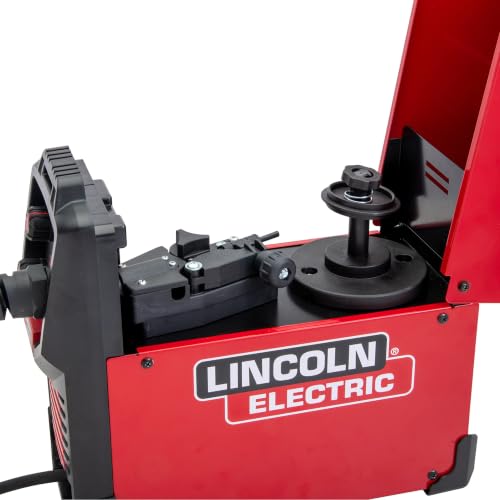
Lincoln Electric 90i FC Flux Core Wire Feed Weld-PAK Welder, 120V Welding Machine, Portable w/Shoulder Strap, Protective Metal Case, Best for Small Jobs, K5255-1




As an Amazon Associate we earn from qualifying purchases. Product prices and availability are accurate as of the date/time indicated.

FEMEROL MIG Welder,2 in 1 Flux core/Stick Welder,130Amp 110V Gasless MIG Welding Machine with Synergy IGBT Inverter Welder Portable Wire Feed Welder


As an Amazon Associate we earn from qualifying purchases. Product prices and availability are accurate as of the date/time indicated.

SEESII 135A MIG Welder 110V - 3-in-1 Gasless Flux Core/Lift TIG/Stick Welding Machine, 7.7lbs Portable IGBT Inverter, Large Digital Display Multi Process Welder


As an Amazon Associate we earn from qualifying purchases. Product prices and availability are accurate as of the date/time indicated.

ACEWELDER 140A Gasless Flux Core MIG Welder/Lift TIG/Stick 3 in 1 | Synergic Control,Beginner-Friendly,Portable MINI Welder Machine,Wire Feed Welder,auto repair, DIY jobs, metalworking


As an Amazon Associate we earn from qualifying purchases. Product prices and availability are accurate as of the date/time indicated.
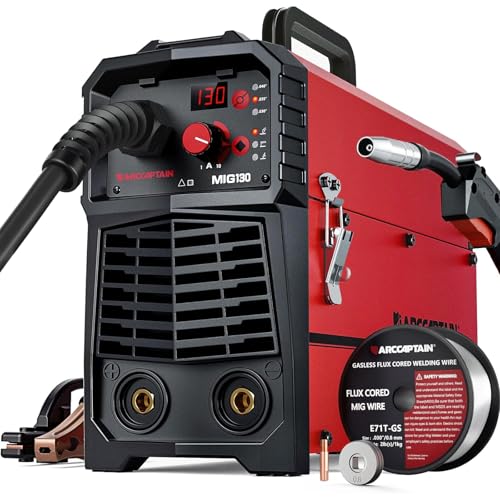
ARCCAPTAIN 130A Flux Core Welder MIG Welder 110V Gasless MIG Stick Lift TIG | Synergy Control, Beginner Friendly, 3 in 1, Gasless Wire Feed Welder, Portable for Home Repair, DIY, Include 2lb Welding Wire


As an Amazon Associate we earn from qualifying purchases. Product prices and availability are accurate as of the date/time indicated.
Price tier is relative inside this set: Budget covers the four lowest-priced listings, Mid-range the next three, and Premium the single highest-priced one. Specs in the “Key spec” column are lifted from titles only.
| Model | Key spec (from title) | Price tier | Best for |
|---|---|---|---|
| FEMEROL 130Amp 2-in-1 | Flux core/Stick, 110V, IGBT inverter | Budget | Cheapest way to try gasless wire |
| ACEWELDER 140A 3-in-1 | Gasless flux core MIG, Lift TIG, Stick, synergic | Budget | Small, portable first machine |
| SEESII 135A 3-in-1 | 110V, 7.7 lb, large digital display | Budget | Carrying it between sites |
| YESWELDER 135A 3-in-1 | 110V, clear digital display, synergic | Budget | Beginners who like a display |
| ARCCAPTAIN 130A 3-in-1 | 110V, includes 2 lb welding wire | Mid-range | Starting with wire in the box |
| YESWELDER 160A 4-in-1 | 110V/220V, MIG/Flux Core/Lift TIG/Stick | Mid-range | Growing into a 220V outlet |
| BESTMIG 145A 4-in-1 | 110V/220V, gas and gasless, helmet and gloves included | Mid-range | Gear-included bundle |
| Lincoln Electric 90i FC | 120V flux-core only, shoulder strap, metal case | Premium | Simple, single-purpose shop use |
Eight gasless welders, one at a time
Lincoln Electric 90i FC Flux Core Wire Feed Weld-PAK
This is the only listing in the group whose title says “FC”, meaning flux-core wire feed is the machine’s whole job. The title adds 120V input, a portable design with a shoulder strap, a protective metal case, the model number K5255-1 and the phrase “Best for Small Jobs”. That wording is the manufacturer’s positioning, and it is worth taking at face value: this is not pitched at heavy fabrication. For a beginner, the appeal is a short list of decisions. There is no process selector to misread, no TIG or Stick leads to sort through and no gas hardware.
The title does not state amperage output, duty cycle, wire diameter, included accessories or the thickest steel it can weld, so verify those on the listing and in the manual before buying. The metal case matters for a garage with dust and dropped tools; the strap matters for fence-line or trailer-side repairs. Because it is the highest-priced item here, it sits in the Premium tier, and the extra cost buys brand support and simplicity rather than extra modes.
Picture where it would live. A 120V machine with a case and a strap suits someone who keeps it on a shelf and carries it to the job: a fence post, a garden gate, a mower deck. A narrow feature set also helps when a weld looks poor, because the list of suspects is short: wrong polarity, wrong stickout, dirty metal or a weak ground. With only one process, there is no mode confusion to add to that list. What you give up is a Stick fallback. Flux-core tolerates a light breeze better than gas-shielded MIG, but strong wind still disturbs the arc and the slag, so outdoor work is best done in a sheltered spot.
Pros
- Flux-core only, so fewer settings and fewer ways to set it up wrong
- Portable with a shoulder strap and protective metal case, per the title
- Named model number makes manuals and parts easy to look up
Cons
- Highest price in this set by a wide margin
- No TIG or Stick fallback if your needs change
- Output, duty cycle and included gear are not in the title; check the listing
Who it’s for: the beginner who wants a stripped-down, branded machine for small repair jobs and does not care about extra processes.
YESWELDER 135A MIG Welder, 3-in-1 Gasless Flux Core
The title calls this a 110V 135A unit with Flux Core Gasless MIG, Lift TIG and Stick, plus a clear digital display, “efficient setup” and synergic control. Synergic control, in welder shorthand, means you pick a material or wire setting and the machine suggests matching voltage and wire speed, which spares a beginner from tuning two knobs against each other. The title also names auto repair, DIY jobs and metalworking as use cases and says “beginner friendly”, which is marketing language rather than a spec.
At the low end of the Budget tier, it competes directly with the SEESII 135A below. The two share an amperage claim and a 110V input. What the title does not give you is weight, included wire, included helmet, duty cycle or warranty length. A smart way to compare the two is to line up their listing photos and bullet lists for the lead set, ground clamp and torch included, because those parts affect how soon you can strike your first arc.
A practical way to judge this listing is to ask what you would do on the first evening. Unbox it, read the polarity diagram, fit the wire and drive roll that match, clamp a piece of scrap and run a bead. A display that shows a clear setting number makes the second and third bead easier, because you can write down what worked for a given thickness. Synergic modes still need an ear for the arc, so keep a notebook beside the bench. If the listing includes a spare contact tip and a nozzle, that is a small plus, since tips wear out quickly during practice with flux-core wire.
Pros
- Synergic control reduces the knob-guessing a first-timer faces
- Digital display makes settings readable and repeatable
- Three processes listed, so Stick is a built-in backup
Cons
- Lift TIG typically needs gas and extra accessories, so do not count it as ready to use
- Weight, duty cycle and included gear are not in the title
- “Beginner friendly” is a claim, not a measurement
Who it’s for: a first-time buyer on a tight budget who values a readable display and a synergic starting point.
YESWELDER 160A MIG Welder, 4-in-1 with 110V/220V
Two features set this one apart from its 135A sibling: the title lists both 110V and 220V input, and it counts four modes, MIG, Flux Core, Lift TIG and Stick. The dual-voltage claim is the headline for anyone who expects to outgrow a standard wall outlet. Plugging into 220V is something to plan around, since it generally calls for a suitable outlet, circuit and adapter installed by a qualified electrician instead of a plug swap by guesswork.
Synergic control, a clear digital display and “efficient setup” are repeated from the family’s other title. The gasless side is covered because Flux Core is named as a mode. Note the difference between “MIG” and “Flux Core” in the same title: solid-wire MIG would require shielding gas, so a buyer who wants zero gas should plan on flux-core wire only. Mid-range pricing reflects the extra headroom. Everything else, including duty cycle at 220V, thickness limits and what is in the box, belongs in the “check the listing” pile.
Think of the 220V side as a future option rather than a day-one feature. Most beginners will plug it into a household outlet and learn with the lower-power settings. If you later add a dedicated outlet, the same machine can run harder on thicker material, which saves buying again. Be realistic about the cost of that upgrade: a new circuit, a receptacle and possibly an adapter all add up, and local electrical codes govern how it must be done. Also read how the machine behaves on each voltage; some units limit output on 110V and the listing should show a table or note describing it.
Pros
- Dual 110V/220V input gives a growth path
- Four modes listed, including flux-core and Stick
- Synergic control and digital display aid beginners
Cons
- 220V use requires proper wiring, not a casual adapter
- MIG mode needs gas, which defeats the point for this guide’s reader
- Included accessories are unclear from the title
Who it’s for: someone who starts gasless on 110V but expects to install a 220V outlet later.
BESTMIG 145A 4-in-1 Multi-Process Welder
This listing leads with a bundle: the title says it includes a welding helmet and gloves. For a true beginner who owns none of that, the bundle can shorten the shopping list. It also names MIG, TIG, MMA and Stick processes, a “gas and gasless flux core” capability, 110V/220V input and a synergy IGBT inverter. IGBT inverter designs are common in light, compact machines, but the title gives no weight, so do not assume it is portable.
Be careful with the included safety gear. The title does not specify the helmet’s shade type, lens rating, or whether it is auto-darkening, and gloves vary widely in heat protection. Treat the bundle as a starting point and check the listing for the exact helmet description and standards. If the helmet is passive or low quality, budget for an upgrade, because eye protection is the one place a beginner should not cut corners. The 145A figure and the dual-voltage input put it in the same Mid-range bracket as the YESWELDER 160A.
When a bundle includes gear, the useful question is what you would otherwise buy. A proper auto-darkening helmet, a pair of welding gloves and a wire brush add up, so a kit that supplies even basic versions can lower the entry cost, provided the gear is safe to use. Check whether the helmet lens is rated for the amperage range you will weld at and whether the gloves cover the wrist. Equally important is the multi-process claim: with four modes, you can learn the wire-feed side now and decide later whether Stick or a gas setup interests you, without buying a second machine.
Pros
- Helmet and gloves included per the title
- Gas and gasless operation listed, so it adapts if you add a cylinder
- Dual 110V/220V input listed
Cons
- Included gear quality and type are unspecified in the title
- Less familiar brand name than Lincoln, so check warranty and support terms
- Weight, duty cycle and wire size are not stated
Who it’s for: a beginner buying everything at once who wants the machine and basic safety gear in one order.
FEMEROL 130Amp 2-in-1 Flux Core/Stick Welder
FEMEROL sits at the bottom of the price range. The title describes it as a 2-in-1 Flux core/Stick welder, 130 amp, 110V, gasless MIG, with a synergy IGBT inverter and a portable wire-feed design. Dropping TIG from the feature list is not a loss for the gasless beginner, because Lift TIG is rarely usable without gas anyway. What remains is the pairing most home workshops actually reach for: wire feed for speed, Stick as a rugged backup for rusty or outdoor work.
The trade for the price is information. The title is shorter on extras than others, with no mention of a display, wire spool, helmet or accessories. That is not proof they are missing, only a prompt to read the box contents carefully. Because the unit shares the lowest price with the ACEWELDER, the purchase decision may come down to review text on reliability and customer support, which this page does not summarize.
Buying at the bottom of the range makes the most sense when you treat the machine as a trial. If you discover you love welding, you can upgrade and keep the FEMEROL as a spare or a portable second unit. If you discover you do not, the loss is small. Either way, avoid skimping on safety gear to offset the low price; the helmet and gloves matter more than the machine. Also check how replacement parts such as contact tips, liners and drive rolls are sold. A cheap welder with unobtainable consumables becomes expensive quickly, so scan the listing and questions section for that detail.
Pros
- Lowest price tier, a gentle way to find out if you enjoy welding
- Flux core plus Stick covers the two processes beginners actually use gasless
- IGBT inverter design listed
Cons
- No stated display or synergic-style control in the title
- Included accessories are not listed; budget for a helmet and wire
- Limited detail on duty cycle or thickness capacity
Who it’s for: the cautious buyer who wants to spend as little as possible to learn the basics on scrap.
ACEWELDER 140A Gasless Flux Core MIG Welder
Acewelder’s title calls it a 140A gasless flux-core MIG, Lift TIG and Stick 3-in-1 with synergic control, a portable “MINI” body and a wire-feed design, aimed at auto repair, DIY jobs and metalworking. The word MINI suggests compactness, but the title offers no dimensions or weight, so measure your storage space against the listing images. Pricing matches the FEMEROL in the Budget tier while offering a third process and synergic control.
Because the 140A rating is higher than its 135A neighbors, it is tempting to assume it can weld thicker steel. That assumption is shaky. Maximum amperage on a 110V input is limited by what the wall circuit can supply, and duty cycle at that output tends to be short. Look for a duty-cycle chart in the manual. For a beginner the practical question is not the top number but whether the machine runs steadily at the lower settings used on thin steel.
For a small garage, size matters more than headline amperage. A compact body can sit on a shelf and come down for a gate repair or a bumper bracket, which keeps the hobby from becoming a storage burden. Compare the listing’s included parts, particularly the torch length and ground cable length; a short ground cable forces you to reposition the workpiece constantly, which is annoying on a larger project. Synergic control is helpful here because small machines have less margin for error with wire speed. Practice on scrap that matches your actual projects before you commit to a repair on a part you care about.
Pros
- Budget tier with synergic control and three processes
- Compact “MINI” format claimed
- Targets auto repair and DIY work in its description
Cons
- No dimensions, weight or included accessories in the title
- Peak amperage is not a reliable indicator of thick-steel ability on 110V
- Lift TIG is not practical without gas and accessories
Who it’s for: a tight-budget buyer who wants a small, synergic machine for car and household metal repairs.
SEESII 135A MIG Welder, 3-in-1 Gasless Flux Core
SEESII’s title gives the most concrete portability claim in this group: a 7.7 lb IGBT inverter body. It adds a large digital display, 110V input and the same three-process line-up of gasless flux core, Lift TIG and Stick. If you plan to carry the machine to a job site, up a ladder-adjacent work area or out to a gate, a published weight is a genuine advantage over listings that stay silent on it.
Keep in mind that the weight likely refers to the machine body, not the whole kit with spool, leads and torch. The title does not mention included wire, gloves or a helmet. Its price is close to the YESWELDER 135A, so the decision reduces to display design, listing contents and support reputation. Look at the photos of the front panel to see whether the controls make sense to you; a confusing interface is a bigger beginner obstacle than a few missing amps.
A published weight is more than a convenience: it tells you whether the machine will ride in a truck bed, a cart or a shoulder-carried bag. Light inverter machines are popular with people who weld in several places, such as a garage, a driveway and a family member’s workshop. Keep in mind that a small body can run warm at higher output, so give it ventilation, keep the vents clear of sawdust and metal dust, and respect the thermal limits. The large display is useful on the bench, but check that it remains readable in bright light if you plan to work outdoors.
Pros
- Weight stated in the title at 7.7 lb
- Large digital display listed
- Gasless flux core, Lift TIG and Stick in one body
Cons
- Weight is probably body-only
- Included gear is not stated
- Same Lift TIG caveat as the other multi-process units
Who it’s for: someone who carries the welder between locations and wants a published weight before ordering.
ARCCAPTAIN 130A Flux Core Welder with 2 lb Wire
ARCCAPTAIN is the one budget-adjacent option where the title explicitly says it includes 2 lb of welding wire, which solves the very first day-one problem of owning a welder with nothing to feed it. The title also lists 110V, gasless MIG, Stick and Lift TIG, synergy control, portability and use cases such as home repair and DIY. Even so, a 2 lb spool is a modest amount and a practicing beginner can burn through it quickly, so plan to buy a replacement spool of the diameter the manual specifies.
It lands in the Mid-range tier by price, slightly above the cheapest 135A units. Whether that premium is justified depends on whether you value the included wire. A matching spool bought separately may cost less than the price difference, so compare the numbers on the day you shop rather than assuming the bundle is a bargain. The title does not say whether helmet or gloves come in the box, so assume they do not.
An included spool changes the first session. Instead of waiting for a delivery, you can run practice beads right away, and that early momentum helps beginners stay interested. Treat that first 2 lb as practice material and buy a second spool before the first one runs out so you do not stall mid-project. Match any replacement wire to the size and type the manual calls for; the wrong diameter will feed poorly and can damage the drive system. Because the title mentions portability and home repair, this machine fits well in a household where the welder sees occasional but real use rather than daily production.
Pros
- 2 lb of welding wire included per the title
- Synergy control and 3-in-1 flexibility
- Targeted at home repair and DIY
Cons
- A 2 lb spool is gone fast during practice
- Price sits above the cheapest options
- No helmet or gloves mentioned
Who it’s for: the buyer who wants to strike an arc the day it arrives without hunting for wire first.
How we picked these
This page is written by the Editorial team. Nobody on the team used or measured these units. The testbench is published specifications, manufacturer documentation and buyer reviews, which means the inputs are listing titles, the manufacturer’s own descriptions and what buyers have posted. We did not weld with any of these machines, and no bead, duty cycle or temperature figure on this page came from a bench.
Selection came down to four filters. First, the title or description had to put gasless flux-core operation in plain words. Second, the machine had to be positioned at beginners or small repair work. Third, we wanted spread across price tier and across single-process versus multi-process designs, so you can see the trade rather than three near-identical boxes. Fourth, we looked for concrete, checkable details such as stated weight, included wire or included gear, because a title with specifics is easier to hold a seller to.
The ranking order reflects editorial judgment about clarity of purpose and completeness of the title, not a measured performance ladder. If your priority differs, such as lowest cost or most gear in the box, jump to the verdict and the calculator section and reorder accordingly. Where an unverified number appears, such as a wire-consumption estimate, it is labeled and the assumptions are stated.
Reading a gasless-welder listing without getting fooled
Amperage is a ceiling, not a promise
Titles love big numbers like 135A, 140A or 160A. On a standard household circuit those numbers describe the machine’s maximum setting under ideal conditions, and a welder can only pull what the outlet and breaker allow. Duty cycle is the number that reveals how long you can weld at a given output within a ten-minute window. A rating of 20 percent at some amperage means about two minutes of welding and eight minutes of rest. Beginners often weld in short bursts anyway, so a modest duty cycle is less of a problem than it sounds, but it limits long seams on thick plate.
Search the manual for the duty-cycle table and the recommended steel-thickness chart. If the listing does not publish either, ask the seller before purchase or choose a listing that does. A manufacturer who documents these figures is signaling confidence in them.
Synergic control, in plain terms
Synergic or synergy control links wire speed and voltage, so one adjustment drives both. For a first-timer, that cuts the tuning problem in half. It does not remove the need to listen to the arc: a steady, crisp sizzle suggests settings are close, while popping and heavy spatter suggest they are not. Treat the display as a starting suggestion, then adjust on scrap that matches the thickness you plan to weld.
Polarity, wire diameter and drive rolls
Flux-core wire usually runs with the torch on the negative terminal, which is the reverse of solid-wire MIG on many machines. Getting that wrong produces a messy, weak weld. The manual shows the correct lead arrangement. Drive rolls must also match the wire diameter you buy, and the groove type differs between solid and flux-core wire on some machines. These are small details that cause large frustration when missed, so check the listing for which wire sizes and drive-roll types are included.
What “included” really means
Few titles in this set promise a full kit. A complete first-day setup is the welder, a ground clamp, a torch or gun, a spool of the right wire, a helmet, gloves, a chipping hammer and a brush. Whenever the title is silent, count it as not included. This is the reason the ARCCAPTAIN and BESTMIG bundles stand out: they name specific inclusions, and you can price-compare against buying those pieces separately.
Worked example: a first weekend with a 15-amp circuit
This example is an estimate built from stated assumptions, not a measurement. Assume a garage with a single 120V, 15-amp outlet shared with nothing else, and a project of welding a steel gate hinge bracket from steel plate. Treat the numbers as a planning exercise and always follow your machine’s manual.
- Circuit capacity: 120V x 15A = 1,800 watts at the breaker’s limit. Electrical practice commonly treats about 80 percent of that as the sustained-load ceiling, or roughly 1,440 watts. If the welder’s listing shows an input draw higher than that at its peak setting, either lower the output setting or plan for a properly rated circuit installed by an electrician.
- Wire use: a 2 lb spool is a small amount of wire. As a rough, assumption-based figure, a pound of typical small-diameter flux-core wire might lay down on the order of 200 to 400 feet of wire; check the spool label. Practice beads on scrap will consume the first spool quickly, so budget two to three spools for the learning phase.
- Time plan: weekend session one is only practice beads on scrap, flat position, with the polarity and drive-roll check first. Session two moves to fillet welds on a T-joint. Session three cuts and breaks a few finished welds to look inside for lack of fusion before welding any real part.
- Cool-down rhythm: weld in short runs of 20 to 30 seconds with pauses. If the machine’s thermal indicator trips, stop, leave it powered to cool the fan, and do not bypass the protection.
Anything structural, such as hitches, vehicle frames, lifting equipment or anything where a failed weld could hurt someone, is beyond a beginner’s first projects. Leave it to a certified welder or a professional shop.
Safety before the first arc
Welding combines electricity, intense light, heat, sparks and fumes, so the setup matters as much as the machine. The manufacturer’s manual is the authority on your unit; read every warning in it. Beyond that, the general habits are well established across the trade.
- Eyes and skin: use a welding helmet with the correct shade, welding gloves, a flame-resistant jacket or long sleeves of natural fiber, and closed leather footwear. Bystanders need protection from arc flash as well.
- Fire: clear flammable materials, rags, solvents and sawdust from the area. Keep an extinguisher rated for the likely fire types within reach, and watch for smoldering after you finish.
- Fumes: flux-core produces noticeable smoke. Weld with good ventilation or fume extraction, and never weld on galvanized, painted or contaminated metal without grinding the coating off and following the proper precautions.
- Electrical: inspect leads and the ground clamp for damage, never weld in wet conditions, and do not modify plugs or breakers. Any 220V wiring should be done by a qualified electrician.
Beginner mistakes that waste wire and patience
The first is welding on dirty metal. Mill scale, rust and paint cause porosity and poor ground contact; grind to bright metal where the clamp and the weld go. The second is a short or sloppy ground: a clamp on a painted surface starves the arc and creates sputtering that beginners misread as a machine fault. The third is dragging versus pushing. Flux-core is usually dragged, pulling the gun along the joint, because the slag trails behind. Pushing buries slag in the weld.
A fourth mistake is stickout, the length of wire protruding from the tip. Too long and the arc is erratic; too short and you burn the tip. The manual usually gives a target. Fifth, travel speed: moving too fast leaves a thin, ropy bead, too slow piles metal up. Practice at a pace where the puddle sits just behind the arc. Finally, rushing into thick material before the thin-steel basics click wastes wire and builds bad habits. A steady, patient start on scrap saves far more money than any price tier choice here.
If you are comparing machine styles for later, our pages on gasless flux core welders for home workshops, vertical flux-core welders for upright joints and Lincoln flux-core machines go further into specific use cases. Buyers curious about dual-shield flux-core wire, which does use gas, should weigh that before deciding they want to stay gasless.
Verdict
Pick the Lincoln Electric 90i FC if you want a focused, flux-core-only machine with a metal case and a strap, and you accept the Premium price for that simplicity. Pick the YESWELDER 135A or SEESII 135A for a Budget-tier multi-process machine with a digital display, with SEESII standing out for its published 7.7 lb weight. Pick the ARCCAPTAIN if wire in the box matters, or the BESTMIG if you need a helmet and gloves in the same order. Pick the YESWELDER 160A if a future 220V outlet is on your roadmap.
The FEMEROL and ACEWELDER are the cheapest ways in, and they suit buyers who treat welding as an experiment. Whichever you choose, set aside money for a quality helmet, extra wire and a fire extinguisher, and treat the first dozen hours as practice on scrap.
Questions beginners ask
Can a beginner really weld without a gas bottle?
Yes. Flux-core wire carries its shielding inside the wire, so the machine needs no cylinder, regulator or hose. A beginner can plug in, fit the right wire, set polarity as the manual instructs and start laying beads on scrap steel. The tradeoffs are more spatter, a slag layer to chip off and more smoke than gas-shielded MIG. Wear a proper helmet, gloves and non-flammable clothing, work with ventilation, and follow the manufacturer’s setup steps exactly before striking an arc.
Is a 120V flux-core welder enough for a home garage?
For light repair, brackets, gates, trailer parts and thin to moderate steel, a 120V machine is a common starting point. Its limit is thick material, where input power and duty cycle run out quickly. Several listings here also accept 220V, which gives headroom later, but that needs a suitable outlet installed by a qualified electrician. Check each listing’s duty cycle and recommended thickness chart rather than relying on the headline amperage number.
Why do some of these welders list MIG, TIG and Stick as well?
Multi-process machines bundle several modes in one body. Gasless flux-core wire feed is the mode this guide cares about, while Stick uses electrodes and Lift TIG normally needs shielding gas and accessories sold separately. Treat the extra modes as optional growth paths, not as proof the machine does each one well. Read the listing to see what leads, torch or gas hardware is actually included before you count a mode as usable.
What do I need to buy besides the welder?
At minimum you need an auto-darkening helmet, welding gloves, flame-resistant clothing, closed leather boots, a chipping hammer, a wire brush, and flux-core wire in the diameter your manual specifies. Add a fire extinguisher, a ground clamp location on bare metal and a fume-conscious setup such as an open door and fan. Only two listings here mention a helmet or wire in the title, so assume the rest need these purchased separately.
How long does it take to get decent at flux-core welding?
Plan on several sessions of practice beads on scrap before welding anything structural. Many beginners get acceptable-looking beads within a few hours of practice but take far longer to judge penetration, which you cannot see from the surface. Cut and break your practice welds to inspect them, and keep structural, load-bearing or safety-related work, such as trailer hitches or vehicle frames, for someone trained and qualified to do it.