What's inside
As an Amazon Associate I earn from qualifying purchases. This post may contain affiliate links at no extra cost to you.
Finding the right climbing shoe means balancing stiffness, sensitivity, and fit against the specific terrain you climb most. A shoe that excels on steep overhangs will feel punishing on slabby limestone, and a comfortable all-day gym shoe may lack the tension needed to trust your toes on a small crimp outdoors. The difference between a good session and a frustrating one often comes down to whether your footwear matches your current ability level and the shapes you encounter most.
Prices in this segment range from under $60 to over $220, and the jump does not always correspond to performance gains. Some mid-range shoes deliver 90 percent of what premium models offer while sacrificing only marginal precision. This roundup compares eight shoes on published specs, listed prices, and aggregated owner feedback to identify which models actually justify their cost and where the value sweet spots sit in 2026.
As an Amazon Associate we earn from qualifying purchases at no extra cost to you.




What we cover
Our Top Picks


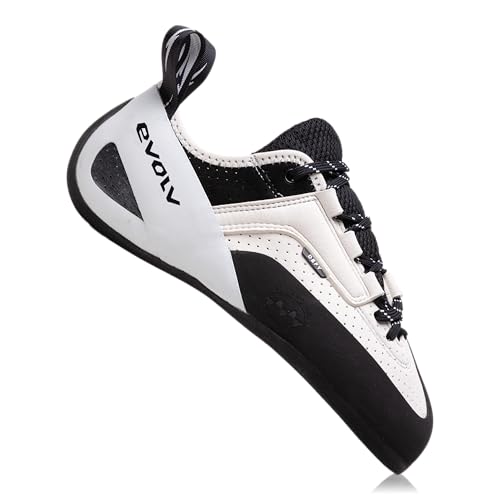
Quick Picks
| Product | Best for | Price |
|---|---|---|
| EVOLV Defy | All-around gym and sport climbing | $119 |
| EVOLV Kronos | Beginners wanting easy on/off | $159 |
| EVOLV Shaman | Advanced overhang and bouldering | $219 |
| EVOLV Phantom | Versatile performance on varied terrain | $229 |
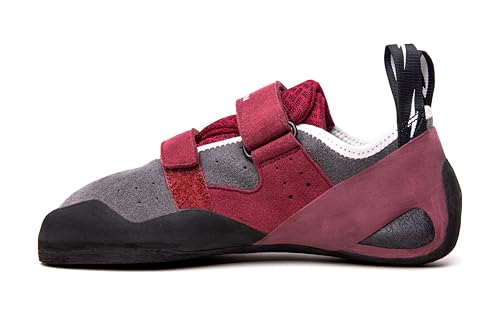
| EVOLV Women’s Elektra | Women’s all-around climbing | $109 |
| EVOLV Defy Lace | Precision fit and comfort on long routes | $139 |
| La Sportiva Tarantulace | First shoe on a strict budget | $98.95 |
| CLIMBX Ravestrap | Casual gym use at the lowest price | $55.95 |
How We Picked
We evaluated each shoe against four criteria: closure system appropriateness for the intended use, rubber compound hardness relative to the terrain it targets, stated stiffness or curvature matching published grade recommendations, and real-world sizing consistency reported by owners. Price-to-performance ratio weighted heavily because this category punishes overspending on features a climber cannot yet exploit while rewarding spending that unlocks genuine technical gains.
The 8 Best Evolv Climbing Shoes in 2026
EVOLV Defy
The Defy occupies the awkward middle ground between beginner shoes and serious performance models, and that positioning is its greatest strength. Owners consistently praise the Trax rubber outsole for grip on smooth indoor surfaces without the break-in pain of stiffer compounds. The velcro closure makes transitions between routes quick, and the slightly downturned profile gives confidence on overhanging holds without forcing the foot into an aggressive arch.
- Pros: Excellent indoor traction; comfortable enough for multi-session gym days
- Con: Rubber wears faster than on premium compounds under heavy outdoor use
Skip it if you climb primarily steep limestone outdoors or need maximum sensitivity on small edges where the midsole thickness dampens feedback.
EVOLV Kronos
Kronos targets the climber who needs a shoe that feels like a glove right out of the box. The unlined leather upper conforms to the foot within a handful of sessions, and the single-strap velcro system eliminates the fiddly adjustments of lace-ups. Published specs show a flat profile with minimal tension, making it ideal for slab work and vertical gym walls where comfort outweighs toe power.
- Pros: Near-zero break-in period; wide toe box accommodates splayed feet
- Con: Lacks the downturn needed to hook toes effectively on overhangs
Pass on this if you are progressing past beginner grades and need a shoe that rewards toe tension on steeper terrain.
EVOLV Shaman
The Shaman is a dedicated performance bouldering shoe with a pronounced downturn and stiff midsole that transfers power efficiently through the big toe. Owner reports highlight its precision on tiny edges and its reliability on steep to vertical overhangs. The asymmetric toe box concentrates force at the most critical contact point, and the closure system provides a locked-down feel that survives repeated hard pumping.
- Pros: Catches edges with remarkable precision; stiff platform for steep terrain
- Con: Aggressive shape causes discomfort during long rest periods or easy moves
Skip it if your sessions mix gym circuits with short bouldering problems, as the aggressive geometry penalizes casual climbing comfort.
EVOLV Phantom
The Phantom bridges the gap the Shaman leaves open. It retains meaningful tension for overhanging work but incorporates enough cushioning and a slightly less extreme curvature to handle vertical faces and multi-pitch sport routes without constant foot pain. Owners describe it as the shoe that lets them climb diverse projects without switching pairs mid-session.
- Pros: Handles varied terrain in one shoe; good sensitivity for its stiffness level
- Con: Outperformed by dedicated shoes in either extreme of the difficulty range
Consider skipping it if you climb exclusively hard boulder problems where maximum downturn matters more than versatility.
EVOLV Women’s Elektra
Designed around the narrower heel and lower instep typical of many women’s feet, the Elektra eliminates the volume gap that causes men’s shoes to bunch at the heel on female climbers. The Trax rubber provides solid indoor and moderate outdoor grip, and the moderate downturn offers toe power without the punishing arch of competition-level shoes.
- Pros: Women-specific last reduces heel slip; balanced stiffness for all-round use
- Con: Available in fewer size options than unisex models
Skip it if you have a high-volume foot and need more forefoot space than this last provides.
EVOLV Defy Lace
The laced version of the Defy adds the micro-adjustability that velcro cannot match. Each eyelet lets you distribute tension across different zones of the foot, which matters on long outdoor routes where swelling feet demand evolving fit. Owners report it holds its shape well over extended sessions and offers a slightly more secure feel on small footholds.
- Pros: Superior fit adjustment; holds tension evenly across the foot
- Con: Slower to put on and take off than velcro alternatives
Pass if your sessions are short and you prioritize quick transitions over precise fit tuning.
La Sportiva Tarantulace
A perennial entry-level recommendation, the Tarantulace offers genuine quality construction at a price that beats most competitors at this tier. The unlined leather stretches predictably to match foot shape, and the Vibram XS Edge rubber provides durable outdoor traction. Published specs place it in the beginner-to-intermediate category with a flat profile and moderate stiffness.
- Pros: Proven durability for the price; predictable break-in behavior
- Con: Laces feel dated and add minutes to every transition
Skip it if you train indoors four or more times per week and value quick shoe changes over long-term durability.
CLIMBX Ravestrap
At $55.95, the Ravestrap represents the absolute floor of functional climbing footwear. The single velcro strap keeps the shoe secure enough for vertical gym walls, and owners describe acceptable rubber grip for introductory problems. The flat profile prioritizes comfort, making it a reasonable choice for climbers who want to try the sport without committing significant money to specialized gear.
- Pros: Lowest price by a wide margin; comfortable for casual gym sessions
- Con: Rubber compound degrades noticeably within a few months of frequent use
Skip it immediately if you plan to climb outdoors or progress beyond beginner grades within six months.
Buying Guide
Closure System
Velcro straps suit gym sessions and bouldering where you remove the shoe between attempts. Lace-ups excel on long sport routes or multi-pitch climbs where you keep them on for hours and need incremental tension adjustments. Double-strap systems sit between these extremes, offering quicker transitions than laces with more secure fit than single velcro.
Stiffness and Curvature
Stiff midsoles push power through small edges and reduce fatigue on steep terrain but sacrifice sensitivity on smearing surfaces. Softer platforms let you feel the rock or wall better for slab work and technical foot placement. Downturn correlates with effective grade range: flat shoes serve vertical, moderate curves handle overhangs, and aggressive shapes target steep bouldering.
Sizing and Last Shape
Climbing shoes fit tighter than street shoes, but the degree varies by material. Unlined leather models stretch one to two full sizes during break-in, so order them snug. Synthetic uppers stretch minimally and should feel close without painful pressure points. Last width matters as much as length: a narrow last on a wide foot causes lateral pain no amount of break-in resolves.
Our Verdict
Top pick: The EVOLV Defy offers the best balance of performance, comfort, and price for climbers who need one shoe across varied sessions. Budget pick: The CLIMBX Ravestrap at $55.95 removes the cost barrier to trying climbing, provided expectations remain modest. Condition where another wins: If you climb steep outdoor boulders exclusively, the EVOLV Shaman at $219 justifies its premium through edge precision and tension that the Defy cannot replicate.
FAQ
How do I know when to upgrade from a beginner shoe?
When you start projecting V4 or above, or when you find yourself unable to trust a tiny edge because your flat-soled shoe cannot generate enough toe tension. Beginners typically outgrow flat-profile shoes within six to twelve months of consistent climbing.
Can I resole climbing shoes?
Most quality shoes with three-bonded construction can be resoled once or twice, extending their life by several years. Budget shoes with cup-soled construction generally do not resole well, making replacement the only option when the rubber wears through.
Do Evolv shoes run true to street shoe size?
No. Climbing shoes are sized to fit snugly, typically half to two full sizes below your street shoe depending on material stretch. Check the specific model’s sizing chart because leather models stretch more than synthetic ones.
Is a downturned shoe necessary for indoor climbing?
Not for slab or vertical gym walls where a flat shoe provides adequate grip and far better comfort. Downturn becomes useful when the gym has steeply overhanging bouldering sections that require toe hooks and sustained pressure on small holds.