As an Amazon Associate I earn from qualifying purchases. This post may contain affiliate links at no extra cost to you.
Choosing biking shoes is one of those decisions that feels simple until you actually start comparing options. A pair that locks firmly to your pedal, distributes pressure across a stiff sole, and survives thousands of rotations can transform a mediocre ride into something genuinely enjoyable. A poorly matched pair does the opposite: hot spots on the forefoot, energy lost through a soft sole, and frustration that builds until you stop riding altogether.
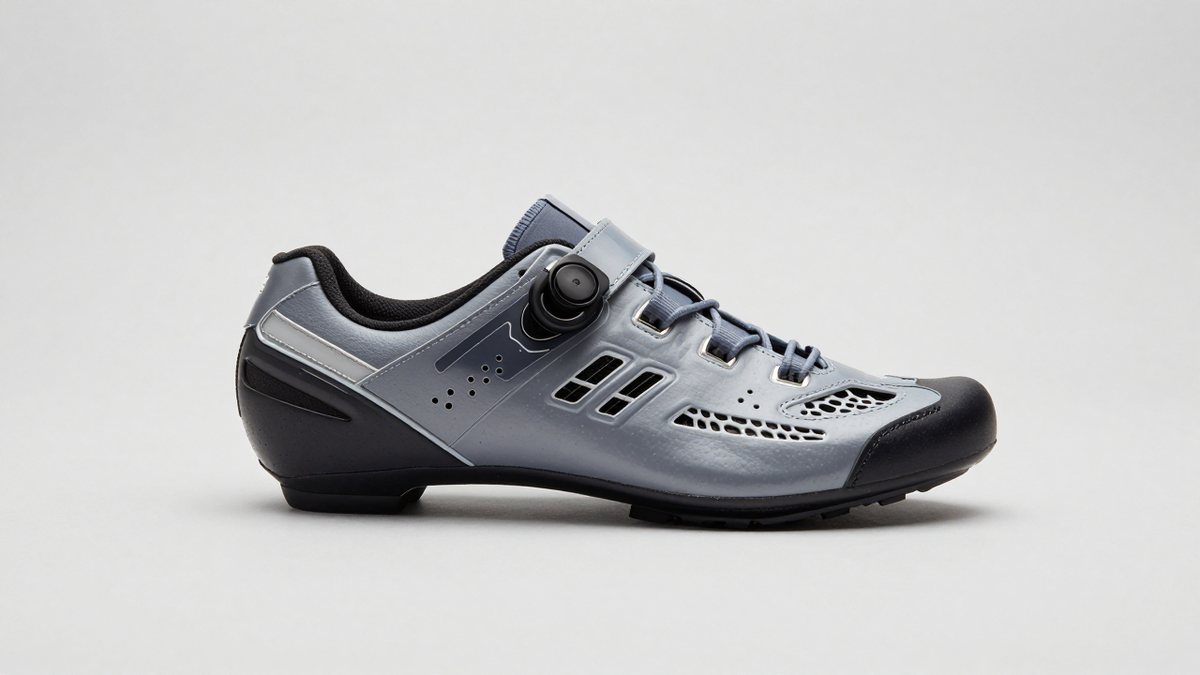
What separates good biking shoes from mediocre ones comes down to three things: sole stiffness, cleat compatibility, and how well the upper holds your foot during sustained pedaling. Beyond that, fit nuances—width, arch support, ankle collar padding—determine whether you’ll reach for a pair on a weekday evening or let them collect dust. This roundup compares eight products that span a wide range of prices and design philosophies, from dedicated road cycling shoes to minimalist options that make tradeoffs you should understand before clicking buy.
As an Amazon Associate we earn from qualifying purchases at no extra cost to you.


Our Top Picks
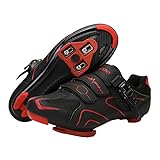
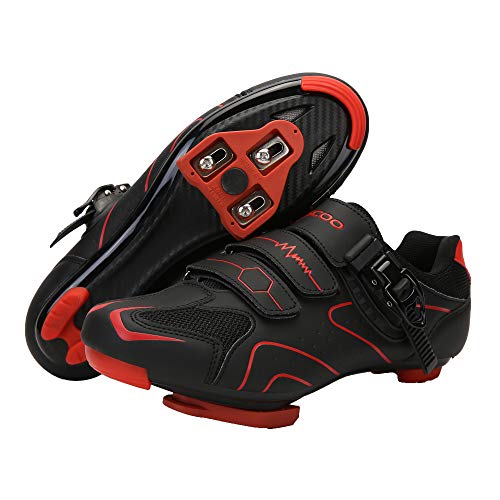 Unisex Cycling Shoes Compatible with Peloton Indoor Road14 Women/11 Men4.3 x 11.8 x 8.25 inchesCheck on Amazon
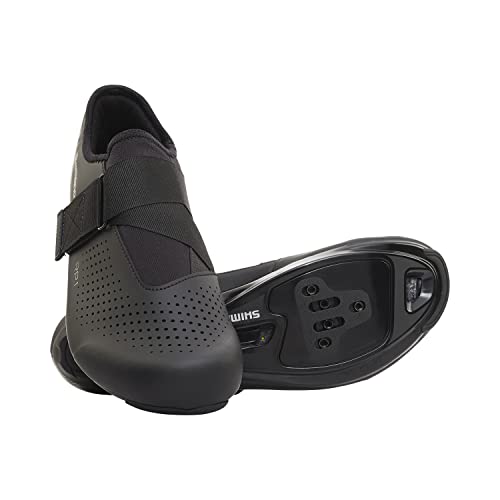 Shimano SH-RP101 High Performing All-Rounder Cycling Shoe10.5 Men13 x 8 x 5 inches0.7 poundsCheck on Amazon
 Peloton Womens Cycling Shoes Bike and Bike+ Size8 Women/6 Men12 x 8.58 x 4.4 inches2.55 poundsCheck on Amazon


Quick Picks
| Product | Best for | Price |
|---|---|---|
| Unisex Delta Cleat Cycling Shoes (M11) | Peloton users on a budget | $54.75 |
| Shimano SH-RP101 | Serious road riding on a mid-range budget | $65.00 |
| ASITVO Barefoot Minimalist | Indoor cycling with a flat pedal | $35.69 |
| Peloton Cycling Shoes | Official Peloton ecosystem riders | $99.98 |
| Mountain Bike SPD Shoes | Trail and gravel riding | $48.59 |
| MIFAWA Barefoot Zero Drop | Zero-budget gym-to-bike versatility | $25.02 |
| Peloton-Compatible Road Shoes (M10.5) | Value-focused indoor cyclists | $41.27 |
| Unisex Peloton & SPD Road Shoes | Riders wanting dual cleat compatibility | $43.48 |
How We Picked
We evaluated each product on published specifications, listed price points, and recurring themes in owner feedback. The four criteria that matter most in this category are sole rigidity for power transfer, cleat system compatibility with your actual pedals, upper construction for comfort over longer sessions, and value relative to the price tier. A shoe that excels at one criterion but fails on another gets flagged honestly here, because the wrong pair wastes money and, worse, discourages riding.
The 8 Best Biking Shoes in 2026
Unisex Delta Cleat Cycling Shoes (M11)
This pair targets riders who want a no-nonsense cycling shoe without the brand premium. The Delta-compatible cleat system means they click directly into most indoor road bikes, including Peloton-style pedals, right out of the box. Owners consistently praise the stiff sole for its price point and note that the black-red colorway hides scuffs well over months of use.
- Pro: Delta cleat compatibility works immediately with popular indoor road bike pedals.
- Pro: Stiff sole delivers noticeable power transfer compared to any sneaker alternative.
- Con: Sizing skews narrow; riders with wider feet report pressure points at the forefoot.
Skip this if you have wide feet or need a shoe that doubles as a walking option between rides, since the sole makes pavement walking awkward and slippery.
Shimano SH-RP101 High Performing All-Rounder
Shimano has built a reputation for reliable cycling components, and the SH-RP101 extends that pedigree into footwear. Positioned as an all-rounder, this shoe suits riders who want one pair for both indoor sessions and outdoor road miles. The upper construction balances breathability with structure, and the sole profile supports a natural pedaling motion without the aggressive downward curve found on race-oriented models.
- Pro: Versatile sole design works well for both indoor and outdoor road riding.
- Pro: Shimano’s established fit philosophy means predictable sizing across EU conversions.
- Con: Lacks the micro-adjustment dial closure found on higher-tier Shimano models, relying instead on a simpler strap-and-velcro arrangement that owners note loosens over longer rides.
Not ideal for competitive racers who want maximum stiffness or riders who prefer ratchet buckle precision.
ASITVO Wide Men’s Barefoot Zero Drop Sole Minimalist
This is not a dedicated biking shoe, and listing it alongside true cycling footwear requires honesty about what it offers. The ASITVO provides a wide toe box and zero-drop platform that some indoor cyclists prefer when using flat pedals or a spin bike without cleats. The no-sew TPU upper keeps weight low, and owners appreciate the freedom of movement that a barefoot-style sole gives during lower-intensity spinning sessions.
- Pro: Generously wide toe box accommodates feet that pinch in traditional cycling shoes.
- Pro: Zero-drop design promotes a natural foot position that some riders find reduces knee strain.
- Con: Flexible sole absorbs energy that a stiff cycling shoe would transfer to the pedal, reducing power output noticeably.
Skip this entirely if you clip in with cleats or if power efficiency matters to your riding goals.
Peloton Cycling Shoes
As Peloton’s official footwear, these shoes ship with Delta-compatible cleats pre-installed and tuned for the company’s bikes. The black-red colorway mirrors the brand’s aesthetic, and the upper construction prioritizes a locked-in fit that holds during high-cadence intervals. Owners report that the ankle collar padding sits comfortably against the Achilles tendon without creating hot spots during sustained efforts.
- Pro: Comes ready to clip into Peloton Bikes and Bike+ without any setup or third-party cleats.
- Pro: Upper padding is specifically tuned to avoid pressure at the instep during long class sessions.
- Con: The price premium over compatible third-party shoes buys ecosystem convenience rather than a performance gap; the sole stiffness and power transfer sit close to models costing half as much.
Consider skipping if you ride multiple bike brands or if budget is a primary constraint, since the Delta compatibility is not unique to Peloton-branded shoes.
Mens Mountain Bike Shoes with 2-Bolts SPD Cleats
Designed for off-road riding, this pair uses a two-bolt SPD cleat system that recesses the attachment point into a lugged sole, making walkable terrain practical. For mountain bikers and gravel riders, that recessed design is non-negotiable. Owners note that the upper resists trail debris and mud reasonably well, and the overall construction feels more robust than road-oriented shoes at a similar price.
- Pro: Recessed SPD cleat housing lets you hike-a-bike sections without a slippery metal-on-rock walk.
- Pro: Durable upper construction handles trail conditions better than mesh-heavy road shoes.
- Con: Noticeably heavier and bulkier than road cycling shoes, which compromises the pedal stroke feel if you use them on a road or indoor bike.
Not the right choice for indoor cycling or road riding where weight and sole profile matter more than terrain versatility.
MIFAWA Barefoot Shoes Men Wide Toe Box Zero Drop
Like the ASITVO, the MIFAWA occupies a niche for riders who want a grounded, minimalist feel while using flat pedals. The water-ready construction means these dry quickly after sweaty sessions, which owners mention as a genuine advantage over fabric uppers that stay damp. At the lowest price in this roundup, they offer broad foot freedom without any cleat commitment.
- Pro: Fastest drying material in this group, making them practical for high-sweat indoor workouts.
- Pro: Most affordable option here for riders who only use flat pedals.
- Con: The thinnest sole in this roundup means the most energy loss during pedaling and the least protection from pedal platform texture.
Avoid if you clip into pedals or if you ride at intensities where every watt of power transfer counts.
Mens Womens Cycling Shoes Compatible with Peloton Road Bike
This unisex model fills the budget tier for Peloton users who want Delta-compatible footwear without paying brand-name prices. The black finish is understated, and owners report a fit that runs true to size for average-width feet. The sole profile offers adequate stiffness for recreational and moderate-intensity riding, though it does not match premium road shoes on all-out efforts.
- Pro: Delta cleat mount ships with the shoe, reducing setup friction for new indoor riders.
- Pro: Price sits well below official Peloton shoes while delivering similar clip-in functionality.
- Con: Upper material feels plasticky over extended use, and some owners note reduced breathability compared to more expensive options.
Pass on this if you have sensitive skin or ride in hot environments where upper breathability prevents discomfort.
Unisex Road Bike Cycling Shoes Compatible with Peloton & SPD
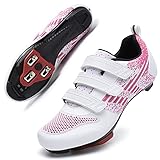
The distinguishing feature of this pair is dual cleat compatibility: a three-hole pattern that accepts both Delta and SPD systems, letting riders switch between an indoor road bike and a clipless outdoor setup with one pair. The white-pink colorway stands out from the all-black crowd. Owners who ride both indoors and outdoors mention the convenience as the primary reason they chose this model over single-system alternatives.
- Pro: Works with both Delta and SPD pedals, covering indoor and outdoor use cases without a second shoe purchase.
- Pro: Lighter than the mountain bike SPD option while still supporting clipless riding outdoors.
- Con: The compromise of dual compatibility means neither system gets a fully optimized sole platform, and owners note the fit is less precise than dedicated single-system shoes.
Not ideal if you want the most precise pedal feel for either road or trail specifically, since a dedicated shoe will always outperform a hybrid.
Buying Guide
Cleat System and Pedal Compatibility
Before anything else, confirm which cleat system your pedals use. Delta (three-bolt, large platform) dominates indoor road bikes and is the standard for spin studio equipment. SPD (two-bolt, recessed) serves mountain and gravel riders. Some shoes offer a three-bolt pattern that accepts Delta directly while supporting SPD adapters, but these hybrids trade a degree of precision. Mismatching your shoe to your pedal system means you either cannot clip in or must swap hardware.
Sole Stiffness and Power Transfer
Sole rigidity is the single most important performance factor in biking shoes. A stiff sole prevents energy from dissipating through foot flex during the downstroke. Carbon-fiber soles offer the highest stiffness-to-weight ratio but come at a premium. Nylon-composite soles, common in the shoes reviewed here, deliver meaningful improvement over any athletic sneaker. If you ride flat pedals only, sole flexibility matters less and comfort becomes the priority.
Upper Material and Long-Term Comfort
The upper determines how the shoe handles sweat, heat, and repeated wear. Leather and synthetic leather uppers provide structure and durability but can feel warm. Mesh panels improve ventilation at the cost of some lateral support. For indoor riding where airflow from wind is absent, breathability matters more than many buyers realize until the third consecutive week of hot classes.
Our Verdict
The top pick for most riders is the Shimano SH-RP101. It balances stiffness, fit predictability, and versatility at a price that undercuts brand-specific alternatives while earning Shimano’s fit philosophy. For the best value in the dedicated cycling category, the Peloton-Compatible Road Shoes at $41.27 deliver Delta functionality at a fraction of the official price. One condition shifts the ranking: if you ride both a Peloton indoors and a clipless outdoor bike, the Unisex Peloton & SPD Road Shoes win because no other single pair in this group covers both systems without compromise.
FAQ
Can I use any sneakers on a cycling shoe pedal?
No. Cleated pedals require shoes with a matching cleat mount that bolts to the sole. Sneakers have a flat bottom and will slip off the pedal, creating a safety hazard. Only flat-pedal platforms work with general athletic footwear.
Do biking shoes fit differently than running shoes?
Yes. Cycling shoes are designed with a narrower last and less toe-box room because your foot does not splay during pedaling the way it does during a running stride. Many riders need to size up half a step or choose a wide-specific model compared to their running shoe size.
Are expensive biking shoes worth it?
Diminishing returns arrive quickly. The jump from any sneaker to a dedicated cycling shoe is dramatic. The jump from a mid-range nylon-sole shoe to a carbon-sole race model is noticeable for competitive riders but marginal for casual users. The Shimano SH-RP101 sits at the sweet spot where performance and price intersect well.
How long do cycling shoes last?
With regular use, expect several years of service from the sole and upper. Cleats themselves wear faster and should be replaced when you notice looseness in the clip-in or visible tread wear on the walking surface. Most manufacturers publish wear indicators on the cleat pad.