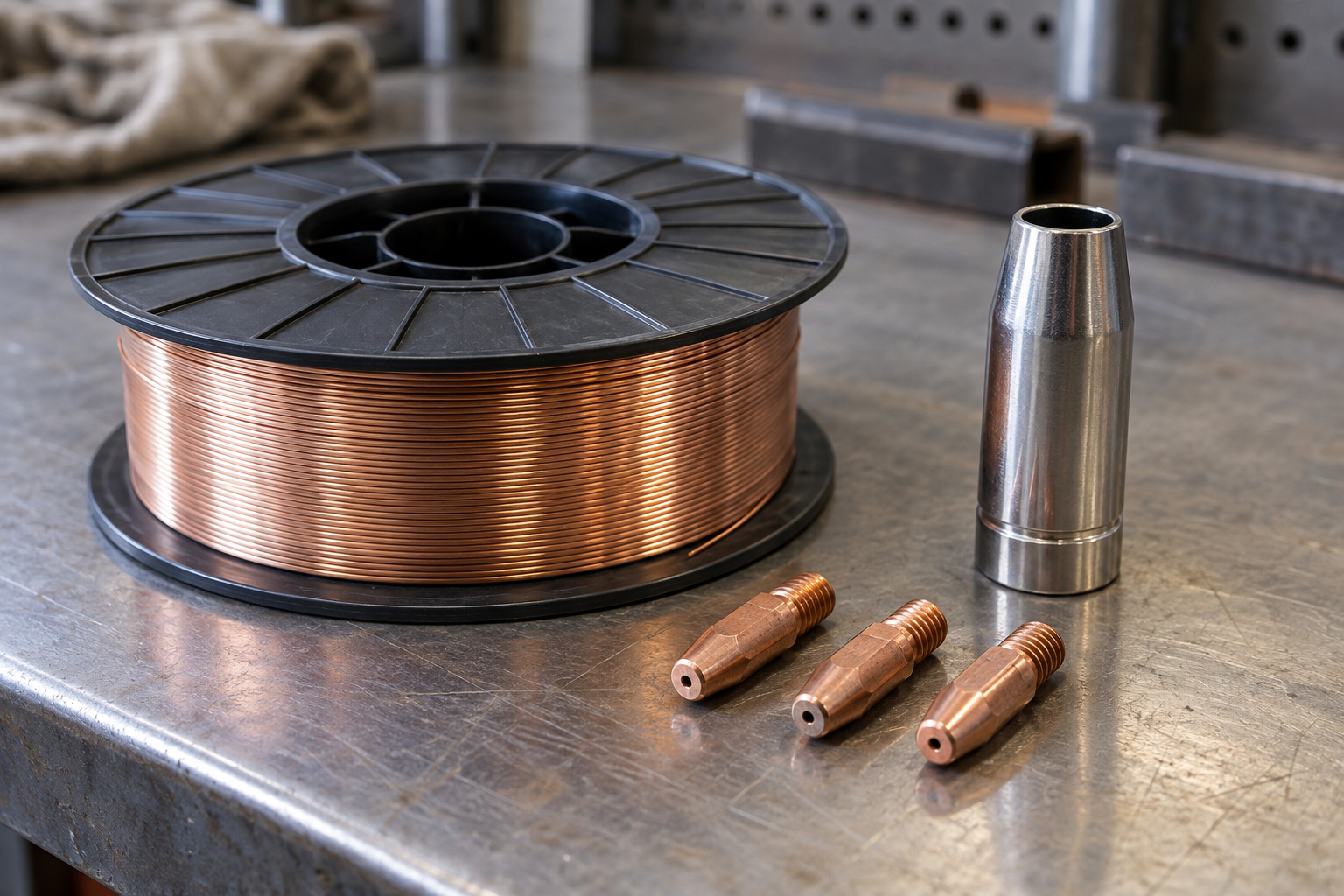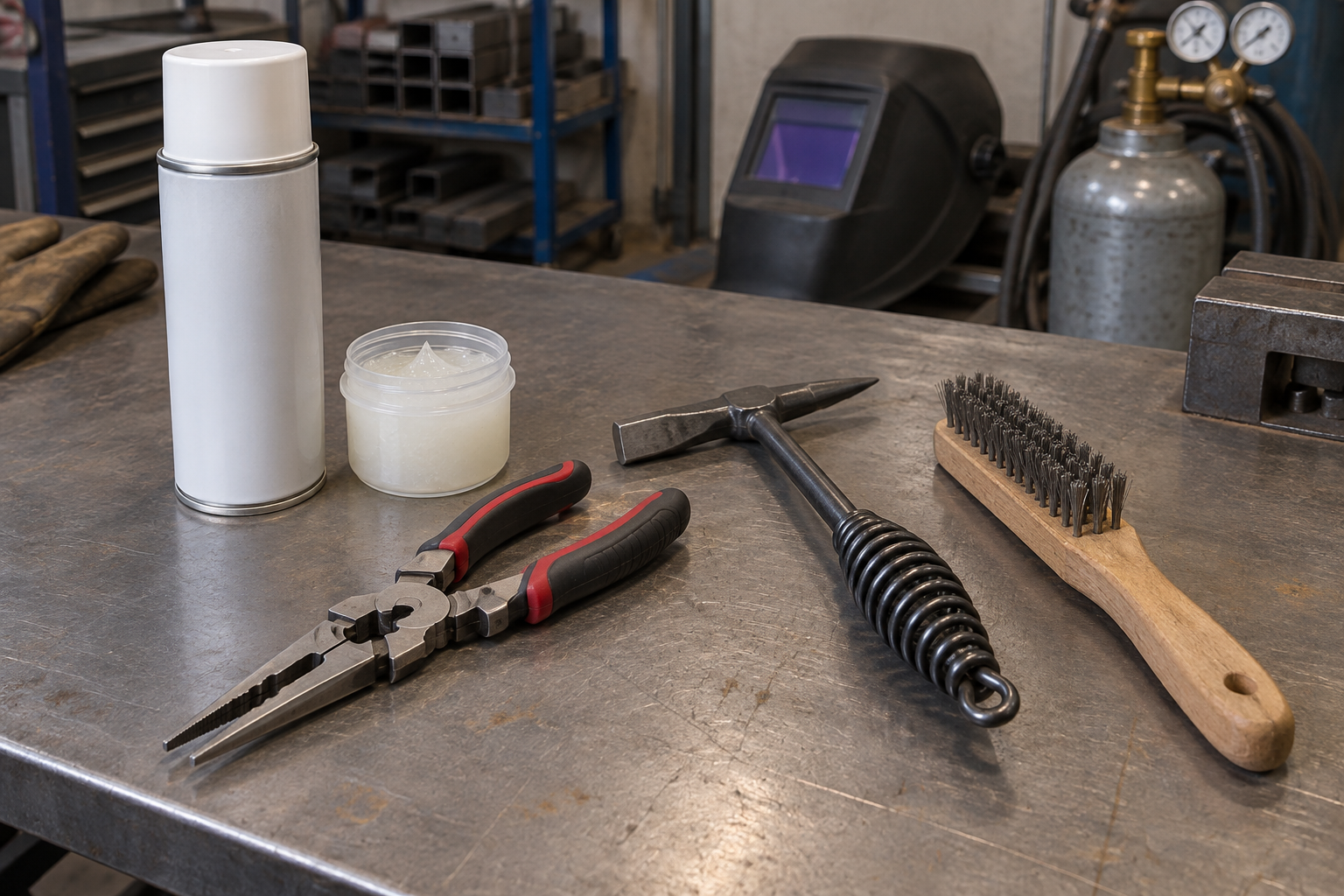
Best MIG Welding Pliers for Nozzle Cleaning and Wire Trimming
MIG welding pliers are small tools, but they affect how reliably a gun runs. The right pair trims wire cleanly, removes spatter from the nozzle, cuts the electrode, and grips…
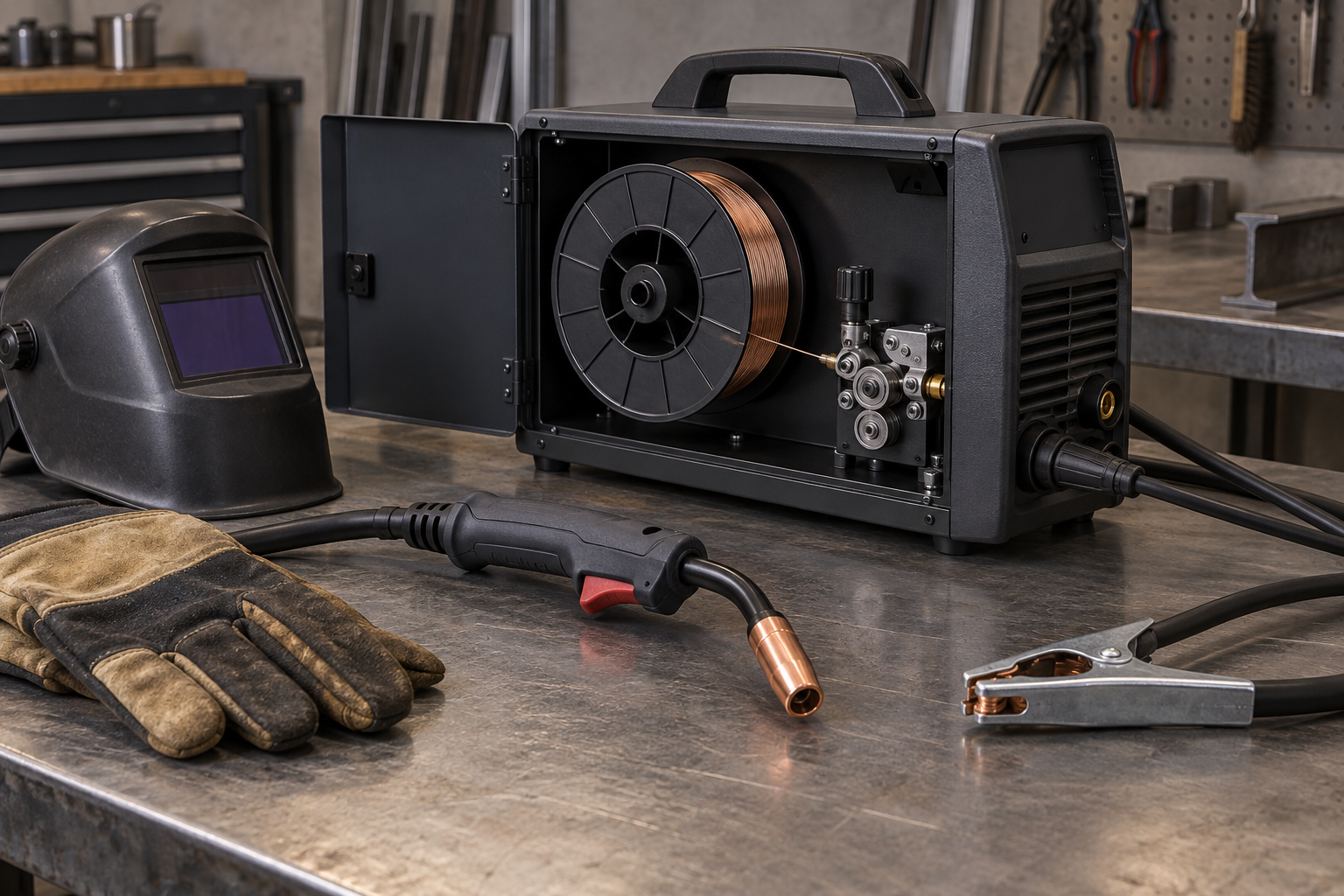
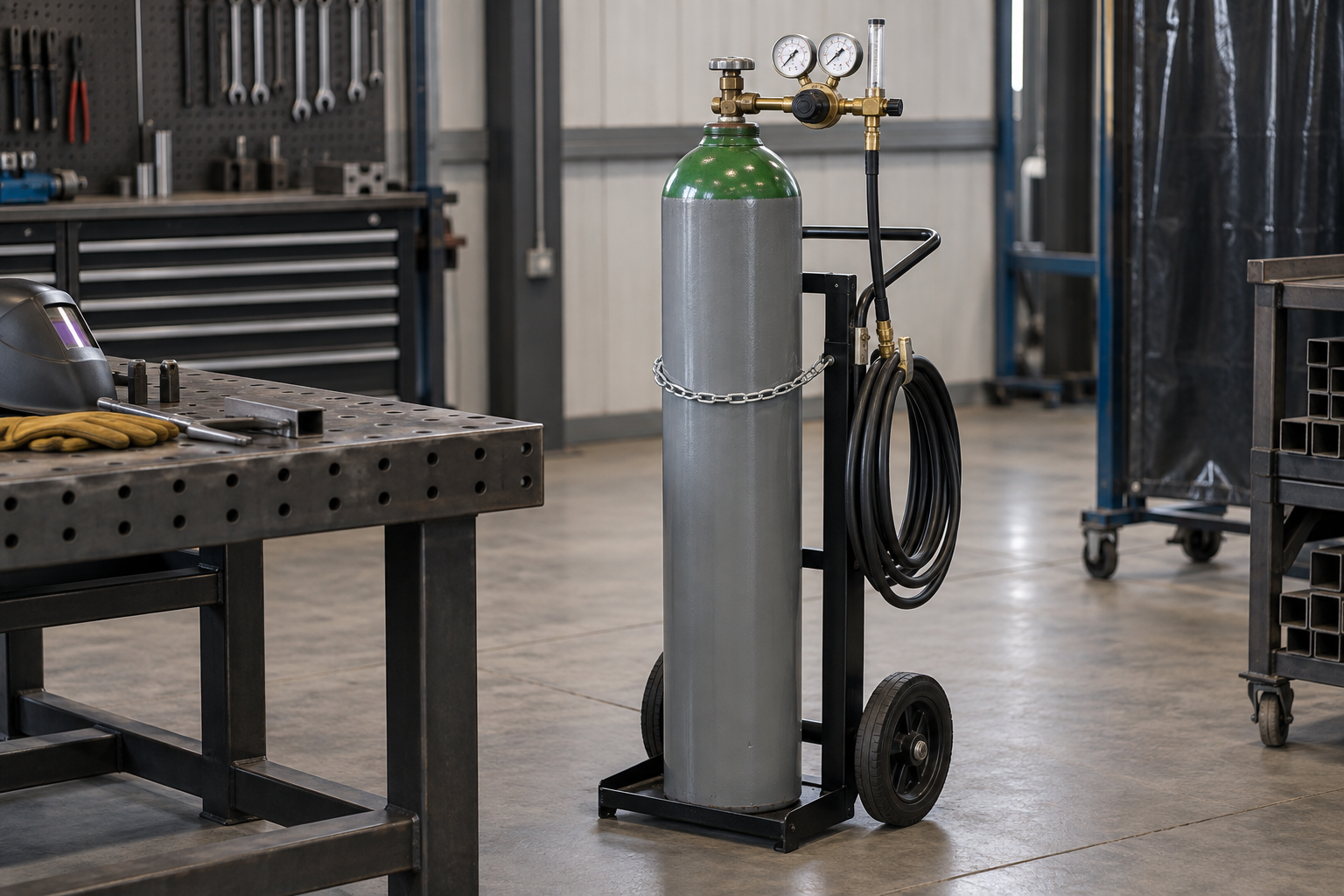
MIG settings depend on more than plate thickness. Wire diameter, metal-transfer mode, shielding gas, joint fit-up and welding position all affect the result. Treat the settings below as starting points,…
A MIG welder can have perfect wire feed and shielding gas, yet still produce a weak, erratic arc if the ground clamp makes poor contact. The clamp completes the welding…
For MIG welding stainless steel sheet, the best all-around gas is usually a tri-mix of 90% helium, 7.5% argon, and 2.5% carbon dioxide. It produces a clean, controllable arc with…
The short answer For most MIG jobs joining stainless steel to mild steel, start with ER309L solid wire and an argon-rich shielding gas. ER309L is designed for dissimilar-metal joints and…
What spool-gun compatibility means A spool gun carries a small roll of aluminum wire at the torch, instead of pushing soft wire through the welder’s longer liner. That short wire…
For most thin-gauge steel MIG work, 0.023-inch solid wire is the easiest diameter to control. It suits sheet roughly 22 to 16 gauge when paired with the right voltage, wire-feed…
Why pulse matters for aluminum Aluminum conducts heat quickly, so a weld can start cold and then suddenly get too hot as the joint warms. Conventional MIG can handle many…
What burnback control does Burnback control keeps the wire from sticking in the weld puddle when you release the MIG gun trigger. After the wire feed stops, the power source…
What programmable memory does—and what it doesn’t A MIG welder with programmable memory can store a group of welding settings so you can call them up again instead of rebuilding…