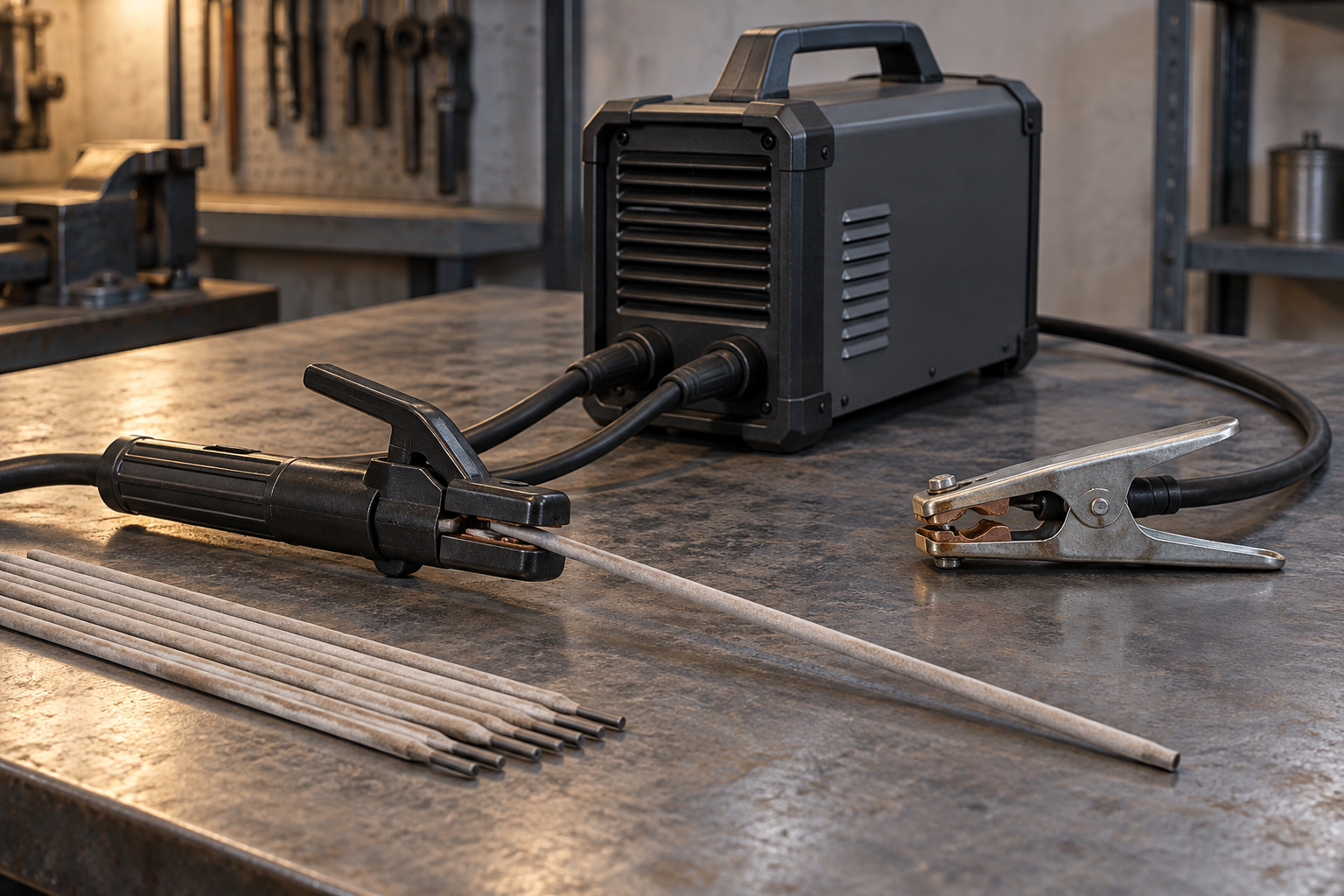
How to Strike a Stick Welding Arc Without Leaving Deep Marks
Striking a stick welding arc is simple in theory: touch the electrode to the work, then lift it a fraction of an inch.

1795 articles published
Striking a stick welding arc is simple in theory: touch the electrode to the work, then lift it a fraction of an inch.
Hot start is the brief increase in welding current at the moment an inverter stick welder detects that you are striking an arc.
Arc force, sometimes called dig or arc control, changes how a stick welder responds when the electrode gets close to the workpiece.
Slag is the glassy layer left by a flux-coated stick electrode. It protects the cooling weld pool from contamination, but it must be removed before the…
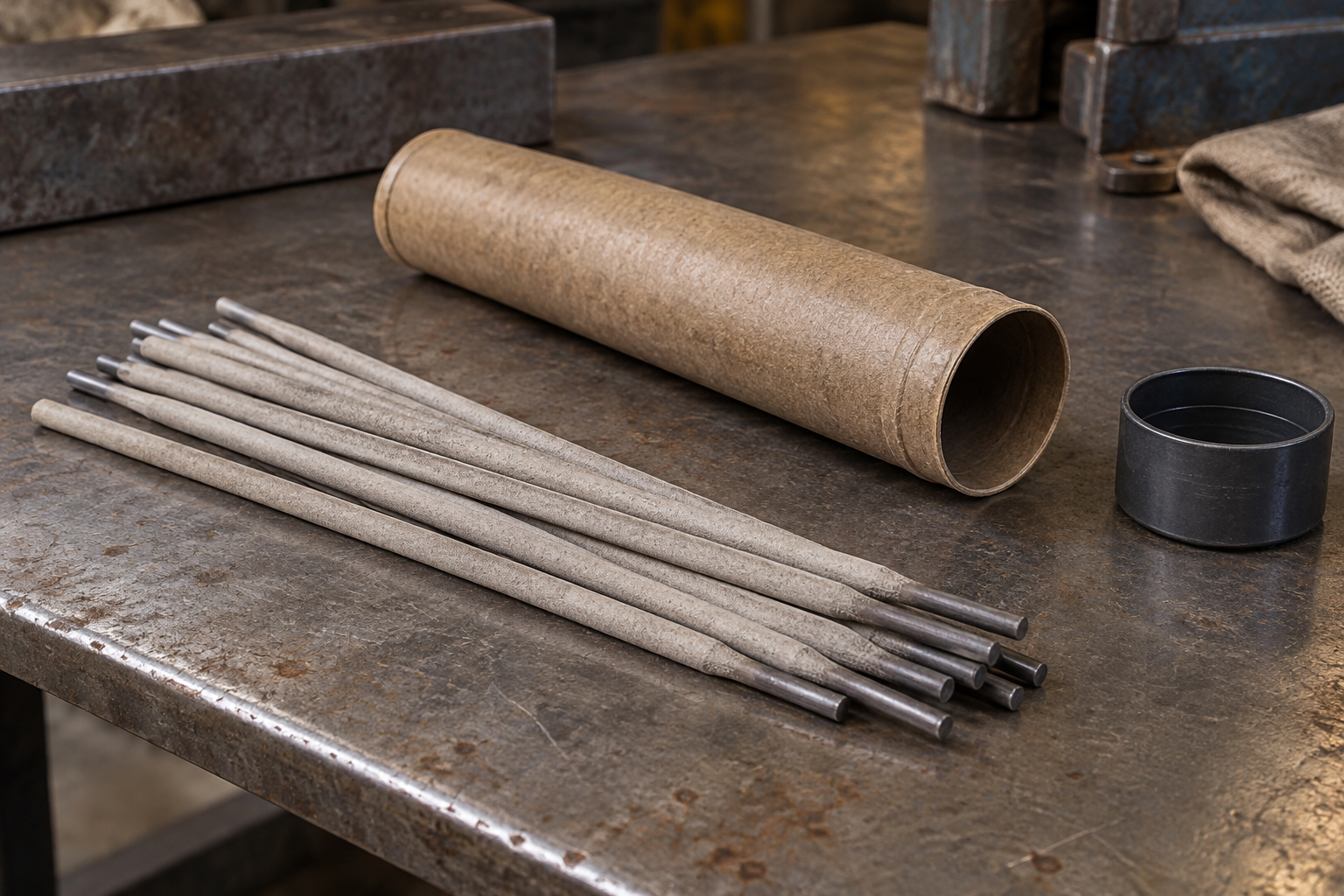
For mild steel plate, “welding electrode” usually means a stick welding rod, although MIG and TIG also use consumable electrodes or filler wire.
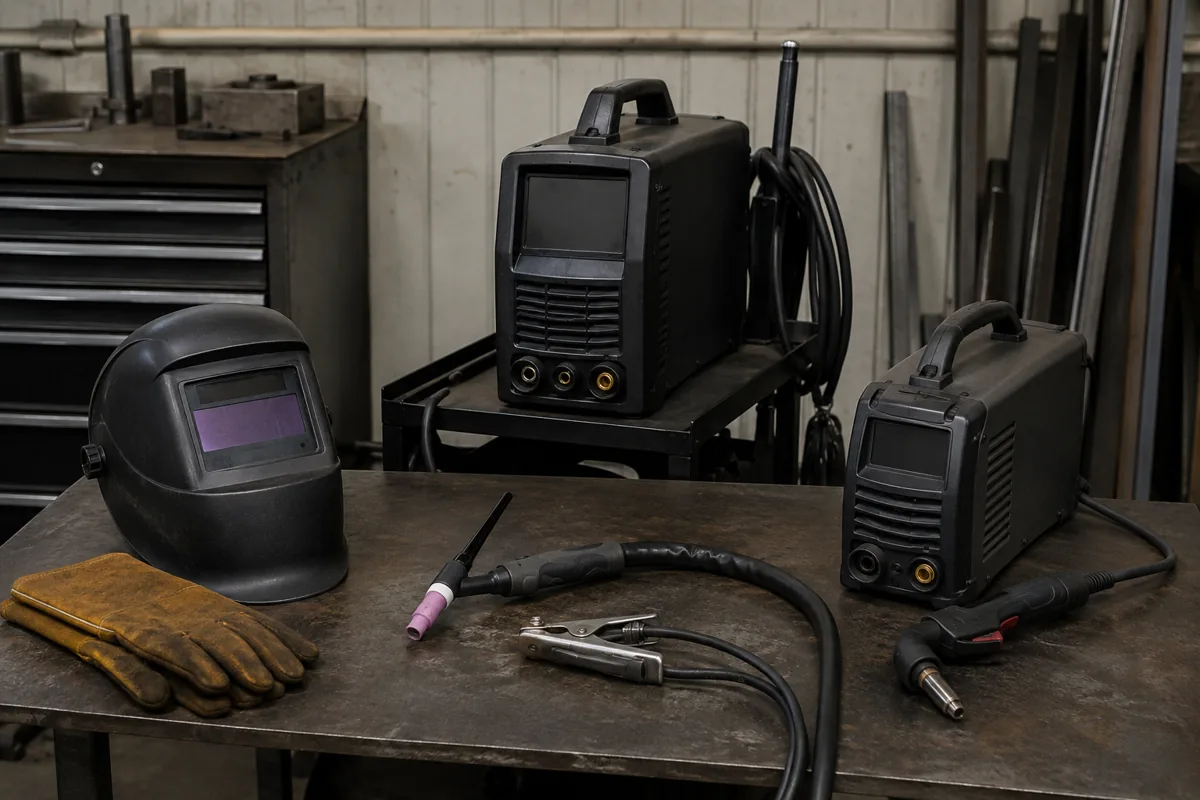
A V-groove joint gives the arc access to the root of a butt joint, making full penetration possible on plate that is too thick for a square groove.
Low-hydrogen stick electrodes, especially E7018, can absorb moisture from the air.
A Welding Procedure Specification (WPS) is the job’s instruction sheet for making a weld that meets a defined standard.

Bench welding and frequent grinding put unusual demands on an apron. You need protection from sparks, hot metal and sharp edges, but you also need enough…
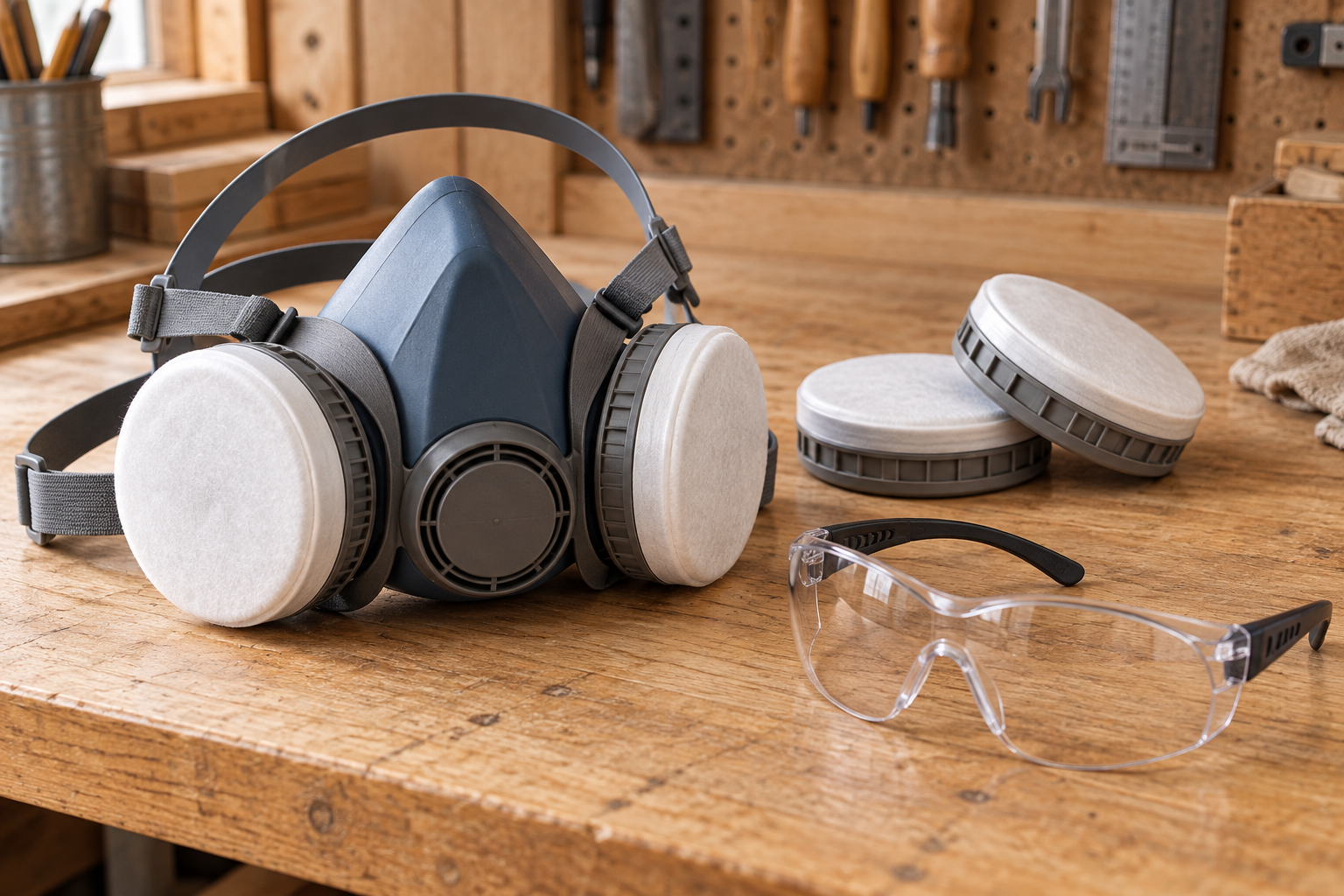
Stainless steel is not just ordinary welding with a shinier finish. TIG, MIG, and stick welding can produce fine metal fumes containing chromium…