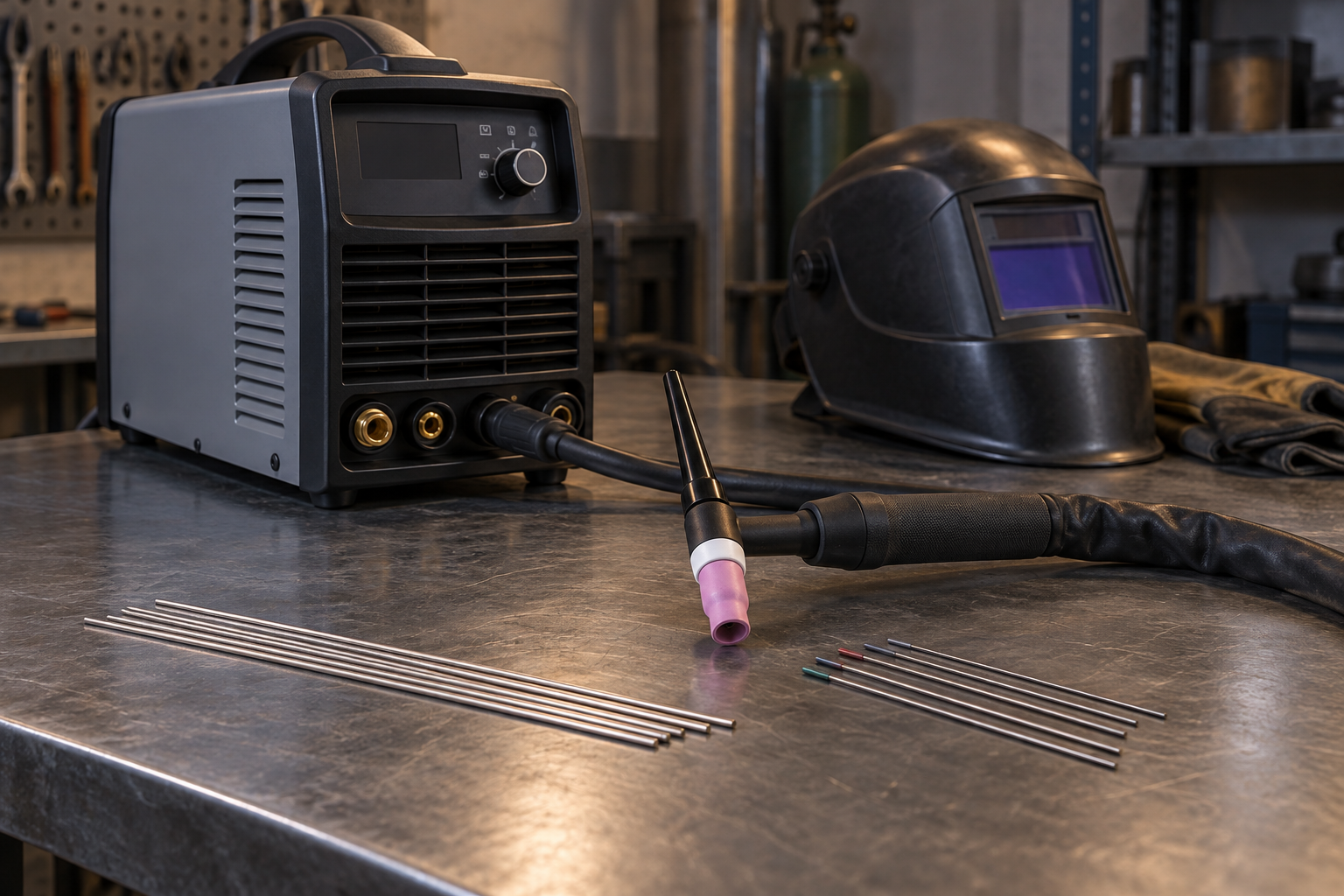
How to Fit Up Stainless Tubing for a Consistent TIG Root Pass
A consistent TIG root pass on stainless tubing starts before the arc is struck. Poor fit-up forces you to compensate with heat, filler, or travel speed…

1795 articles published
A consistent TIG root pass on stainless tubing starts before the arc is struck. Poor fit-up forces you to compensate with heat, filler, or travel speed…
A thin stainless steel T-joint looks simple, but it is one of the easiest TIG joints to overheat.
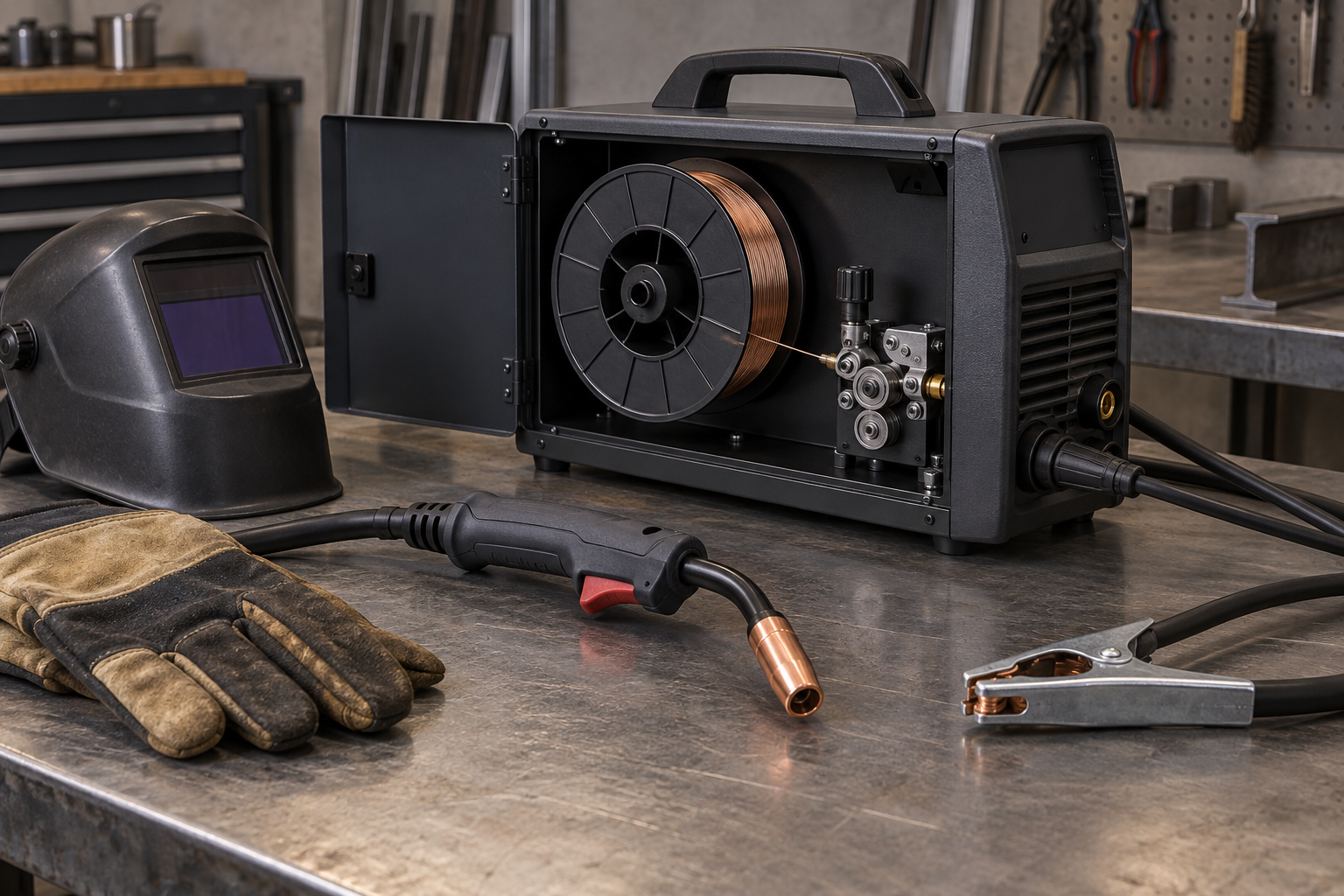
Burnback is the short period during which the welder keeps power on after you release the trigger.
Tungsten contamination is one of the most common TIG mistakes, especially when adding filler wire in tight joints or while working at low amperage.
Choosing tungsten diameter for low-amperage TIG welding is a balance between arc stability, heat capacity, and control.
Back-purging stainless steel tubing means filling the inside of the tube with argon while TIG welding the outside.
DC TIG is the right process for stainless steel when you need clean welds, controlled heat, and a finished joint that will not be hidden under paint.
Aluminum MIG wire is soft, springy, and easy to damage. A liner that works well with steel wire can create bird nests, inconsistent feeding, and frequent…
Humping is the repeating ridge-and-valley pattern that can form in a high-speed MIG weld.
Polarity determines which welding lead is positive and which is negative. On a MIG welder, that choice affects arc stability, penetration, spatter, bead…