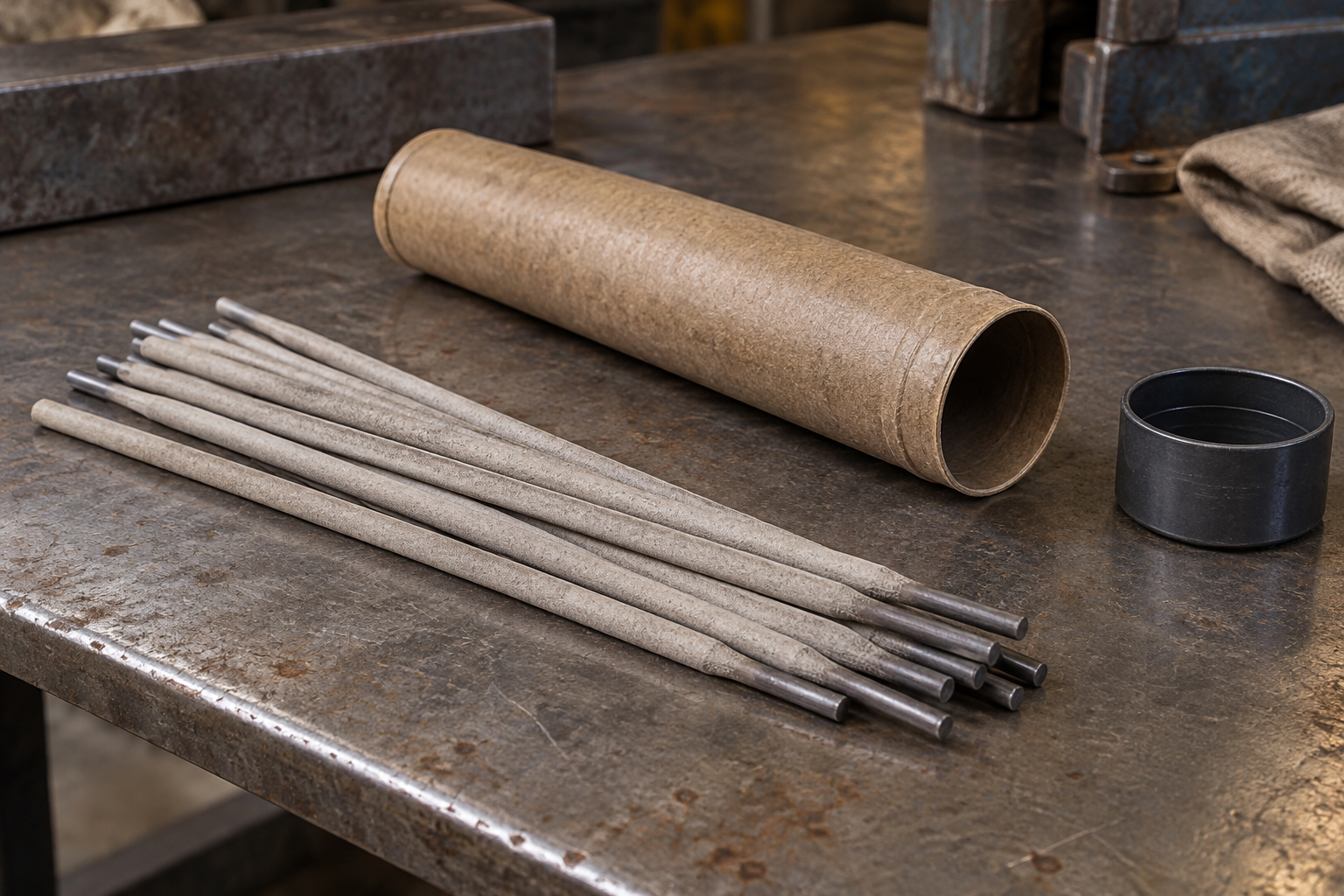
How to Select a Stick Electrode for Welding Cast Iron
Cast iron is easy to crack and difficult to weld reliably. It contains a high percentage of carbon, and its brittle structure does not tolerate the rapid…

1795 articles published
Cast iron is easy to crack and difficult to weld reliably. It contains a high percentage of carbon, and its brittle structure does not tolerate the rapid…
Low-hydrogen welding rods, usually E7018 electrodes, produce strong welds with a lower risk of hydrogen cracking than cellulose or rutile rods.
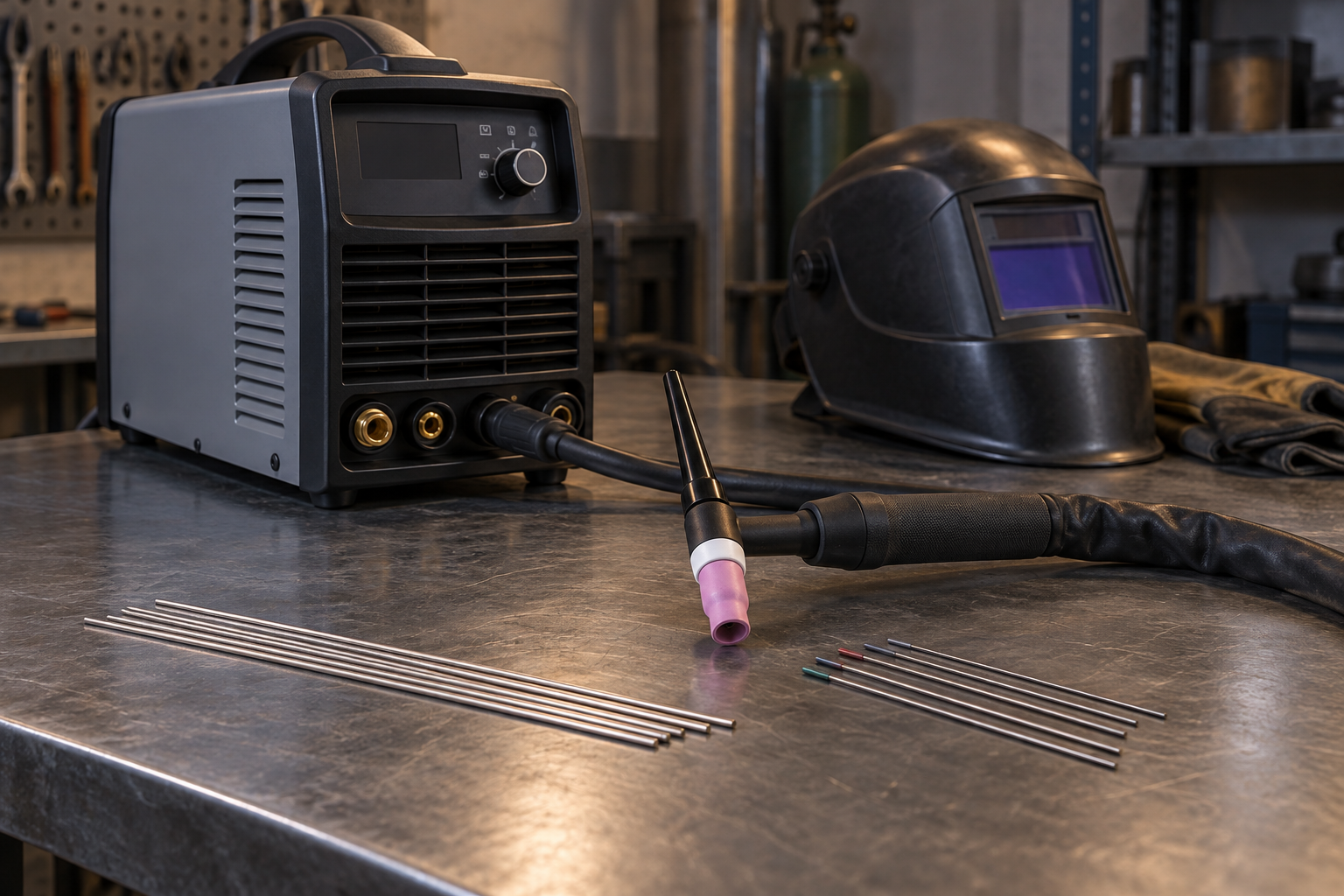
Copper is easy to contaminate and unforgiving of poor preparation. It conducts heat rapidly, so a TIG arc can struggle to establish a stable puddle even…
Thin aluminum is unforgiving, but a clean, well-fitted butt joint is very manageable with TIG.
A TIG-welded lap joint joins two overlapping pieces of metal by melting the edge of the top piece and a small amount of the lower piece, then adding…
Shielding gas preflow is the short burst of argon that starts before the TIG arc.
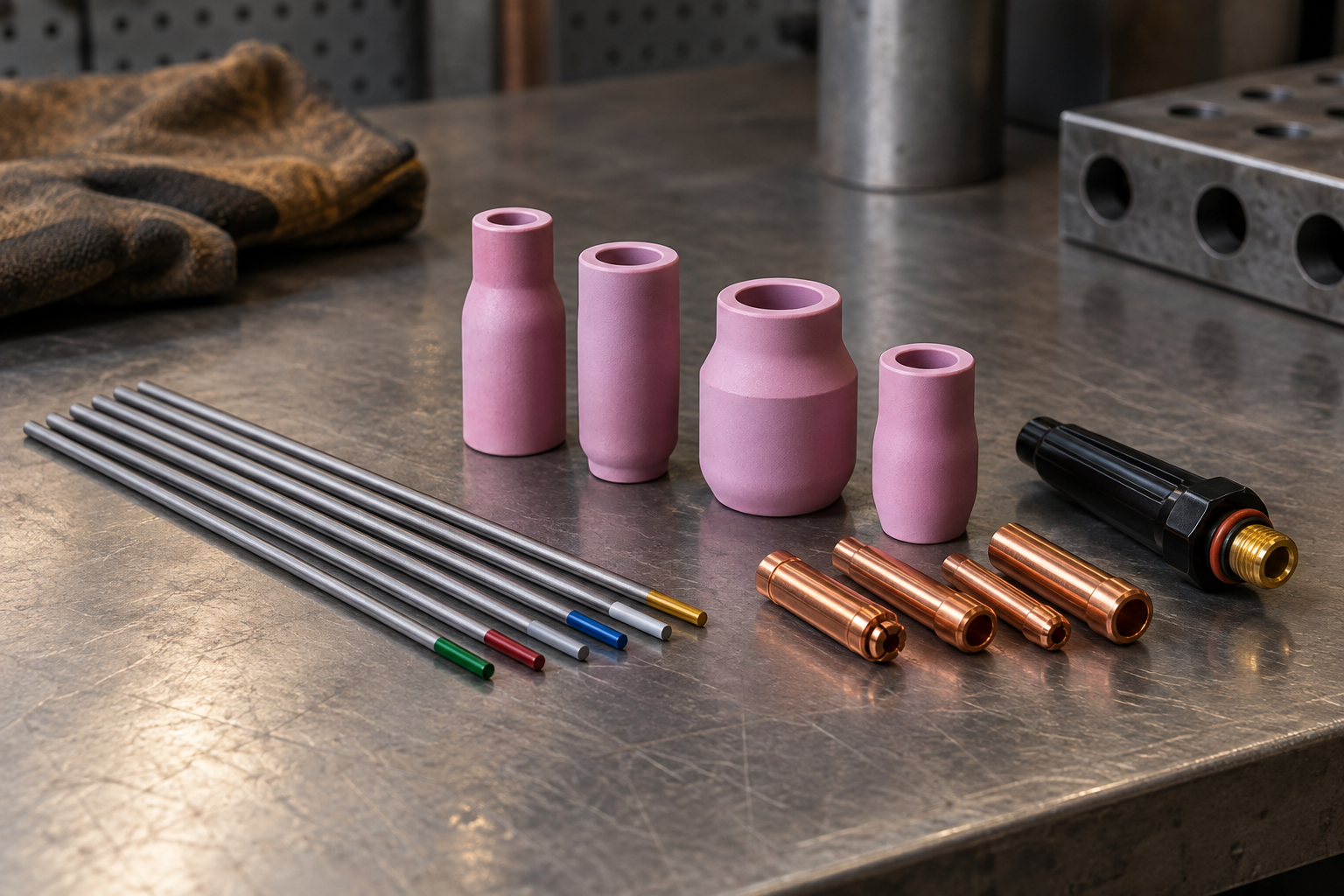
A TIG torch collet is a small part, but it has to do two jobs precisely: hold the tungsten electrode centered and transfer pressure from the back cap…
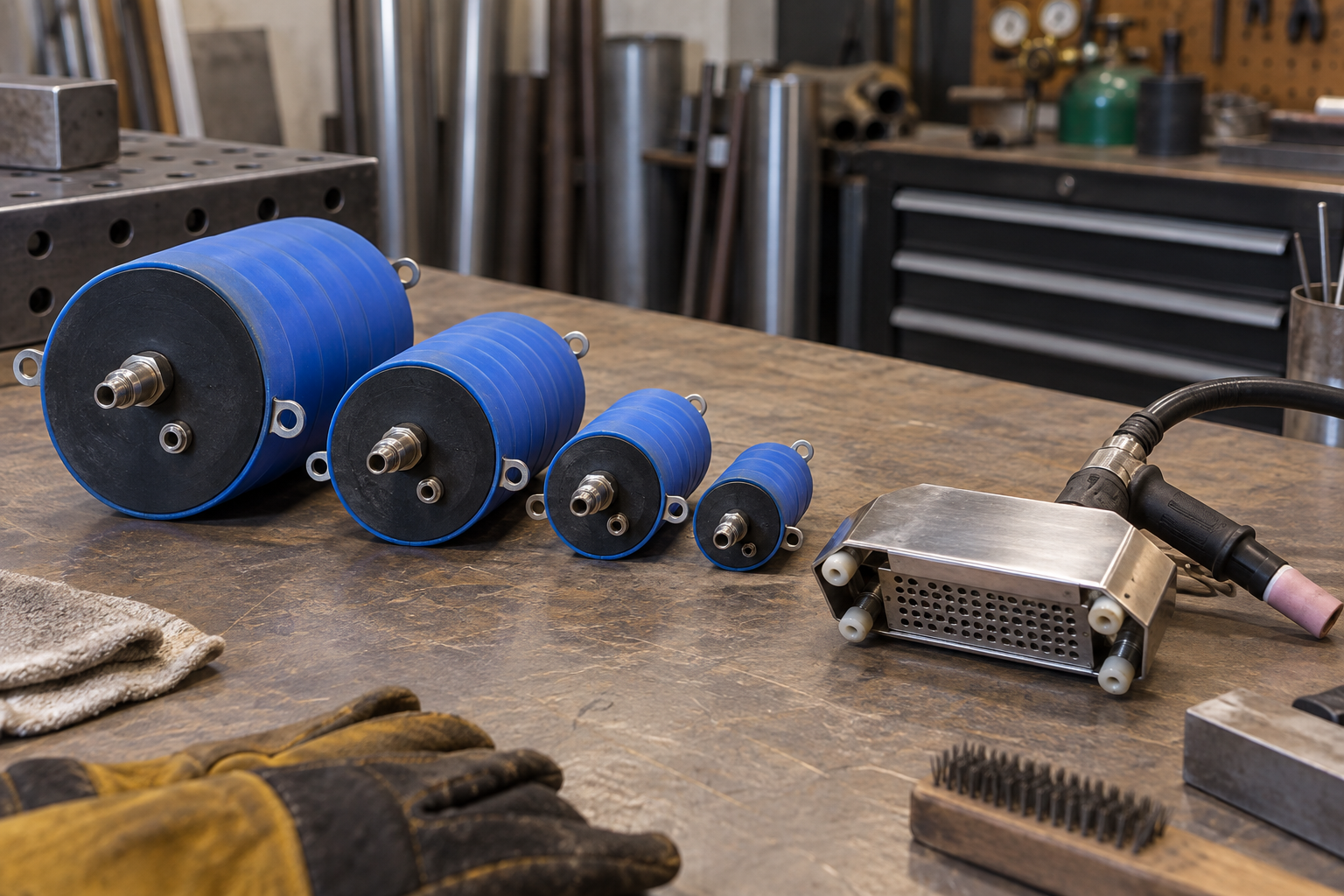
Titanium reacts readily with oxygen, nitrogen and moisture while hot. A weld can look sound at the torch and still become brittle or contaminated just…
A TIG welder that powers up but will not start an arc usually has a problem in one of five areas: setup, tungsten, work-clamp connection, gas flow, or the…
TIG filler rods are easy to misplace because they all look similar, yet a small mix-up can cause cracking, porosity, discoloration, or a weld that fails…