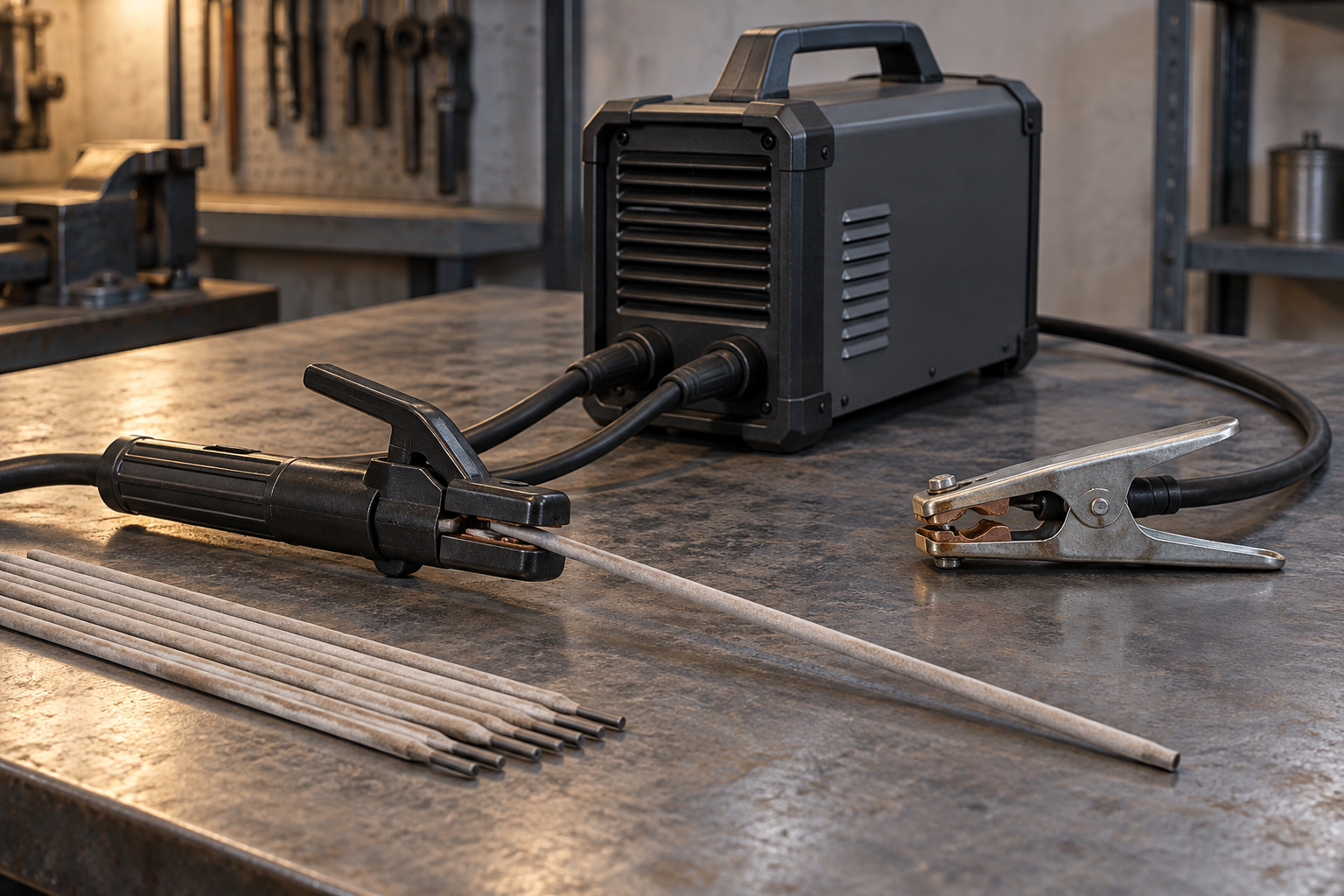
How to Weld a Lap Joint with a Stick Welder
A lap joint joins two pieces of metal by overlapping one edge over the other, then welding along the edge of the top piece.

1795 articles published
A lap joint joins two pieces of metal by overlapping one edge over the other, then welding along the edge of the top piece.
Undercut is a groove melted into the base metal beside the weld toe but not filled with weld metal.
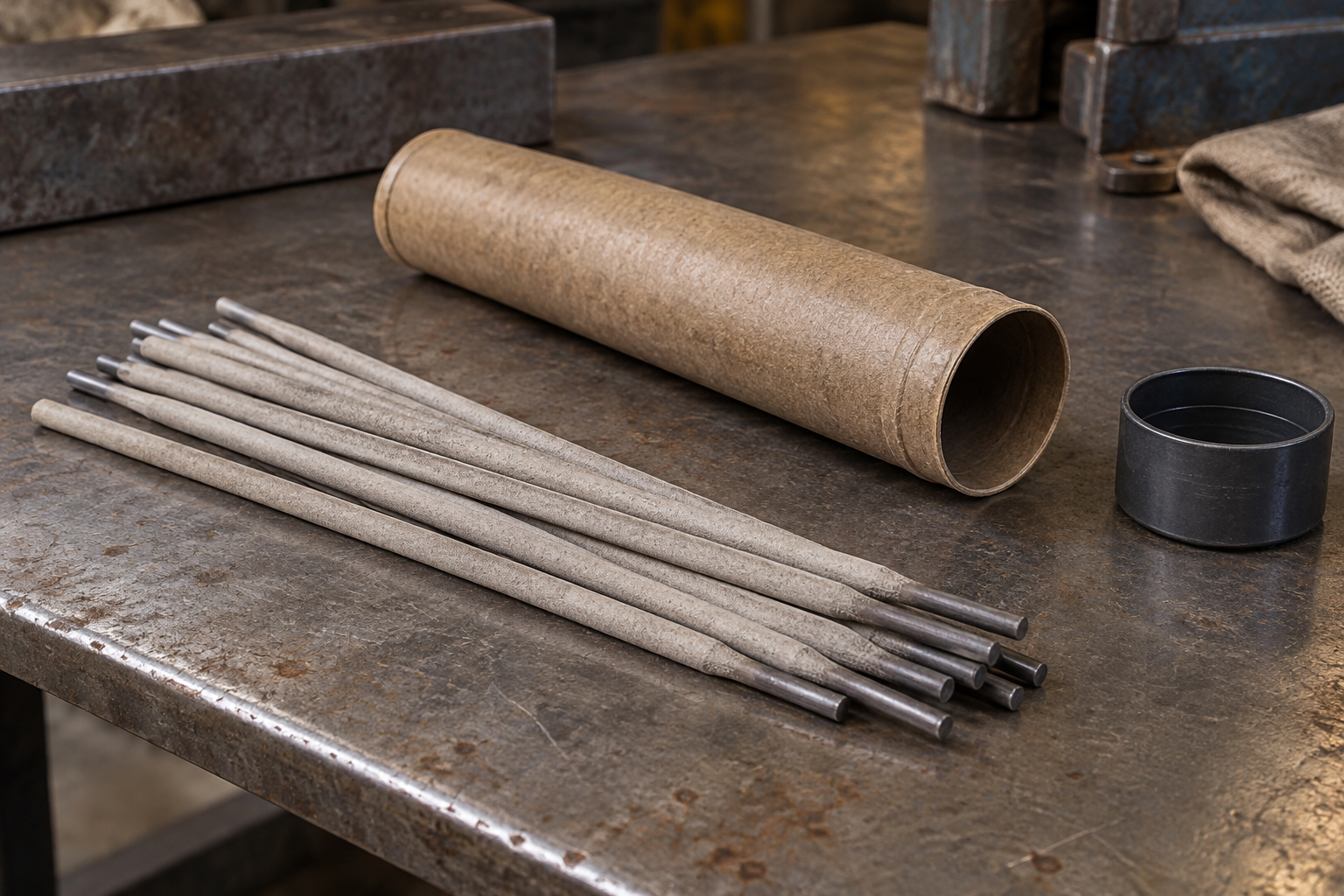
Moisture is one of the easiest ways to ruin a stick weld. A damp electrode can make the arc unstable, increase spatter, cause excessive sticking, and…
Arc blow is the sideways deflection of the welding arc during stick welding. Instead of traveling straight from the electrode to the workpiece, the arc…
Overhead stick welding is one of the least forgiving welding positions. Molten metal wants to fall, slag can break loose without warning, and a small…
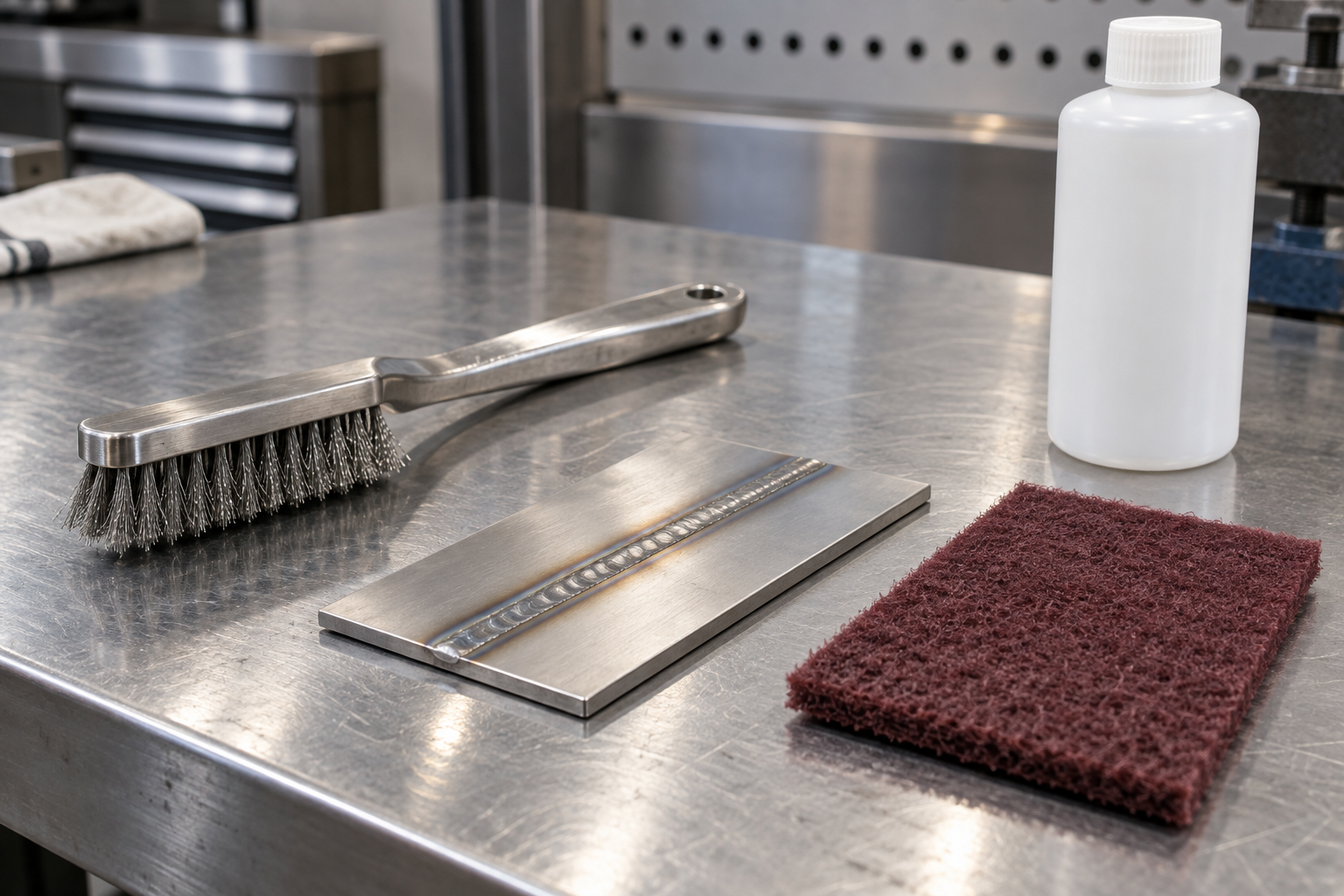
A stainless steel weld is not finished when the bead looks smooth. Welding heats the surrounding metal, damages the chromium-oxide film that protects…
A 7018 electrode can produce a strong, clean vertical fillet weld, but it rewards controlled technique rather than speed.
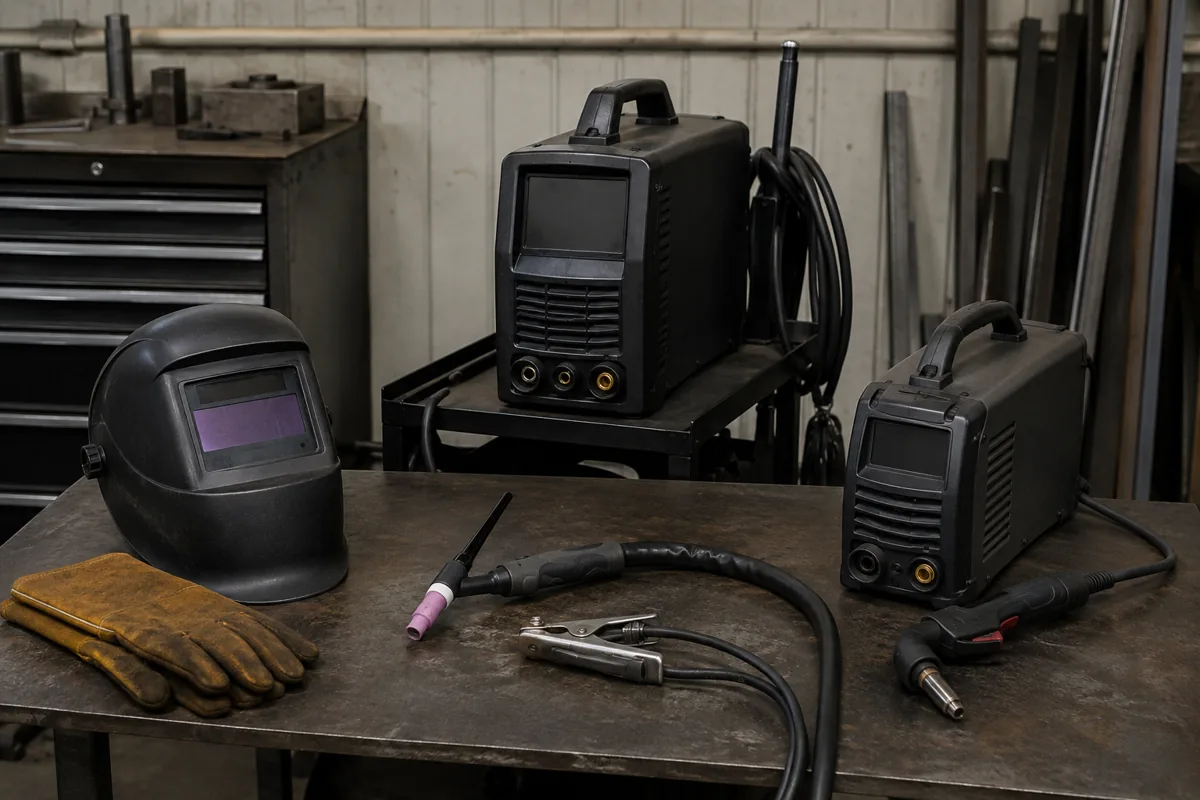
Heat tint is the blue, purple, brown, or straw-colored oxide that forms beside a stainless steel weld. It is not merely a cosmetic problem.
Setting the current correctly is the difference between a smooth 6013 weld and a mess of sticking, spatter, undercut, or burn-through.
Setting the current correctly is the difference between a 6010 electrode that digs a clean root and one that sticks, sputters, or blows holes through the…