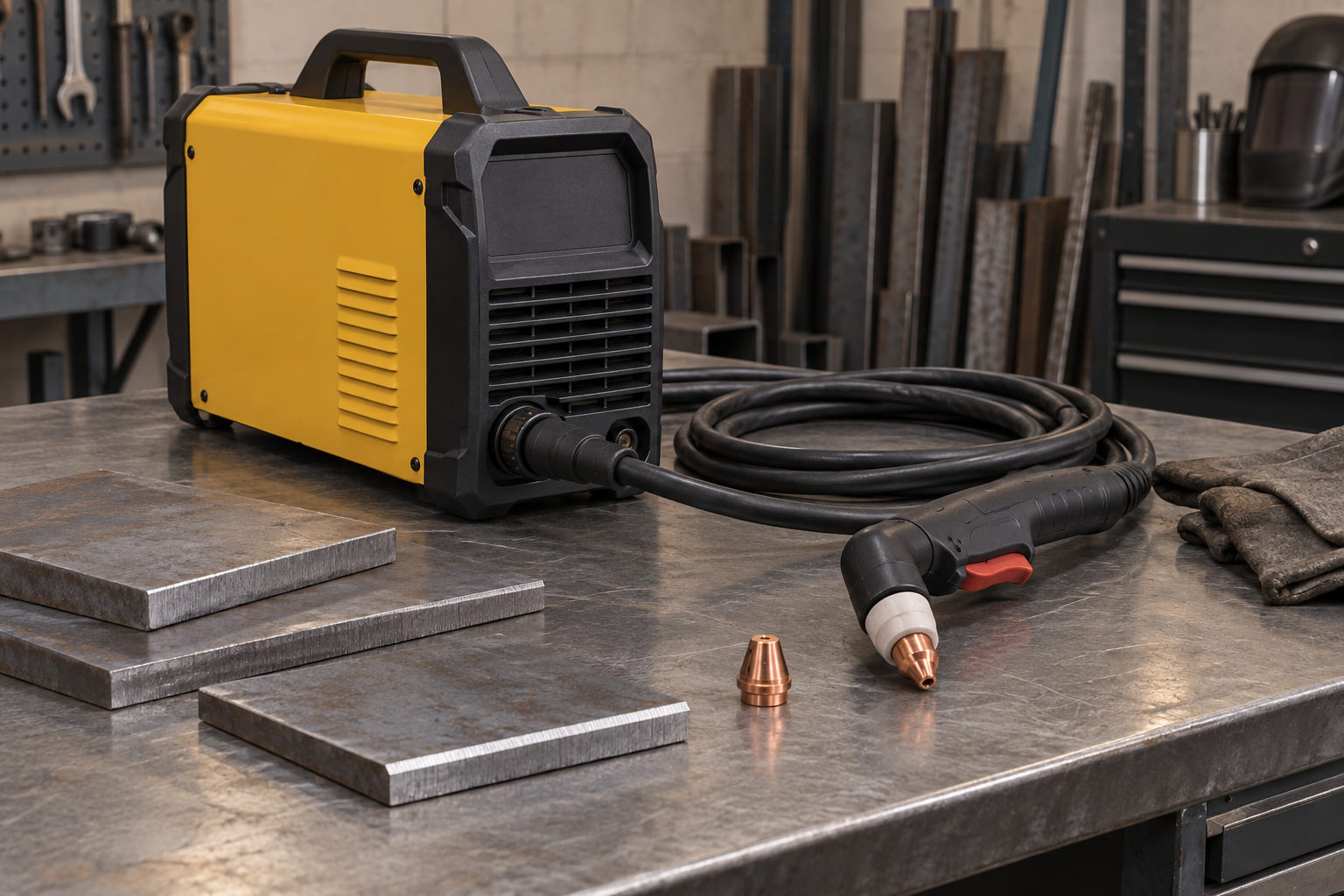
How to Diagnose a Plasma Cutter with Weak Arc Output
A plasma cutter that lights but produces a weak, sputtering, or short arc usually has a problem in one of five areas: air supply, consumables, electrical…

1795 articles published
A plasma cutter that lights but produces a weak, sputtering, or short arc usually has a problem in one of five areas: air supply, consumables, electrical…
Replacing plasma cutter consumables in the wrong order can cause an uneven arc, oversized cut width, excessive dross, or immediate damage to a new nozzle.
Moisture in compressed air causes more than an untidy cut. On a plasma cutter, water can contaminate the torch, shorten consumable life, make the arc…
A handheld plasma torch can cut mild steel quickly, but a straight cut depends more on setup and technique than on maximum amperage.
Expanded metal is harder to cut cleanly than a solid sheet because the cutter repeatedly moves from metal to open air.
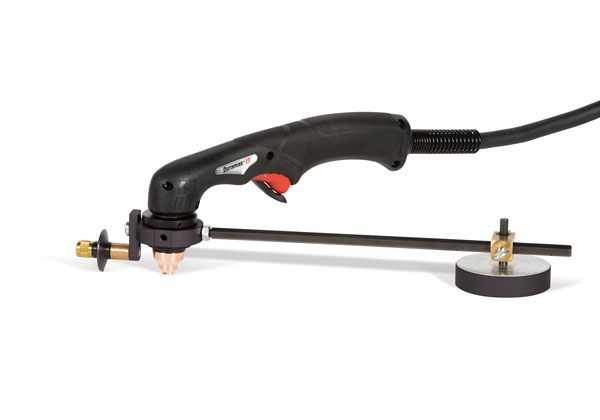
Cutting a clean round hole with a hand plasma cutter is possible, but freehand work rarely produces a truly round result.
Stainless steel cuts cleanly with a plasma cutter, but it is less forgiving than mild steel.
Cutting thick plate with a handheld plasma cutter is possible, but the machine’s advertised “maximum cut” is not the same as a fast, clean production cut.
Aluminum cuts well with a compressed-air plasma cutter, but it does not behave like mild steel.
Accurate plasma cuts start with accurate layout. A plasma cutter can follow a line quickly, but it will not correct a line that is in the wrong place, a…