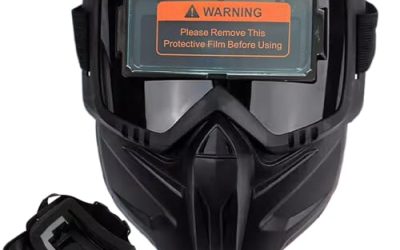
How to Select a Welding Hood for Plasma Cutting
Plasma cutting produces a bright arc, intense ultraviolet and infrared radiation, and a large amount of visible glare.

1795 articles published
Plasma cutting produces a bright arc, intense ultraviolet and infrared radiation, and a large amount of visible glare.
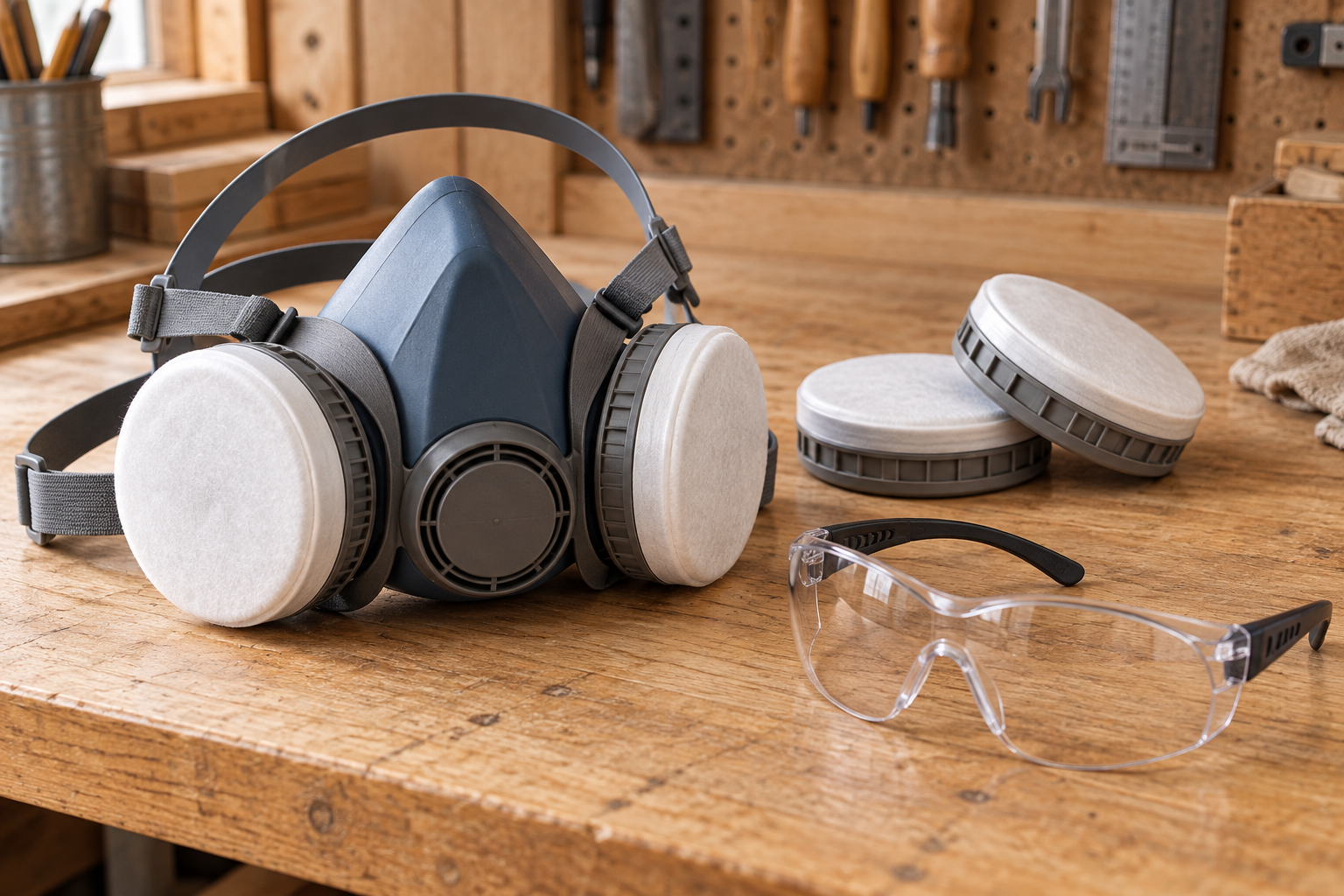
A welding respirator has to do two jobs at once: protect your lungs from welding fumes and fit under, around, or inside a welding helmet without breaking…
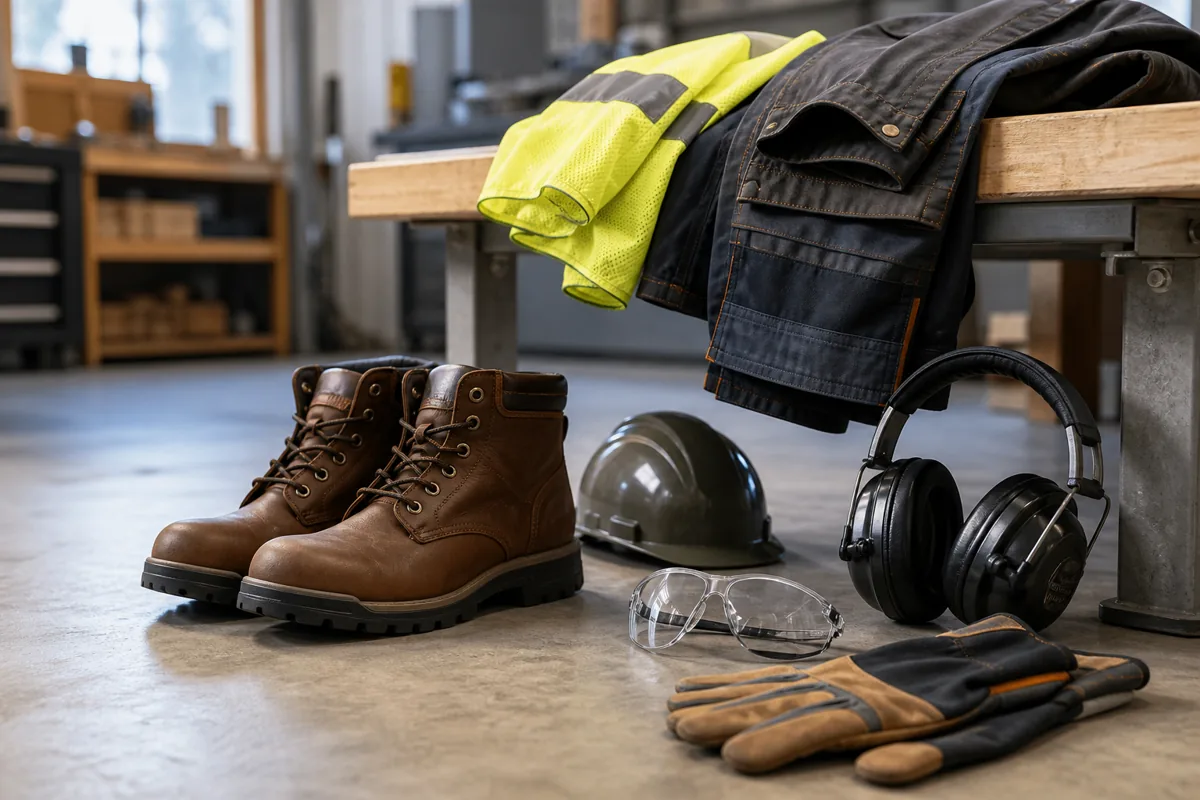
Safety glasses should stay on under a welding helmet. They protect your eyes while the helmet is raised, reduce exposure to grinding dust and metal chips…
A dark welding shop makes helmet selection more demanding. You need enough light to position the torch, find the joint, and inspect the bead, but the…
Plasma cutting is loud enough to damage hearing, especially in a metal shop with hard walls, a steel table, compressed air, and several machines running…
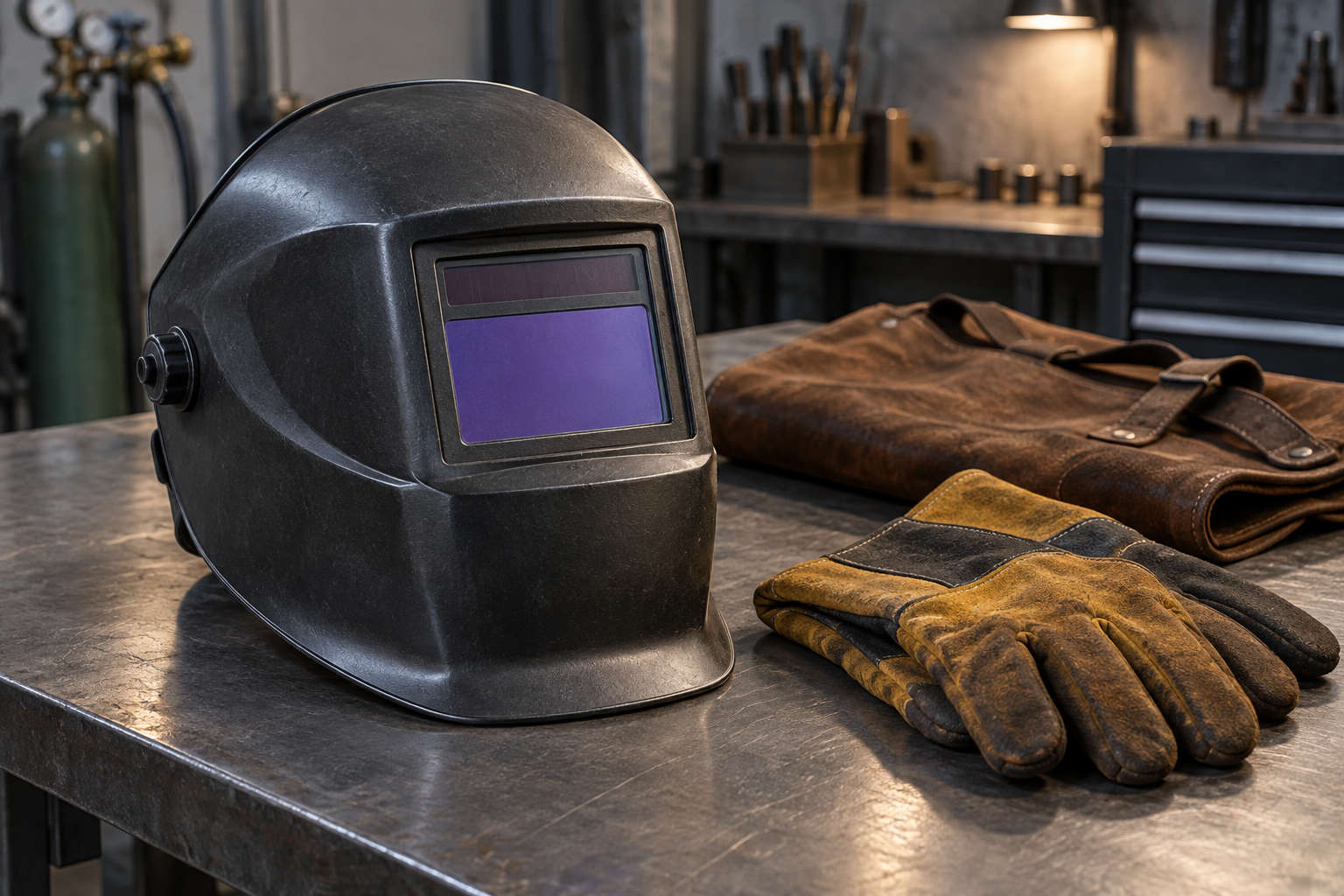
Helmet fogging is usually a ventilation problem, not a lens problem. Warm, damp air from your breath rises inside the hood, then condenses on the cooler…
A welding helmet lens usually gets scratched by dry wiping, shop towels, grinding dust, or a dirty shirt sleeve—not by the cleaning solution itself.
Short tack welds make helmet delay more noticeable than long welds. The arc may last only 0.2 to 1 second, so a delay set for continuous welding can leave…
Most auto-darkening welding helmets do not need a battery replacement very often, but a weak cell can make the lens slow to darken, stay dark, or stop…
MIG welding does not have one correct lens shade for every amperage setting. The right shade depends on welding current, wire diameter, transfer mode…