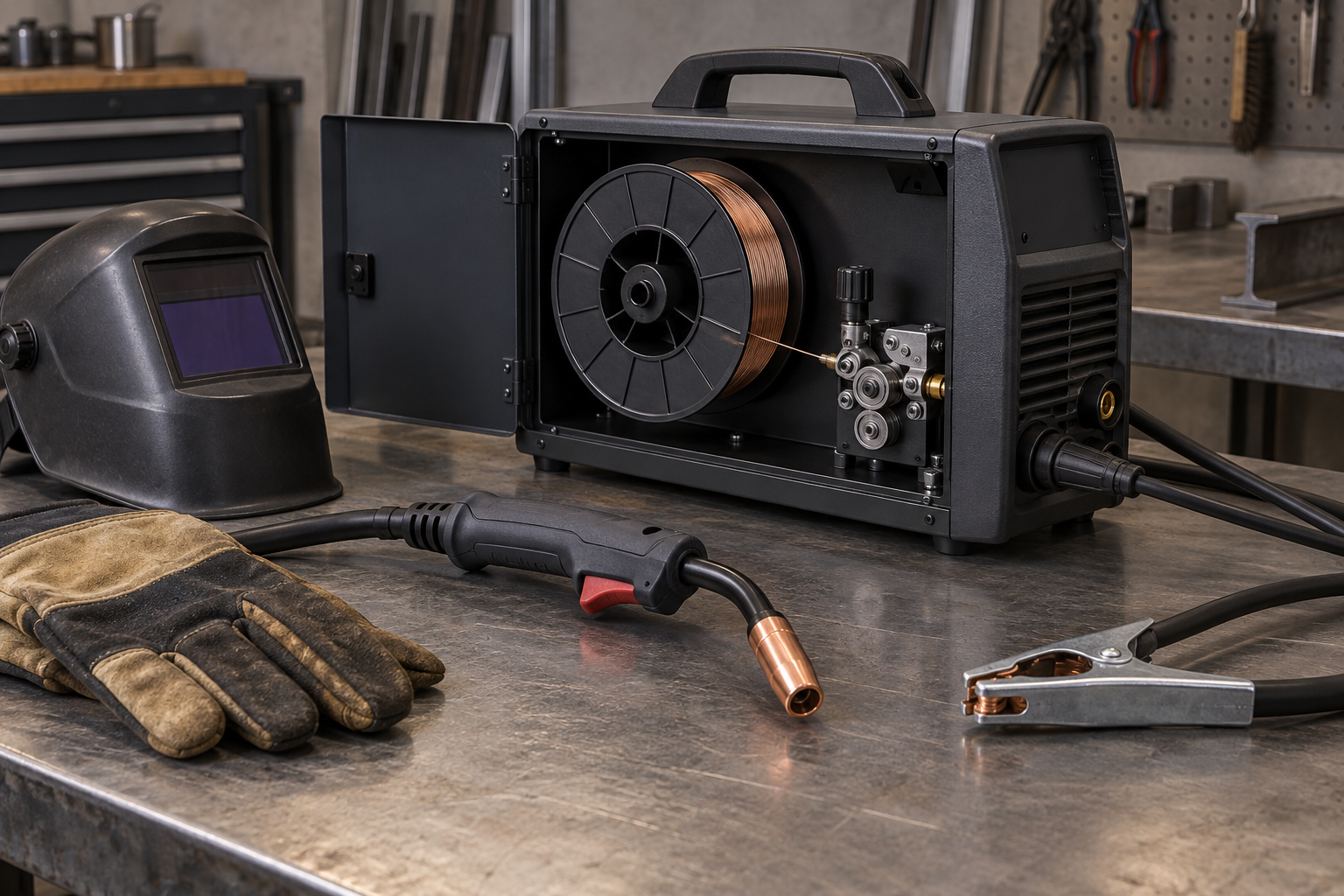
How to Tune MIG Wire Feed Tension Without Flattening the Wire
Correct MIG wire-feed tension is a balance: tight enough to push the wire through the liner, but light enough that the drive rolls do not crush it.

1795 articles published
Correct MIG wire-feed tension is a balance: tight enough to push the wire through the liner, but light enough that the drive rolls do not crush it.
A shielding-gas leak can waste an expensive cylinder and ruin welds before the problem is obvious.
Contact-tip-to-work distance (CTWD) is the distance from the end of the MIG gun’s contact tip to the surface of the workpiece.
Horizontal fillet welds—often called the 2F position—are easier than vertical or overhead welds, but they still expose poor technique quickly.
Lap joints made from unequal steel thicknesses are common in brackets, automotive repairs, equipment frames, and sheet-metal fabrication.
Polarity is one of the easiest MIG settings to get wrong and one of the fastest ways to ruin a weld.
Butt-welding thin steel sheet with a MIG welder is mainly an exercise in heat control.
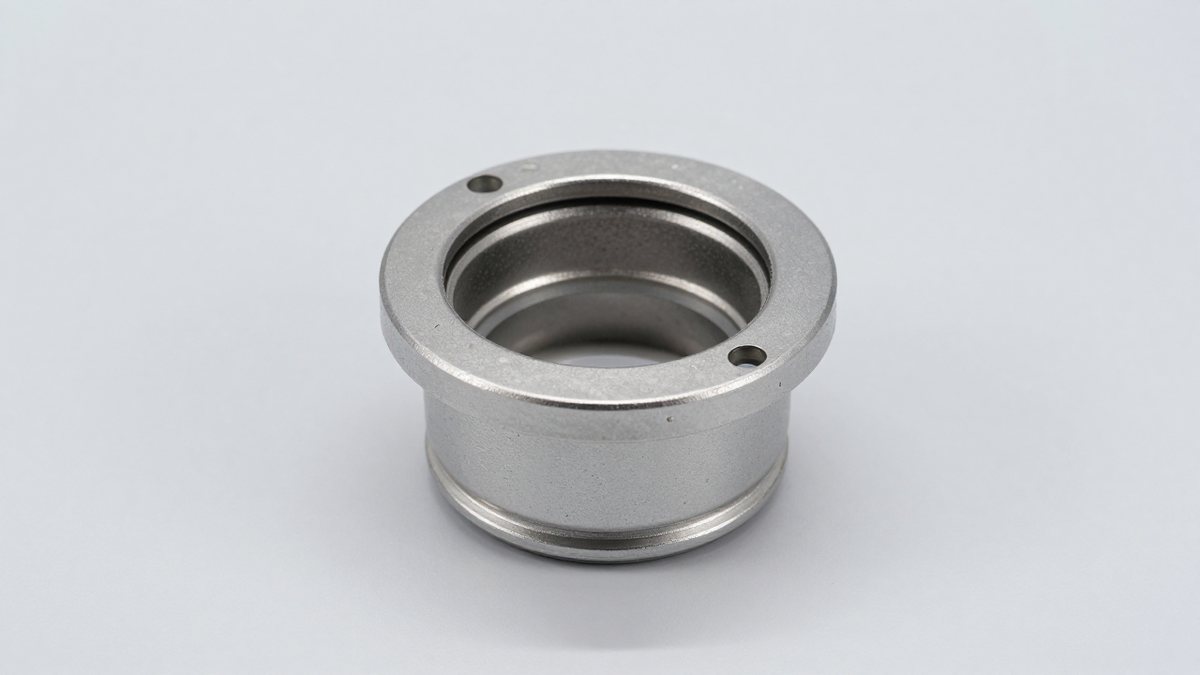
A MIG gas diffuser is a small part, but it has a direct effect on shielding coverage, contact-tip fit, and arc consistency.
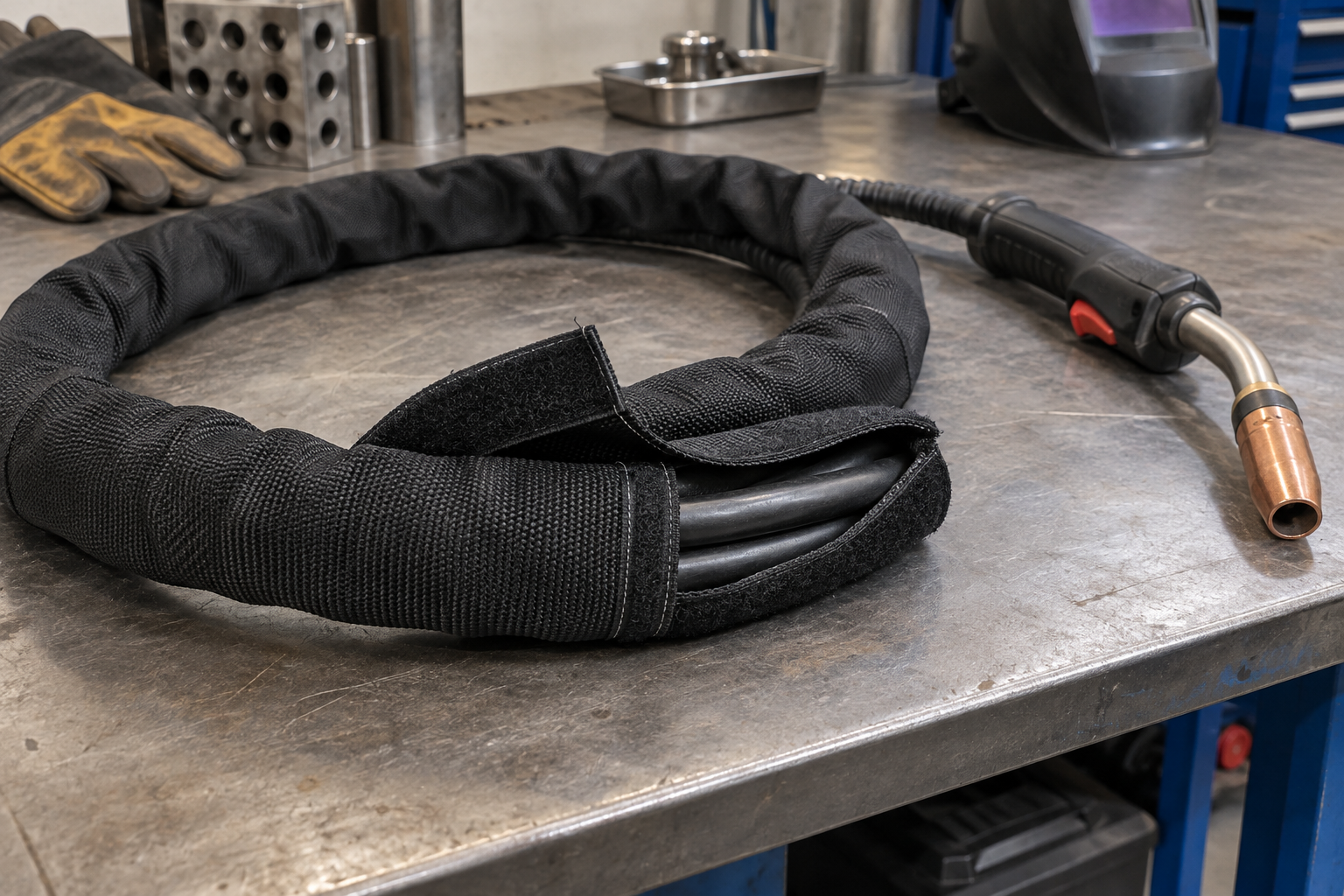
A MIG torch cover is a simple piece of equipment, but it can prevent an expensive cable repair.
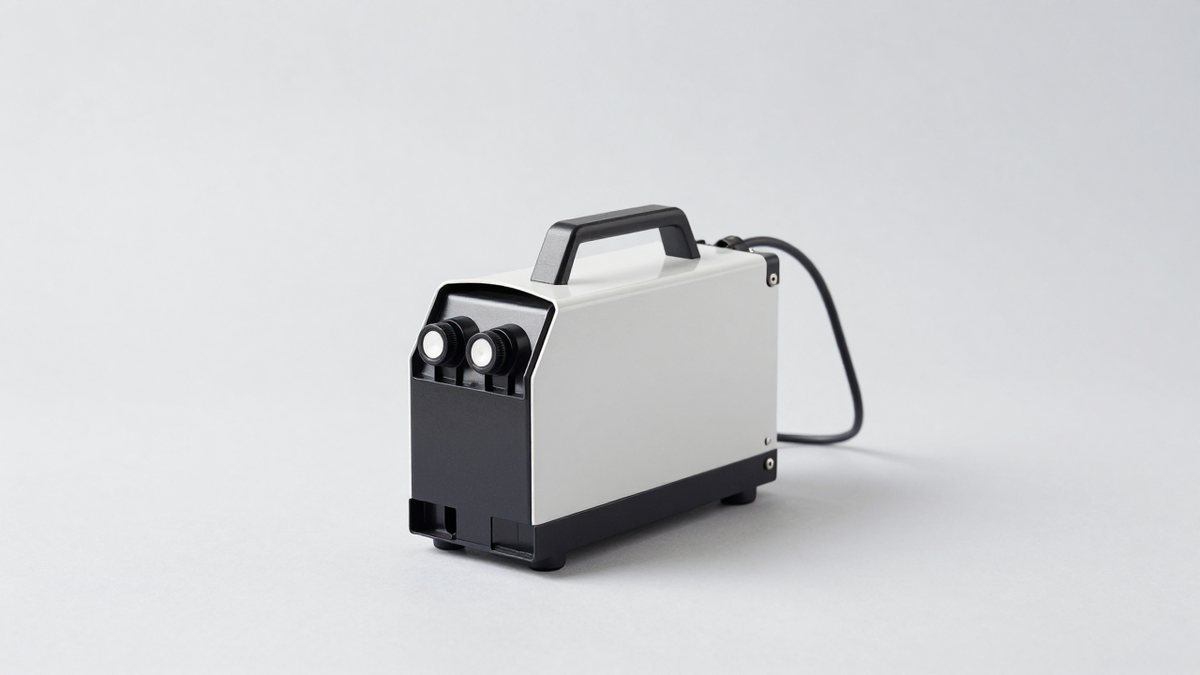
Long-distance MIG torch runs are harder on a welding system than a short gun connected directly to the power source.