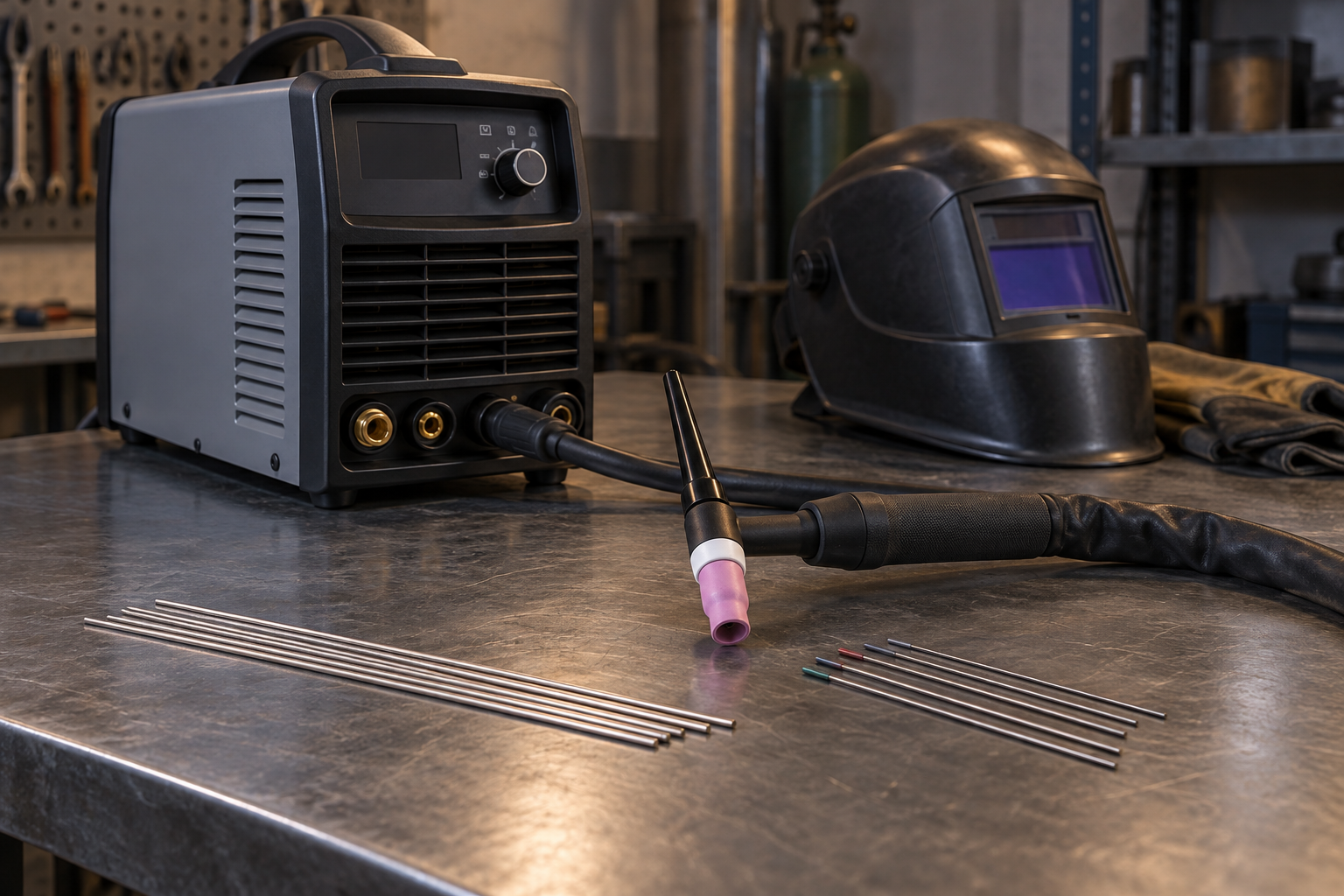
TIG vs MIG Welding for Thin Stainless Steel Sheet
For thin stainless steel sheet, TIG usually produces the cleanest and most controllable weld.

1991 articles published
For thin stainless steel sheet, TIG usually produces the cleanest and most controllable weld.
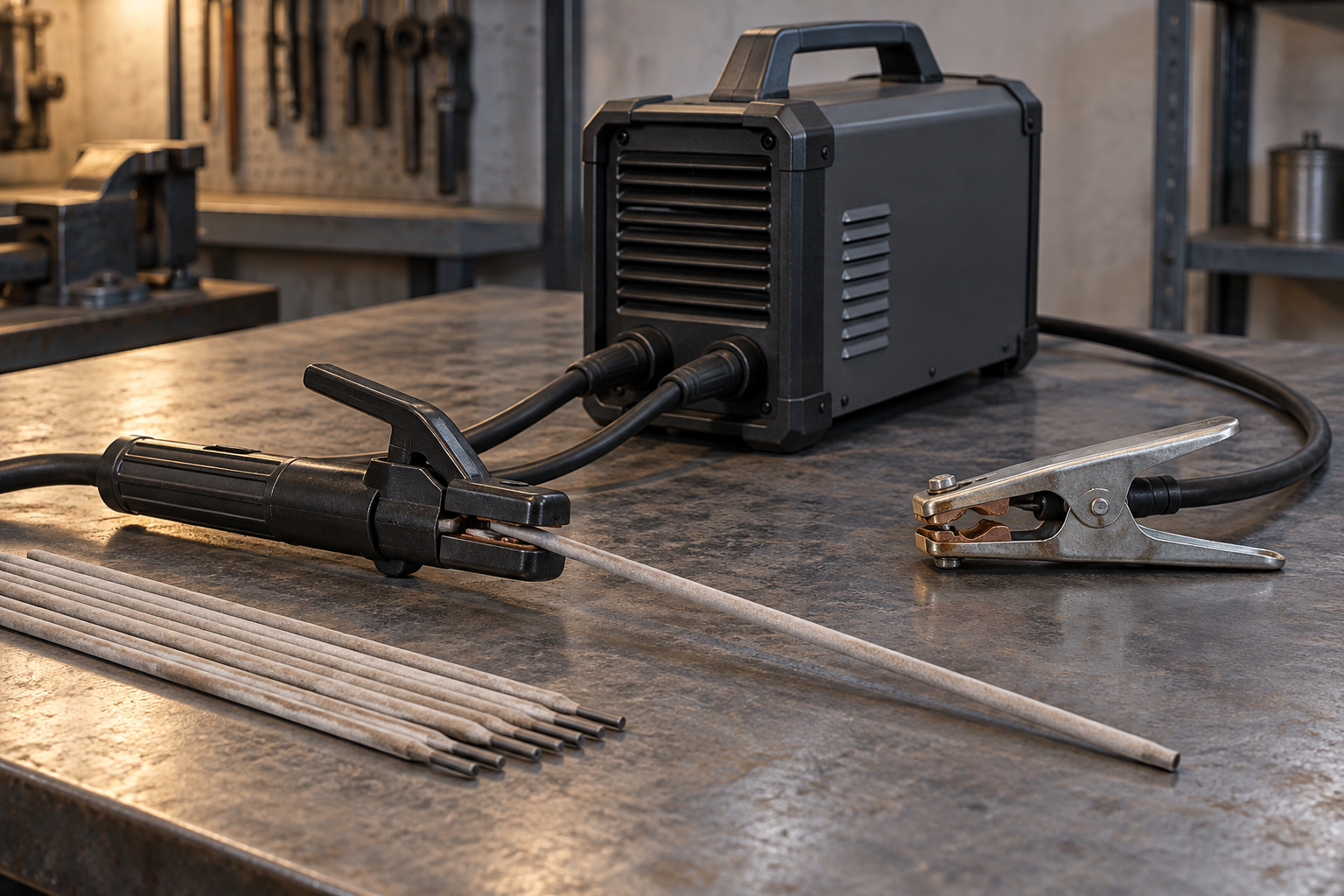
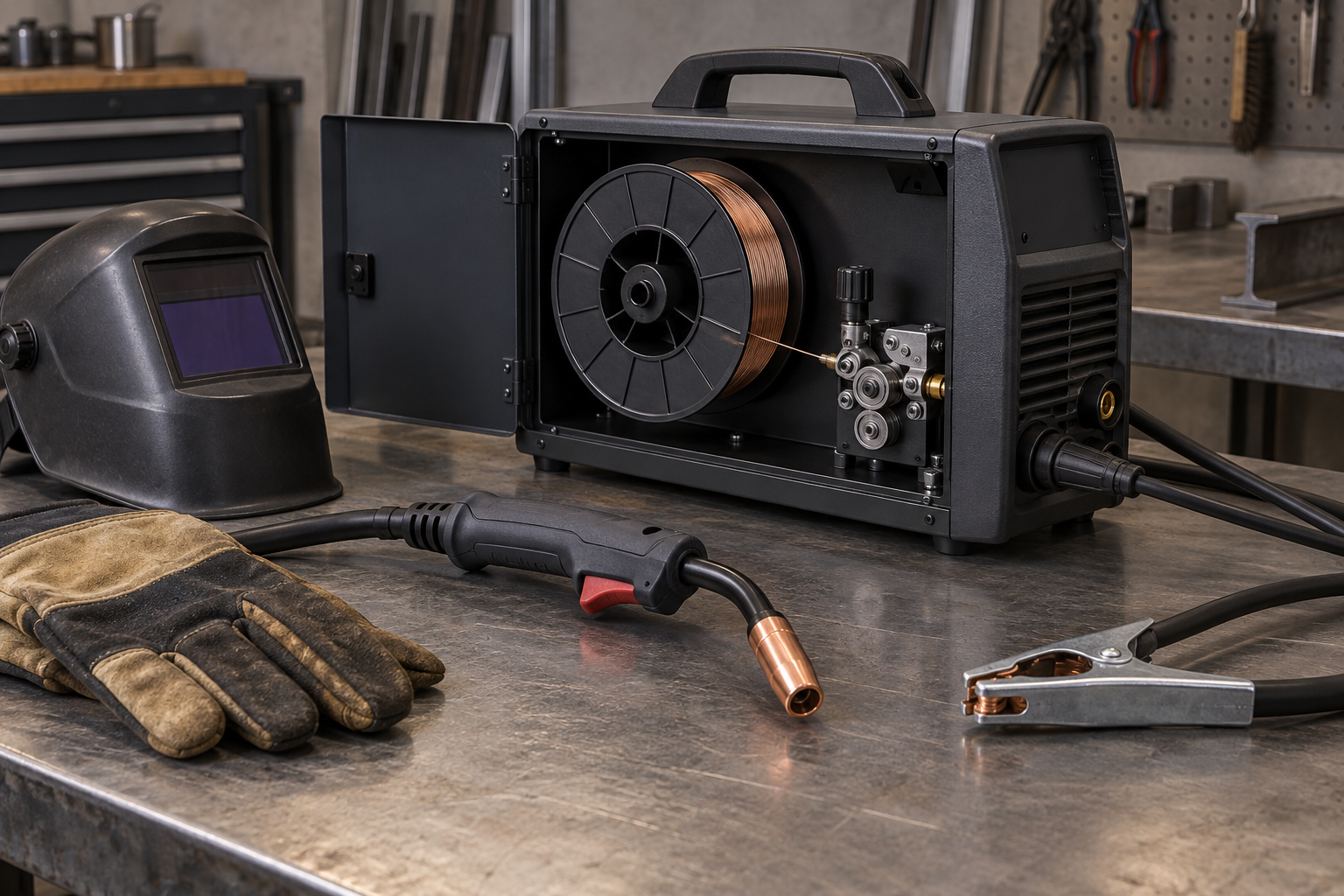
Wind changes the choice between stick and flux-core welding, but it does not make either process immune to bad conditions.
For farm repairs done in a yard, field, or open-sided shed, a stick welder is usually the more dependable choice.
For aluminum, AC TIG is the usual choice. Its alternating current helps break up the tenacious oxide layer on the workpiece while still adding heat to the…
For field TIG work, the choice between scratch-start and high-frequency (HF) start comes down to how you strike the arc, what you’re welding, and what…
Updated November 2026 - model lineup and specifications reviewed against maker listings.
A high-frequency (HF) start lets a TIG welder begin the arc without touching the tungsten to the work.
A 240V TIG welder is useful when workshop jobs call for clean, controlled welds: stainless brackets, mild-steel fixtures, aluminum parts or thin sheet…
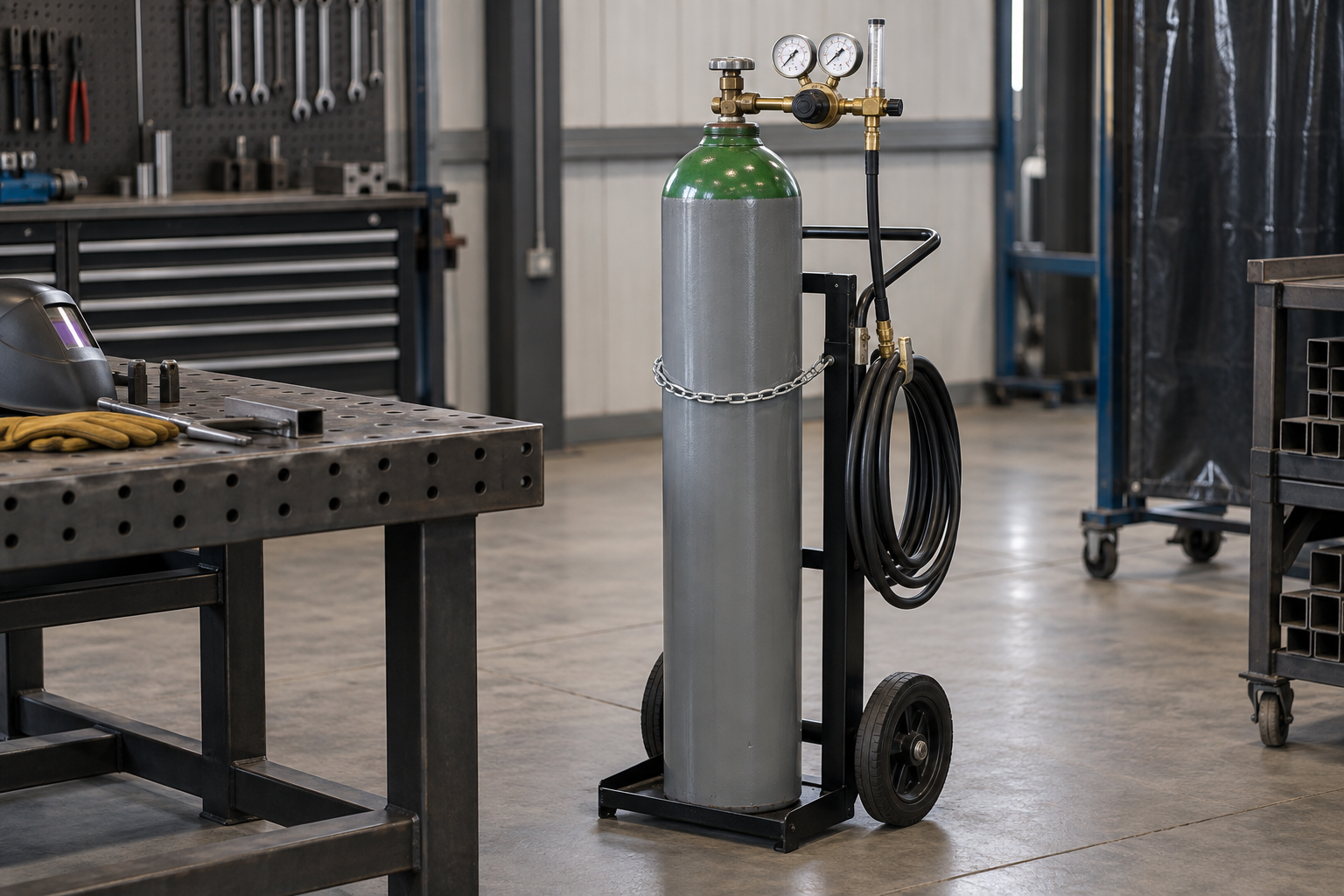
A MIG regulator and flowmeter has one job: deliver a steady, appropriate shielding-gas flow at the torch.
Stainless pipe work rewards control more than raw power. A welder needs a steady low-amperage arc, a torch that fits the joint, and enough duty cycle to…