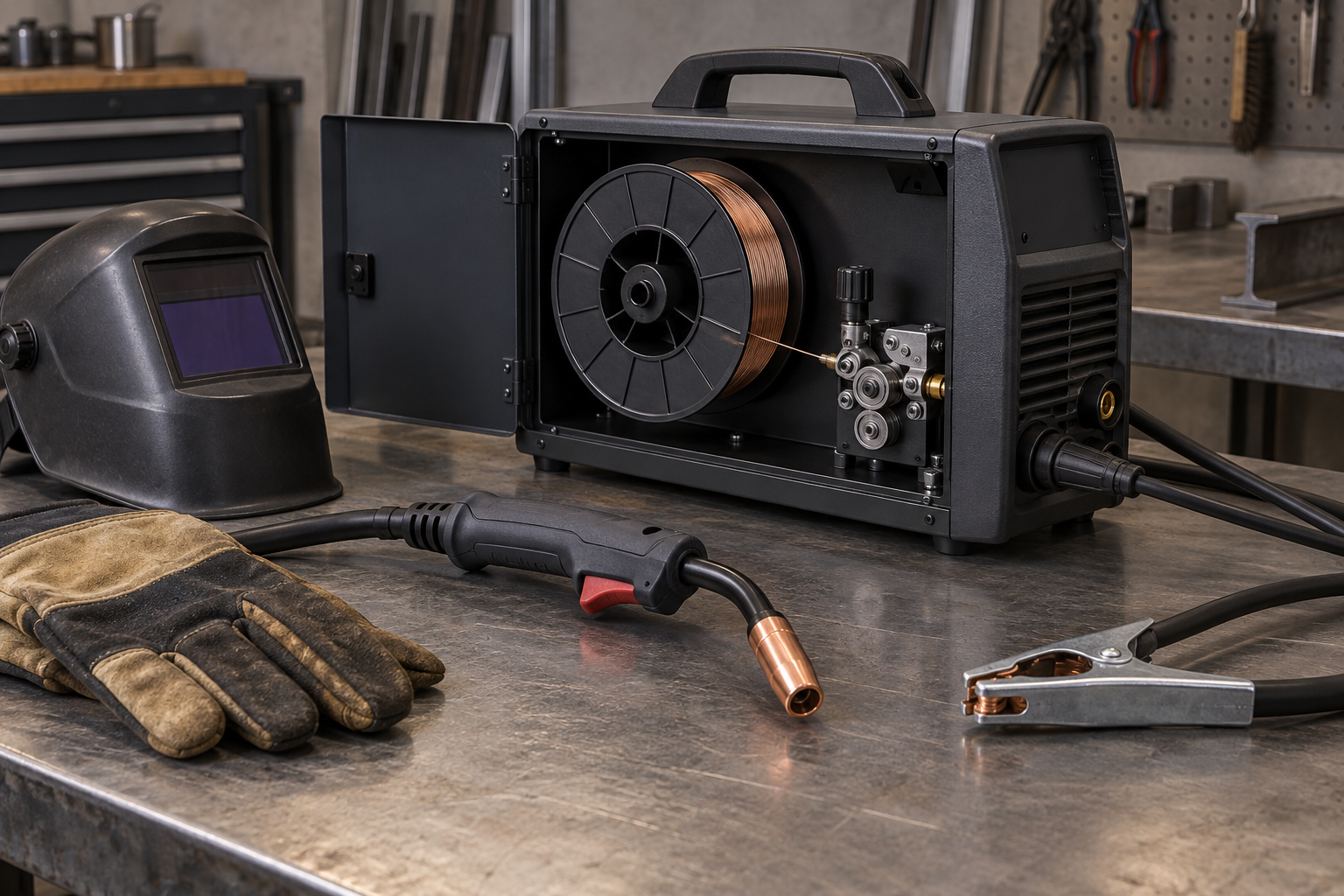
How to Reduce Porosity When MIG Welding Outdoors
Porosity is a set of holes or bubbles trapped in solidifying weld metal. Outdoors, the usual culprit is shielding gas being blown away before it can…

1991 articles published
Porosity is a set of holes or bubbles trapped in solidifying weld metal. Outdoors, the usual culprit is shielding gas being blown away before it can…
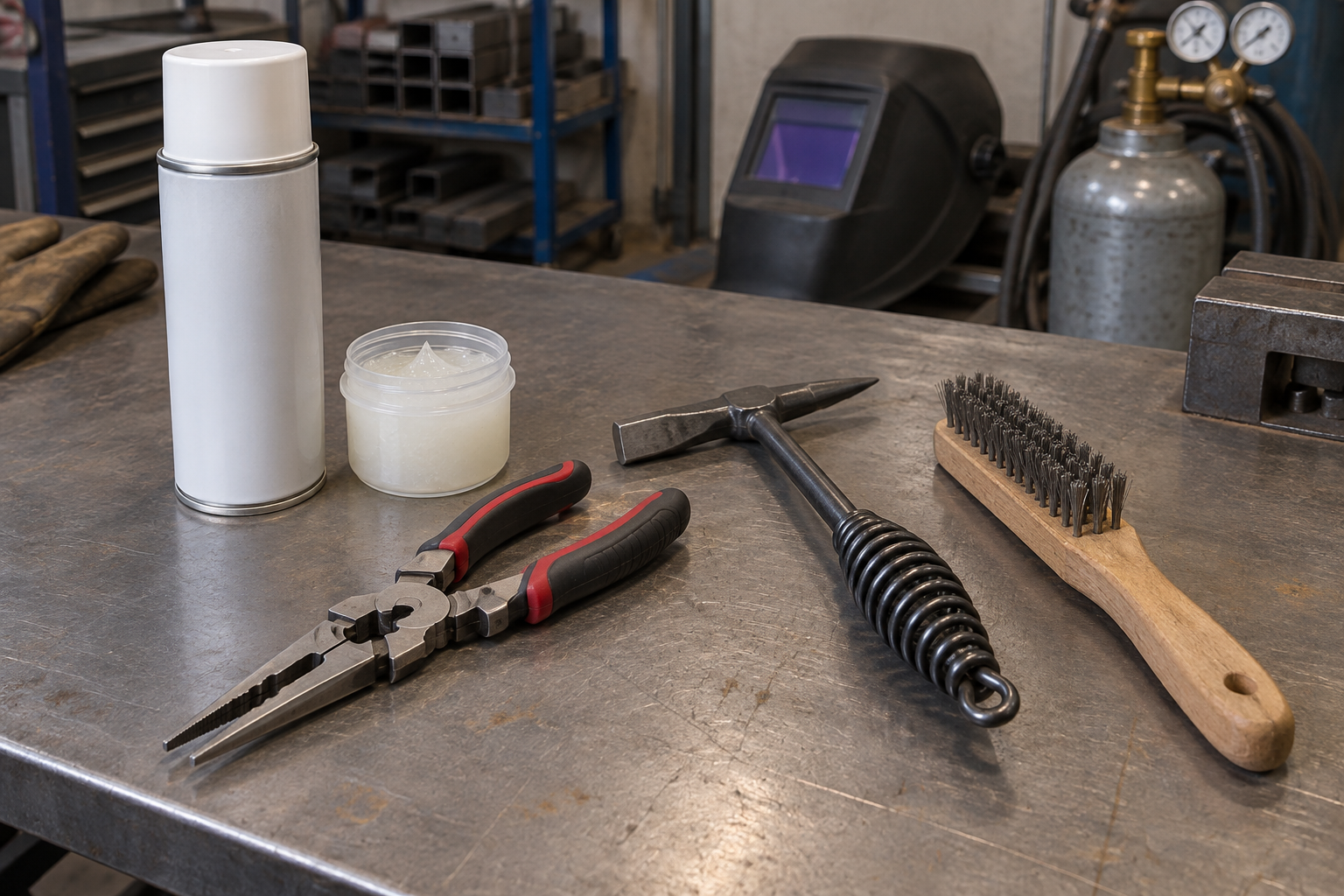
MIG welding pliers are small tools, but they affect how reliably a gun runs. The right pair trims wire cleanly, removes spatter from the nozzle, cuts the…
MIG settings depend on more than plate thickness. Wire diameter, metal-transfer mode, shielding gas, joint fit-up and welding position all affect the…
A MIG welder can have perfect wire feed and shielding gas, yet still produce a weak, erratic arc if the ground clamp makes poor contact.
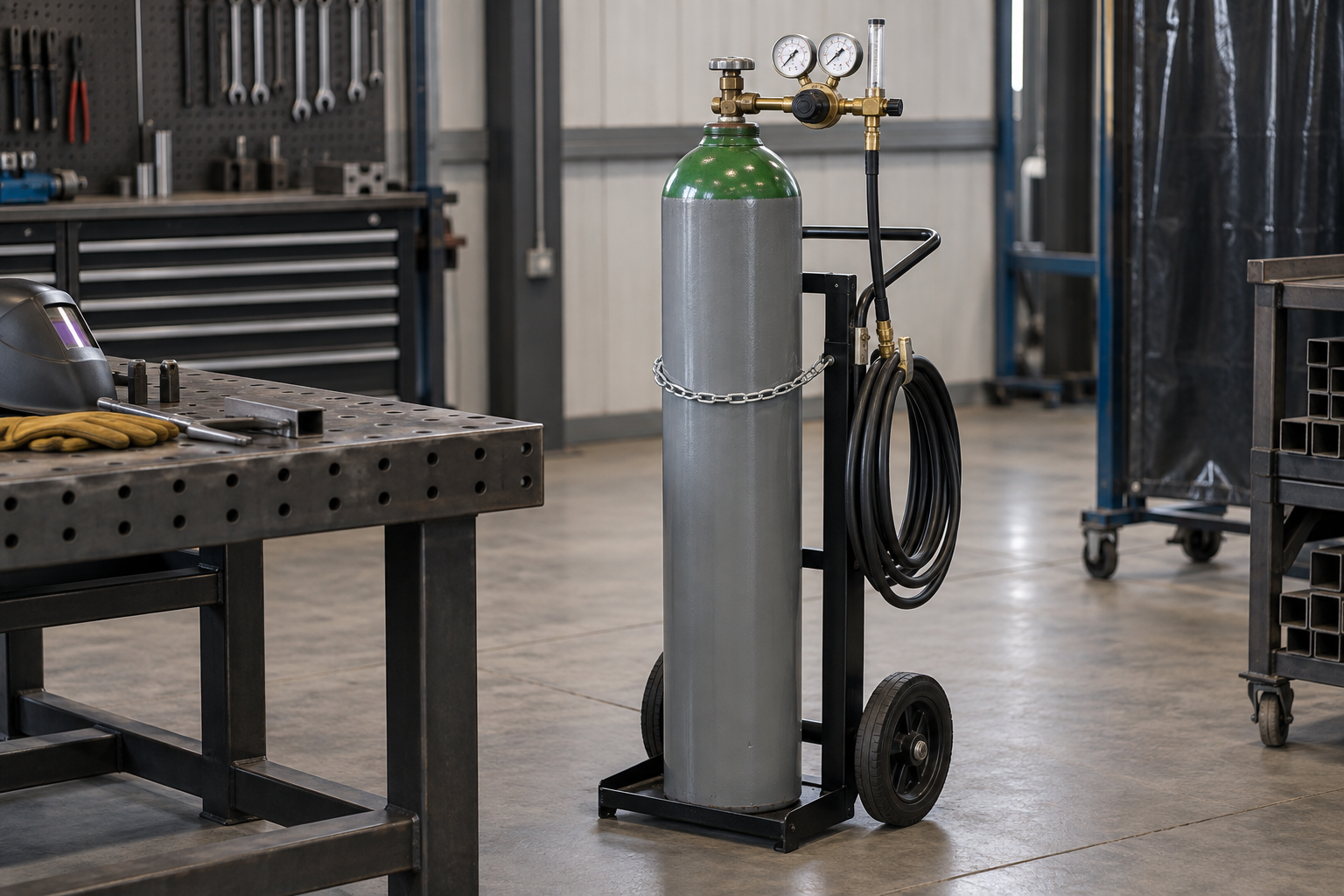
For MIG welding stainless steel sheet, the best all-around gas is usually a tri-mix of 90% helium, 7.5% argon, and 2.5% carbon dioxide.
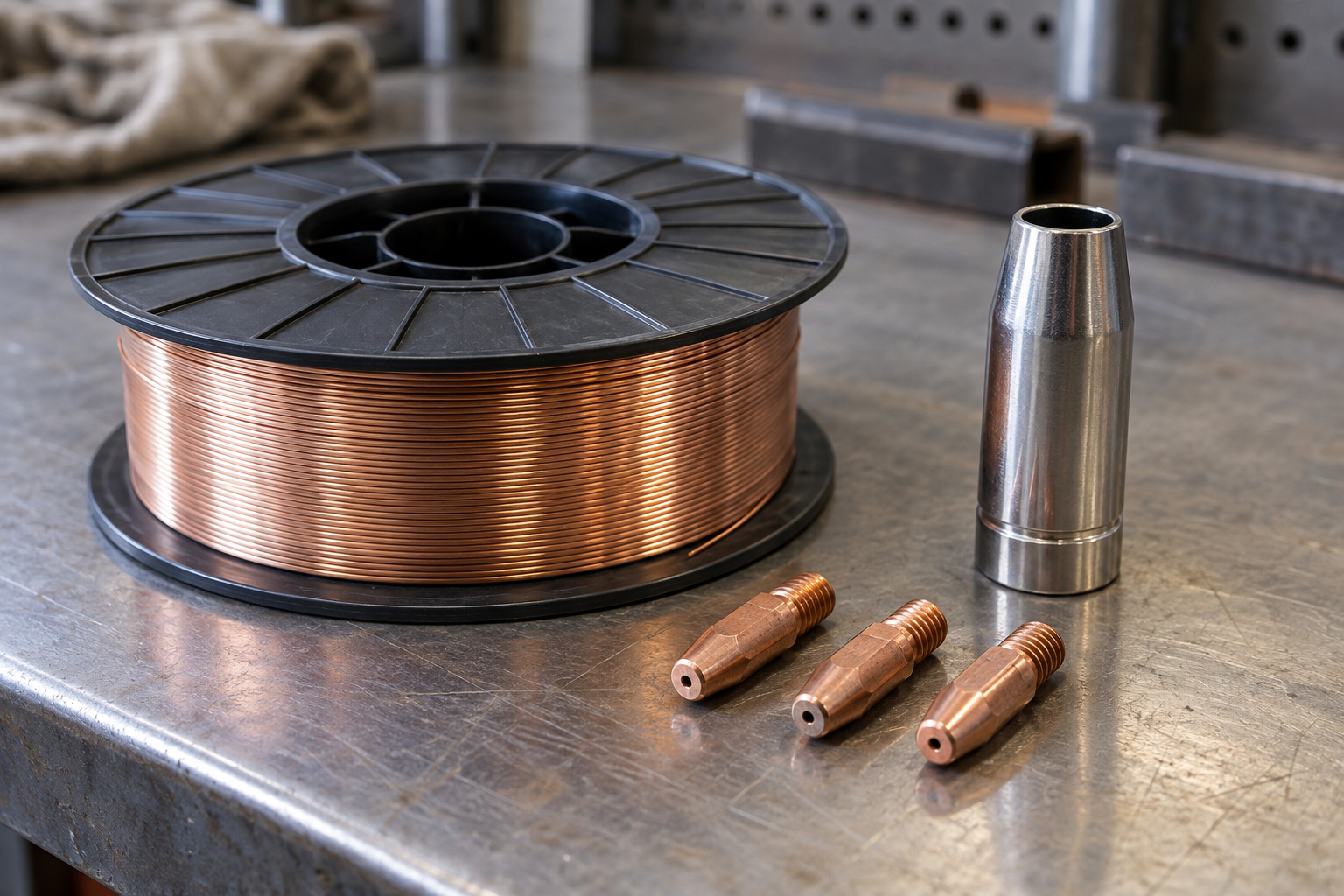
For most MIG jobs joining stainless steel to mild steel, start with ER309L solid wire and an argon-rich shielding gas.
A spool gun carries a small roll of aluminum wire at the torch, instead of pushing soft wire through the welder’s longer liner.
For most thin-gauge steel MIG work, 0.023-inch solid wire is the easiest diameter to control.
Aluminum conducts heat quickly, so a weld can start cold and then suddenly get too hot as the joint warms.
Burnback control keeps the wire from sticking in the weld puddle when you release the MIG gun trigger.