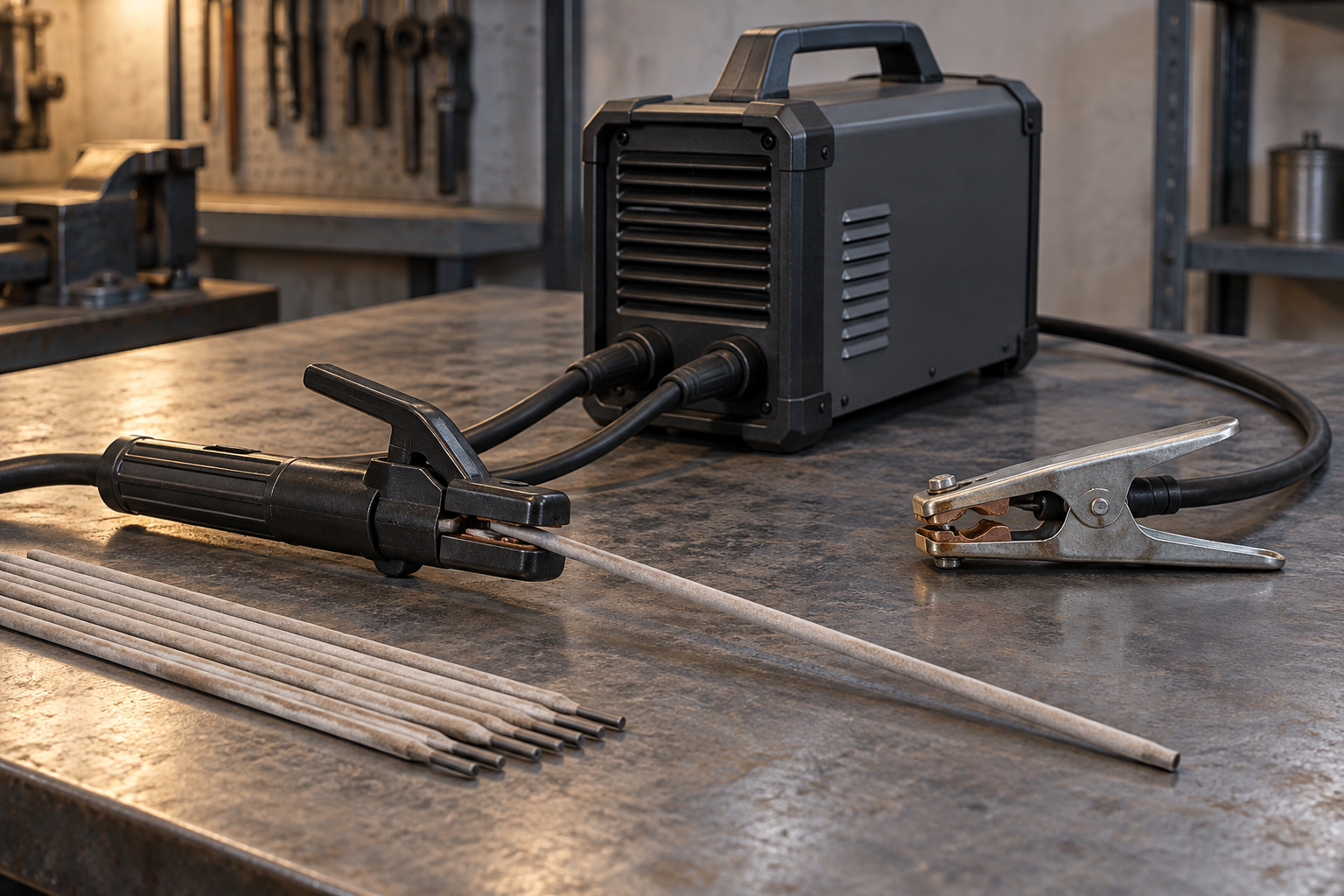
Best Stick Welders for Welding Steel Pipe in Outdoor Conditions
For steel pipe in the field, stick welding is often the practical choice: the process tolerates wind better than MIG or gas-shielded flux-core, and the…

1988 articles published
For steel pipe in the field, stick welding is often the practical choice: the process tolerates wind better than MIG or gas-shielded flux-core, and the…
Vertical welding with low-hydrogen electrodes is demanding enough that the machine should make the job easier, not add another variable.
Farm repairs rarely happen at a clean welding bench. You may be patching a gate outdoors, fixing a cracked bracket, or joining steel that has rust, paint…
Steel anchors and brackets are often short, repeatable parts: plate welded to angle, tabs attached to a base, or a rod joined to a mounting plate.
Cast iron machinery parts are a poor place to learn stick welding by trial and error.
Remote maintenance puts a premium on a welder that is easy to carry, tolerant of rough power and capable of running the electrodes you can actually get.
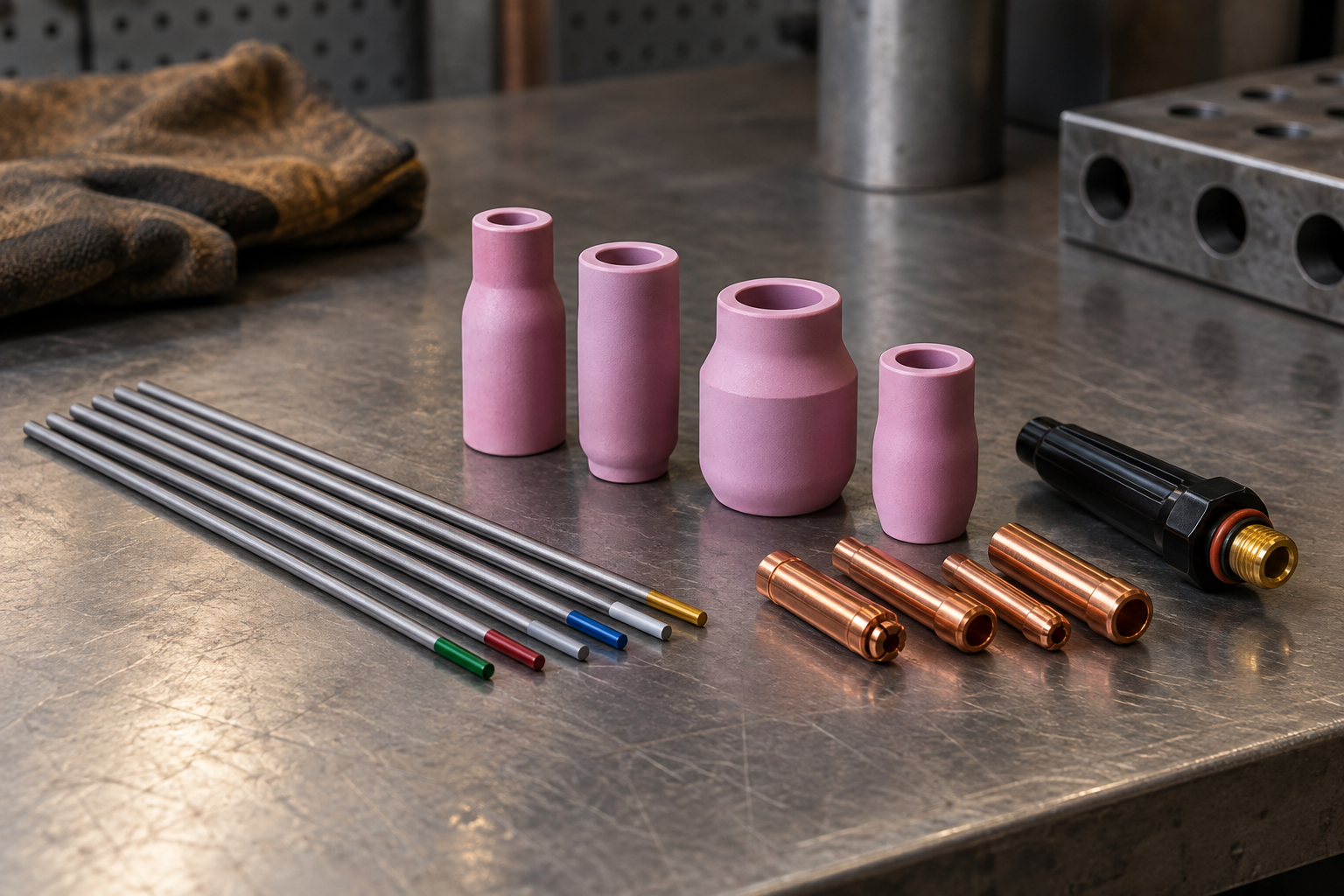
The cup on a TIG torch is more than a nozzle: its opening affects how widely shielding gas spreads, how easily the torch fits around a joint, and how much…
For heavy-equipment repair, a stick welder has to do more than run a clean bead in a shop.
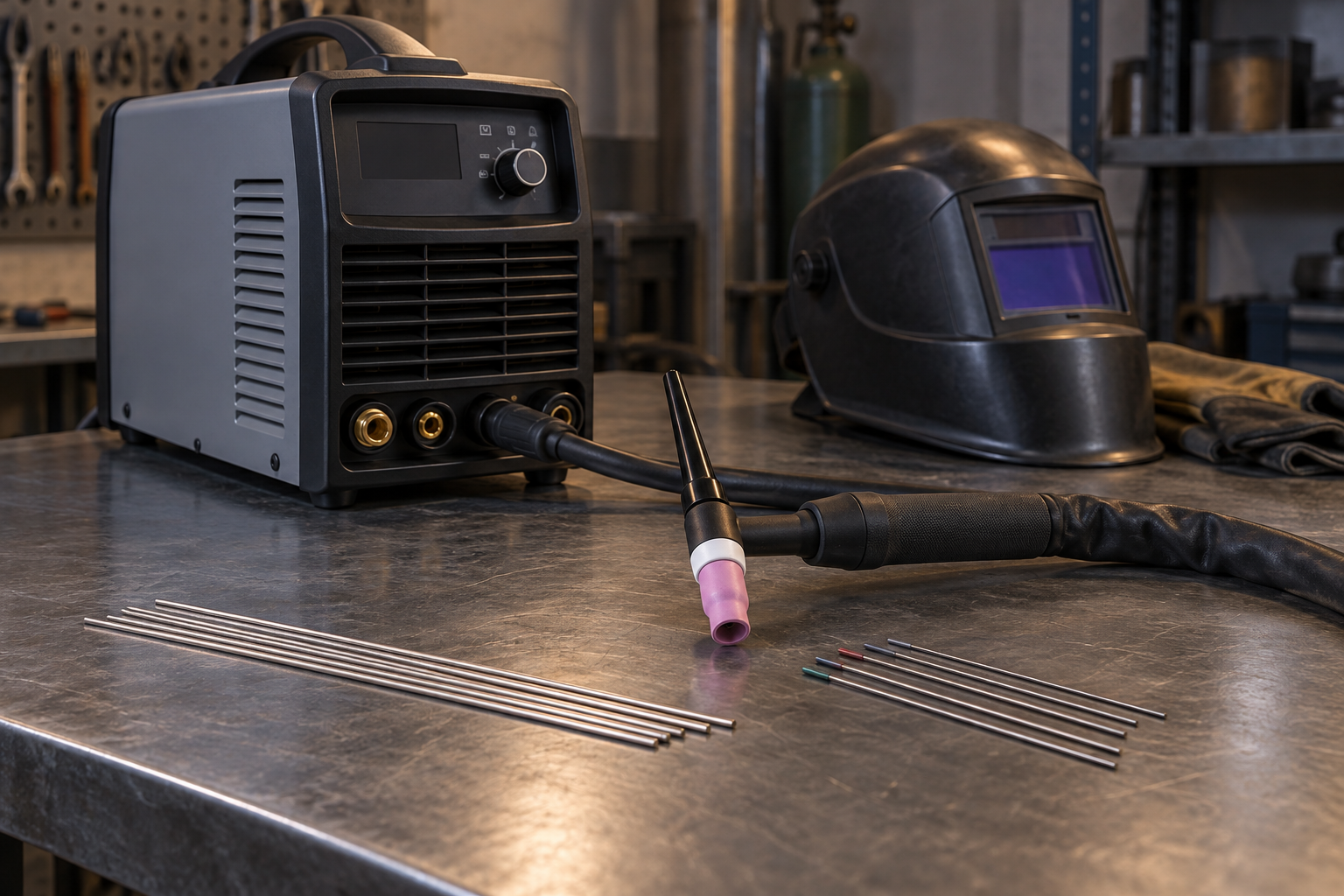
TIG brazing steel with silicon bronze uses a TIG torch to melt the filler rod while keeping the steel below its melting point.
Thick steel does not automatically call for a huge welder. The right machine depends on joint design, electrode size, power supply, and whether you need…