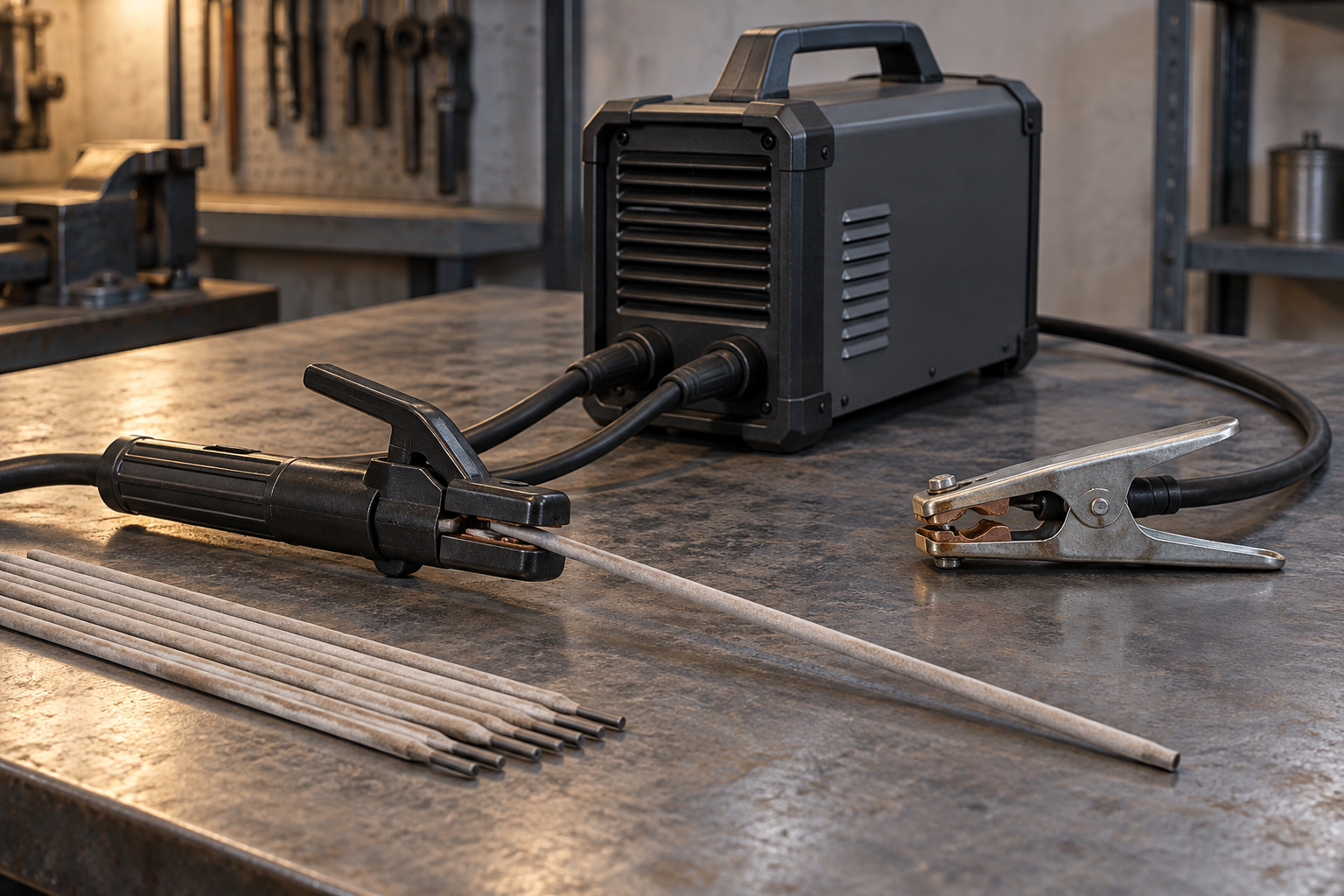
Flux-Core vs Stick Welding for Thick Steel in Windy Conditions
Flux-core and stick can both weld thick steel outdoors, but they solve different problems.

1988 articles published
Flux-core and stick can both weld thick steel outdoors, but they solve different problems.
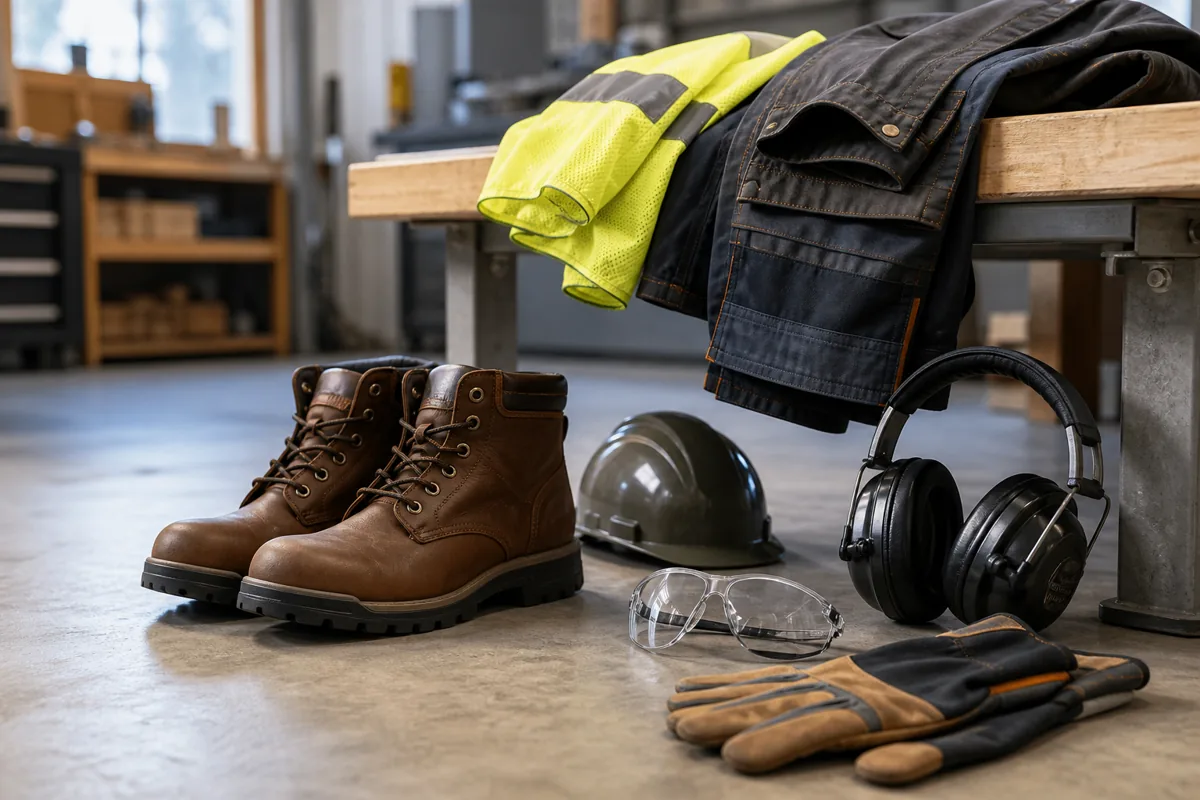
Plasma cutting and metal grinding both put your eyes at risk, but they do not call for the same lens.
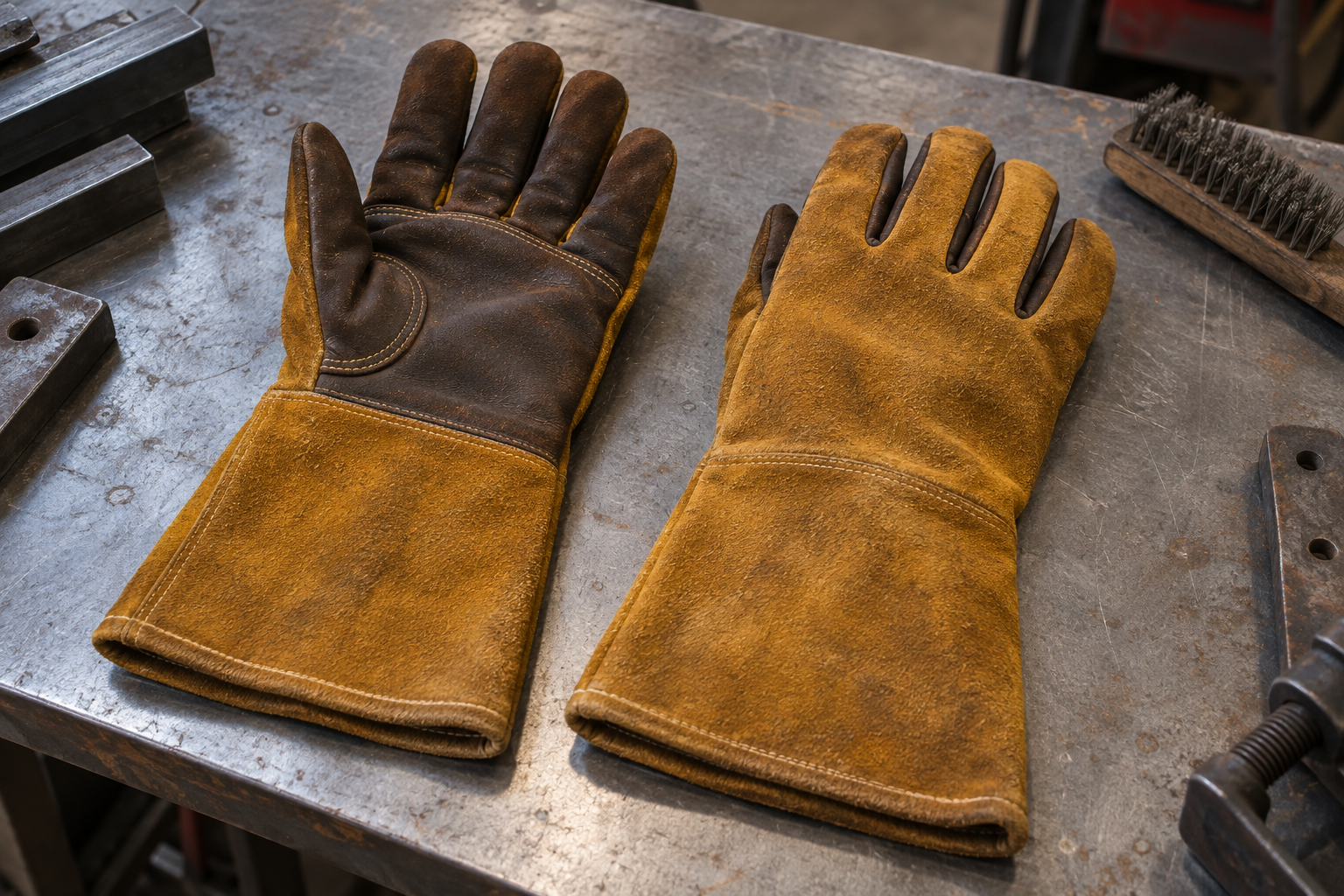
Handling hot steel between welds is a different job from shielding your hands during an arc.
Stainless TIG work demands a glove that protects your hand without making the torch feel clumsy.
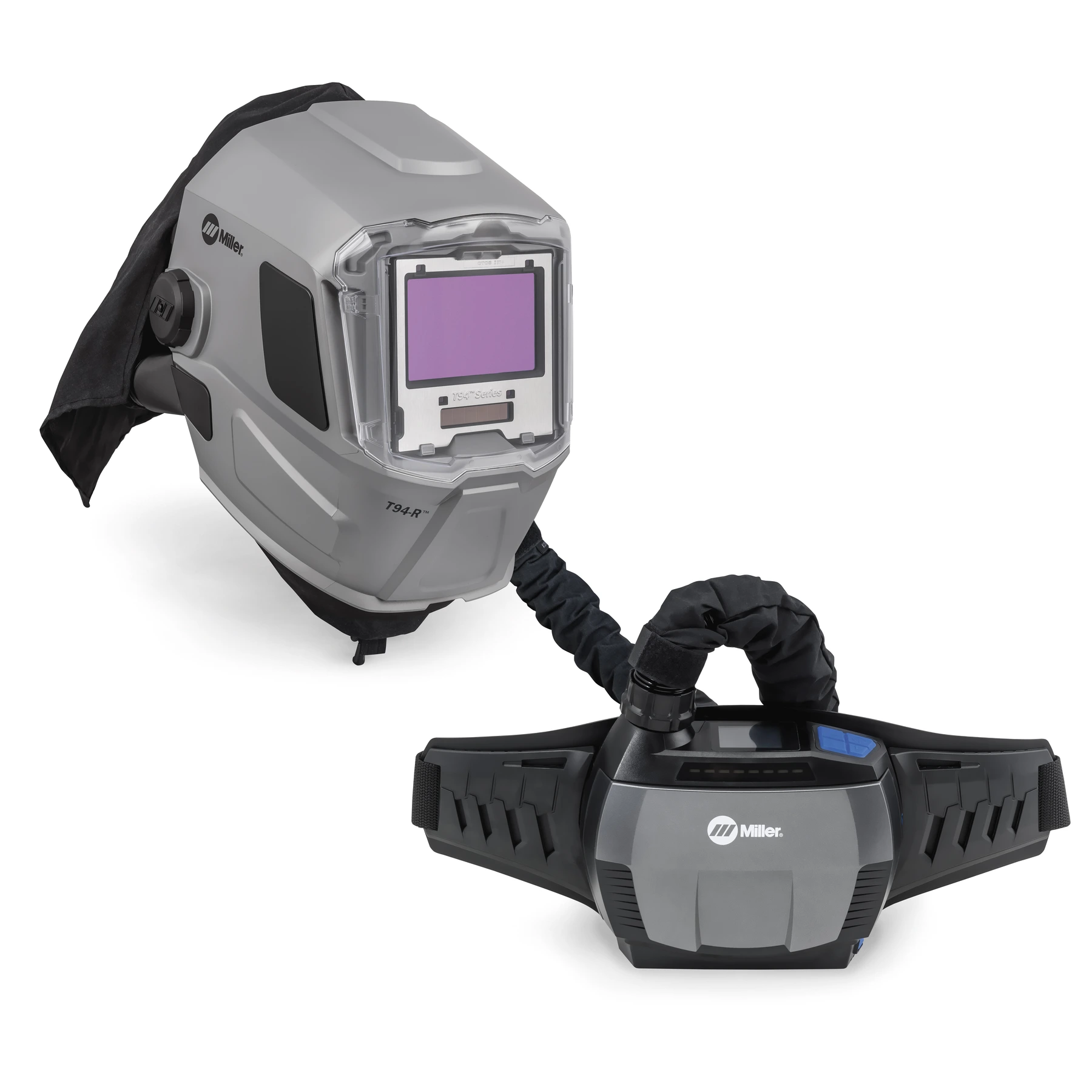
Stainless steel welding creates a different respiratory-protection problem than ordinary mild-steel work.
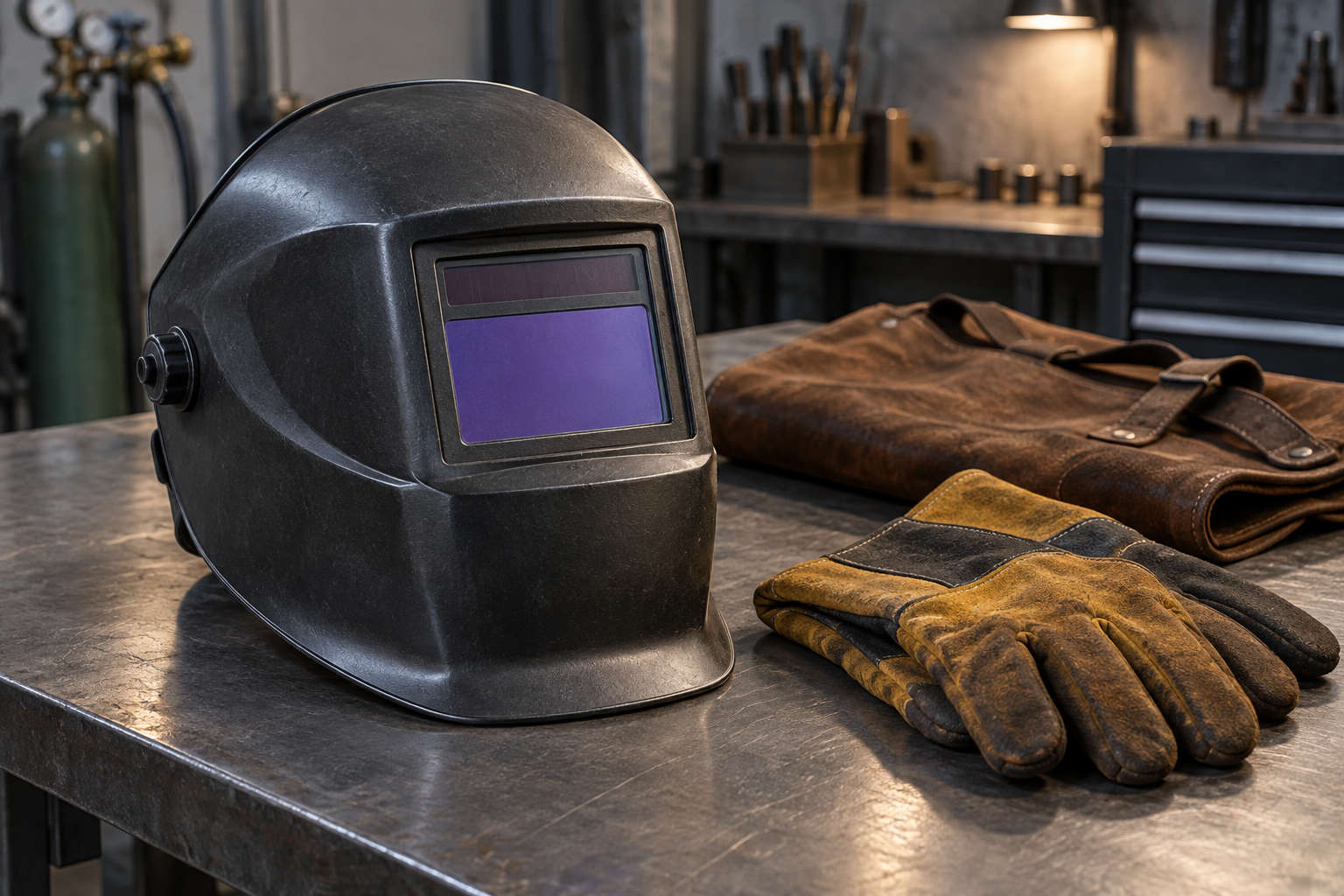
A solar-assisted auto-darkening helmet uses light from the arc, often supplemented by a replaceable battery, to power its lens.
A helmet for welding in a tight bay, tank, or equipment frame has to do more than block arc light.
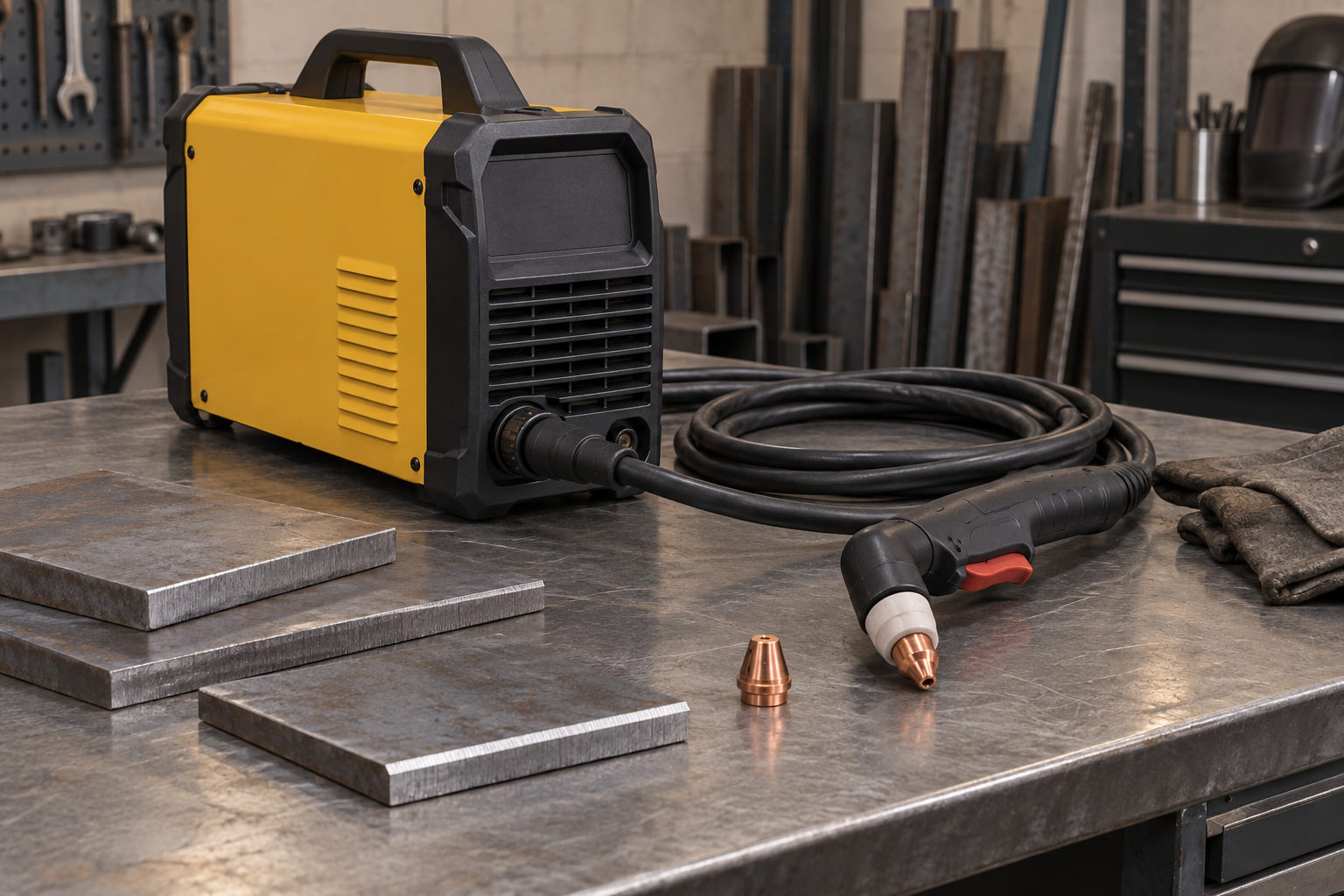
A plasma cutter can make clean circles and repeatable template cuts, but a steady hand is rarely enough for close-fitting parts.
Expanded metal is a tough cut for a plasma cutter because the sheet is mostly openings.
Plasma cutters are sensitive to water, oil, and debris in the compressed air supply.