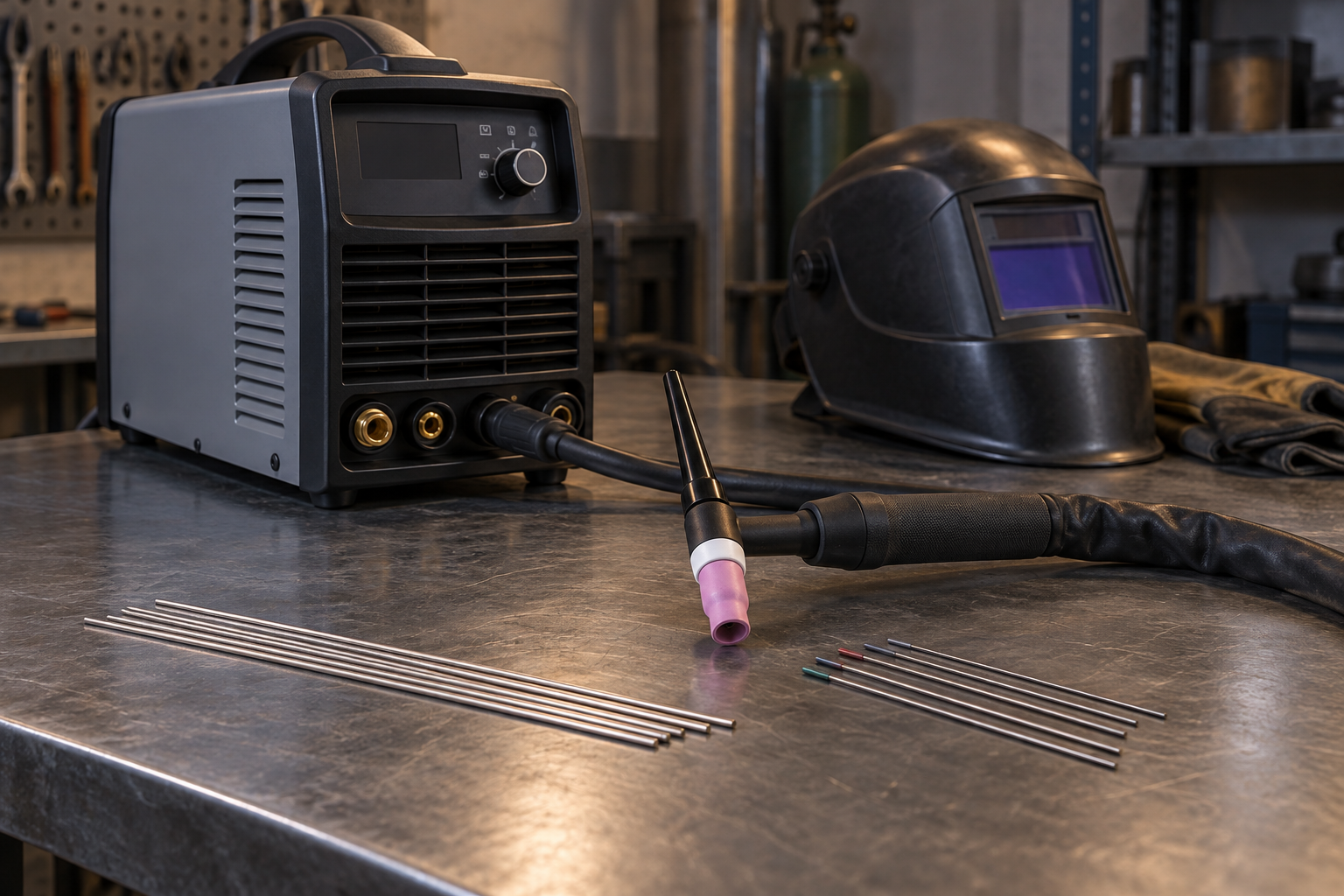
Best TIG Welders for Fabricating Stainless Steel Exhaust Headers
Header tubing is usually thin enough that a capable TIG welder is less important than steady low-amp control, a torch that fits tight joints, and good gas…

1988 articles published
Header tubing is usually thin enough that a capable TIG welder is less important than steady low-amp control, a torch that fits tight joints, and good gas…
Thin titanium tubing is unforgiving, but the welder is only one part of the setup.
Brass is a copper-zinc alloy, not a routine TIG-welding material. Its zinc can boil off at temperatures well below the heat needed to melt the brass.
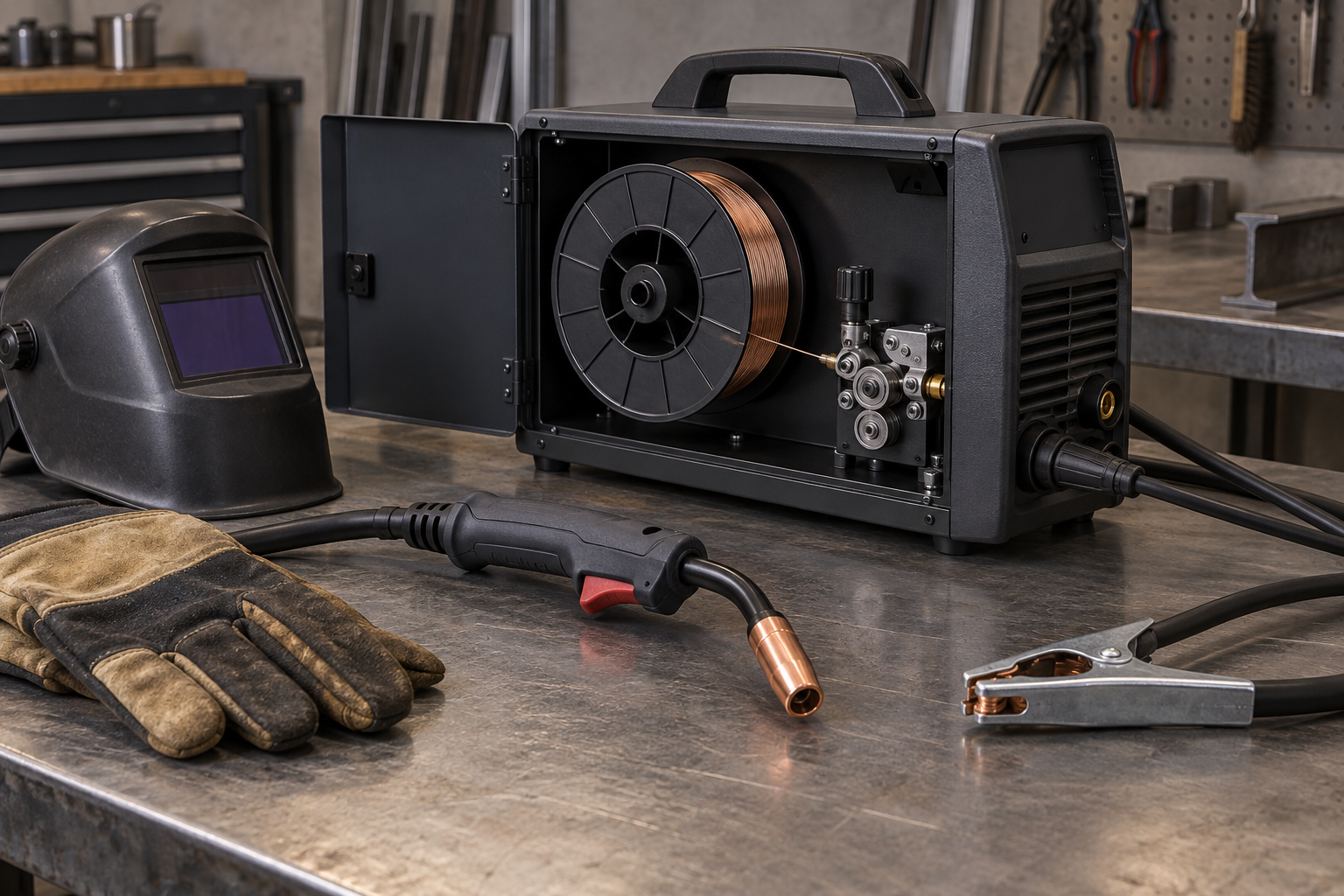
Steel sign frames and mounting brackets are usually simple MIG welding jobs, but they punish poor setup.
Thin steel panels are easy to burn through and hard to keep straight. For home-shop repair and fabrication, the best MIG welder is usually a 120-volt…
Most steel wheelbarrow and utility-cart repairs are short welds on thin sheet, small brackets, handles, or tubing.
Equipment frames see vibration, impact, and repeated loading. That makes joint design, fit-up, and procedure as important as the welder.
For brackets, panels, repair patches and small batches of enclosures, a MIG welder needs to do more than advertise a high maximum amperage.
Aluminum toolboxes are thin, broad panels with corners, seams and lids that need to stay square.
Steel tubing exposes every weakness in a MIG welder. Thin wall sections burn through quickly, gaps invite excessive heat, and poor arc control leaves…