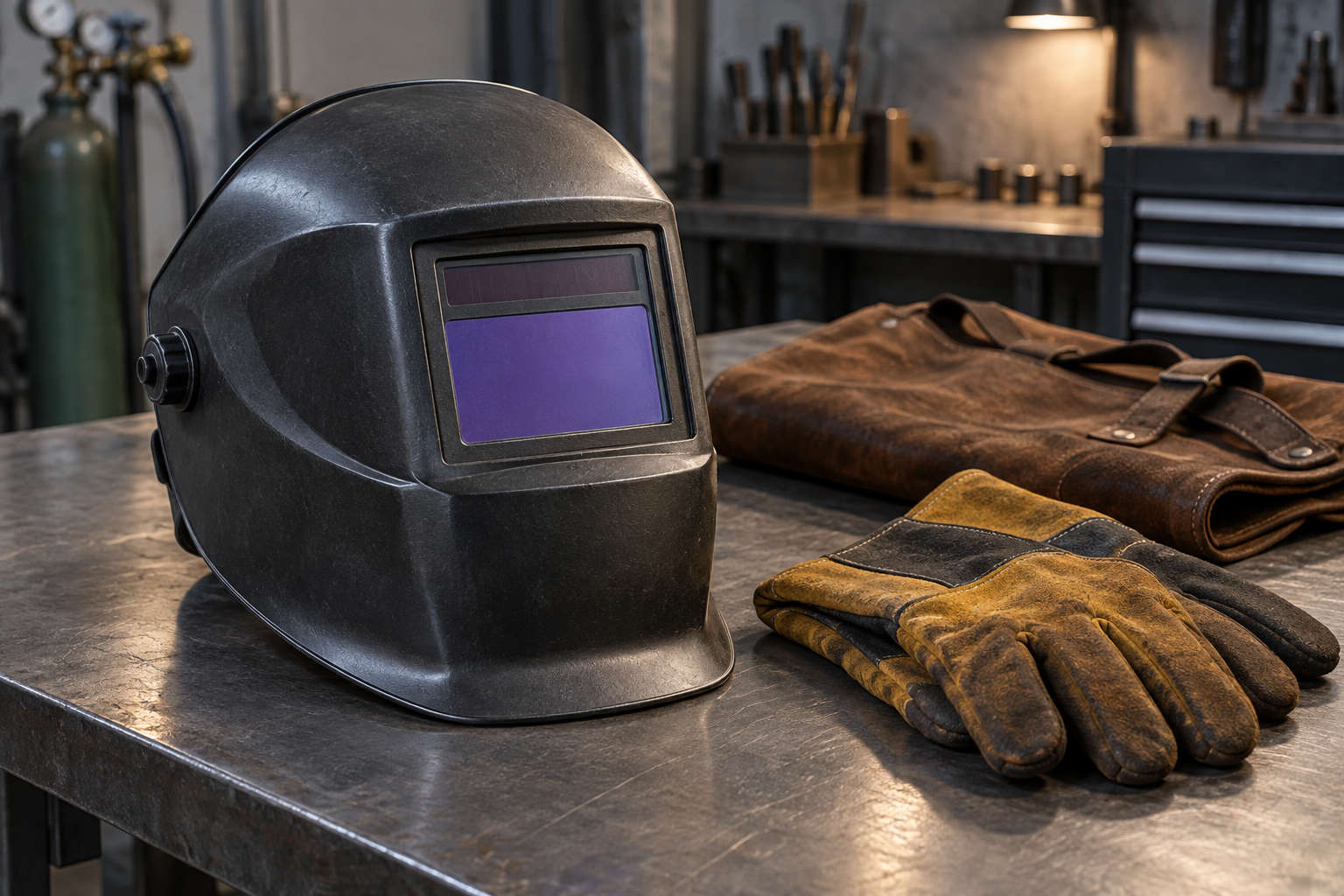
Best Welding Helmets for Clear Visibility During Low-Amperage TIG Work
Low-amp TIG can be harder to follow through a helmet than a bright, steady arc. Thin sheet, small tubing and tack welds may run below 30 amps, and the arc…

1988 articles published
Low-amp TIG can be harder to follow through a helmet than a bright, steady arc. Thin sheet, small tubing and tack welds may run below 30 amps, and the arc…
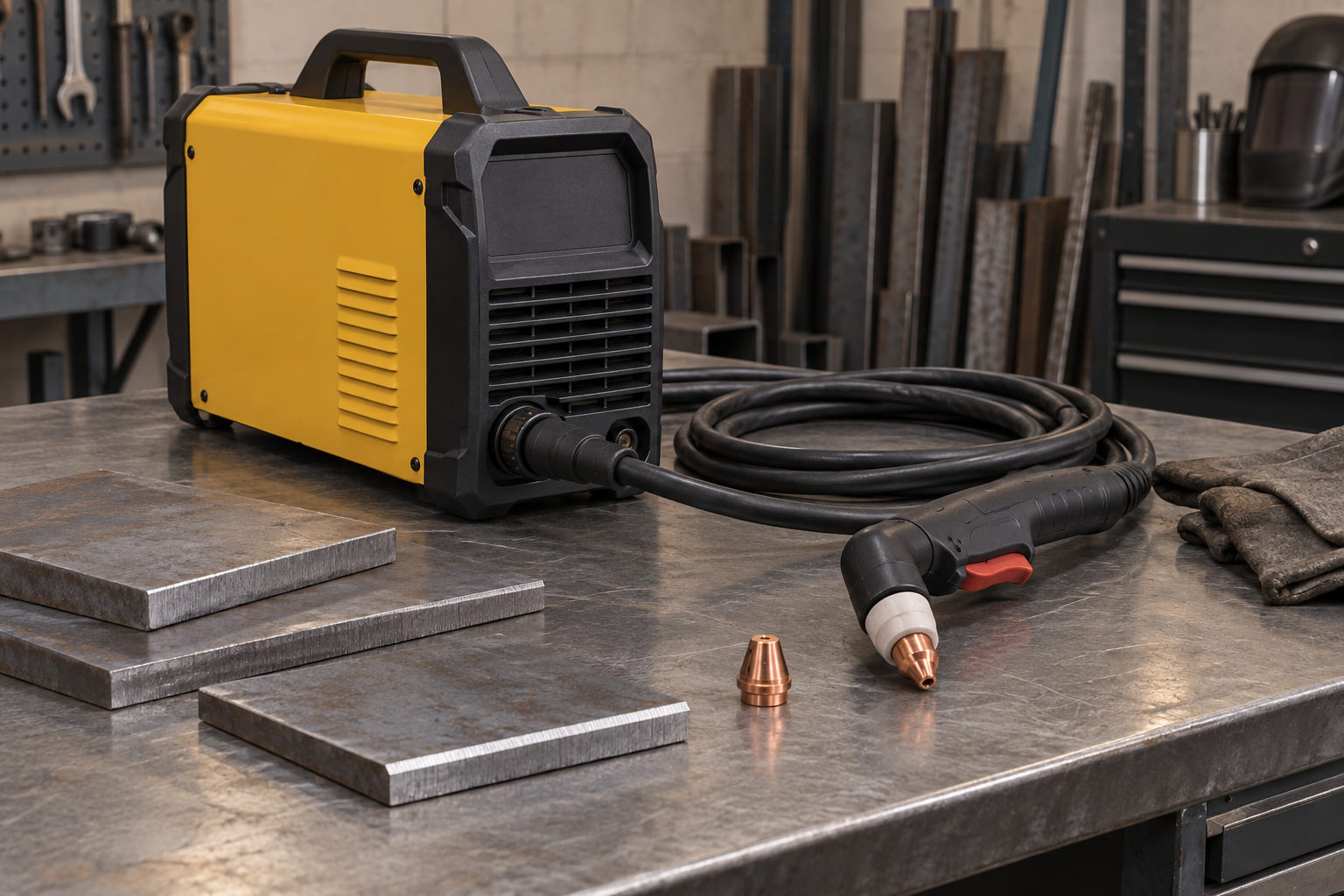
Large fabrication work exposes the weak points in a plasma cutter’s torch lead. A short factory lead may be perfectly adequate for cutting brackets on a…
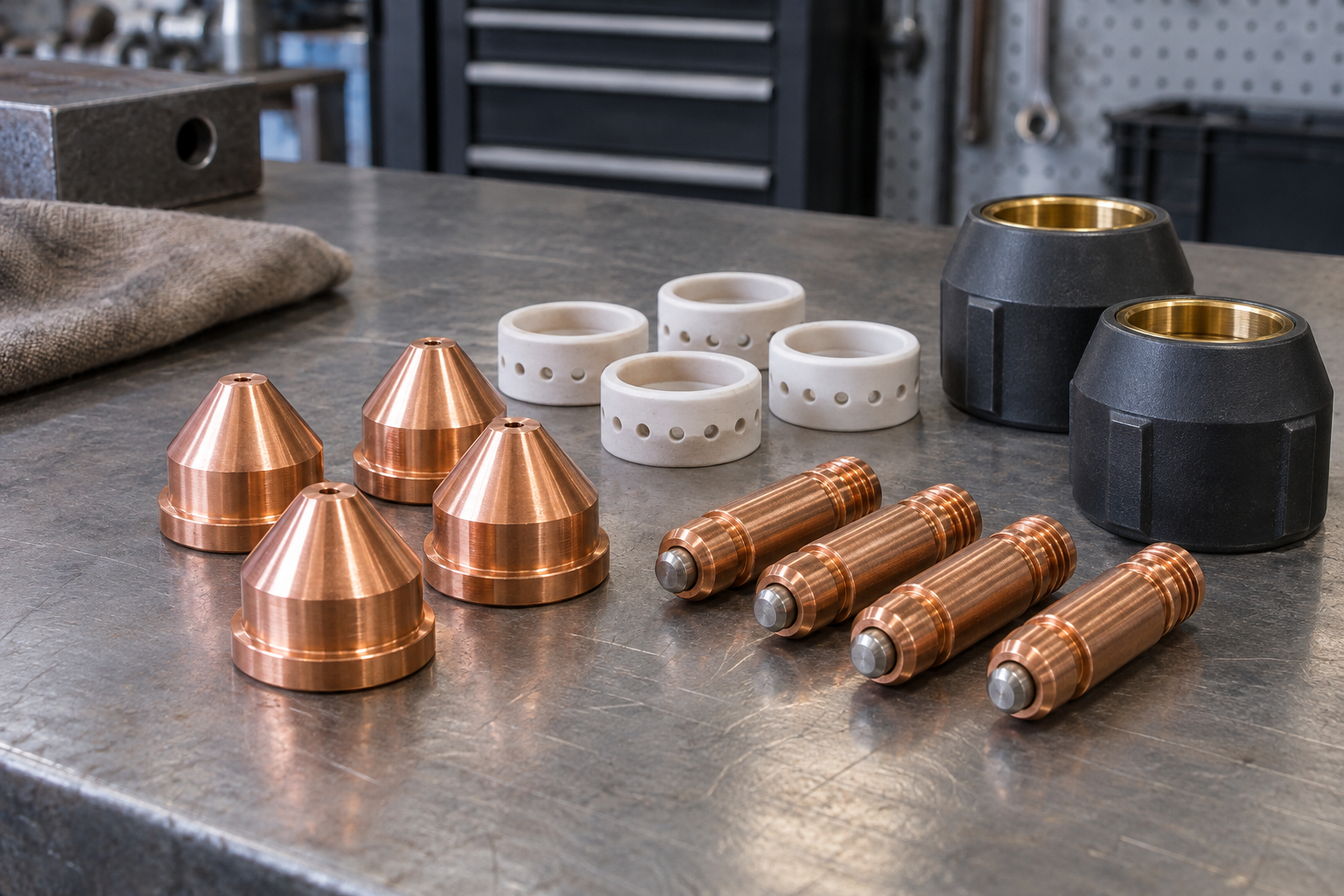
A plasma cutter’s nozzle is a wear part, but short life is often a sign of a setup problem rather than a bad consumable.
Beveling steel plate with a plasma cutter is faster than grinding or oxy-fuel cutting, but the cutter must have enough power to maintain a clean arc while…
A plasma cutter with an onboard compressor can save space and setup time when you work away from a shop air line.
For home metal fabrication, a plasma cutter should make clean, repeatable cuts without requiring a commercial air system or a 240-volt circuit.
Cutting 1/4-inch aluminum plate is within reach of many 40-amp plasma cutters, but the amperage printed on the case does not tell the whole story.
A plasma cutter can cut by hand and still be a poor match for a CNC table. For torch height control (THC), the key questions are whether the machine…
A plasma cutter can separate scrap faster and with less heat spread than an oxy-fuel torch, but the right machine depends on the thickest steel you…
Expanded metal is a tough test for a plasma cutter. The strands are narrow, and the openings break the arc’s path.