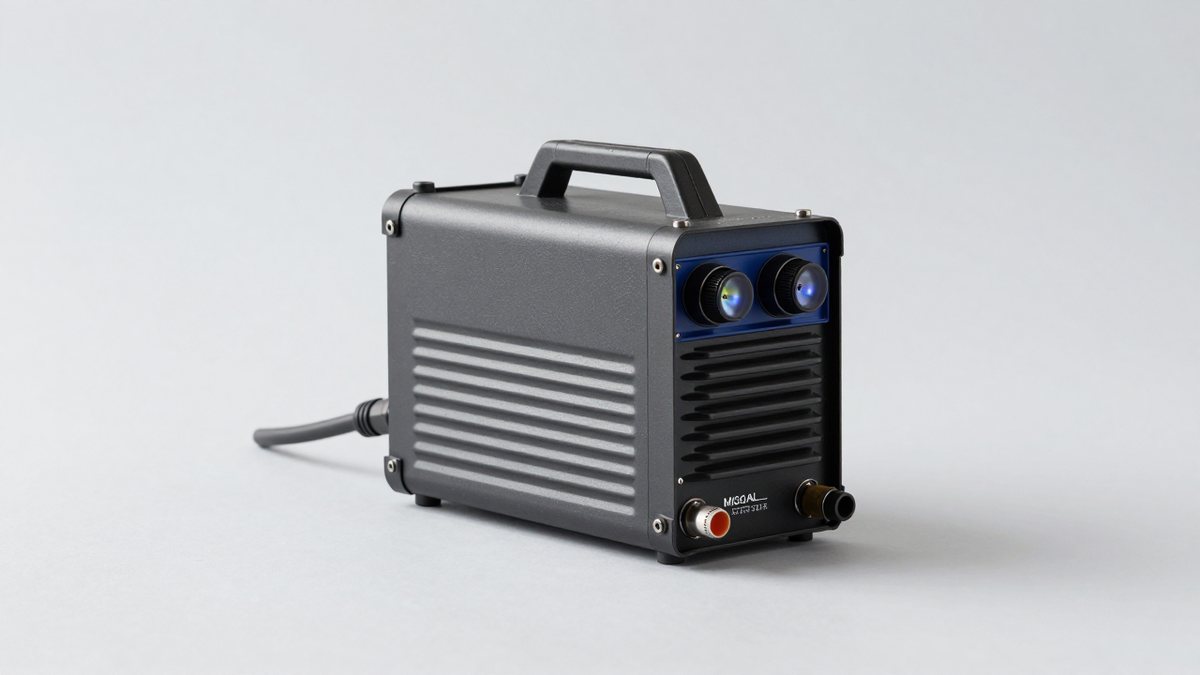
Best MIG Welders for Joining Thin Steel to Thick Plate
Joining thin steel to thick plate is one of the easiest MIG jobs to get wrong. The thick section pulls heat away from the arc, while the thin section can…

1855 articles published
Joining thin steel to thick plate is one of the easiest MIG jobs to get wrong. The thick section pulls heat away from the arc, while the thin section can…
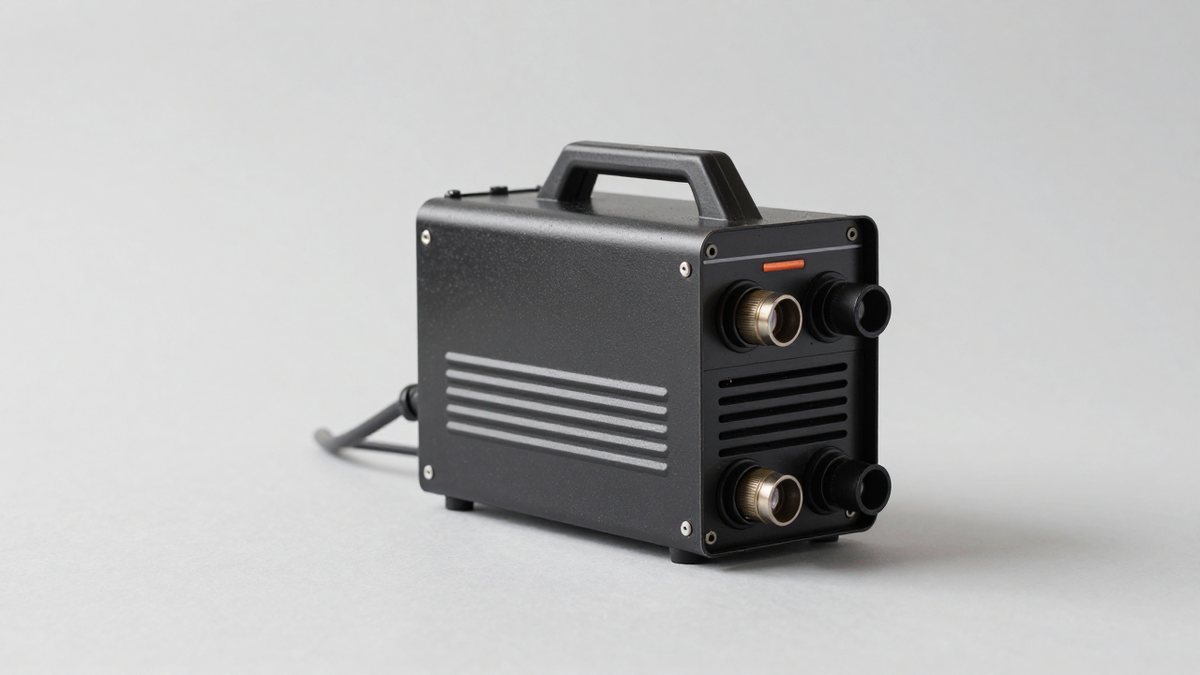
Square-tube miters look simple, but they expose every weakness in a MIG welder setup.
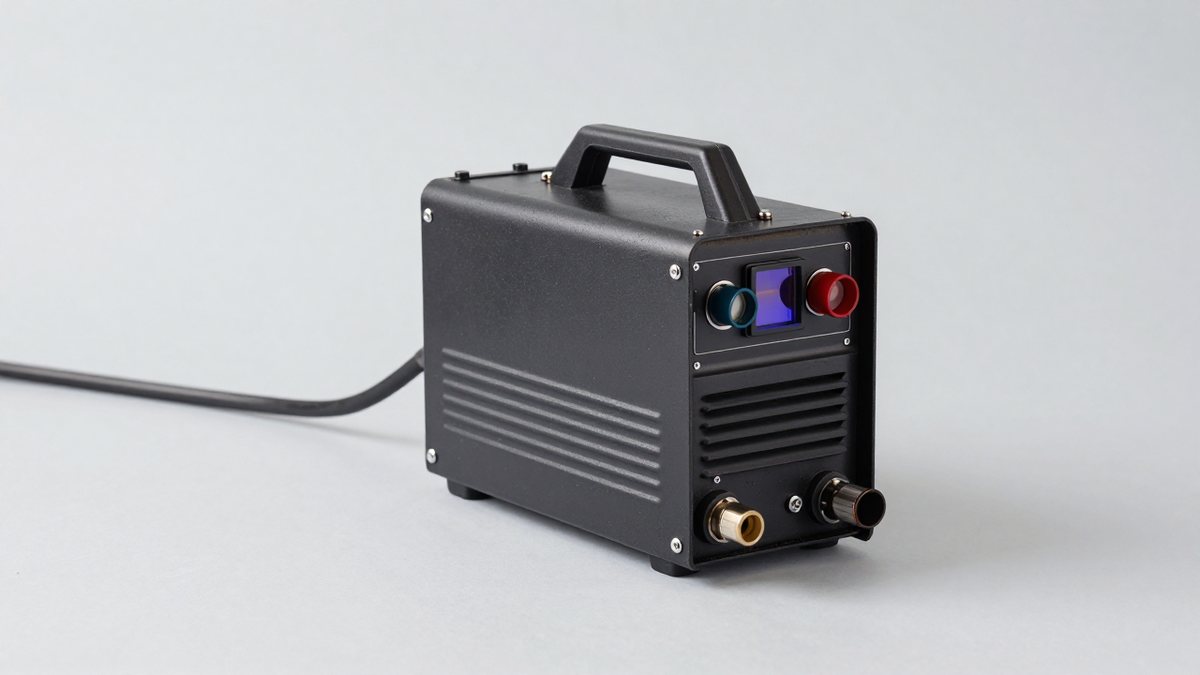
Steel sign frames are usually made from square tube, angle, flat bar, or light-gauge sheet.
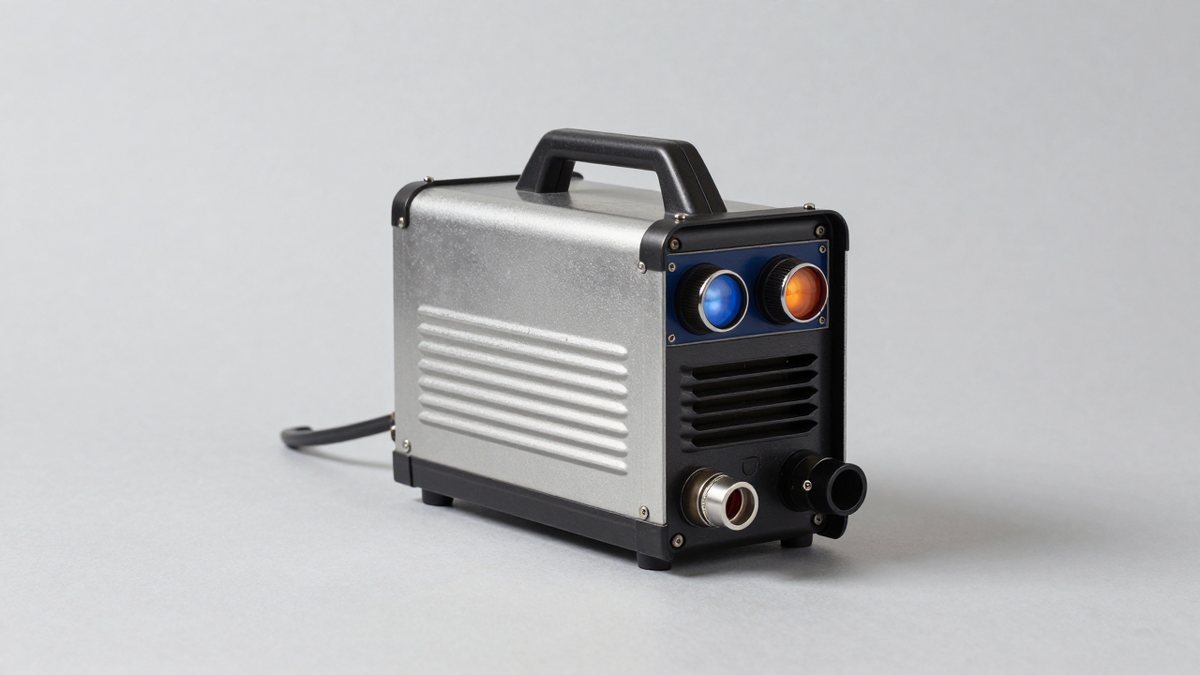
A MIG welder’s wire run-in setting controls how fast the wire feeds before the arc is fully established.
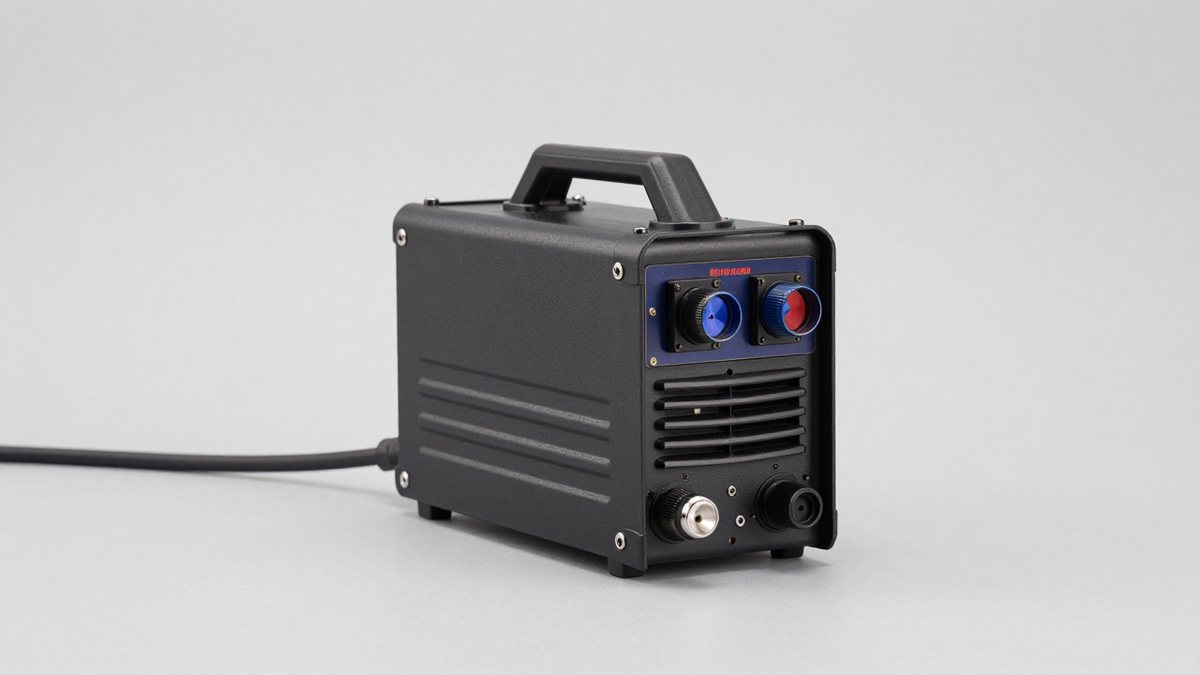
Short tack assemblies need a different MIG welder from heavy, continuous fabrication.
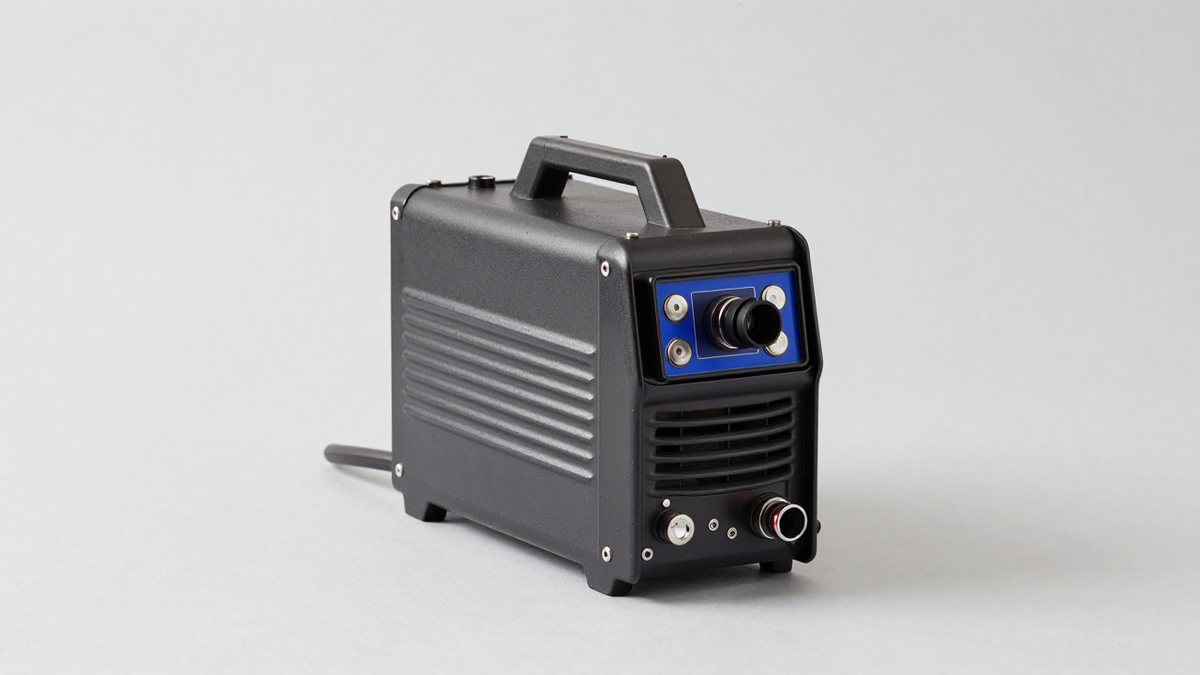
Repairing a steel machinery guard usually calls for short, controlled welds—not a high-output production machine.
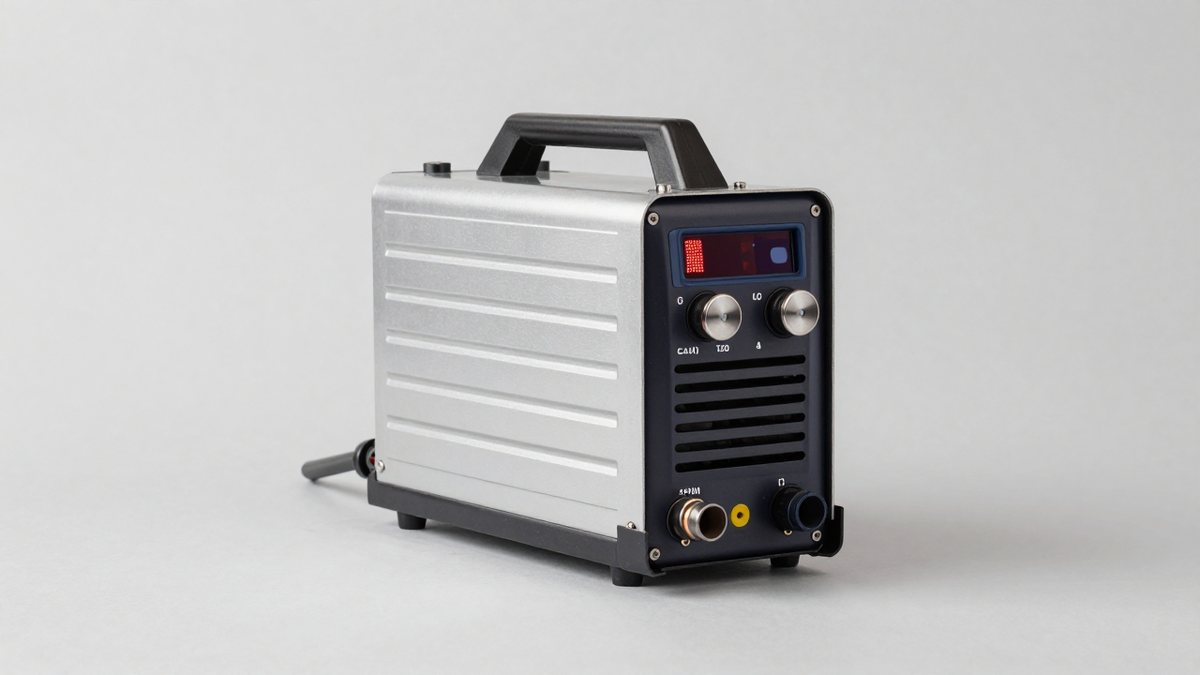
Custom steel cabinets are a good match for MIG welding. Most cabinet work uses mild-steel sheet from 18 gauge to 14 gauge, plus angle, tubing, hinges, and…
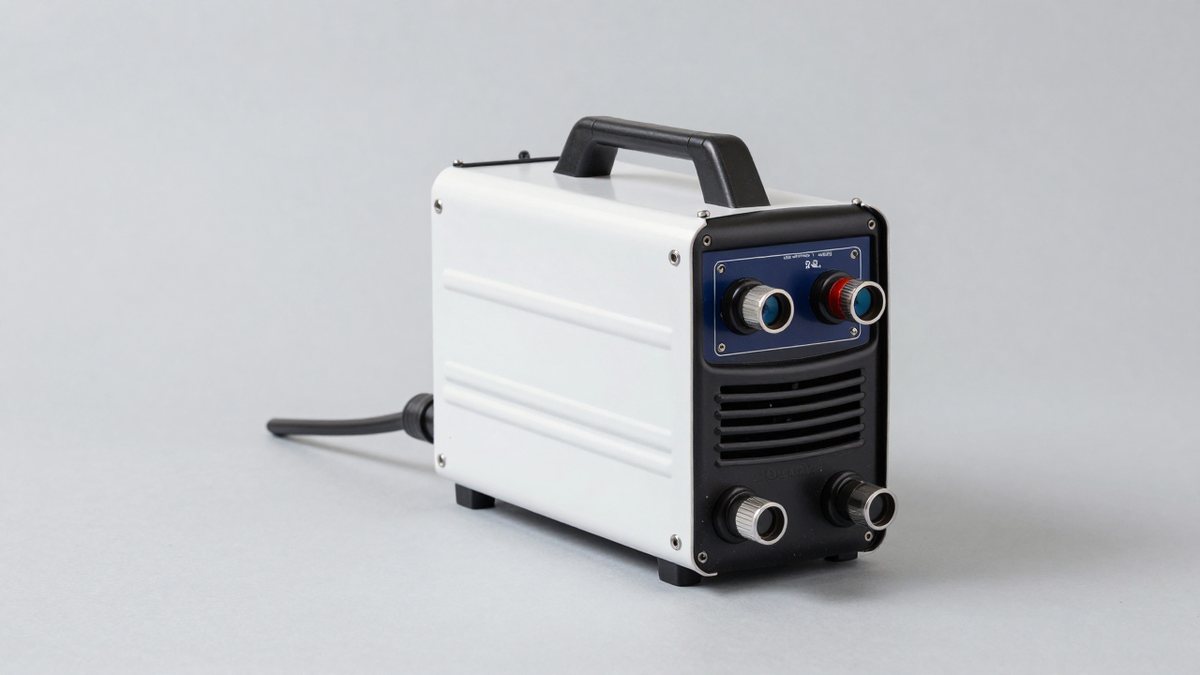
A cracked trailer hitch is a structural repair, not ordinary sheet-metal work. The weld may carry tongue weight, braking forces, and repeated shock loads.
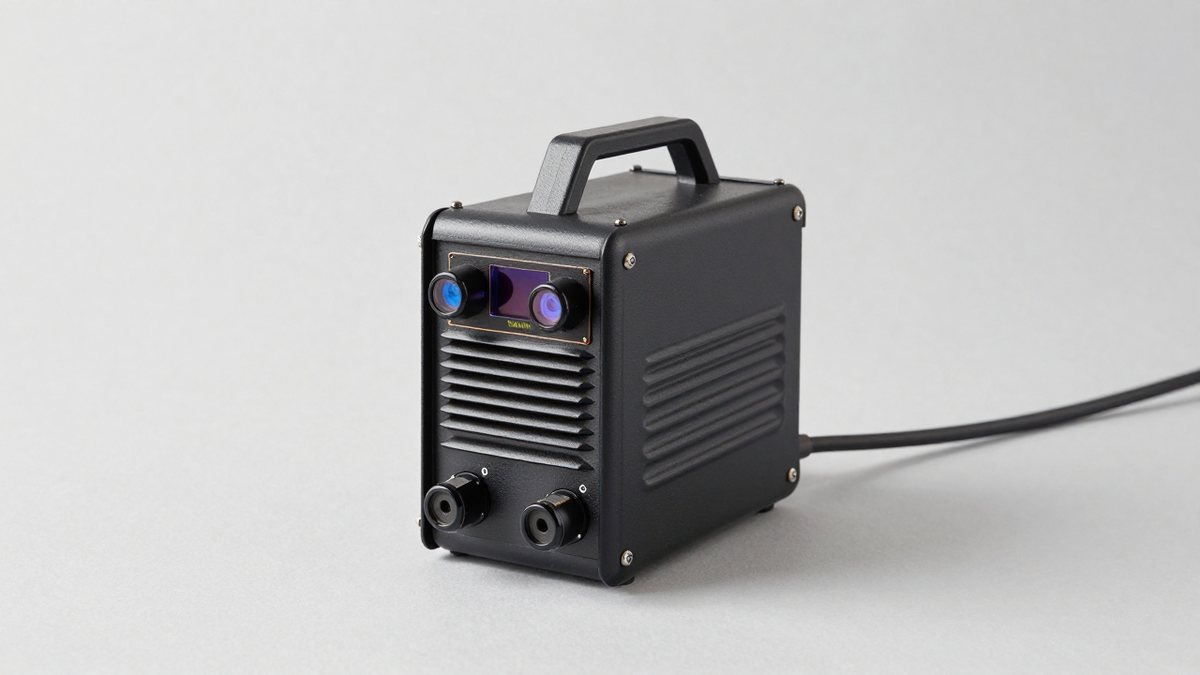
Long MIG seams reward a steady power source, smooth wire feed and a setup that stays comfortable for the length of the joint.
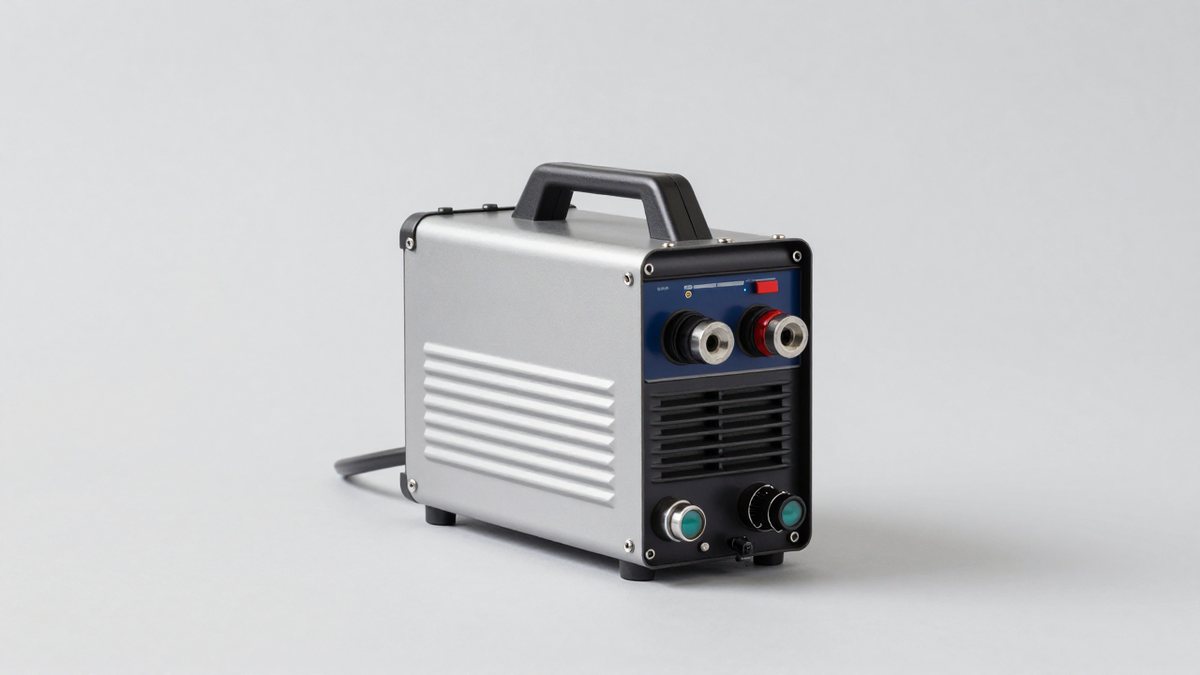
New, clean steel is about as forgiving as MIG work gets, but the welder still needs to match the material thickness, available power and kind of work.