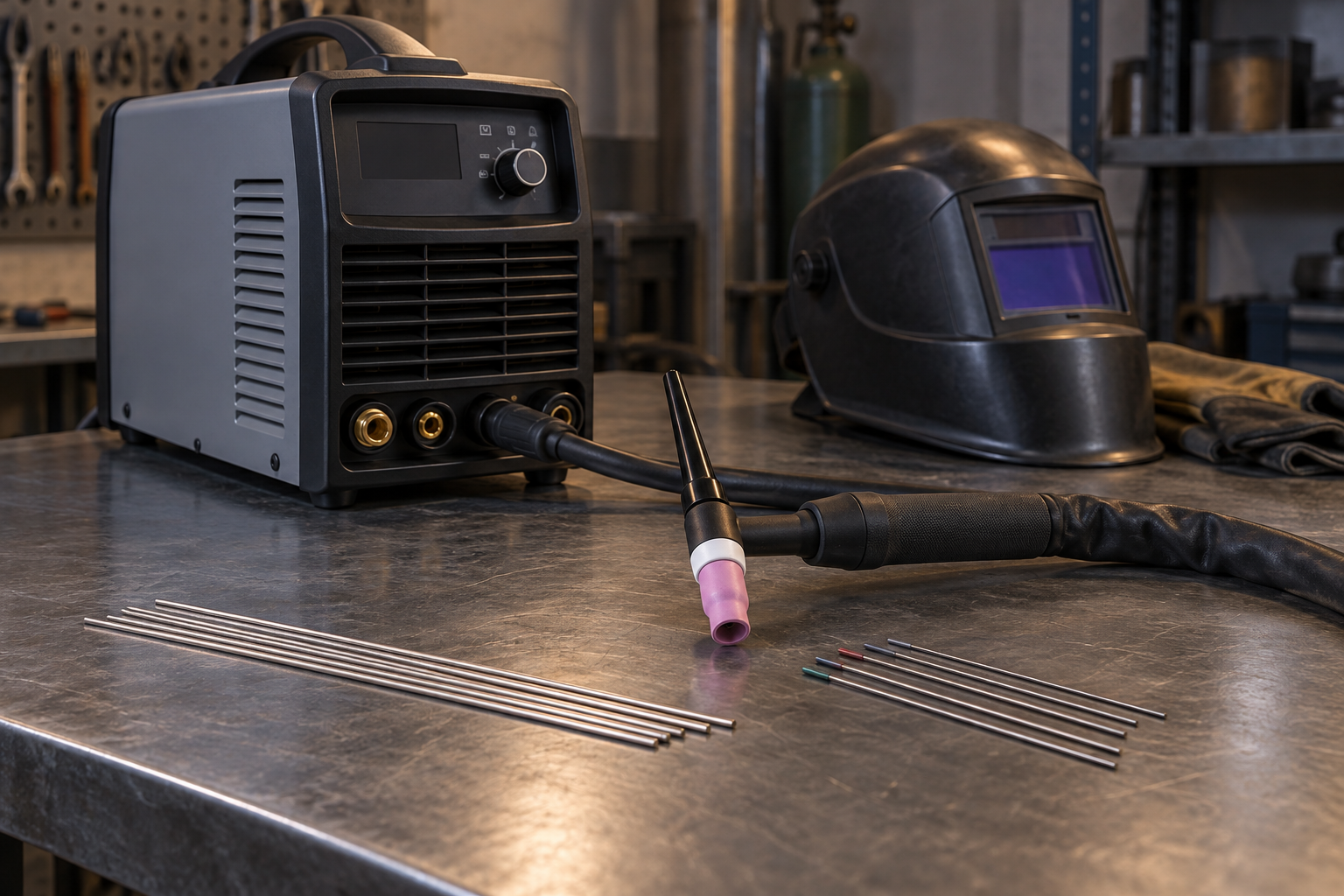
How to Prevent Arc Wandering During TIG Welding
Arc wandering during TIG welding shows up as a wandering arc, an arc that pulls sharply to one side, or a puddle that refuses to stay centered under the…

1855 articles published
Arc wandering during TIG welding shows up as a wandering arc, an arc that pulls sharply to one side, or a puddle that refuses to stay centered under the…
Adding filler smoothly is mostly a timing and distance problem: keep the tungsten steady, hold a short arc, and feed small amounts of rod into the edge of…
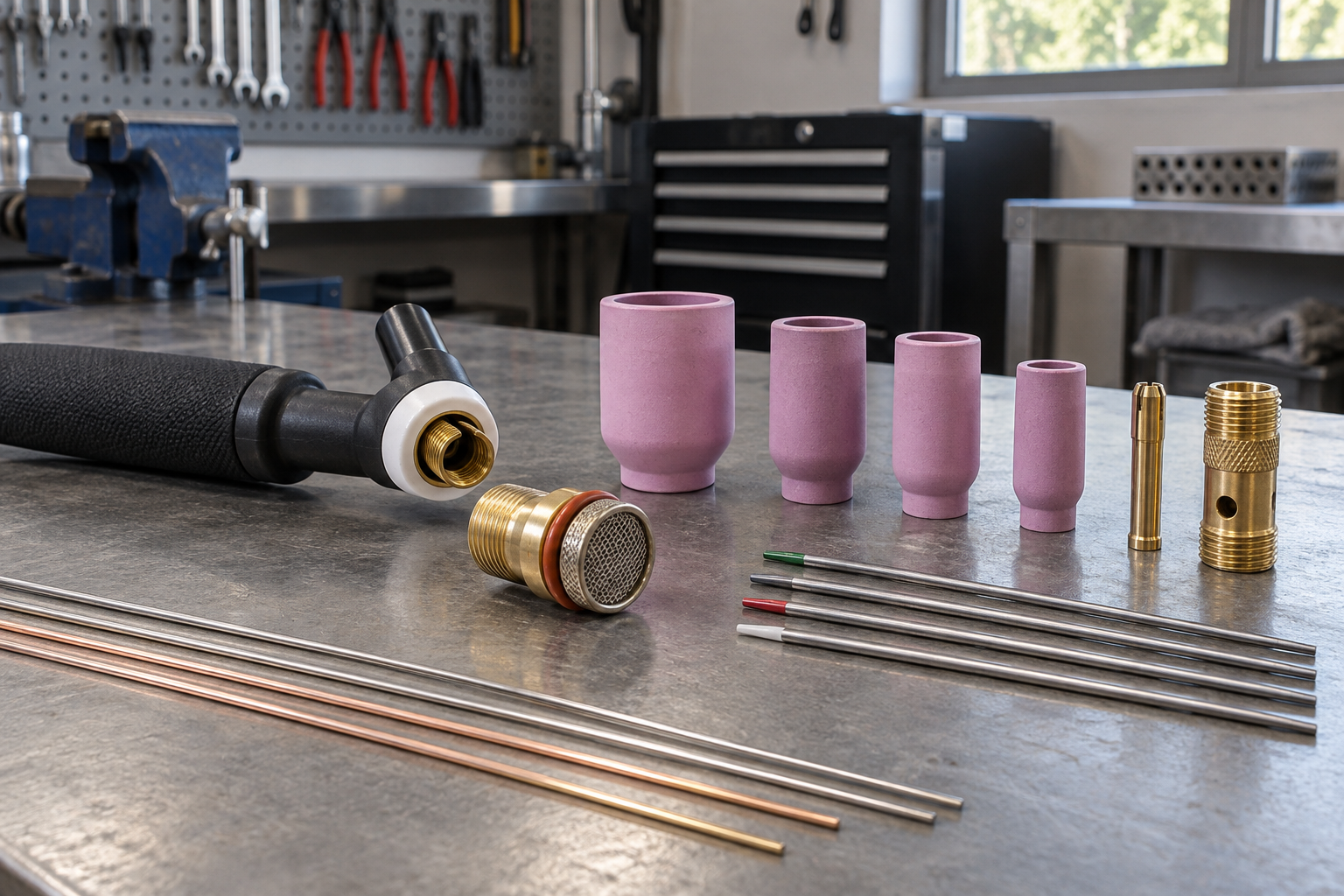
A TIG gas lens replaces the torch’s standard collet body with a gas-distribution component that spreads shielding gas more evenly around the tungsten.
Argon flow rate is one of the easiest TIG settings to get wrong. Too little gas leaves the tungsten and weld pool exposed to air.
A TIG weld can look tidy while still having a weak root, sugared backside or heat-distorted joint. On stainless steel, fit-up has a big say in all three.
Brass plumbing components are awkward TIG work. Brass conducts heat quickly, melts at a relatively low temperature, and can release zinc fumes when…
Heat tint on a TIG-welded corner joint is oxidation caused by heat and exposure to air.
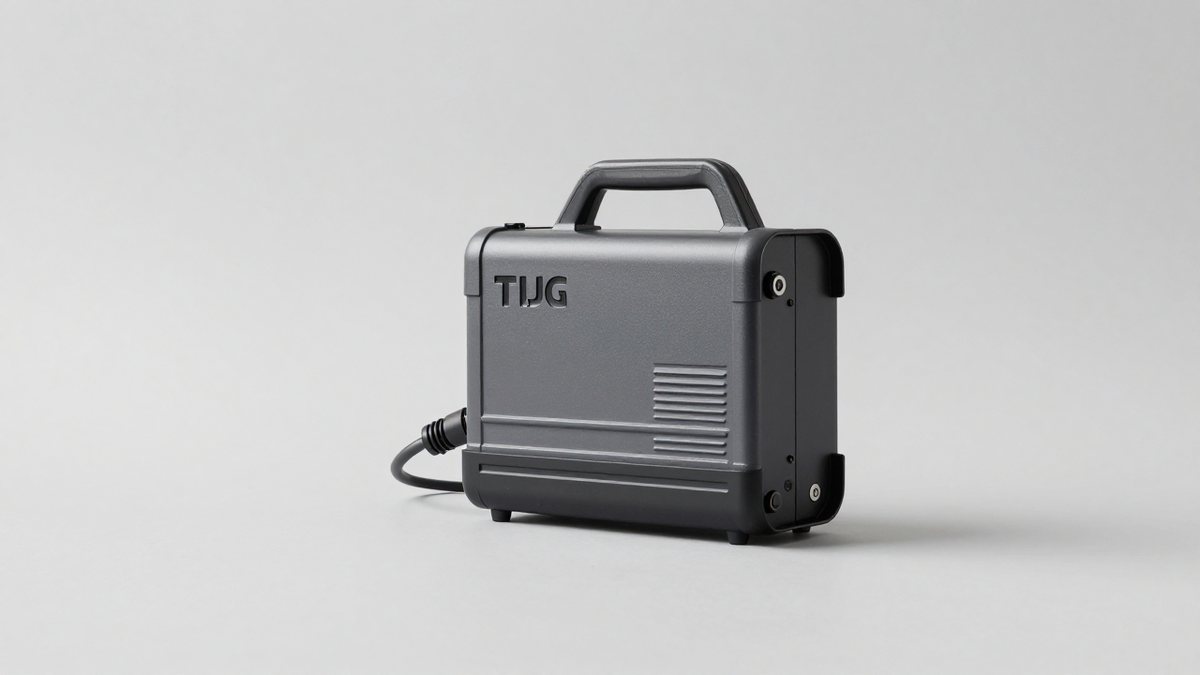
Joining stainless steel tube to plate is a job for a TIG welder with a stable low-amp arc, accurate current control, and enough duty cycle for the plate…
Aluminum heat shields are usually made from thin sheet, often between 0.040 and 0.125 inch thick.
A water-cooled TIG torch earns its keep when you spend long stretches at high current, weld thick aluminum, or need a smaller, more flexible torch than a…