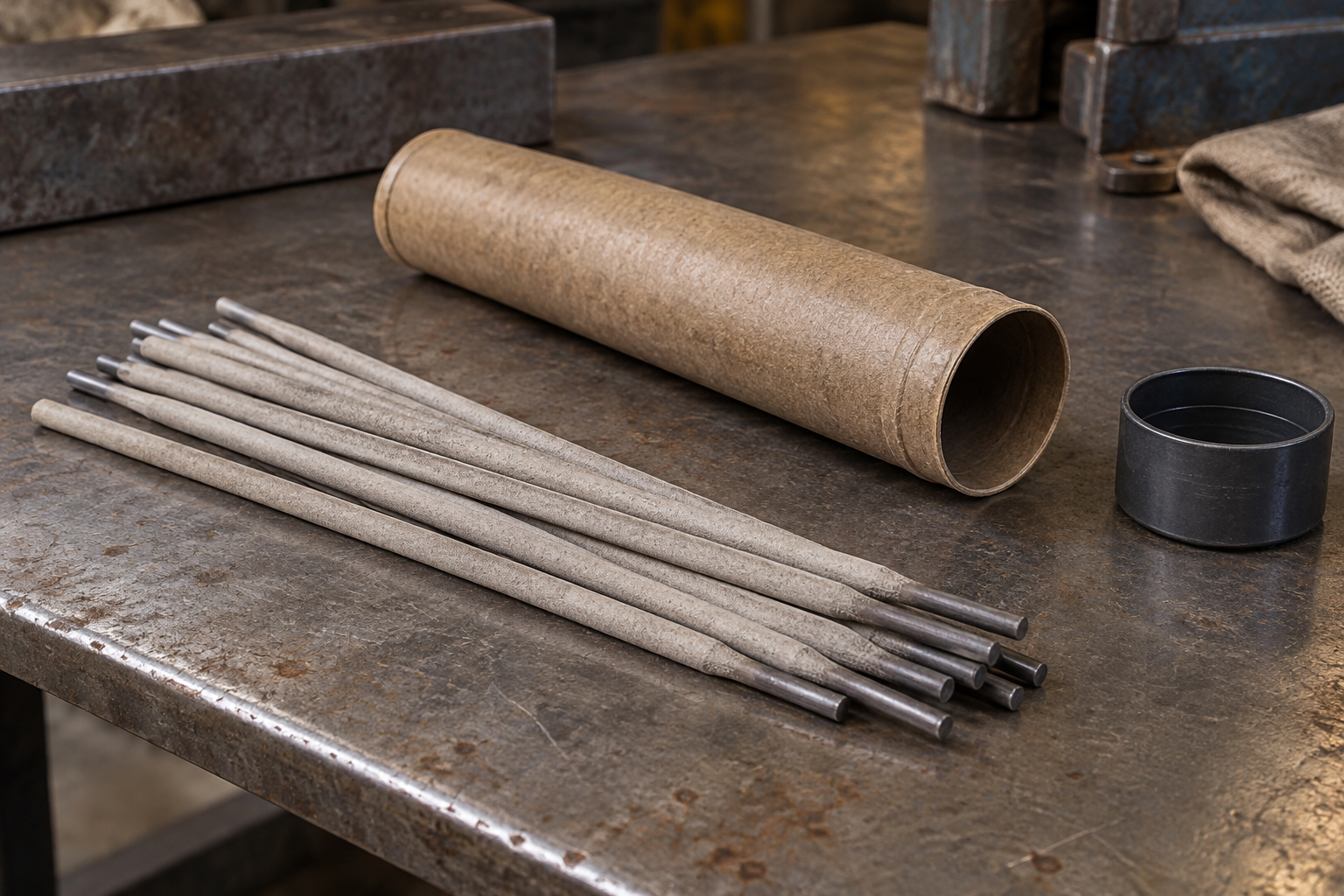
How to Prevent Arc Starts from Sticking an Electrode
Arc starts are where many stick-welding problems begin. The electrode touches the work, the arc fails to establish cleanly, and the rod sticks to the…

1845 articles published
Arc starts are where many stick-welding problems begin. The electrode touches the work, the arc fails to establish cleanly, and the rod sticks to the…
Stick electrodes are easy to damage on a job site. The flux coating can chip when rods are tossed into a tool bag, and moisture can turn a reliable…
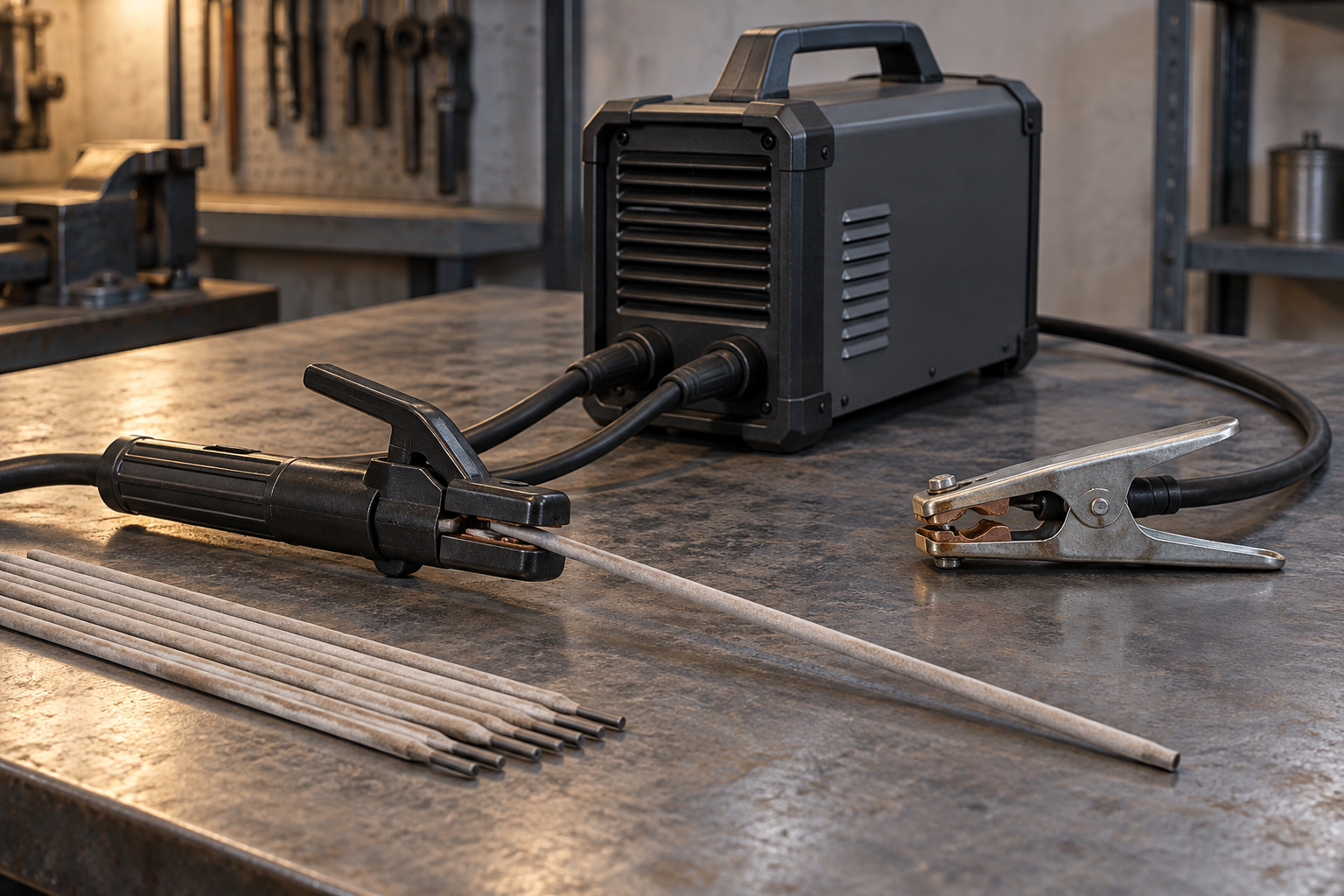
Choosing DCEN or DCEP for a stick electrode changes arc behavior, penetration, bead shape, and how easily the rod runs.
Vertical stick welding is controlled mainly by electrode diameter, rod type, metal thickness, and whether you weld uphill or downhill.
For field stick welding, leads are not just accessories. They determine how much current reaches the arc, how easily you can position the electrode, and…
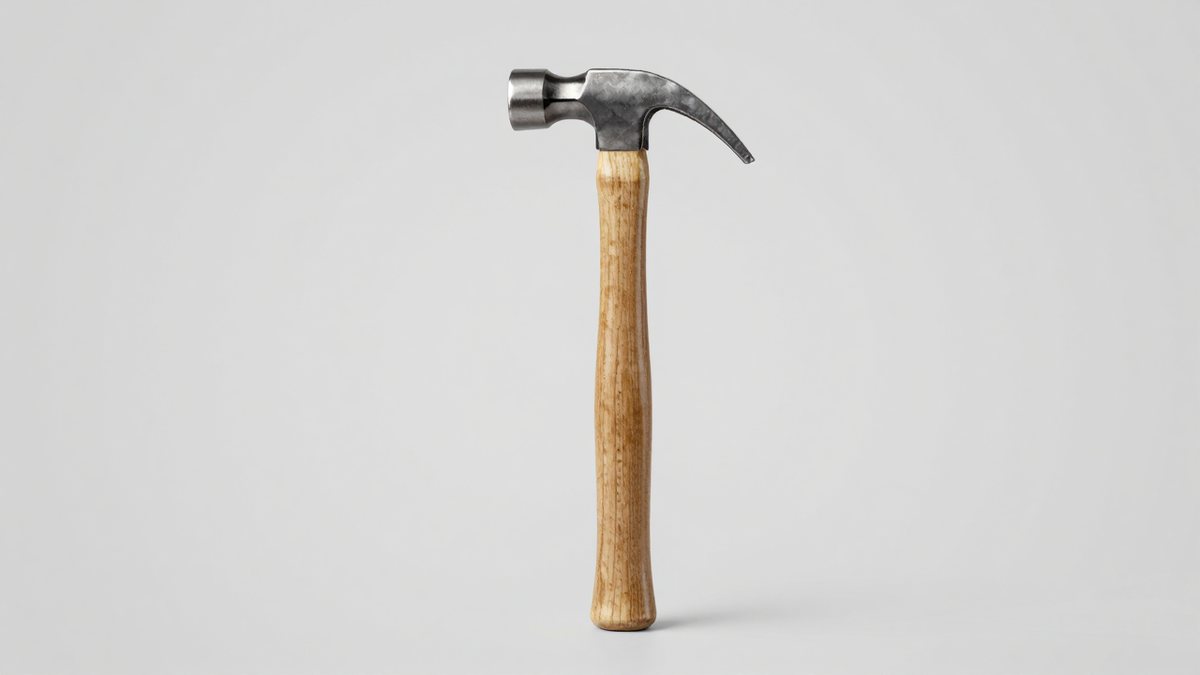
A chipping hammer removes the brittle slag left by stick welding, but the right one depends on how much you weld and where you need to reach.
Thick steel pipe rewards a stick welder with real output, a stable arc, and enough duty cycle to finish a joint without constant thermal shutdowns.
Structural steel gussets are simple parts, but they are not forgiving welds. A gusset may carry tension, compression, shear, or a combination of loads…

Low-hydrogen stick electrodes need dry storage, but not every rod belongs in a hot holding oven.
Repairing a loader bucket, fork frame or other attachment is a different job from welding thin brackets.