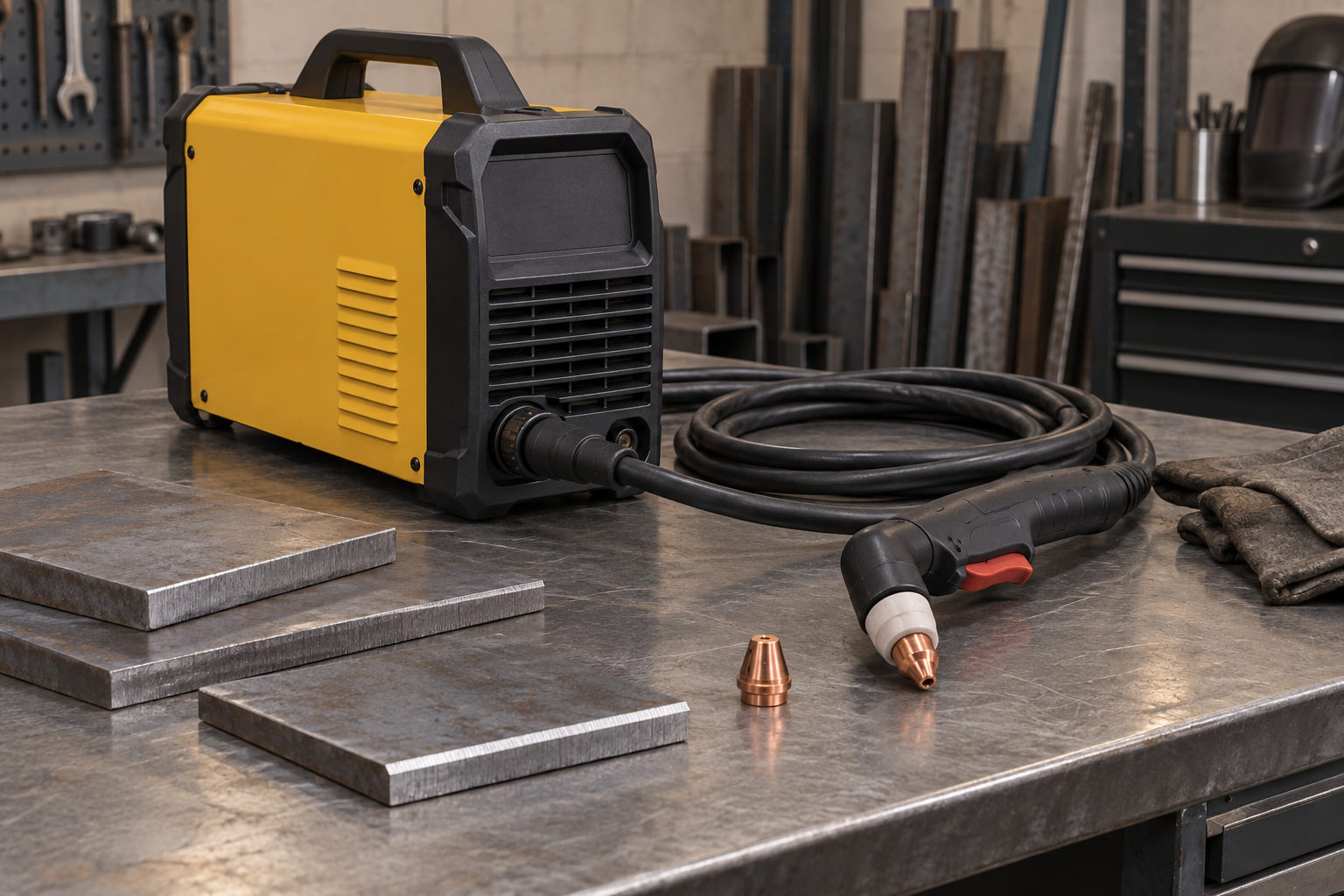
Best Plasma Cutters for Cutting Steel Plate with Minimal Dross
Minimal dross comes from the match between the cutter, the plate thickness, and the cut settings—not from amperage alone.

1845 articles published
Minimal dross comes from the match between the cutter, the plate thickness, and the cut settings—not from amperage alone.
For small curves, stencil work, and cutouts with tight corners, a plasma cutter needs more than a high amperage rating.
Cutting steel mesh screens is not the same as cutting solid plate. The open grid gives the torch less metal to bite into, and thin wires can melt back…
Bracket work often means cutting short, straight edges and slots from plate, then fitting the parts accurately enough to weld.
Cutting steel channel is less about chasing a high amperage rating and more about matching the cutter to the channel’s web and flanges, your power supply…
Perforated sheet is harder to plasma-cut cleanly than solid plate. The torch repeatedly crosses open holes, so the arc can extinguish, wander, or restart…
Plasma cutters make quick work of aluminum angle, but the right machine depends on the angle’s thickness, the available power supply and how clean the…
Stainless sheet asks more of a plasma cutter than mild steel does. The cut can discolor a wide area, thin stock can warp, and a poor consumable or dirty…
Sixteen-gauge mild steel is about 0.060 inch thick. That is thin enough for most 30-amp and 40-amp plasma cutters, but thin metal still takes a little…
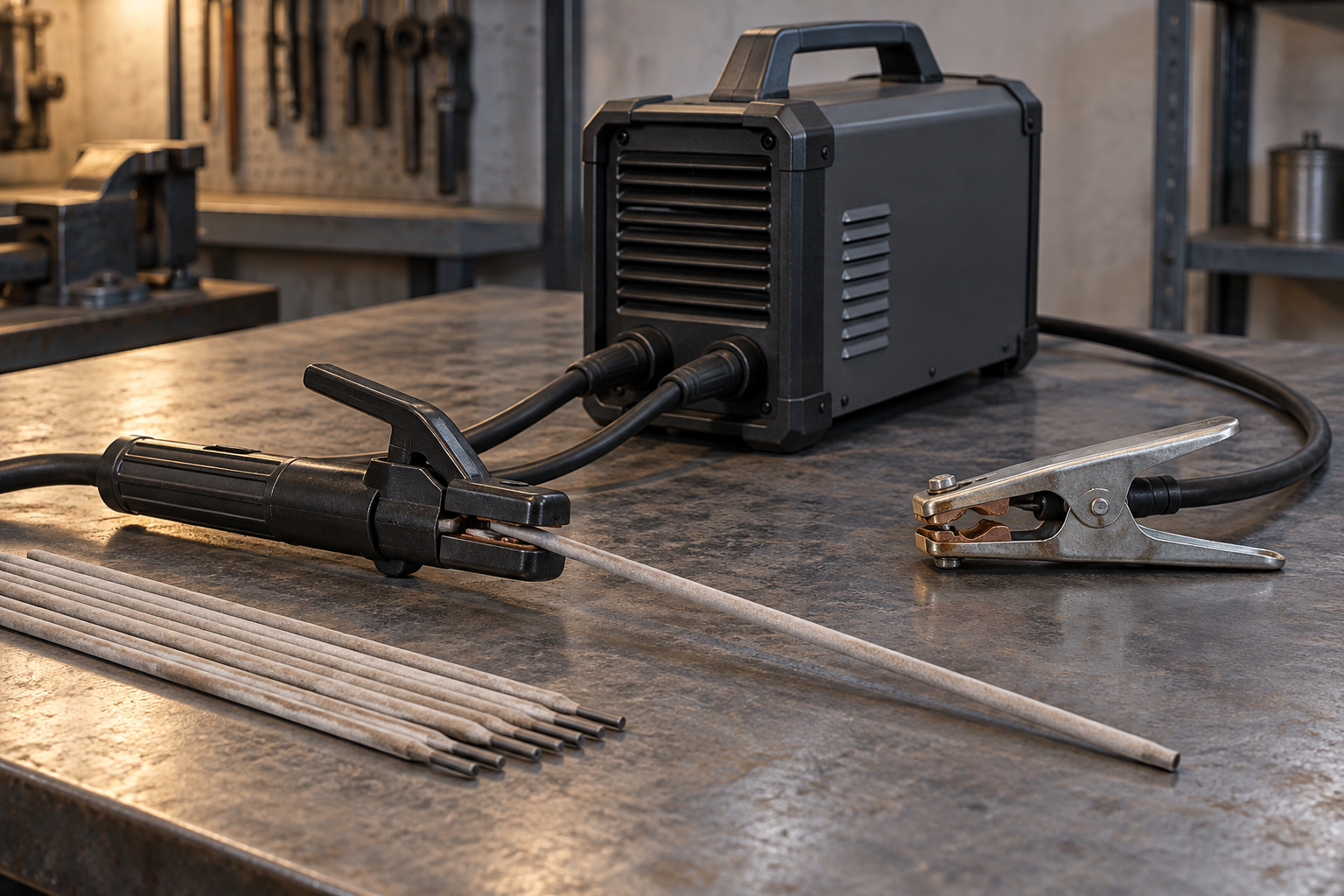
Pipe supports are often short pieces of carbon-steel angle, channel, plate, or tube welded into brackets and frames.