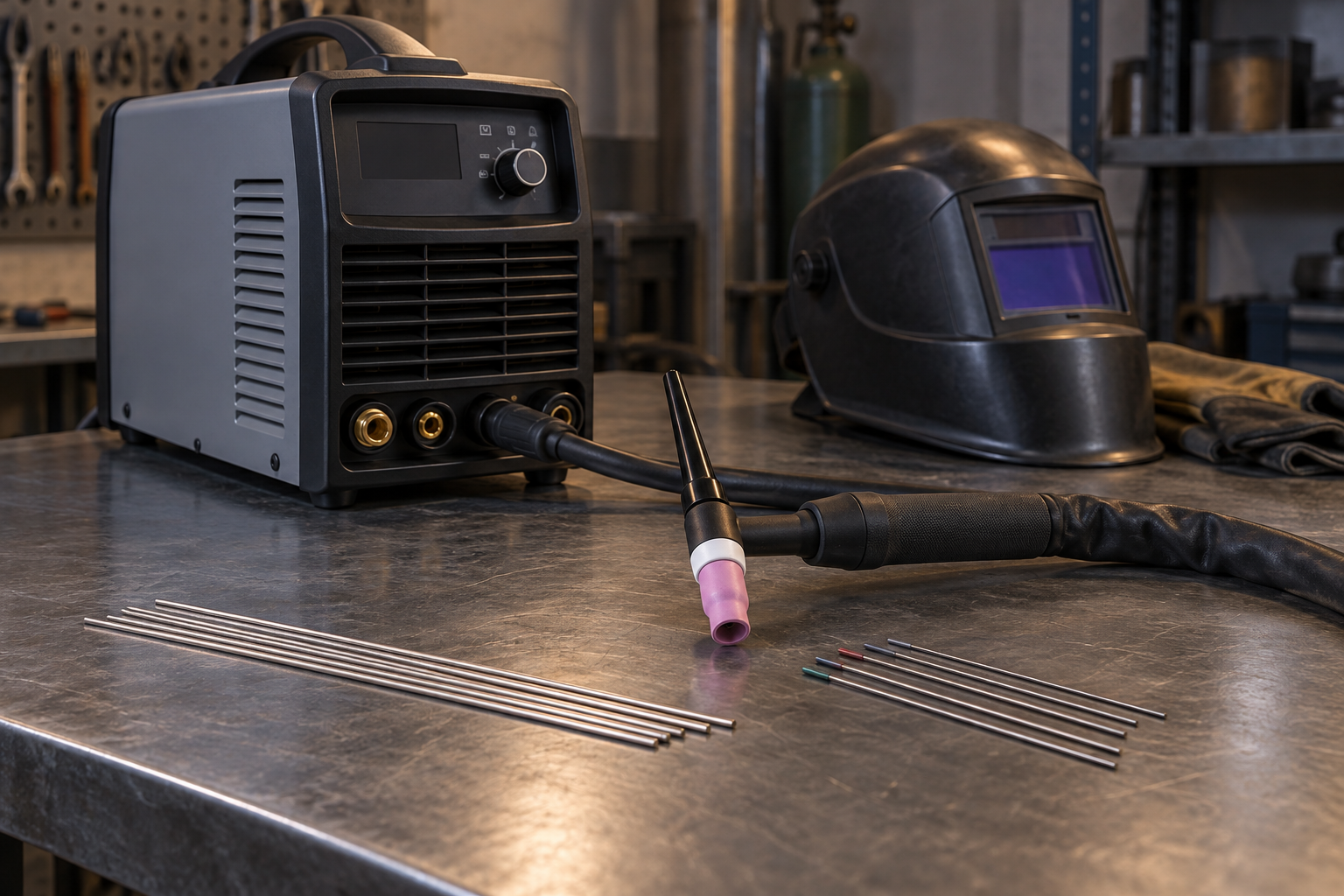
How to Set TIG Amperage for Thin Stainless Steel
For thin stainless, begin around 30–40 amps for 0.5 mm sheet, 40–55 amps for 0.8 mm, and 55–75 amps for 1.2 mm.

1845 articles published
For thin stainless, begin around 30–40 amps for 0.5 mm sheet, 40–55 amps for 0.8 mm, and 55–75 amps for 1.2 mm.
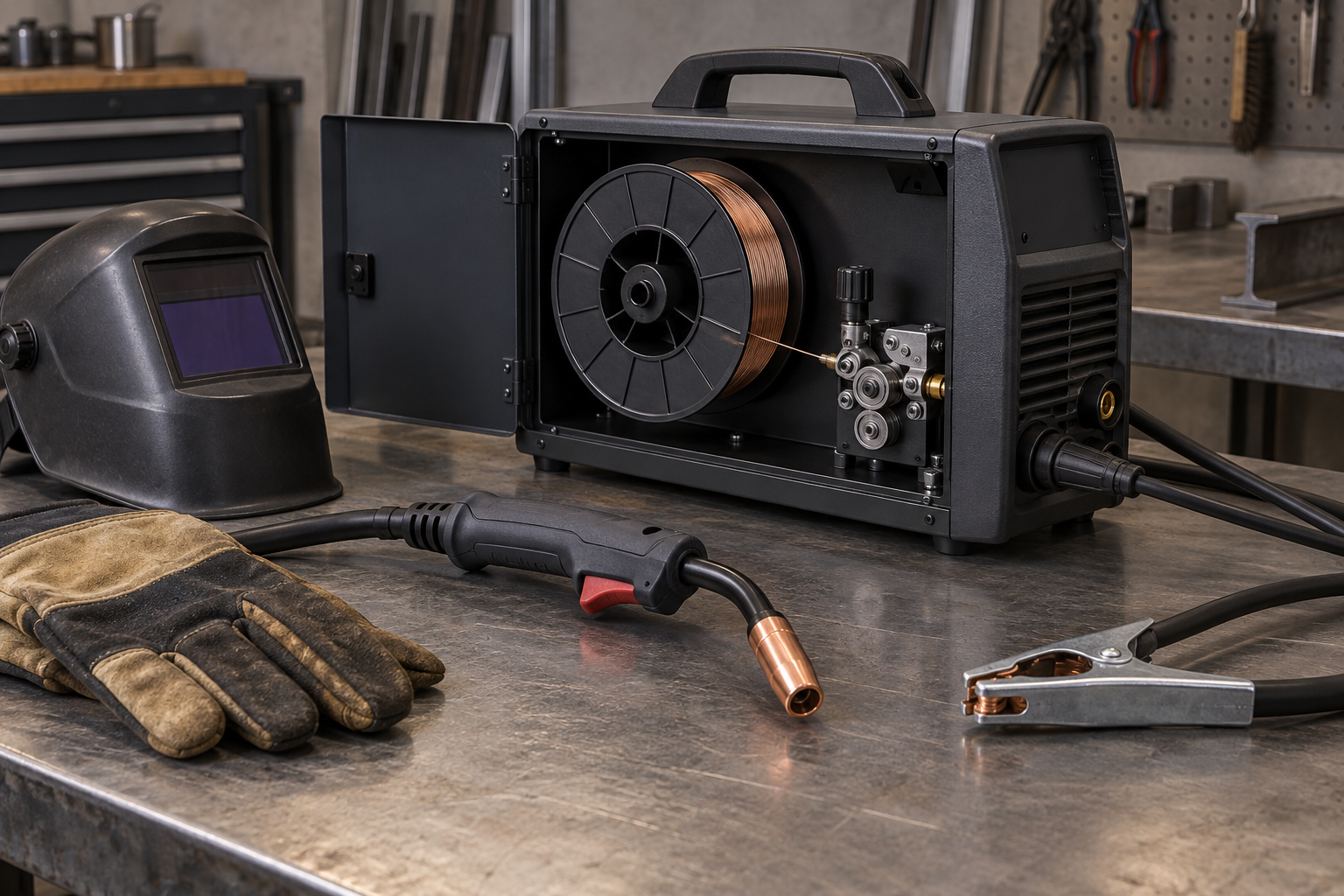
Run-in and burnback controls change what happens at the start and end of a MIG weld.
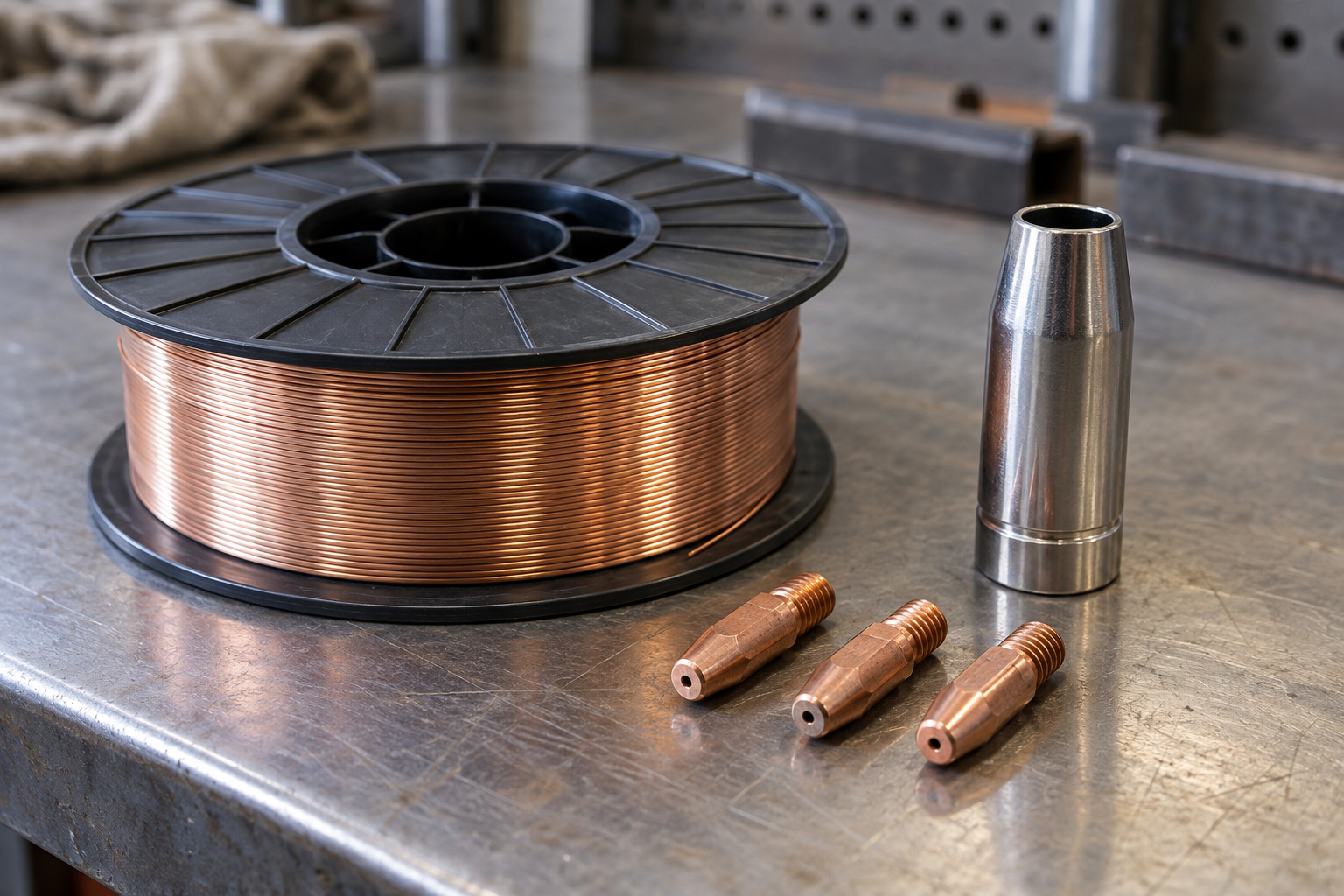
The contact tip is a small part, but a poor fit can cause erratic wire feed, burnback, or an unstable arc.
Wire burnback happens when MIG wire melts back into the contact tip at the end of a weld.
Distortion is one of the most common problems when MIG welding steel tubing. The heat from the arc expands the metal, and the cooling weld contracts it.
A MIG gun liner guides the welding wire from the drive rolls to the contact tip. When it’s dirty, kinked, worn, or the wrong size, wire feeding can become…
Mill scale is the hard, dark oxide left on steel after it is hot-rolled. It looks like a thin black coating, but it is a poor welding surface.
Choosing MIG wire diameter for structural steel is mainly a balance between required weld size, steel thickness, welding position, and the output of your…
Vertical-up fillet welds are slower and less forgiving than flat or horizontal welds, but MIG makes them manageable when the settings, gun angle, and…
For most solid MIG wire, set the machine to electrode positive (DCEP): the wire feeder’s torch connection is positive, and the work clamp is negative.