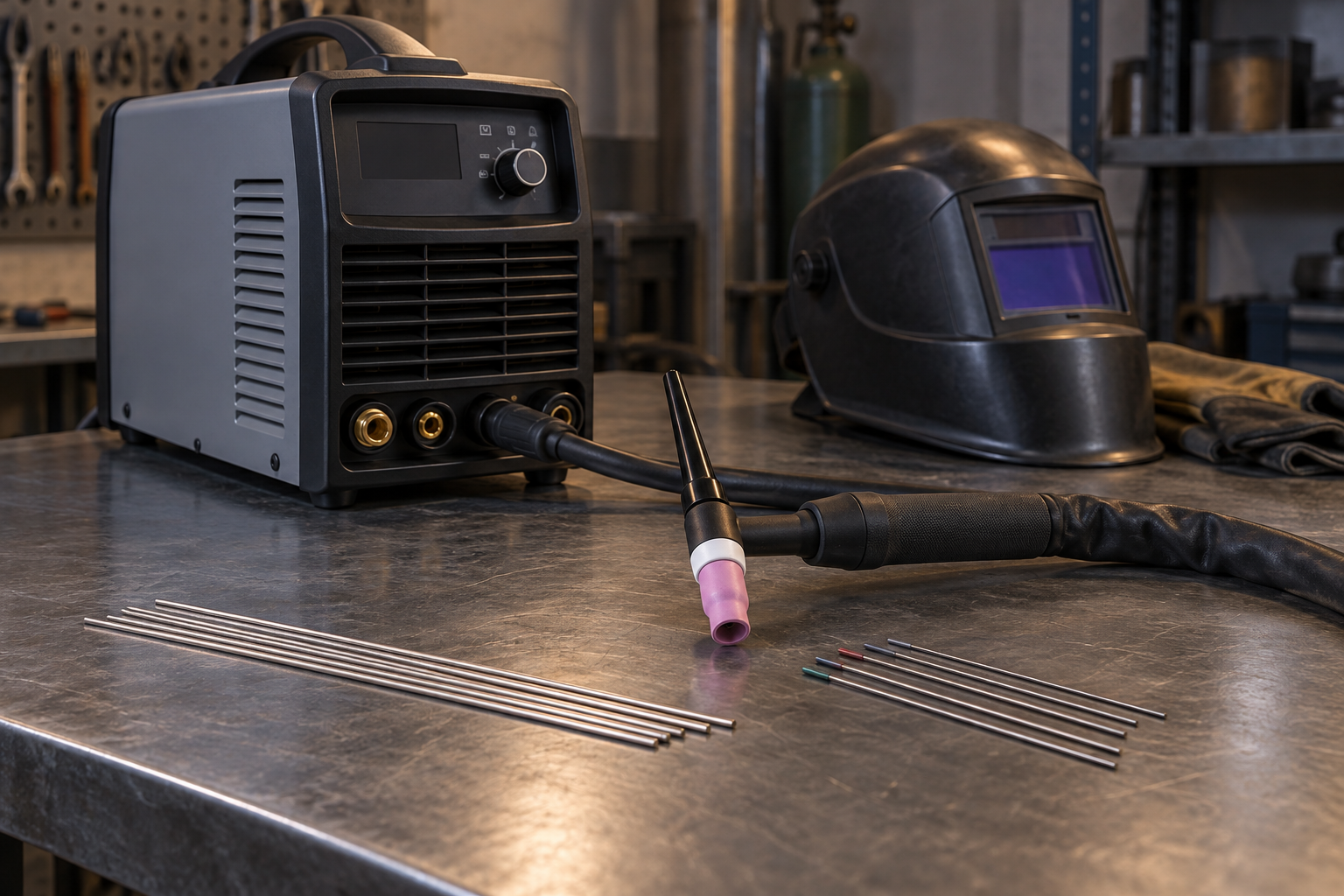
How to Prevent Warping During TIG Welding
Thin sheet and long seams are where TIG welding most often turns a neat fit-up into a wavy panel.

1845 articles published
Thin sheet and long seams are where TIG welding most often turns a neat fit-up into a wavy panel.
Choosing TIG filler rod diameter is mainly a matter of matching the rod to the joint, the base metal thickness and the size of the weld you need.
Aluminum TIG welding normally uses AC. The electrode’s positive portion of the AC cycle helps clean oxide from the work; the negative portion supplies…
Preflow and postflow control when shielding gas reaches the TIG torch. Preflow sends gas before the arc starts; postflow keeps gas flowing after it stops.
Heat tint is the straw, purple, blue, or gray discoloration that forms beside a stainless steel TIG weld.
A stainless steel lap joint puts one piece of metal over another, with a fillet weld along an edge.
Pulse TIG can make thin sheet easier to control, but it does not prevent burn-through by itself.
AC balance controls how much of each TIG cycle cleans the aluminum versus how much heats the work.
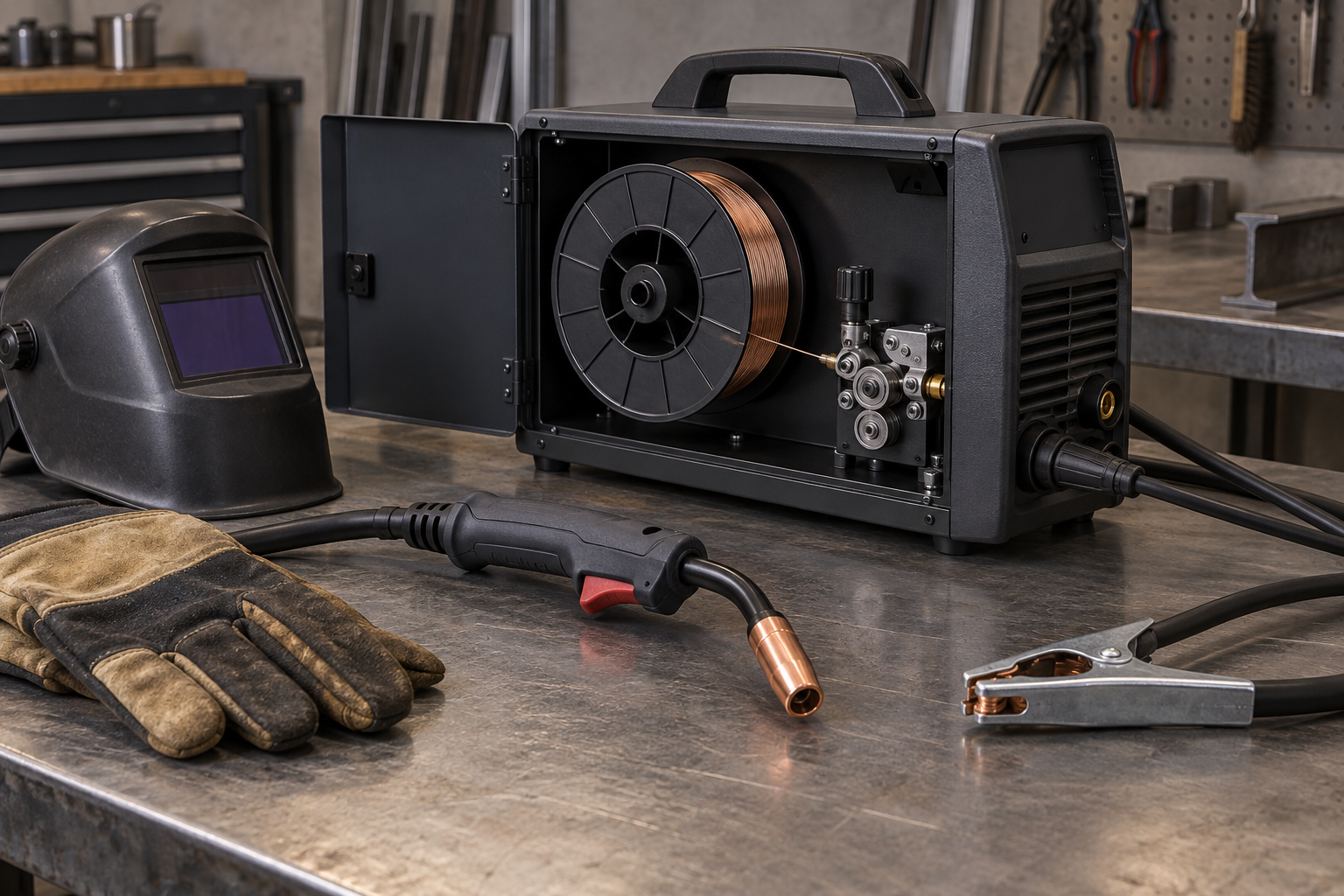
Short-arc MIG welding is forgiving, portable, and useful on mild steel, but voltage settings are easy to misread.
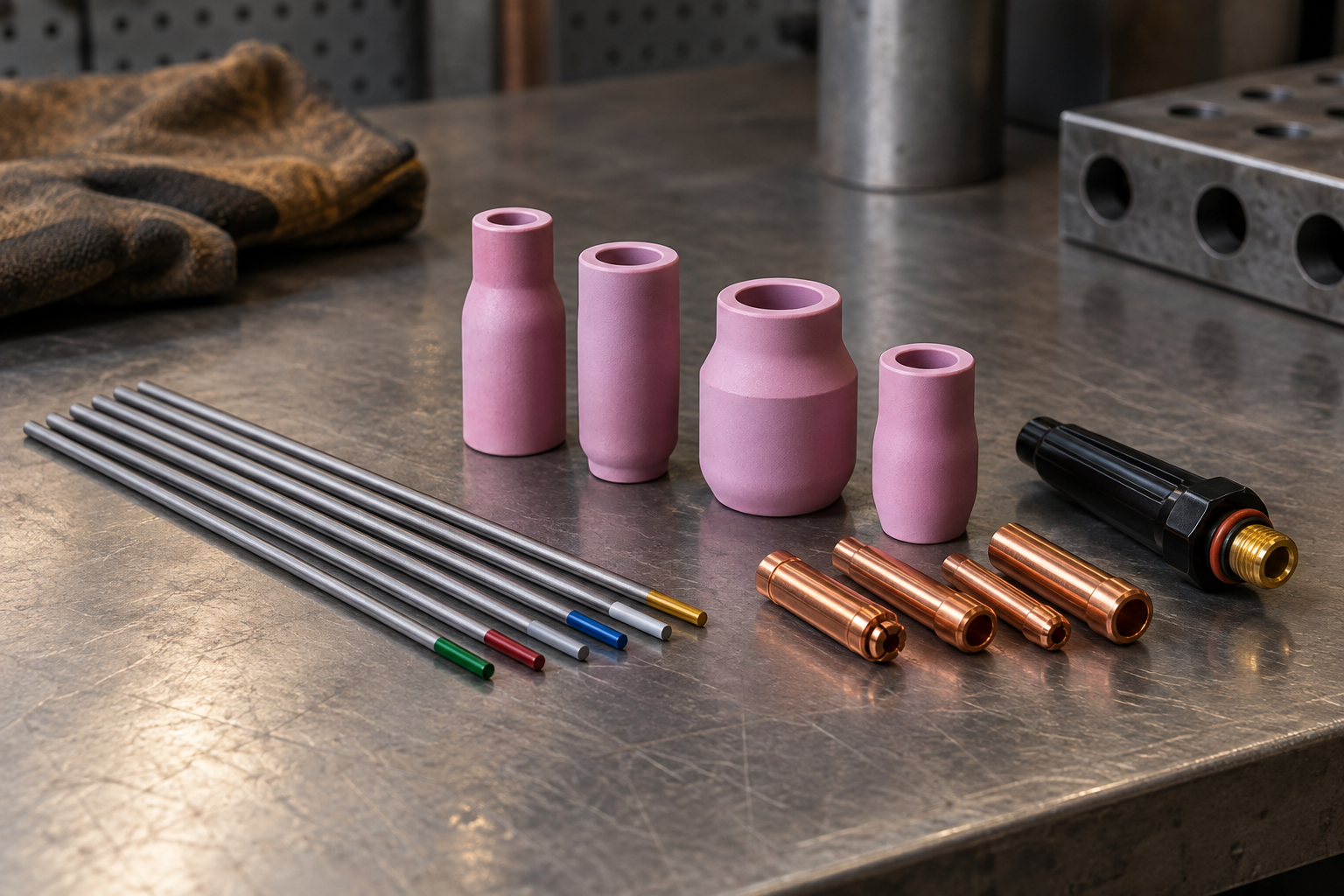
A correctly ground tungsten electrode helps a DC TIG arc start cleanly and stay where you point it.