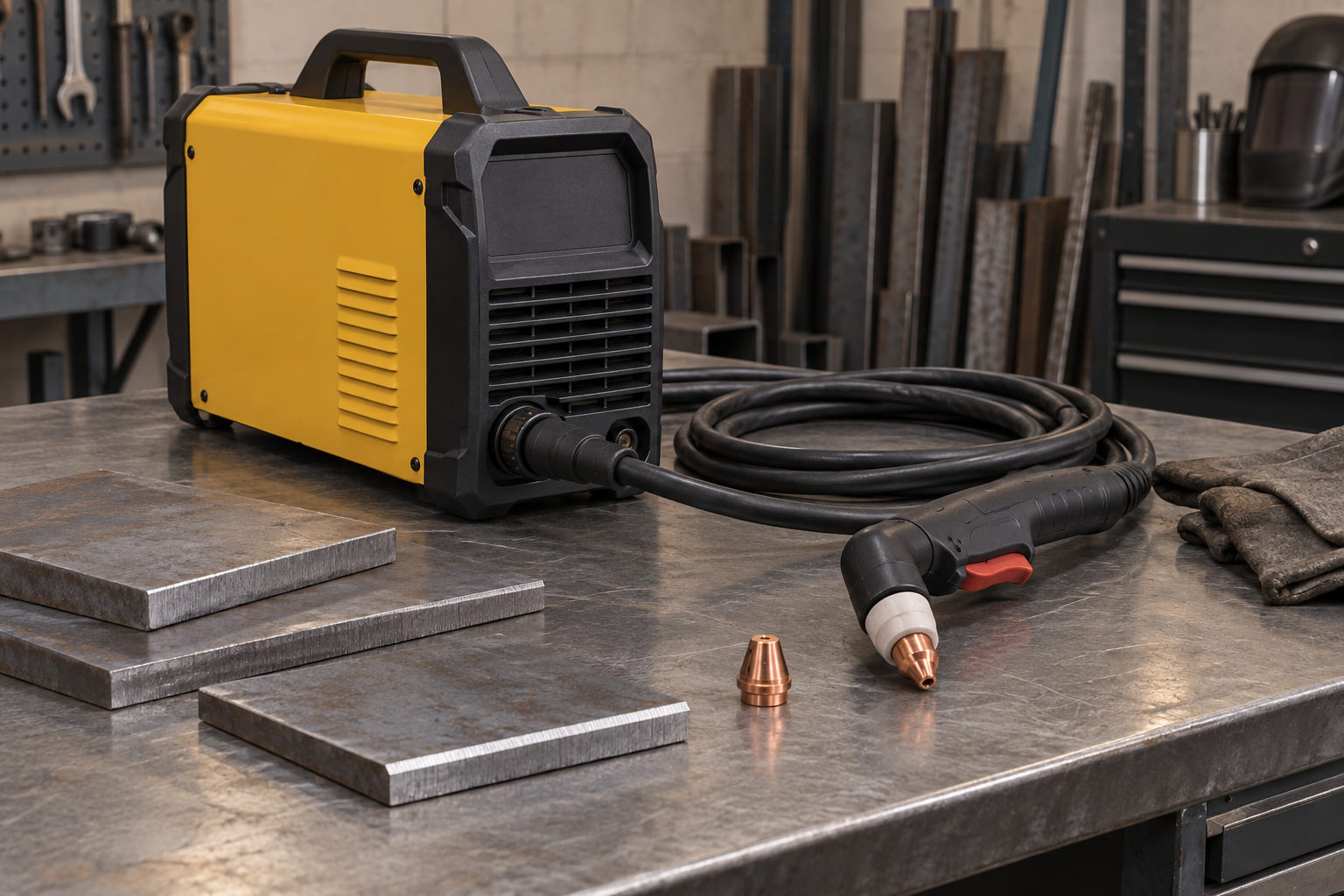
How to Cut Expanded Metal with a Plasma Torch
Expanded metal cuts easily with a plasma torch, but its open pattern creates a different problem from cutting solid plate: the arc repeatedly crosses from…

1845 articles published
Expanded metal cuts easily with a plasma torch, but its open pattern creates a different problem from cutting solid plate: the arc repeatedly crosses from…
Kerf taper is the angle between the top and bottom edges of a plasma-cut part. A cut with little taper has nearly parallel walls.
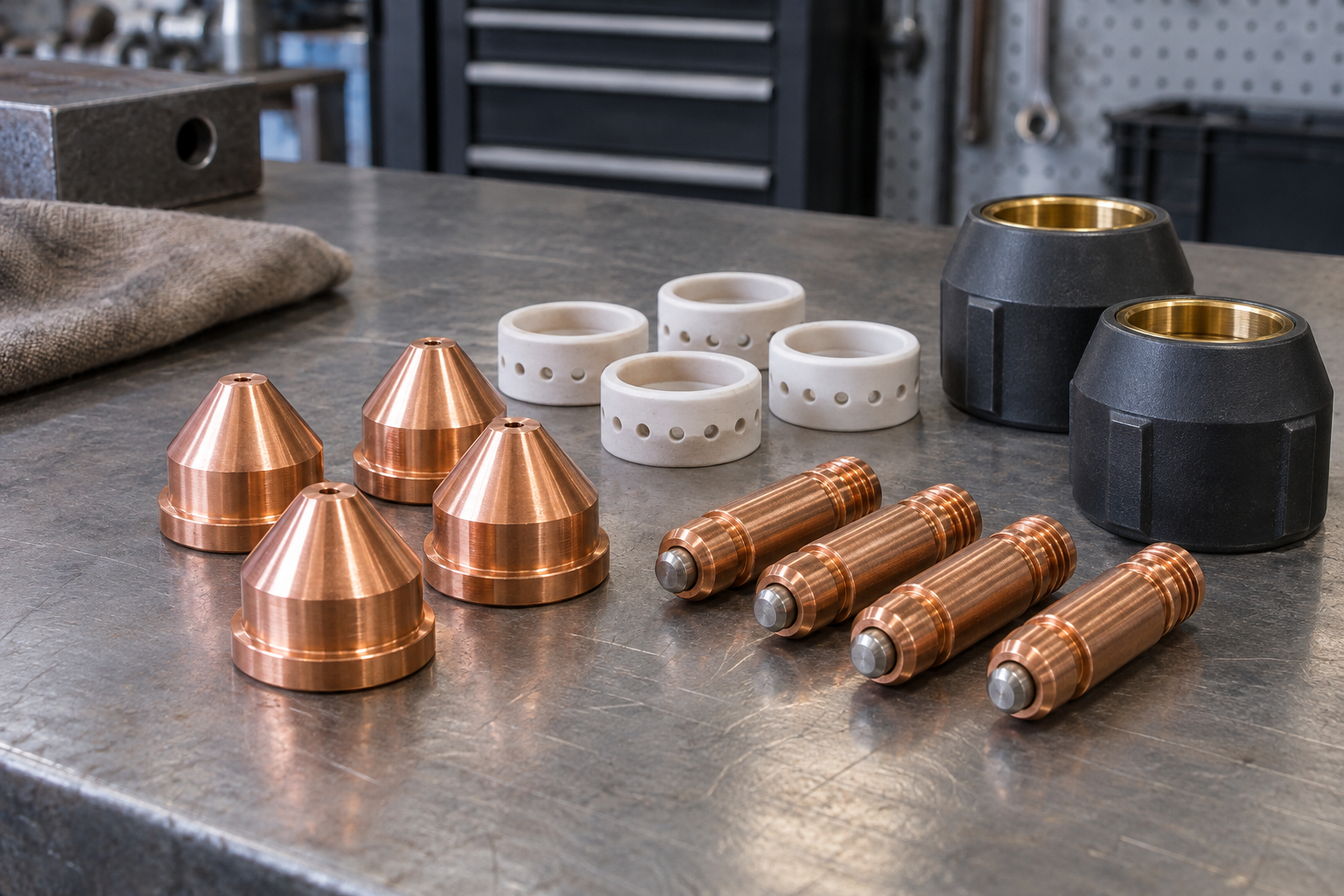
A plasma torch’s electrode and nozzle (often called the tip) work as a pair. The electrode carries the arc; its hafnium insert gradually erodes.
Plasma cutters need a clean electrical path to start and maintain an arc. Rust, mill scale, paint, oil, and flaky corrosion can interfere with the work…
Some dross is normal when plasma cutting, especially on mild steel. The goal is not always a perfectly clean edge; it is to avoid heavy, hard, fused slag…
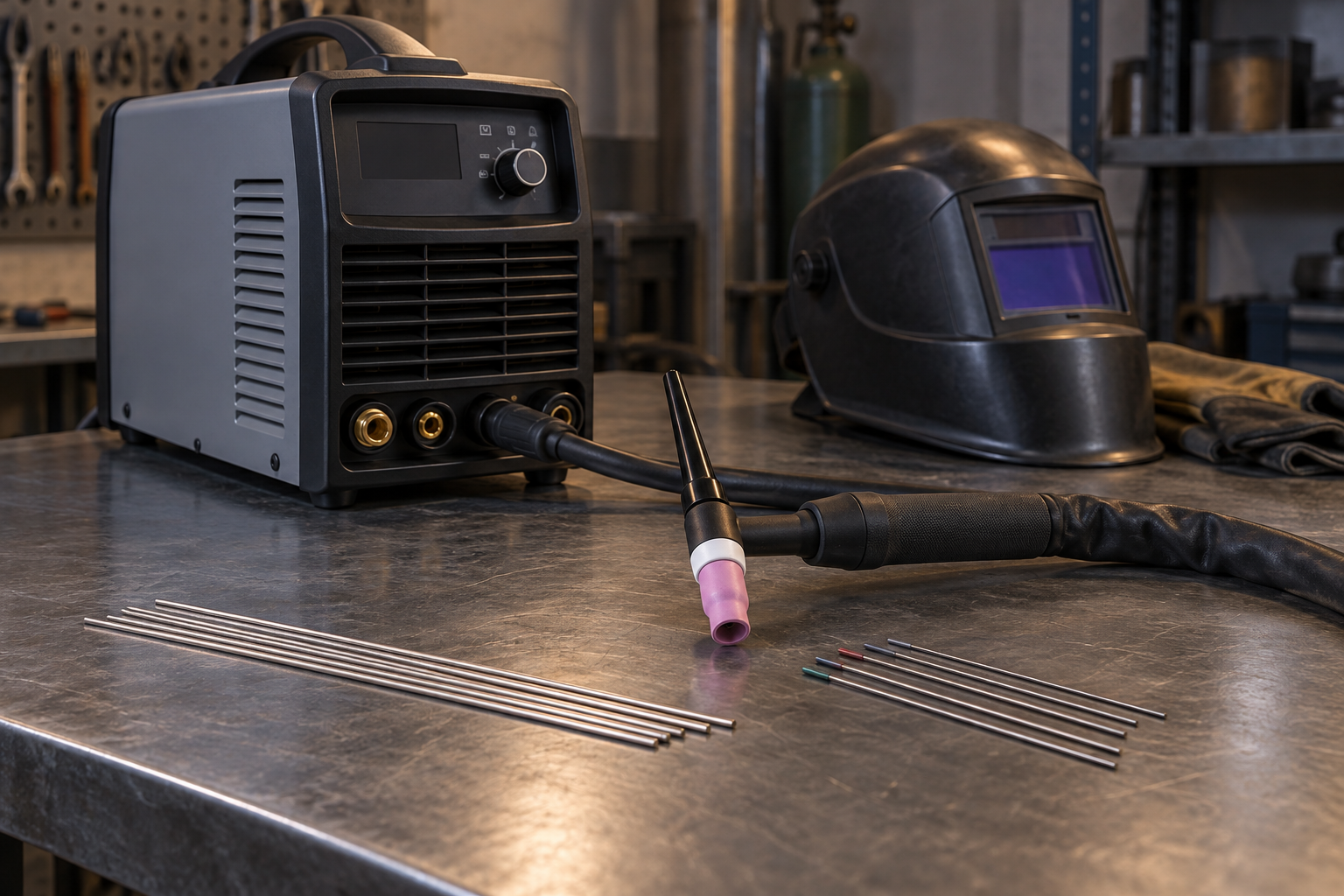
Aluminum oxide is the thin, hard film that makes aluminum TIG welding more difficult than steel.
A straight plasma cut depends as much on how you guide the torch as on the cutter itself.
A plasma cutter that still makes an arc but cuts slowly, leaves heavy dross, or fails to get through material may have a worn consumable, restricted air…
A plasma torch cuts by forcing an electric arc through a small opening in the nozzle while gas carries the hot plasma to the work.
Cutting thick steel with a plasma cutter is less about forcing the torch through and more about matching the machine, consumables, air supply, and travel…