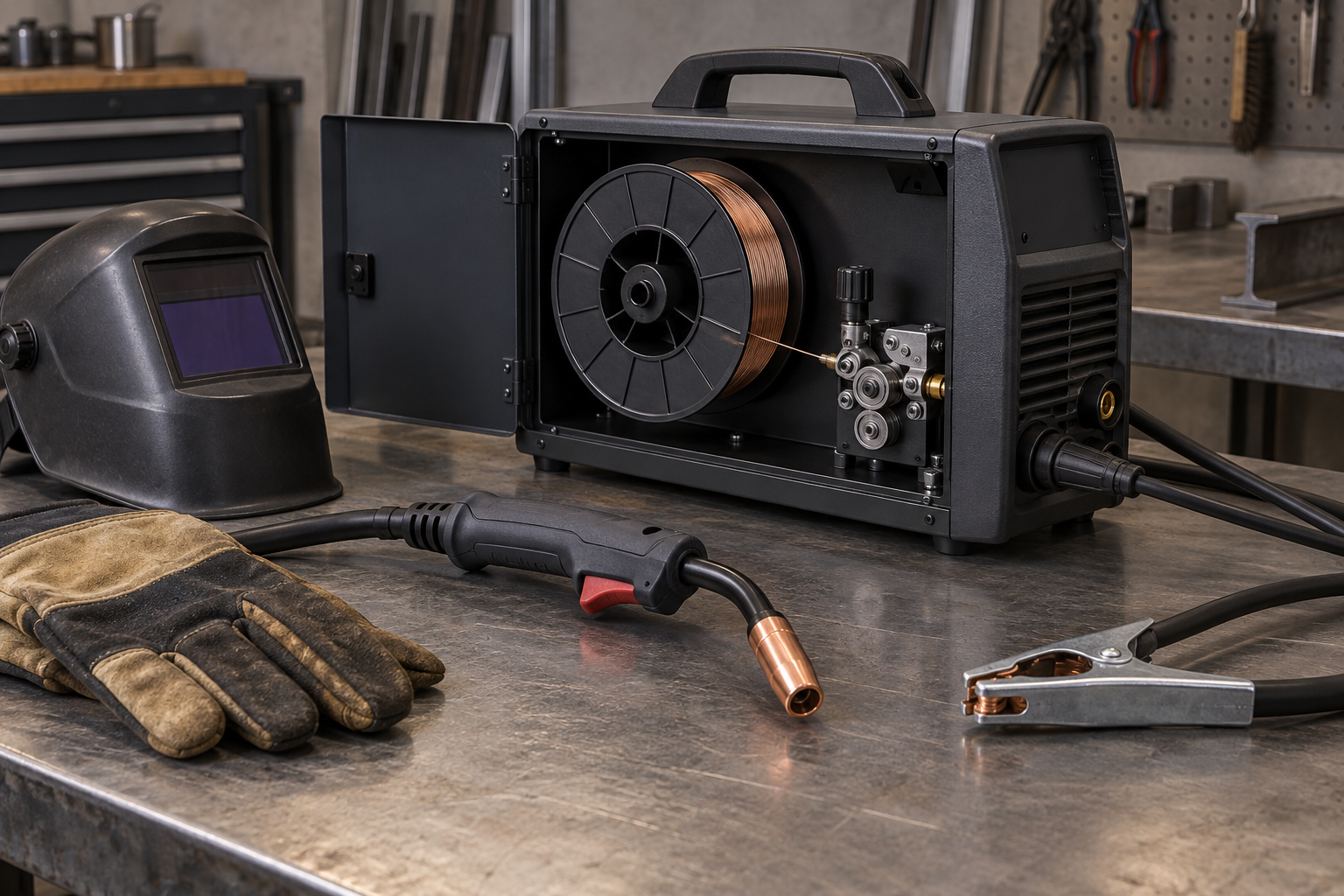
Synergic MIG Welder vs Manual MIG Welder for Changing Steel Thickness
Changing steel thickness is where the difference between a synergic MIG welder and a manual MIG welder becomes obvious.

1845 articles published
Changing steel thickness is where the difference between a synergic MIG welder and a manual MIG welder becomes obvious.
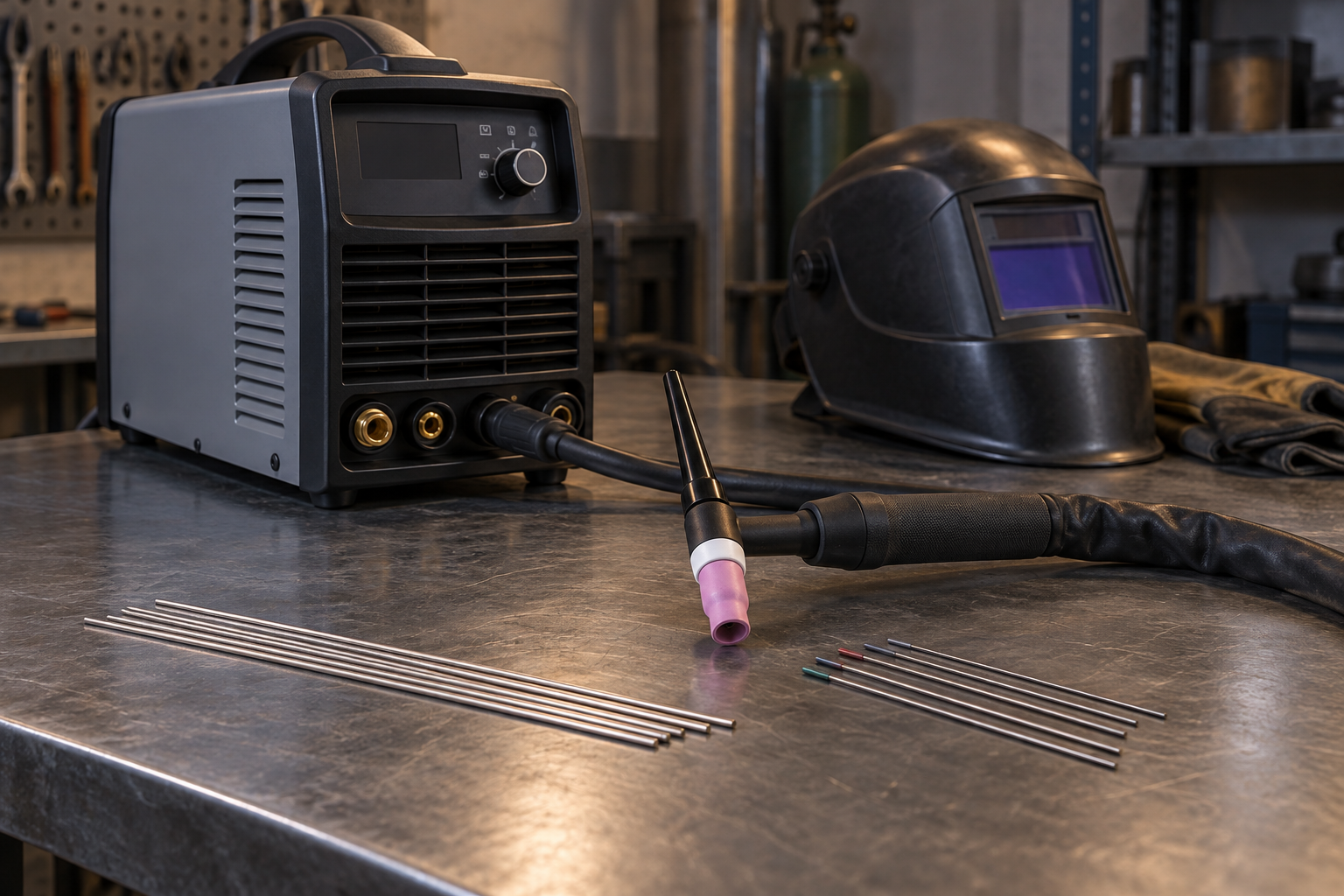
Portable TIG welding is useful when a repair needs a clean, controlled bead rather than the speed of MIG or the simplicity of stick.
For short TIG welds, an air-cooled torch is usually the sensible choice. For repeated welds, the decision changes: torch temperature, duty cycle…
Stainless steel rewards clean technique and punishes shortcuts. A contaminated tungsten, a touched workpiece, or too much heat can leave visible defects…
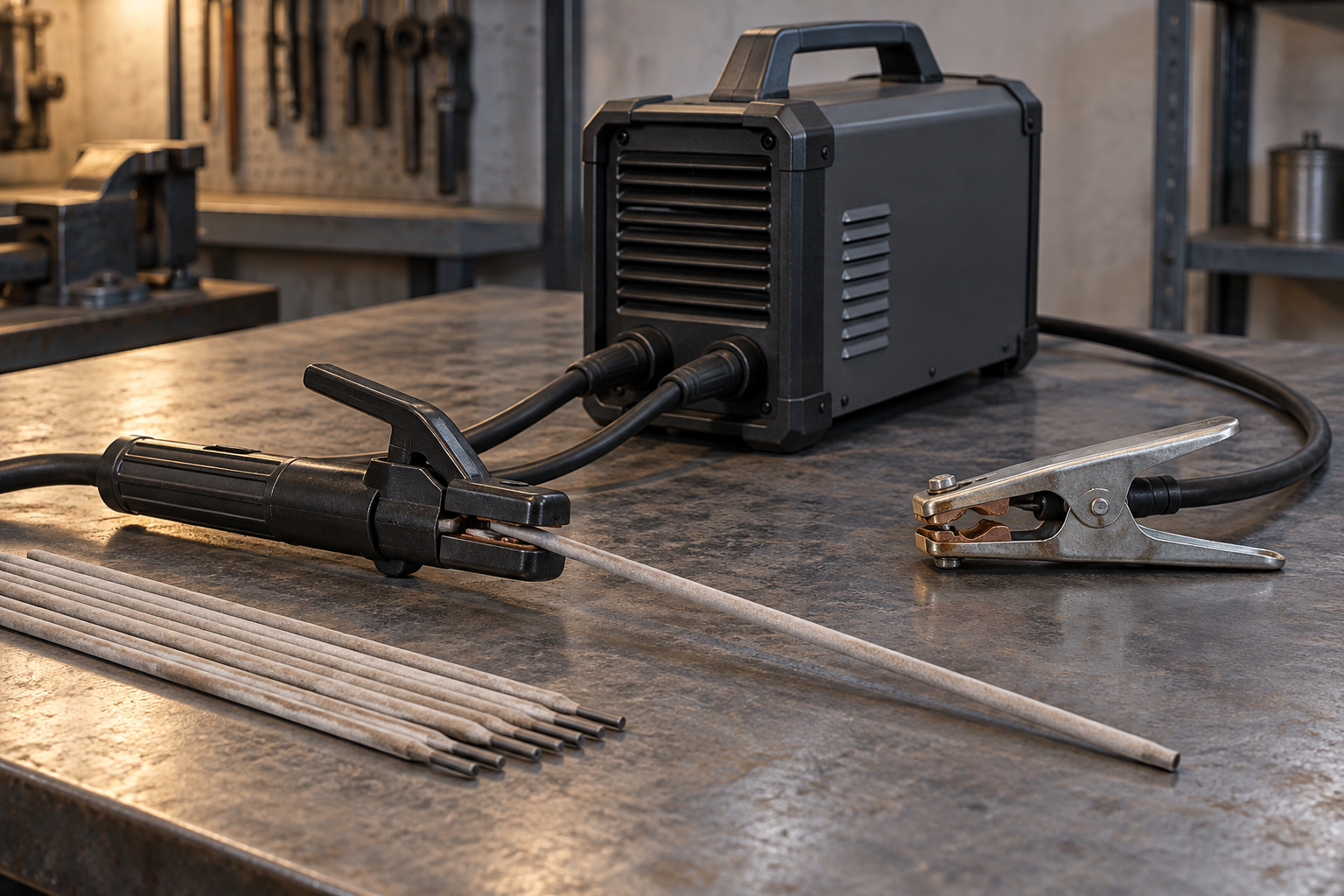
For occasional home repairs, the choice between a dual-voltage stick welder and a 120-volt-only machine comes down to available power, metal thickness…
For a small shop, a multiprocess welder can look like the obvious bargain: one machine for MIG, TIG, and stick instead of buying three power sources.

Aluminum MIG welding is much less forgiving of wire-feeding problems than steel welding.
For field work, the choice between an inverter and transformer stick welder comes down to power, portability, reliability and the type of repairs you…
For mixed-metal shop work, an AC/DC TIG welder is usually the most useful choice.
For thin-wall stainless tubing, TIG is usually the better process. It gives you precise control over heat, lets you add filler separately, and produces a…