Read more about the article How to Remove Moisture from Low-Hydrogen Electrodes
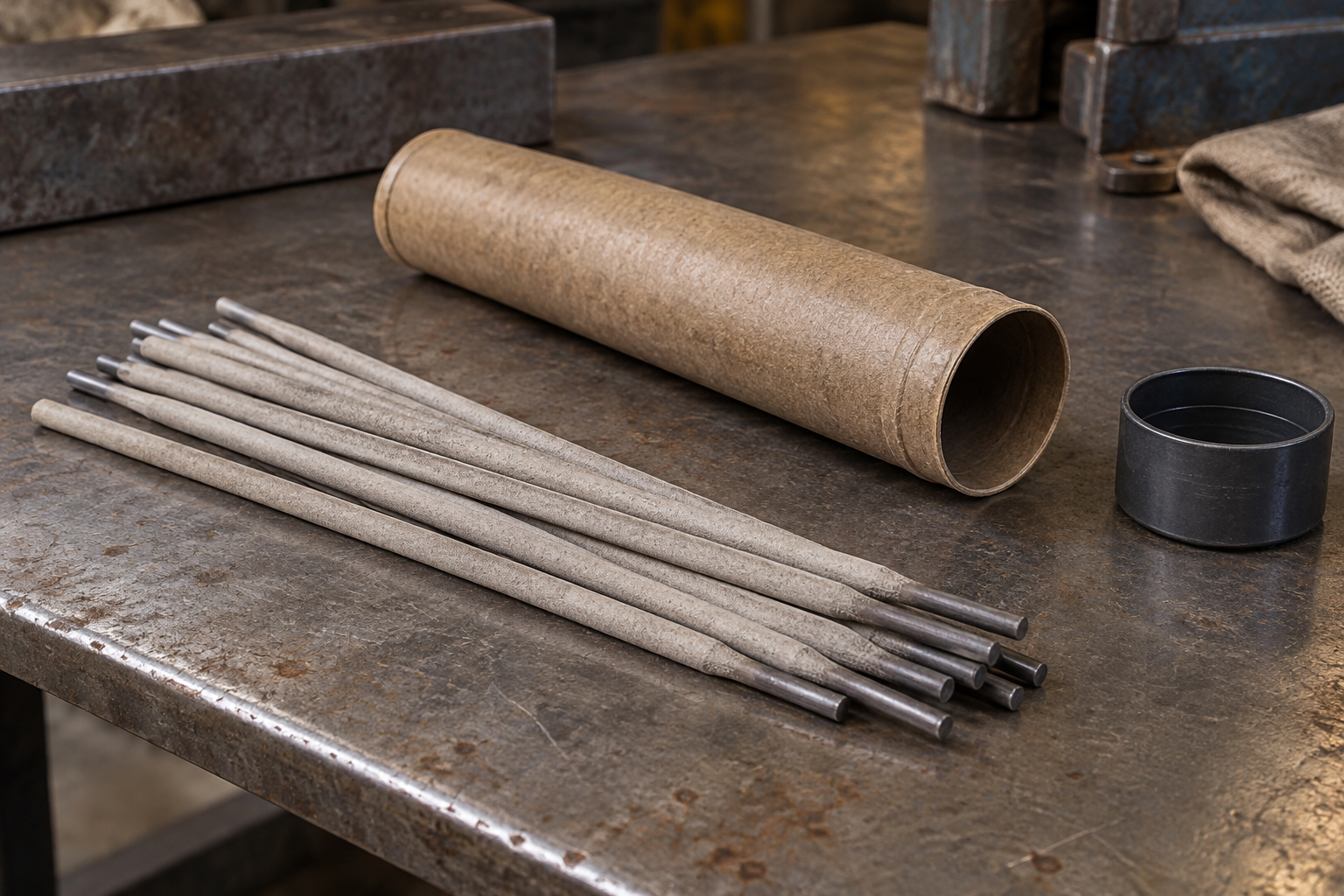
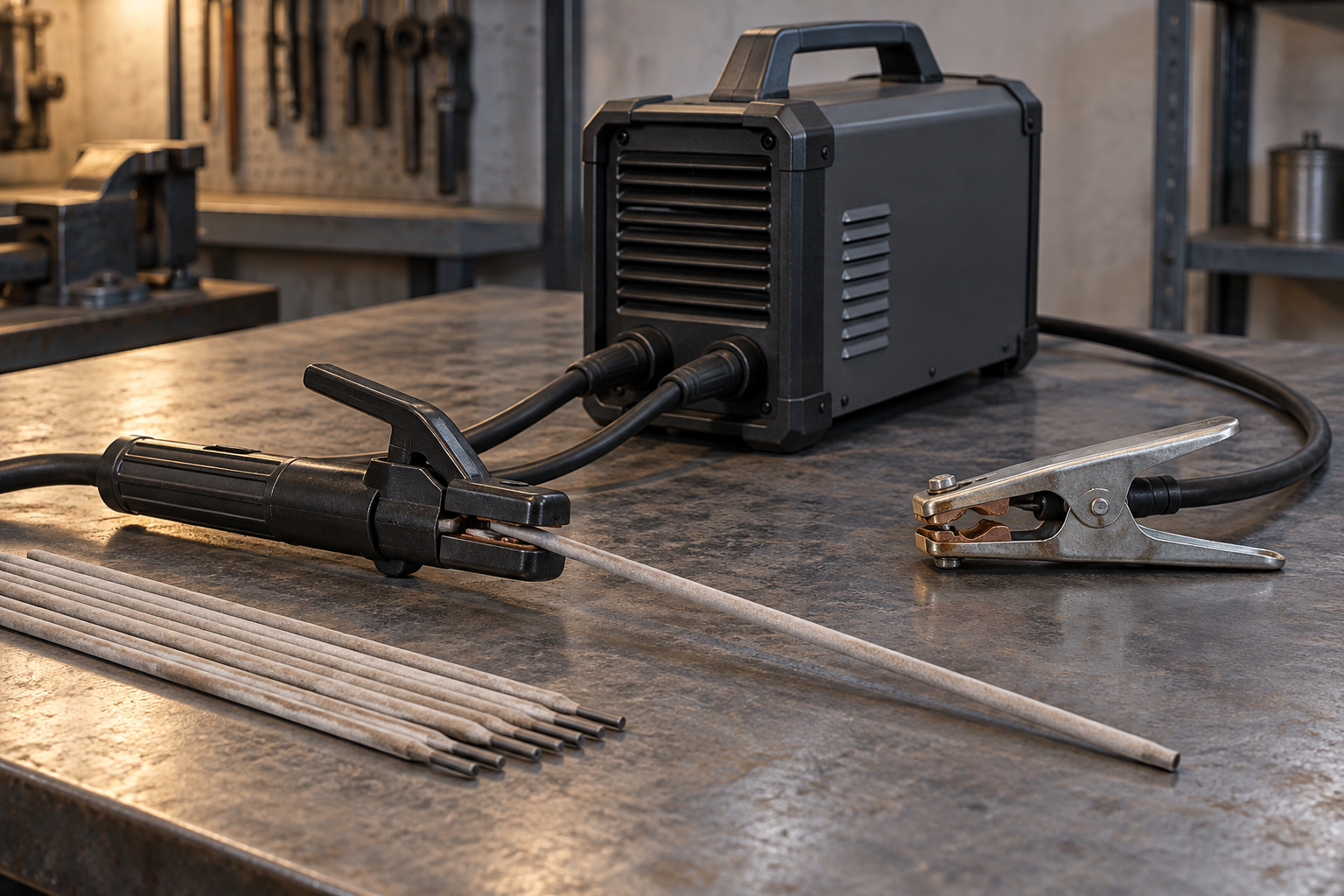
AI-generated editorial illustration of welding electrodes. Representative context; not a specific product, tested result or step-by-step diagram.

How to Remove Moisture from Low-Hydrogen Electrodes

Low-hydrogen electrodes such as E7018 absorb moisture from the air after their sealed packaging is opened. Too much moisture can increase diffusible hydrogen in the weld and contribute to porosity,…
Continue ReadingHow to Remove Moisture from Low-Hydrogen Electrodes
Read more about the article How to Stick Weld a Fillet Joint on Thick Plate
AI-generated editorial illustration of stick welder. Generic context, not an exact product photograph or engineering drawing.

How to Stick Weld a Fillet Joint on Thick Plate

What makes thick plate different A fillet weld joins two surfaces at roughly a right angle, commonly a plate to another plate or to a bracket. On thick material, the…

Continue ReadingHow to Stick Weld a Fillet Joint on Thick Plate
Read more about the article How to Control Slag Coverage with 7018 Stick Welding
AI-generated editorial illustration of welding electrodes. Representative context; not a specific product, tested result or step-by-step diagram.

How to Control Slag Coverage with 7018 Stick Welding

What Slag Coverage Means With a 7018 stick electrode, slag coverage is the layer of molten flux that floats over the weld puddle and solidifies behind it. It shields the…

Continue ReadingHow to Control Slag Coverage with 7018 Stick Welding
Read more about the article How to Prevent Arc Starts from Sticking an Electrode
AI-generated editorial illustration of welding electrodes. Representative context; not a specific product, tested result or step-by-step diagram.

How to Prevent Arc Starts from Sticking an Electrode

Arc starts are where many stick-welding problems begin. The electrode touches the work, the arc fails to establish cleanly, and the rod sticks to the plate instead of burning back.…

Continue ReadingHow to Prevent Arc Starts from Sticking an Electrode
Read more about the article How to Choose DCEN or DCEP for Stick Electrodes
AI-generated editorial illustration of stick welder. Generic context, not an exact product photograph or engineering drawing.

How to Choose DCEN or DCEP for Stick Electrodes

Choosing DCEN or DCEP for a stick electrode changes arc behavior, penetration, bead shape, and how easily the rod runs. The wrong setting can produce a weak-looking weld, excessive spatter,…

Continue ReadingHow to Choose DCEN or DCEP for Stick Electrodes
Read more about the article How to Set Stick Welding Amperage for Vertical Joints
AI-generated editorial illustration of stick welder. Generic context, not an exact product photograph or engineering drawing.

How to Set Stick Welding Amperage for Vertical Joints

Start With the Electrode, Not the Joint Vertical stick welding is controlled mainly by electrode diameter, rod type, metal thickness, and whether you weld uphill or downhill. The amperage printed…

Continue ReadingHow to Set Stick Welding Amperage for Vertical Joints