Welding For Beginners Guide
Pick one welding process, learn what amperage matches your metal thickness, wear real PPE, and control the fire risk before you strike your first arc.
A blunt, practical welding safety equipment checklist for hobby and production shops, ordered by what actually hurts you first.
Welding cart ideas that survive a real shop: the right wall thickness, the right casters, proper bottle restraint, and storage that does not melt or rust.
A blunt plasma cutter review for working shops: how amps map to metal thickness, why duty cycle and clean dry air decide everything, and the fume and fire rules you cannot skip.
A shop-floor guide to the best welding gloves, covering leather types, cuff length, stitching, and how to match gloves to MIG, TIG and stick work.
What actually matters in a welding helmet: optical class, sensor count, shade versus amperage, headgear fit, and the fume and fire risks the hood does not cover.
A blunt shop list of welding tools for starters, from picking a process to matching amps to metal thickness, plus the PPE and fire prep that keeps you working.
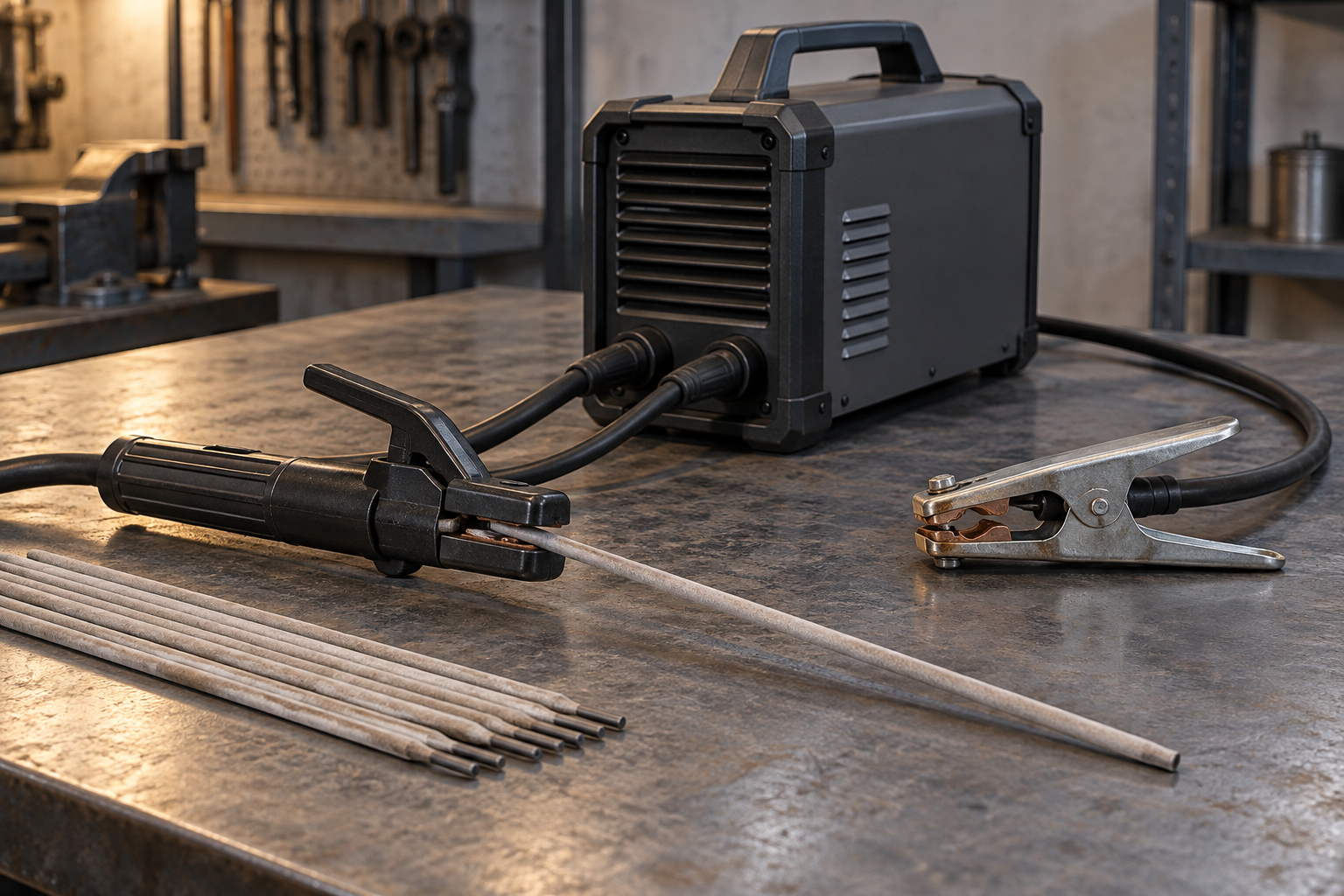
A blunt breakdown of what actually matters in a portable welding machine: duty cycle, input power, material thickness range and the safety gear you need with it.
How to pick a welding machine for home garage work: circuit limits, amperage versus material thickness, duty cycle, process choice, and the PPE, fume and fire rules that keep it safe.
AC or DC, real amp ranges, duty cycle and the safety setup that keeps a hobby TIG rig from becoming an expensive mistake.