What's inside
- Contents
- What Welding Sleeves Actually Do
- Sleeve Materials Compared
- Matching Sleeves to Your Welding Process
- Fit, Length and Coverage
- Comfort, Heat and Movement
- Sleeves Versus a Jacket
- Comparison Table
- Safety Notes for Arm Protection
- Common Mistakes to Avoid
- Buyer Checklist
- Frequently Asked Questions
- Bottom Line
As an Amazon Associate I earn from qualifying purchases. This post may contain affiliate links at no extra cost to you.
The short answer: the best welding sleeves are the ones that match your process, cover your forearms and biceps without gaps, and stay comfortable enough that you never feel tempted to take them off mid-job. For most hobbyists doing stick or MIG work in a home shop, a pair of split-leather sleeves with an elastic or adjustable upper cuff is the practical choice. For lighter, low-spatter TIG work, softer leather or flame-resistant fabric sleeves usually feel better. If you do overhead work or heavy grinding alongside welding, think about a full jacket instead. Brand names matter much less than material, length, closure and how well the sleeve meets your glove.
This guide does not rank products. It explains what sleeves are for, how each material behaves around sparks and heat, how to size and layer them, and where buyers typically go wrong. Use it to narrow down the type, then compare current listings against your own work and check the maker’s instructions for the specific pair you are considering.
What we cover
- Contents
- What Welding Sleeves Actually Do
- Sleeve Materials Compared
- Matching Sleeves to Your Welding Process
- Fit, Length and Coverage
- Comfort, Heat and Movement
- Sleeves Versus a Jacket
- Comparison Table
- Safety Notes for Arm Protection
- Common Mistakes to Avoid
- Buyer Checklist
- Frequently Asked Questions
- Bottom Line
Our Top Picks
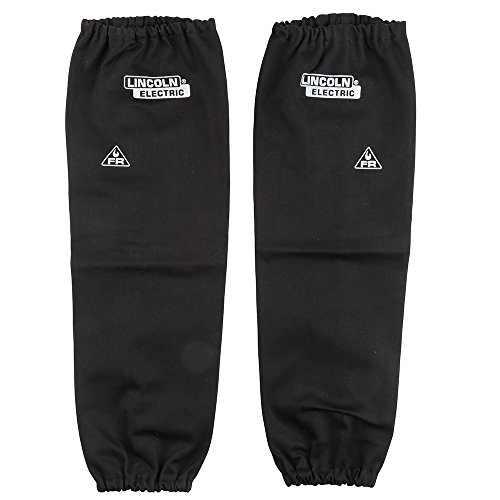 Lincoln Electric KH813 Black One Size Flame-Resistant WeldingOne Size Fits Most8 x 8 x 1 inches0.25 poundsCheck on Amazon

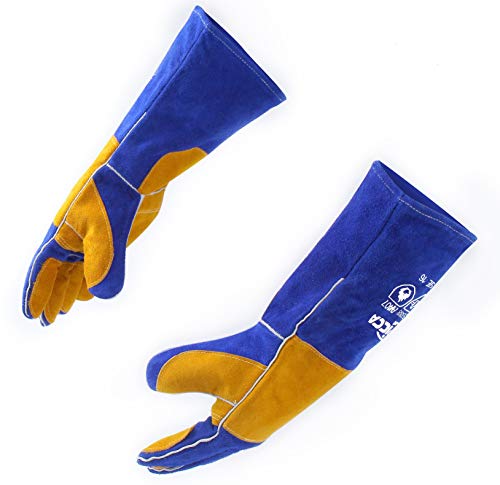
Contents
- What welding sleeves actually do
- Sleeve materials compared
- Matching sleeves to your welding process
- Fit, length and coverage
- Comfort, heat and movement
- Sleeves versus a jacket
- Comparison table
- Safety notes for arm protection
- Common mistakes to avoid
- Buyer checklist
- Frequently asked questions
- Bottom line
What Welding Sleeves Actually Do
A welding sleeve is a tube of protective material that slides over your arm from the wrist or glove cuff up toward the shoulder. Its job is narrow but important. It stops spatter from landing on bare skin or on a thin shirt, it blocks some radiated heat, and it shields your arms from the ultraviolet and infrared light that an arc produces. A short-sleeve tee under a welding apron leaves a lot of skin exposed, and arc light can burn exposed skin much like a sunburn, only faster.
Sleeves are popular because they are cheaper and cooler than a full jacket, they are easy to take on and off between tasks, and they work well with an apron or bib. Many welders keep a pair on the workbench for quick jobs where putting on a heavy jacket feels like overkill. The trade-off is that sleeves leave the shoulders, upper chest and back to whatever else you wear, so you need to think about the whole system rather than the sleeves alone.
The three hazards sleeves address
The first hazard is molten spatter, the little beads of hot metal thrown off during welding. They bounce, roll and sometimes land in the crease of an elbow. The second is radiant heat, which builds up on the forearm when you are working close to a long bead. The third is arc radiation, which passes straight through thin or loosely woven cloth. Good sleeves deal with all three, but not every material deals with them equally well, which is why the next section matters.
Sleeve Materials Compared
Material is the biggest decision you will make, so it is worth slowing down here. The common options are split leather, grain leather, flame-resistant cotton or similar treated fabric, and aluminized or reflective layers used for heat-heavy tasks. Each has strengths and limits, and none is perfect for everything.
Split leather
Split leather is the fibrous underlayer of a hide, and it is the traditional choice for stick and MIG work. It resists spatter well, tolerates abrasion, and handles rough shop use. It is stiffer than lighter materials and can feel warm in summer, but many welders accept that in return for durability. Look for solid stitching and for thread that is itself heat resistant, because ordinary thread can burn through while the leather looks fine.
Grain leather
Grain leather comes from the outer surface of a hide. It is generally softer, smoother and more supple than split leather, which makes it a favorite for TIG work where you need fine movement and where spatter is light. It can cost more and may be less forgiving of heavy abuse. Some welders pair a soft grain forearm section with a tougher upper panel, so check the product description rather than assuming one material throughout.
Flame-resistant cotton and treated fabrics
Treated cotton and similar fabrics are lighter and more breathable than leather, which makes them appealing for long sessions or warm workshops. Their protection depends on the treatment and the weave, so read what the maker says about how the flame resistance is achieved and how it is affected by washing. Some treatments wear out over time, and a sleeve that has lost its treatment should be retired. Fabric sleeves are usually a better fit for light MIG or TIG and are less suited to heavy overhead stick welding.
Aluminized and reflective layers
Reflective sleeves are designed for situations with strong radiant heat, such as working near furnaces or on thick preheated material. They are more specialized than most home shops need. If you are welding only occasionally in a garage, you will probably never need this kind of sleeve, and a reflective outer layer can add weight and stiffness that hurt your control.
Blended and layered builds
Some sleeves combine materials, for example a leather outer with a fabric lining. The lining can improve comfort and wick moisture, while the leather takes the spatter. These builds can be a good compromise, but check that the lining is itself flame resistant, since a plain synthetic lining can melt against the skin.
Matching Sleeves to Your Welding Process
Different processes throw different amounts of heat and spatter, and your sleeves should follow suit. Think about what you do most often rather than the most extreme job you can imagine.
Stick welding
Stick work tends to be messy, with slag, spatter and a lot of radiant heat at arm height. Heavier split leather with generous coverage is the usual match. Because you may work in awkward positions, prioritize sleeves that stay put and do not ride up when you reach.
MIG and flux-core welding
MIG welding throws spatter in a steady stream, and flux-core can be messier still. Leather sleeves of moderate weight work well, and a secure upper closure helps because you are often moving the gun along a long seam. If you mostly build small projects in a garage, lighter leather or good treated fabric can be enough, but confirm the maker’s stated use before relying on it.
TIG welding
TIG is cleaner but demands finesse and a steady wrist. Soft, flexible sleeves that do not drag at the glove cuff are a better match. Arc light can still be intense, so do not mistake low spatter for low risk to your skin.
Fit, Length and Coverage
A sleeve that does not fit is a sleeve that gets pushed down, bunched up or abandoned. Fit is where cheap and expensive sleeves often differ most, and it is worth checking carefully.
Length
Many sleeves reach the bicep, while others extend close to the shoulder. Longer is better when you work overhead or when your shirt is short-sleeved, because it leaves less bare arm. Shorter sleeves are cooler and less restrictive, which can be fine when the work stays below chest height. Hold your arm in a typical working position and think about whether the gap above the sleeve would be exposed.
Upper closure
The top of the sleeve can use elastic, a drawstring, a hook-and-loop strap or a snap. Elastic is fast but can lose tension over time. Adjustable straps stay put better but need a moment to fit. Whatever the closure, confirm that it holds the sleeve in place when you lift your arm, and that it does not pinch or cut circulation.
The glove-to-sleeve overlap
The weakest point in most setups is the gap between sleeve and glove. A good arrangement has the sleeve cuff overlapping the glove, or the glove gauntlet overlapping the sleeve, so that falling spatter cannot find a path to bare skin. A cuff with elastic or a hook-and-loop wrist closure can help, but watch that it does not bunch up and restrict your wrist. If you cannot find a clean overlap, adjust your glove or sleeve choice rather than hoping for the best.
Comfort, Heat and Movement
Protective gear only works when it is worn, and discomfort is the biggest reason people skip it. Think realistically about your shop. A hot, closed garage in summer is a very different place from a cool workshop in winter, and the same sleeves will feel different in each.
Breathability and moisture
Leather holds heat. Lined or ventilated designs can help, as can lighter fabrics. If you sweat heavily, a flame-resistant base layer worn beneath the sleeve may be more comfortable than bare skin against leather, though you should confirm that any base layer is suitable for welding rather than ordinary synthetic athletic wear.
Sleeves Versus a Jacket
This is the question many buyers ask first, and the honest answer is that it depends on how you work. Sleeves give you flexibility. You can wear them with an apron for upper body coverage, take them off for cutting or layout, and replace one if it wears out. A jacket provides continuous coverage of the shoulders, chest and back, with no seams for sparks to find.
Sleeves make sense if you weld occasionally, work mostly at bench height, and want something cool and quick to put on. A jacket makes sense for frequent welding, overhead work, or anything that throws large amounts of spatter. Some people own both: a jacket for heavy days and sleeves for quick repairs. If you are shopping for a complete setup, you might also browse leather welding jackets to compare coverage and weight side by side.
Comparison Table
The table below summarizes typical characteristics of each sleeve type. Treat it as a starting point, because individual products vary and the maker’s own description should always take priority.
| Type | Best for | Typical strengths | Typical drawbacks |
|---|---|---|---|
| Split leather | Stick, MIG, flux-core, general shop work | Tough, spatter resistant, long lasting | Stiffer, can feel hot |
| Grain leather | TIG and precise work | Soft, flexible, good feel | Often less abrasion resistant |
| Treated cotton or similar fabric | Light MIG, TIG, warm shops | Lighter, breathable | Treatment can wear, less suited to heavy spatter |
| Aluminized or reflective | High radiant heat tasks | Reflects heat | Heavy, stiff, more than most hobbyists need |
| Leather and fabric blend | Mixed work, long sessions | Balance of protection and comfort | Lining must also be flame resistant |
If you want to see what is on offer in the most common category, you can browse split leather welding sleeves and then compare closures, length and stitching against your own needs.
Safety Notes for Arm Protection
Arm protection sits inside a bigger safety picture, and a few habits matter more than any single piece of kit. Read these as general guidance, and always follow the instructions that come with your equipment and your welding machine.
Cover everything, every time
Bare skin near an arc is at risk even on a short job. Make sure no gap exists between glove, sleeve and collar, and keep your shirt sleeves and collar buttoned or closed. Avoid rolled cuffs, open pockets and pant cuffs that can collect hot debris. Fully closed footwear matters too, and a separate guide on boots covers that.
Keep the clothing beneath safe
Choose natural-fiber or flame-resistant base layers. Many synthetic fabrics can melt and stick to skin when they get hot. If you are unsure whether a garment is safe, leave it out of the welding area. Never wear clothing that is stained with fuel, oil or solvent.
Fire and fumes
Clear the area of flammable materials, keep a suitable extinguisher within reach, and ventilate the space so fumes do not collect. Sleeves can smolder after a weld, so check your clothing and the floor around you when you finish. If you are working with coated or galvanized metal, research the specific precautions first, because fumes from these can be harmful.
Common Mistakes to Avoid
- Choosing by looks or by lowest price alone. Thin material, weak thread and loose cuffs are common at the bottom of the market. Compare construction, not just color.
- Ignoring the glove gap. Even excellent sleeves fail if sparks can enter at the wrist. Always check the overlap with your actual gloves.
- Wearing synthetic clothing underneath. A hot spatter bead that gets past the sleeve can melt synthetic fibers against your skin.
- Buying fabric sleeves for heavy overhead work. Lighter fabrics suit light-duty tasks, so match the material to the spatter you really create.
- Skipping inspection. Scorched thread and brittle leather rarely announce themselves. Look before each session.
- Letting sleeves get oily. Contamination can reduce protection. Keep them clean and dry.
- Forgetting the upper arm and shoulder. If your sleeves stop at the bicep and your shirt is short, the gap is exposed. Consider length or an apron or jacket.
- Assuming one size fits all. Check the stated measurements, closure range and stretch panels before ordering.
Buyer Checklist
Run through the list below before you click buy. If you can tick most of these boxes for a given pair, you are probably looking at a sensible option.
- Material suits your main process (split leather, grain leather, treated fabric or blend).
- Length reaches high enough for your typical working position.
- Upper closure holds firmly without pinching.
- Wrist cuff overlaps your gloves with no exposed gap.
- Stitching looks dense and even, with heat-resistant thread described.
- Any lining is itself flame resistant.
- The maker describes cleaning and care, and any treatment limits.
- You can bend your elbow and rotate your wrist freely.
- Sizing information matches your forearm and upper arm.
- Return policy is clear in case the fit is wrong.
- You have checked current specifications and instructions on the listing.
When you are ready to compare options, browse flame-resistant welding sleeves and weigh them against this list. If you are also updating your hand protection at the same time, it is worth viewing welding gloves so that the cuff and gauntlet work together.
Frequently Asked Questions
Are welding sleeves enough on their own?
No. Sleeves protect the arms only. You still need a proper helmet, gloves, closed footwear and a way to cover your torso, such as an apron or jacket.
Which material is best for a beginner?
Many beginners do well with split leather because it forgives mistakes and handles spatter. If you only plan light TIG work, a softer leather or treated fabric option may feel better.
Do I need sleeves if I already wear a jacket?
Usually not. A jacket already covers the arms. Some welders add sleeves for extra protection when working overhead, but check that the combination does not restrict movement or trap heat.
Can I wear sleeves over a short-sleeve shirt?
It is possible, but a gap often appears above the sleeve and at the armpit. A long-sleeve natural-fiber or flame-resistant layer underneath is a safer idea.
How do I know when to replace my sleeves?
Replace them when you find burn-through, scorched or broken stitching, hardened or cracked leather, loss of elastic, or damaged closures. Treated fabrics should also be retired if the maker says the treatment has worn out.
Is leather too hot for summer work?
It can be. Lighter leather, vented designs or treated fabric can help. Never remove protection simply because it is warm; adjust your schedule, ventilation and breaks instead.
How should I wash flame-resistant fabric sleeves?
Follow the maker’s care label closely. Some treatments are sensitive to certain detergents or fabric softeners, which can reduce protection, so check the instructions before washing.
Do sleeves protect against arc light?
They help cover skin that would otherwise be exposed to arc radiation, but coverage must be complete. Gaps at the wrist, collar or shoulder can still let light reach the skin.
Bottom Line
Pick sleeves by what you actually weld. Split leather suits most stick and MIG work, softer leather or treated fabric suits lighter jobs, and a full jacket makes more sense for overhead or heavy-spatter tasks. Focus on length, closure and the glove overlap, wear safe layers underneath, inspect before every session and replace worn pairs. Products and instructions change, so check current specifications and the maker’s guidance before you buy or use anything.
Disclosure: As an Amazon Associate, we earn from qualifying purchases. Links marked as sponsored may earn us a commission at no extra cost to you.
